Executive Overview
The landscape of home entertainment is shifting rapidly, moving away from simple media consumption toward a more integrated, ambient smart home experience. While the current Google TV Streamer has firmly established itself as a cornerstone of the living room, industry whispers and recent leaks suggest that Google is already preparing a sophisticated successor.
Reports surfacing from 9to5Google indicate that the next iteration of the Google TV Streamer will prioritize "ambient intelligence"—the ability for a device to anticipate user needs without manual input. By integrating far-field microphone technology and advanced presence-sensing capabilities, Google appears to be positioning its streaming hardware not just as a set-top box, but as a central command hub for the modern smart home. This report explores the technical enhancements, design philosophies, and competitive pressures driving this upcoming hardware cycle.
The Evolution of the Streaming Hub
The streaming market has long been defined by simple, one-way interactions: you navigate a menu, you select a show, and you watch. However, as the ecosystem surrounding the Google TV platform matures, the hardware must evolve to match the sophistication of its software.
The current Google TV Streamer, while lauded for its robust performance and lack of bloatware, serves as a bridge. The next generation aims to dismantle the barrier between the user and the device. If the rumors regarding the transition from a "click-and-search" model to a "voice-and-presence" model hold true, Google is essentially turning the TV into an extension of the Nest ecosystem.
Design Philosophy: Refinement Over Revolution
Leaked schematics suggest that Google is not looking to reinvent the wheel regarding the physical form factor. The current "pill-shaped" design of the Google TV Streamer is widely regarded as aesthetically pleasing and unobtrusive. The next generation is expected to maintain this silhouette, albeit with a slightly narrower footprint. This iterative design strategy suggests that Google is satisfied with the current physical footprint but is looking to maximize internal efficiency, likely to accommodate the new sensor arrays and upgraded cooling requirements for a more powerful processor.
Detailed Chronology: From Concept to Reality
The timeline of Google’s hardware development in the living room space has been marked by a transition from the budget-friendly, dongle-based "Chromecast" era to the premium "Streamer" era.
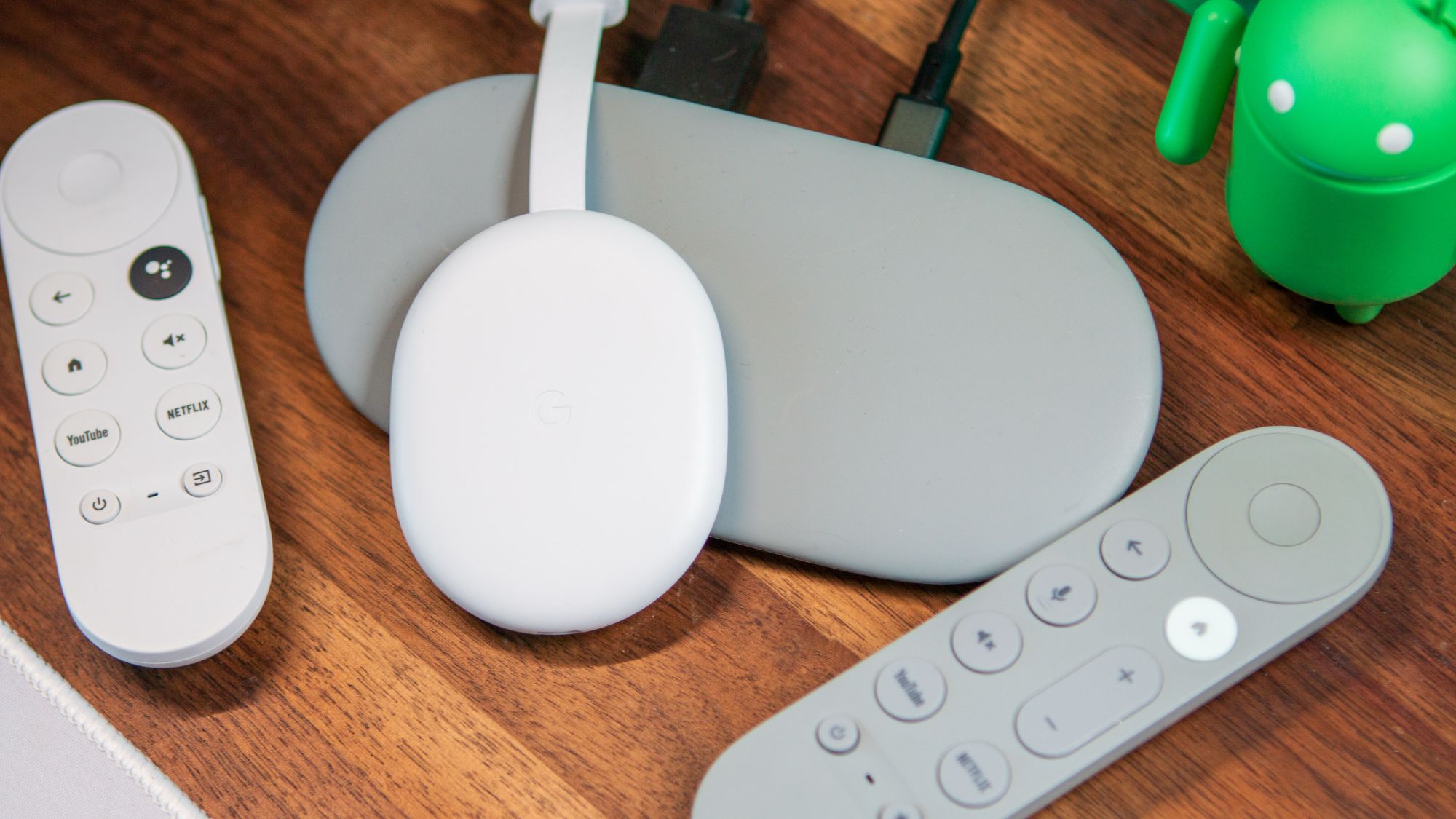
- The Chromecast Era (2013–2023): Google dominated the entry-level market with the original Chromecast, moving through various iterations of 4K and HD dongles. These were portable, low-cost, and purely functional.
- The Pivot to Premium (2024): The launch of the Google TV Streamer marked a definitive shift. With a higher price point and a stationary form factor, Google signaled its intent to compete with the likes of Apple TV 4K and Nvidia Shield.
- The "Price Adjustment" (Late 2024): A recent $50 price hike across the current lineup indicated that Google is confident in the value proposition of its current hardware, despite market saturation.
- The Next Generation (Development Phase): Current reports confirm that R&D is well underway. The focus has shifted toward hardware integration—specifically, the inclusion of microphones and proximity sensors—that would allow the device to compete more directly with high-end smart displays like the Nest Hub.
Supporting Context: Why Ambient Intelligence Matters
The integration of far-field microphones and presence sensors is the most significant leap for this upcoming hardware. Currently, users are tethered to their remotes to engage with Gemini, Google’s AI assistant. While effective, the friction of pressing a button and waiting for the UI to register the input can disrupt the flow of a "smart" environment.
1. The Power of Far-Field Microphones
By embedding microphones directly into the chassis of the TV Streamer, Google is effectively treating the device like a smart speaker. Users will be able to issue commands such as "Hey Google, dim the lights and play my favorite sci-fi show" without needing to locate a physical remote. This mirrors the functionality of the Nest Audio line, bridging the gap between the TV and the broader smart home infrastructure.
2. Presence Sensing and Contextual Awareness
The reported inclusion of presence-sensing technology—similar to that found in high-end TCL televisions—represents a move toward "proactive" computing. When the device detects movement in the room, it could automatically wake the display. Instead of a blank screen, users could be greeted by a customized "At a Glance" dashboard displaying weather updates, calendar events, or a rotating gallery of memories from Google Photos.
3. Hardware Upgrades: Beyond the Basics
Beyond software-centric features, the hardware internals are set for a major overhaul:
- Processor Boost: To handle the increased computational load of real-time AI processing (Gemini) and constant sensor monitoring, a new chipset is mandatory.
- Storage Expansion: With 32GB currently serving as the ceiling, users have long demanded more room for apps and cached high-definition content. It is widely expected that the next iteration will offer at least 64GB, if not more, to accommodate the growing library of Android TV-compatible gaming and utility applications.
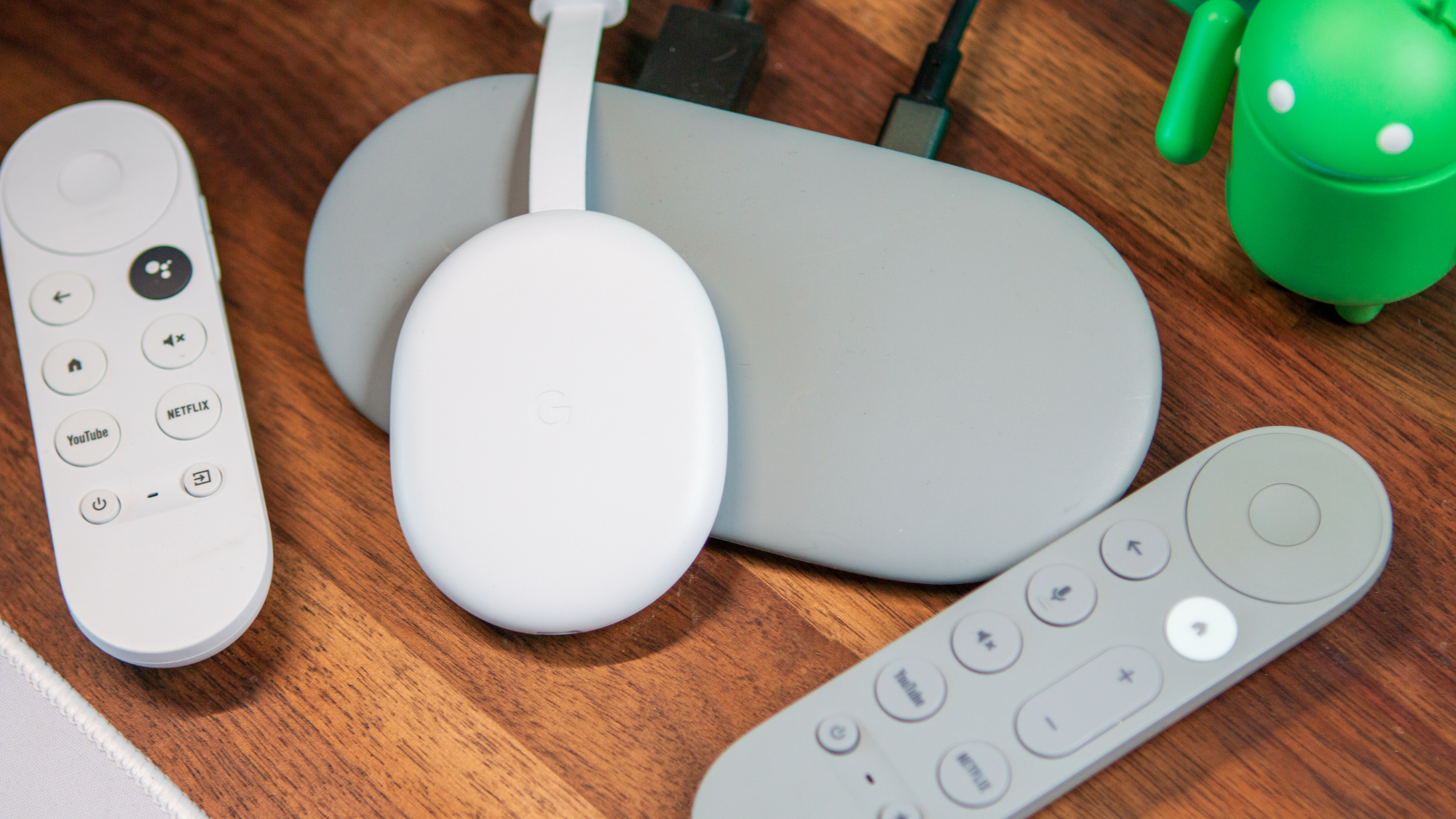
- Remote Redesign: The physical remote is slated for a refresh. The addition of dedicated YouTube and Netflix buttons—while common—is a response to user data showing these are the most frequently accessed platforms. Furthermore, a "Find My Remote" button on the base unit will address one of the most common complaints among streaming device users: the "lost remote" dilemma.
Competitive Analysis: Google vs. The Industry
The streaming device market is currently a three-horse race between Apple, Amazon, and Google. Each takes a distinct approach:
- Apple TV 4K: Known for its tight integration with the Apple ecosystem, high-end silicon (A-series chips), and premium build quality. Apple’s challenge is the high entry price.
- Amazon Fire TV: Dominates the lower and mid-range segments through aggressive pricing and deep integration with the Alexa ecosystem.
- Google TV: Positioned as the "smart" middle ground. By leaning into AI (Gemini) and smart home integration (Nest), Google is attempting to differentiate itself from Apple’s "walled garden" and Amazon’s "retail-focused" interface.
The upcoming Google TV Streamer is clearly designed to capture the user who wants a premium experience that does more than just play video. By acting as a Thread border router and a smart home hub, Google is betting that the winner of the living room wars will be the company that provides the most seamless "ambient" experience.
Official Statements and Market Outlook
While Google has yet to release an official press statement confirming the device’s technical specifications or launch window, the company’s recent activities speak volumes. The move to raise prices on existing hardware suggests a strategy of moving the brand "upmarket."
Industry analysts predict that with Apple rumored to be updating its own streaming hardware, Google is under pressure to maintain its momentum. A fall announcement would be strategically sound, coinciding with the holiday shopping season and providing a clear alternative to the Apple ecosystem.
What to Expect in the Coming Months
- FCC Filings: As the device approaches mass production, we expect to see regulatory filings that will confirm the presence of new radio antennas and sensor hardware.
- Beta Software Updates: Early clues regarding the new hardware will likely appear in the code of the Android TV beta releases, providing developers with hints about the new UI capabilities.
- Pricing Strategy: Given the recent price increase, it remains to be seen if Google will position the new streamer as a "Pro" model, keeping the current version in the lineup as a budget option, or if this will be a direct, higher-priced replacement.
Final Thoughts
The transition of the Google TV Streamer from a simple media player to an ambient computing hub is an ambitious step. If Google successfully implements the reported features—specifically the far-field microphones and presence detection—it will fundamentally alter how we interact with our living rooms.
The goal is a home that is "aware." It is a future where the TV does not wait for a command, but recognizes your presence and prepares to entertain you the moment you walk through the door. As we await further developments, one thing is certain: the era of the "dumb" streaming box is coming to an end, and Google is leading the charge into a more intelligent, proactive future.