
Executive Overview
The modern smartphone market occupies a strange dichotomy. At the absolute pinnacle of consumer tech, we have ultra-premium flagships costing upwards of $1,200 to $1,800, boasting foldable hinges, titanium-infused chassis, and on-device neural processing units capable of translating languages in real time. Yet, directly on the opposite end of the spectrum lies a thriving, highly competitive ecosystem of budget and mid-range devices priced at $300 or less.
For the average consumer, spending a month’s rent on a telephone is rapidly losing its appeal. With carrier contracts shifting, economic pressures mounting, and incremental hardware upgrades making annual flagship purchases harder to justify, budget Android phones are having a massive moment. Devices from manufacturers like Samsung (specifically the Galaxy A-series), Motorola, and Nothing, alongside expertly refurbished tier-one models like past-generation Google Pixels, prove that you no longer need to drain your bank account to stay connected.
However, navigating the sub-$300 smartphone market is fraught with hidden dangers. The phrase "you get what you pay for" holds a dangerous grain of truth in consumer electronics. Manufacturers slicing prices down to the bone have to cut corners somewhere—and those compromises are rarely made on cosmetic finishes. Instead, they happen deep within the silicon, the memory modules, the battery cells, and the camera sensors.
Buying a cheap phone that cannot keep up with the demands of day-to-day life is a false economy. A device that lags when launching maps, dies by 2:00 PM, drops Bluetooth connections, or runs out of storage space within six months is effectively useless, turning a perceived bargain into wasted capital. This guide serves as an authoritative framework for consumers navigating the budget landscape. By establishing firm, non-negotiable hardware floors for screens, memory, processors, batteries, and optics, buyers can secure a device that feels modern, reliable, and future-proof without overspending.
Detailed Chronology: The Evolution of the Budget Android Tier
To understand why $300 can buy a remarkably capable smartphone today, it is instructive to look at how the budget sector has evolved over the past decade.
The Era of Compromise (2014–2018)
A decade ago, buying a budget Android phone meant accepting an abysmal user experience. Devices in the sub-$200 bracket were plagued by catastrophic performance bottlenecks. It was an era characterized by:
- Plastic-heavy builds that flexed and creaked under pressure.
- Low-resolution LCD panels plagued by severe light bleed, washed-out viewing angles, and dismal outdoor visibility under direct sunlight.
- Embarrassing RAM allocations—often capped at 1GB or 2GB—which forced aggressive app-killing and caused catastrophic UI stutter.
- Atrocious software support, with many budget handsets shipping on outdated versions of Android and never receiving a single platform update.
The Democratization of Processing Power (2019–2022)
As mobile silicon matured, the semiconductor industry experienced a massive trickle-down effect. Chipmakers like Qualcomm (with the Snapdragon 600 and 700 series) and MediaTek (with the Helio and Dimensity lines) began producing mid-range processors capable of handling everyday computing tasks with ease.
During this window, features once reserved for $900 flagships rapidly migrated downward:
- Fingerprint sensors shifted from luxury novelties to standard inclusions.
- 1080p (FHD+) resolution became the baseline across almost all price tiers.
- Multi-camera arrays appeared on budget handsets, though many relied on low-utility "macro" or "depth" sensors merely to pad spec sheets.
The Modern Value Renaissance (2023–Present)
Today, the budget smartphone market is defined by aggressive value engineering. Thanks to intense competition between aggressive Chinese original equipment manufacturers (OEMs) and legacy heavyweights like Samsung, consumers can now purchase $300 devices that borrow architectural philosophies from the premium tier.
We now see high-refresh-rate AMOLED panels, dependable all-day battery architectures, fast-charging capabilities, and software support windows stretching up to four or five years trickling down to the entry-level segment. Yet, this democratization has also introduced noise: specs sheets are heavily masked with marketing buzzwords, making it harder than ever for the untrained consumer to separate genuine value from electronic obsolescence.
Supporting Context & Metrics: The Non-Negotiable Hardware Floor
When evaluating a sub-$300 Android phone, every specification matters. While you can comfortably compromise on exterior materials (skip the titanium frame, as you will—and should—put a protective case on the phone anyway), certain internal hardware metrics must be treated as absolute, non-negotiable red lines.
+-----------------------------------------------------------------+
|               THE BUDGET ANDROID NON-NEGOTIABLE FLOOR           |
+----------------------+------------------------------------------+
| Component            | Minimum Acceptable Standard              |
+----------------------+------------------------------------------+
| Screen Size          | 5.6 to 6.1 inches (AMOLED, FHD+, 1000+   |
|                      | nits peak brightness)                    |
+----------------------+------------------------------------------+
| RAM                  | 6GB absolute minimum (8GB recommended    |
|                      | for gaming/multitasking)                 |
+----------------------+------------------------------------------+
| Storage              | 128GB baseline (256GB preferred; check   |
|                      | for expandable storage limits)           |
+----------------------+------------------------------------------+
| Battery Capacity     | 4,500mAh to 5,000mAh                     |
+----------------------+------------------------------------------+
| Camera System        | 32MP+ rear sensor with large light-      |
|                      | gathering footprint; 12MP+ front sensor  |
+----------------------+------------------------------------------+
1. Screen and Visual Architecture
Gone are the days when a tiny 4.5-inch display was considered standard. While compact phones still have niche appeal, the ergonomic sweet spot for general typing, media consumption, and multitasking rests between 5.6 and 6.4 inches.
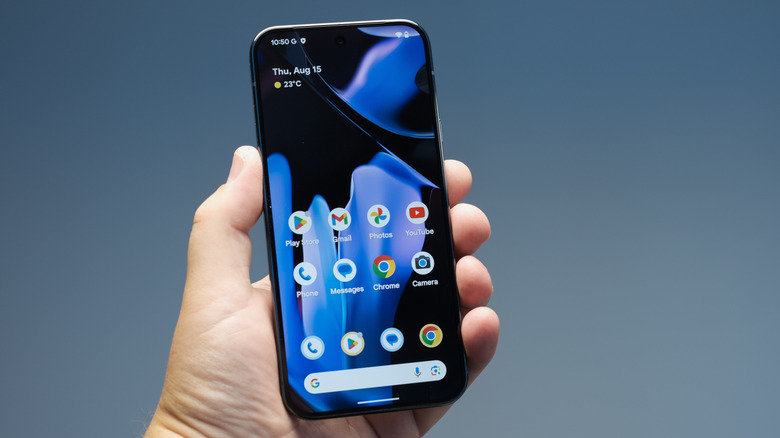
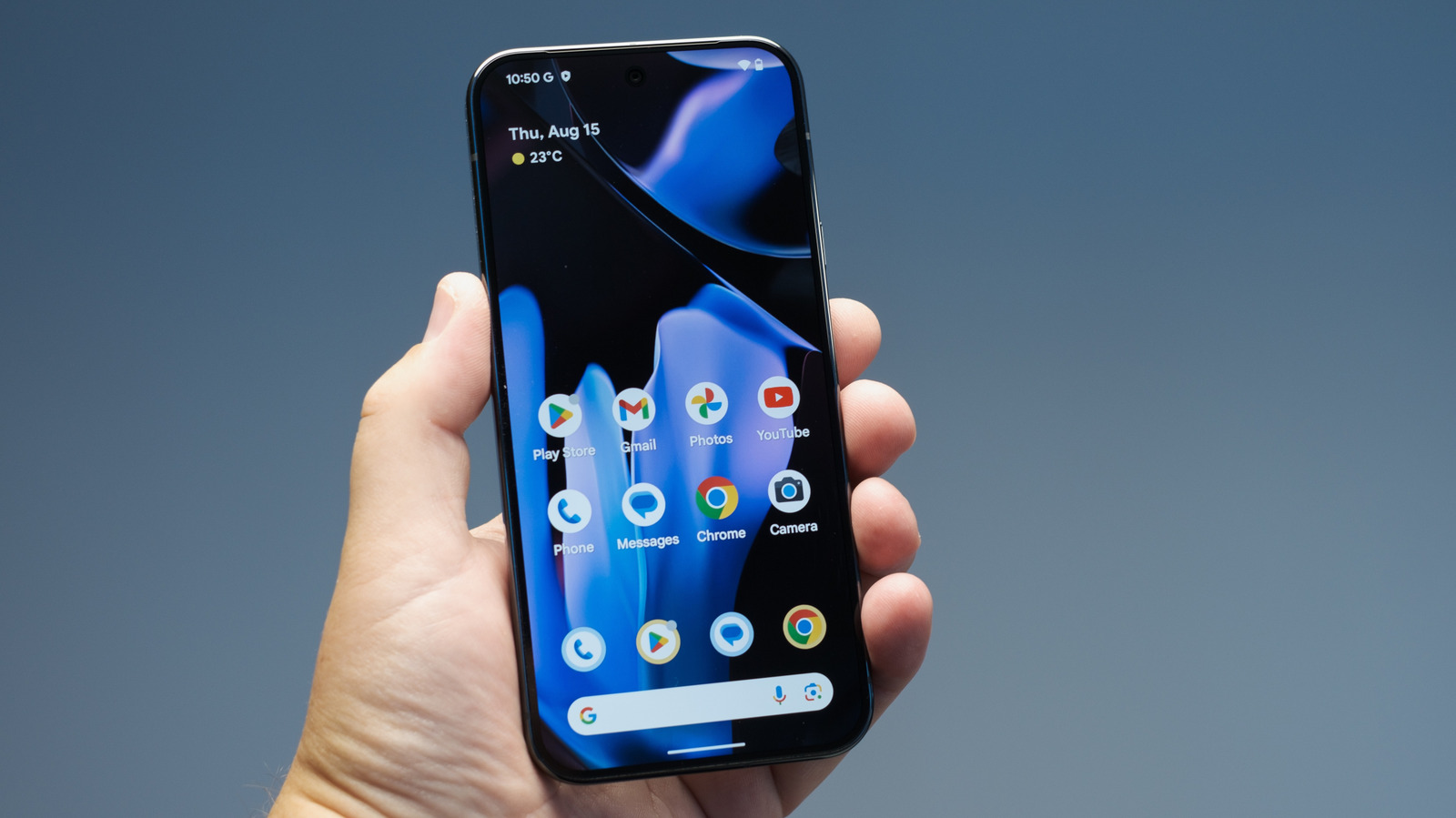
- Panel Technology: Reject cheap, washed-out LCD panels. Insist on an AMOLED (Active Matrix Organic Light Emitting Diode) display. AMOLED technology delivers true blacks, infinite contrast ratios, and vibrant color reproduction that makes scrolling, watching video streams, and reading an absolute pleasure.
- Resolution and Brightness: The display must feature at least an HD+ resolution (ideally full 1080p FHD+) paired with a minimum peak brightness of 1,000 nits. Anything lower will render the screen completely illegible when walking outside under bright, direct sunlight.
2. Memory (RAM) and Internal Storage
The internal memory profile dictates how many tasks a phone can juggle simultaneously and how long the device will remain responsive over years of use.
- RAM Minimums: Never purchase a modern Android phone running on 4GB of RAM or less. Android is a robust, feature-rich operating system that requires significant headroom. 6GB of RAM is the absolute floor for a smooth, stutter-free experience when jumping between messaging apps, web browsers, and media players. If you enjoy casual mobile gaming or heavy multitasking, stretch your budget to find an 8GB RAM configuration.
- Storage Baselines: Expandable micro-SD card slots have become an endangered species in modern smartphone design. Consequently, 128GB of internal storage is the absolute baseline you should accept. If your budget allows, opt for 256GB. Failing to secure adequate storage will result in the dreaded "Device Storage Full" notification within months, forcing tedious data offloading or paid cloud subscriptions.
3. Processing Power (The Silicon Engine)
A cheap phone should not feel slow as molasses. While you do not need the absolute latest, most power-hungry flagship silicon on the market, you must avoid outdated or deeply underpowered processors.
Research the specific processor (System-on-Chip or SoC) powering the device. Check its release date and read independent benchmark and real-world reviews. A sluggish processor will not only ruin your streaming and casual gaming experiences, but it will also degrade battery efficiency and cause premature thermal throttling.
4. Battery Longevity and Energy Management
A smartphone is fundamentally tethered to its power source. If your device dies halfway through your workday, its other features become entirely irrelevant.
- Capacity Targets: Look for a battery capacity of at least 4,500mAh, with 5,000mAh being the gold standard for modern budget devices. This capacity ensures that even with moderate-to-heavy use—including navigation, social media scrolling, and streaming—the phone will comfortably survive a full 24-hour cycle.
- Power Optimization: Keep in mind that budget phones often lack the advanced power-sipping efficiencies found in premium 4nm and 3nm flagship chips, making a larger physical battery capacity even more critical.
5. Optics: Cameras That Deliver
You do not need a periscope telephoto lens or a 200-megapixel sensor to capture memories worth keeping. However, you do need optics capable of producing clean, shareable images.
- Rear Camera Specs: Look for a main rear sensor of at least 32 megapixels, but pay closer attention to the physical sensor size rather than pixel counts alone. A larger sensor gathers significantly more ambient light, resulting in cleaner low-light photography, reduced noise, and better dynamic range.
- Front-Facing Camera: Selfies, video calls, and remote meetings require a competent front sensor. Demand at least a 12-megapixel front-facing camera backed by a respectable sensor size to avoid grainy, washed-out video feeds.
6. Connectivity and Software Support Lifespans
Beyond the marquee specifications, several critical checkboxes are frequently overlooked by budget shoppers:

- NFC (Near Field Communication): Essential for tap-to-pay services like Google Wallet. Never buy a phone lacking NFC in the modern cashless economy.
- Bluetooth Standards: Ensure the device supports modern Bluetooth versions (Bluetooth 5.2 or newer) to guarantee stable, low-latency audio streaming to wireless headphones and smart speakers.
- Software Longevity: If you are purchasing an older or budget device, verify how many years of official security patches and Android platform updates remain. Buying a cheap phone that stops receiving security updates within six months exposes your personal data to significant cybersecurity risks.
Official Industry Perspectives and Market Insights
Industry analysts note that the mid-range and budget segments are currently driving the vast majority of volume growth for major manufacturers. With replacement cycles stretching past three years globally, consumers are demanding longevity even at lower price points.
Major OEMs have responded to this shift by redefining their product portfolios. Samsung’s Galaxy A-series has effectively established the blueprint for how a budget device should perform, offering multi-year software commitments that were once unimaginable outside the flagship tier. Similarly, brands like Nothing have proven that industrial design and clean, bloatware-free software experiences can be delivered to budget-conscious buyers without sacrificing core utility.
Furthermore, the secondary and refurbished markets have disrupted traditional pricing models. Industry veterans point out that savvy consumers can often secure a renewed, tier-one flagship like a Google Pixel 8a for just over $300 during seasonal sales events. Buying a certified refurbished mid-ranger from a trusted vendor often yields superior build quality, elite camera processing, and extended software lifespans compared to buying a brand-new, bottom-tier budget device from an obscure manufacturer.
Future Outlook: What to Expect from the Sub-$300 Market
As we look toward the future of mobile technology, several macro trends will inevitably trickle down to the budget Android segment:
- AI at the Edge: While on-device generative AI features (such as real-time transcription, local image generation, and advanced assistant integrations) are currently exclusive to expensive flagships, chipmakers are rapidly integrating cost-effective Neural Processing Units (NPUs) into mid-range and entry-level silicon. Within the next two years, even $250 phones will handle localized AI tasks with ease.
- Extended Support Windows: Regulatory pressures—particularly emerging right-to-repair laws and software support mandates in the European Union—are forcing manufacturers to extend software and security updates down to cheaper device tiers. Five-year support lifespans will soon become the baseline expectation across the industry.
- Charging Speeds: Ultra-fast charging technologies (60W and above) are migrating rapidly from specialized gaming phones and high-end flagships into the mid-range ecosystem, minimizing the friction of daily battery management.
Strategic Buying Advice
When shopping for a cheap Android phone, patience is your greatest asset. Do not rush into a purchase based on flashy marketing or temporary discounts on obsolete hardware. Wait for seasonal promotions—such as back-to-school sales, Black Friday events, or carrier trade-in incentives—to secure a well-appointed mid-range device for the price of a budget phone.
By holding firm to your non-negotiables—a sharp AMOLED display, at least 6GB of RAM, 128GB of internal storage, a robust 5,000mAh battery, and a capable camera sensor—you can navigate the budget smartphone landscape with confidence, securing a device that serves your daily needs faithfully for years to come.