Executive Overview
The wearable technology landscape is bracing for a significant shake-up as Google formally teases its next major fitness-tracking hardware initiative. Following a sustained wave of industry leaks, promotional slip-ups, and speculative supply-chain reports, Google Health has officially stepped into the spotlight to confirm the impending arrival of the Fitbit Edge. Through targeted promotional teasers distributed across major social media platforms like Instagram and X (formerly Twitter), the tech giant has effectively validated the moniker and established a concrete launch timeline.
Set for a formal reveal on October 12, 2026, the Fitbit Edge is strategically engineered to occupy the crucial middle ground in Google’s expanding fitness ecosystem. Positioned squarely between the screenless, budget-friendly Fitbit Air released earlier this year and the premium, full-fledged Pixel Watch series, the Edge aims to capture consumers who demand sophisticated health metrics, a dedicated display, and extended battery life without stepping up to the higher price tag or daily charging requirements of a full smartwatch.
This comprehensive report examines the genesis of the Fitbit Edge leak cycle, evaluates the technical specifications and European pricing models brought to light by investigative tech journalism, assesses the strategic positioning of Google’s hardware ecosystem, and projects what this release means for the competitive wellness market heading into late 2026 and beyond.
Detailed Chronology: From Accidental Leaks to Official Teasers
The journey toward the official announcement of the Fitbit Edge has been characterized by a classic modern tech leak cycle—moving from subtle background appearances in promotional material to concrete regulatory and retail disclosures.
The First Glances: August 2026
The earliest breadcrumbs pointing toward the existence of the Fitbit Edge trace back to mid-August 2026. Eagle-eyed observers at 9to5Google first spotted an unfamiliar fitness tracker making a cameo appearance within official promotional imagery and video advertisements for Google’s Pixel 11 smartphone lineup. At the time, the hardware lacked a confirmed designation, leading analysts to speculate whether Google was simply updating its existing Charge lineage or introducing an entirely new product architecture. Because the device featured a sleek, streamlined profile distinct from previous iterations, it immediately triggered widespread speculation across enthusiast forums and hardware tracking publications.
The Leaks Intensify: Early October 2026
The veil of secrecy was thoroughly pulled back just days prior to Google’s official announcement. First, Android Headlines published exclusive promotional renders revealing the "Fitbit Edge" branding alongside initial details regarding its integrated application ecosystem and advanced sensor suite. These leaks indicated that Google was preparing a device centered around a vibrant touch display and a physical side button—a welcome design choice for users who find purely touch-based fitness bands difficult to navigate during sweaty workouts.
Shortly after, French tech publication Dealabs published a comprehensive leak detailing European pricing frameworks, colorways, and essential battery performance metrics. This accelerated timeline forced Google’s hand, prompting the company to pivot from quiet anticipation to proactive marketing.
The Official Teaser: October 9, 2026
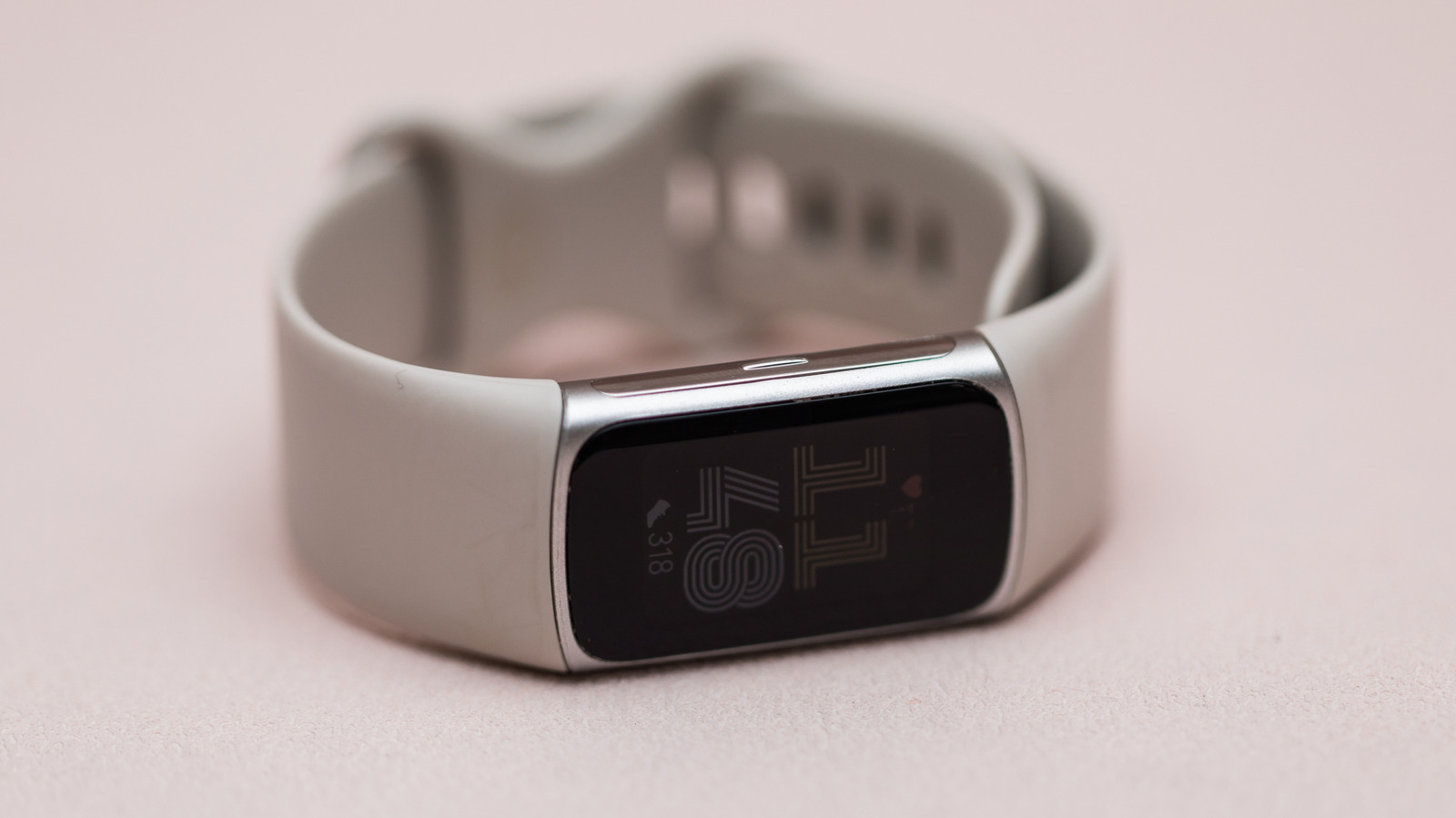
On October 9, 2026, Google Health officially broke cover. Publishing a synchronized teaser across its official Instagram and X accounts, the division shared a high-contrast close-up image showcasing the device’s tactile side button alongside an unmistakable marketing tagline:
"Get an Edge on your health. 10.12.26."
By capitalizing the word "Edge," Google definitively confirmed the device’s moniker, while the accompanying date set expectations for a full product unveiling on October 12.
Supporting Context & Metrics: Hardware, Battery, and Pricing
While Google’s official teaser focused primarily on stylistic minimalism, the collective reporting from industry insiders has painted a remarkably clear picture of what consumers can expect from the hardware specifications and retail positioning of the Fitbit Edge.
Design, Display, and Ergonomics
The Fitbit Edge represents a visual evolution for Google’s fitness band portfolio. Unlike the stripped-down, screenless Fitbit Air—which relies entirely on smartphone tethering and haptic feedback—the Edge features a fully functional, color touchscreen housed within a sleek chassis designed to harmonize with the design language of the Pixel 11 color palette. Furthermore, the inclusion of a physical side button, reminiscent of the popular Fitbit Charge 6 released in 2023, underscores Google’s commitment to user-friendly navigation during physical activities where touchscreen responsiveness can be compromised by moisture or gloves.
Battery Life Benchmarks
One of the most heavily scrutinized metrics for any fitness tracker is its endurance between charges. According to leaks corroborated by Dealabs, the Fitbit Edge is engineered to deliver impressive power efficiency:
- Standard Mode (Always-On Display Disabled): Up to seven days of continuous use on a single charge, making it an ideal companion for multi-day backpacking trips or continuous sleep and wellness tracking without battery anxiety.
- Intensive Mode (Always-On Display Enabled): Approximately two days of battery life, offering a balance between constant visual feedback and longevity.
These figures place the Edge in a competitive position against rival bands from Garmin, Amazfit, and Samsung, bridging the gap between basic pedometers and power-hungry smartwatches.
Pricing Speculation and Regional Variations
Pricing details leaked from European retail channels suggest that the Fitbit Edge will debut at €179 (approximately $200 USD equivalent). However, market analysts urge caution when directly converting currencies for the North American market.
To contextualize this, the budget-oriented Fitbit Air launched at $99 in the United States and €99 in Europe. Given this baseline, domestic pricing for the Fitbit Edge in the US is widely projected to land in the $179 to $180 bracket. This positions the device as a direct mid-tier alternative—significantly more capable than entry-level trackers yet noticeably more affordable than premium smartwatches like the Pixel Watch 5.
Official Statements and Industry Impact
Google’s strategic orchestration of the Fitbit Edge reveal highlights a deliberate effort to shore up its footprint in the dedicated fitness tracker market. For several years, industry analysts questioned whether Google would phase out standalone fitness bands entirely in favor of its unified Pixel Watch ecosystem. However, the introduction of both the Fitbit Air earlier this year and now the Fitbit Edge proves that Google recognizes the enduring demand for lightweight, long-lasting health wearables that do not require daily charging.
Industry observers note that the Edge is poised to serve as a vital funnel for Google’s broader software and service ambitions. With the company actively unifying its health and fitness architecture under the Fitbit brand—and heavily incentivizing adoption through the Google Health Premium subscription tier—hardware like the Fitbit Edge acts as a primary touchpoint for recurring subscription revenue. Features such as advanced sleep scoring, personalized workout recommendations, and deep biometric trend analysis will likely require or heavily leverage Google Health Premium integration, making the Edge both a standalone hardware purchase and a gateway to software services.
Future Outlook: What to Expect on October 12
As the tech world counts down to the official October 12, 2026 reveal, several key questions remain open for confirmation:
- Full Sensor Suite: Will the Edge feature advanced medical-grade sensors, such as an EDA (electrodermal activity) sensor for stress management or an ECG (electrocardiogram) capability, or will it stick to baseline heart rate, SpO2, and skin temperature monitoring?
- Ecosystem Integration: How deeply integrated will the device be with the Pixel 11 and broader Android ecosystem regarding fast pairing, notification management, and localized Google Assistant or Gemini AI health coaching?
- Global Availability: While European and North American pricing and release dates are largely accounted for, what will the rollout schedule look like for Asian-Pacific and Latin American markets?
The Fitbit Edge arrives at a pivotal juncture. As consumers increasingly prioritize preventative health metrics, battery efficiency, and ergonomic comfort over cumbersome smartwatch architectures, Google’s latest wearable appears custom-built to meet those demands. We will bring you full, in-depth coverage and hands-on analysis the moment Google officially pulls back the curtain on October 12.