Executive Overview
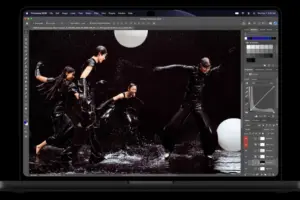
Apple’s recent hardware refresh has set a new benchmark for mobile computing, dominated by the long-awaited introduction of touchscreen functionality to the MacBook Pro line. Yet, while the integration of touch inputs has rightfully captured headlines, a secondary hardware evolution deserves equal—if not greater—scrutiny. Apple has officially retired the Mini LED architecture that previously anchored its professional portable displays in favor of a proprietary, highly sophisticated OLED implementation dubbed "PROLED XDR."
True to Apple’s tradition of inventing grandiose, marketing-centric nomenclature for industry-standard manufacturing processes, "PROLED XDR" sounds at first blush like a classic exercise in corporate hyperbole. However, a rigorous examination of the underlying specifications reveals that the "Pro" designation is not merely a branding exercise. It represents a massive engineering leap forward.
Aimed squarely at high-end content creators, professional photographers, visual effects artists, and video editors, the new MacBook Pro display ecosystem addresses the historical pain points of organic light-emitting diode (OLED) technology—chiefly peak brightness limitations, color drift, and long-term pixel degradation—while preserving the unmatched contrast ratios and true blacks that make OLED panels the gold standard for visual fidelity. By leveraging tandem OLED technology, an advanced proprietary display engine, precision factory calibration, and optional nano-texture glass etching, Apple has engineered what is arguably the most capable, color-accurate laptop display ever produced.
Detailed Chronology
The path to the PROLED XDR display on the MacBook Pro did not happen overnight; it is the culmination of years of iterative display research, supply chain maturation, and cross-platform technology migration.
The Mini LED Era and the Search for Perfection
When Apple transitioned its professional MacBook Pro lineup away from conventional LCD panels toward Mini LED technology, the industry took notice. Mini LED allowed for localized dimming zones that vastly improved contrast and HDR performance compared to standard edge-lit panels. For several years, these Liquid Retina XDR displays served as the backbone for professional mobile workflows.
However, Mini LED had distinct physical limitations. Despite thousands of local dimming zones, blooming (halo artifacts around bright objects on dark backgrounds) remained an unavoidable side effect. Furthermore, the sheer physical stack required for a Mini LED backlight system contributed to heavier, thicker device chassis—a hurdle for a company perpetually obsessed with slimming down its pro hardware without sacrificing performance.
The Tablet Testing Ground: M4 iPad Pro
The foundational architecture for the current PROLED XDR display made its commercial debut not in a laptop, but in Apple’s ultra-thin tablet lineup. With the release of the M4-powered iPad Pro, Apple introduced tandem OLED technology to the mainstream consumer market. By stacking multiple organic emission layers on top of one another, Apple successfully bypassed the traditional brightness constraints that had previously kept OLED off large-scale pro displays.
Engineers realized that tandem OLED solved the historical lifespan and brightness compromises of organic panels. This success served as the green light for the R&D teams in Cupertino to scale the technology up for the thermally demanding, high-workload environment of the MacBook Pro.
The Touchscreen Integration Milestone
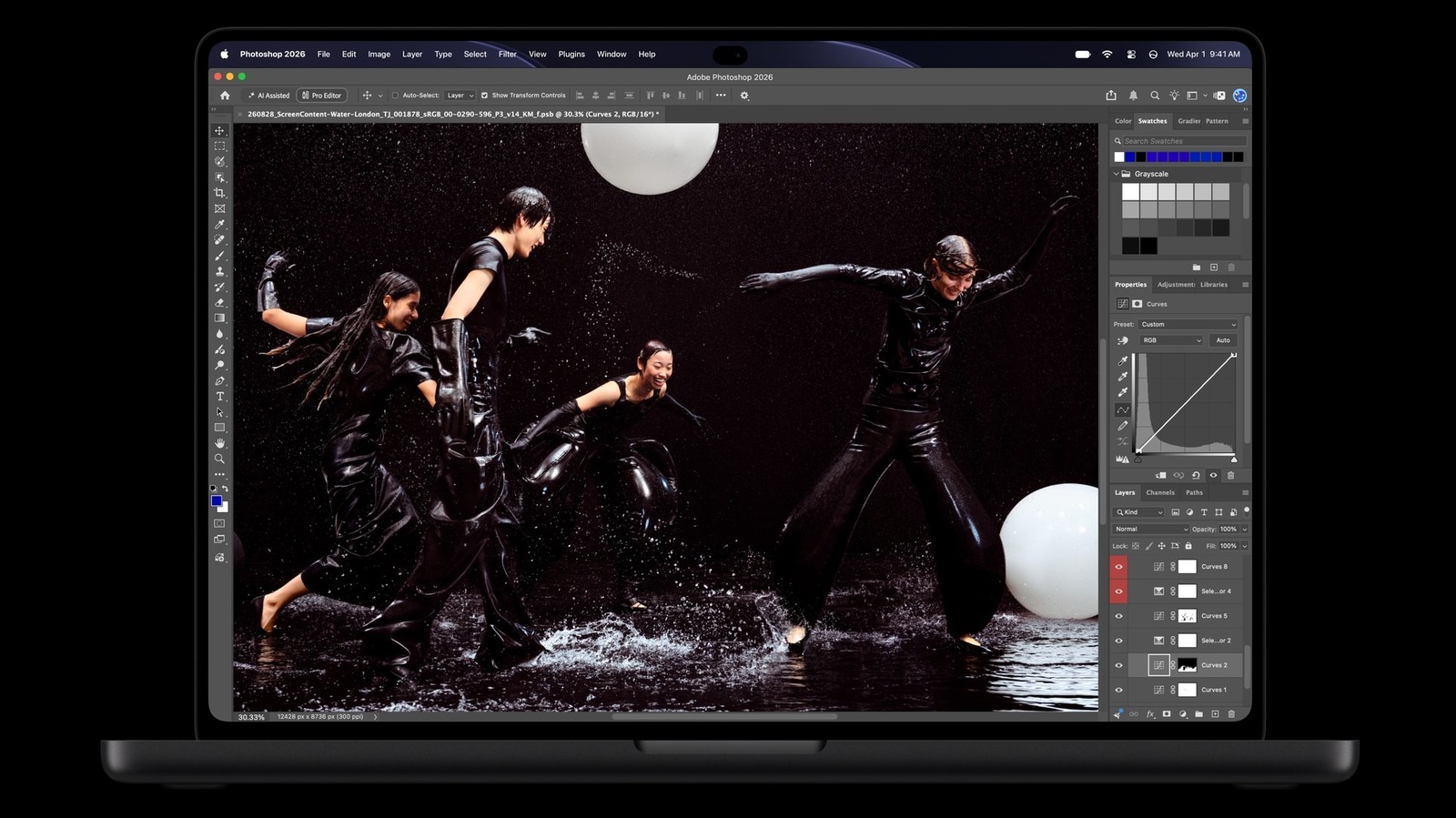
Simultaneously, Apple’s software and hardware divisions were quietly solving a parallel puzzle: how to introduce touch input to macOS without compromising the desktop-class ergonomic experience. Years of ergonomic testing culminated in an integrated touch layer that works seamlessly with the new OLED panel stack.
The resulting hardware debut combines touch interaction with the PROLED XDR display, marking a fundamental philosophical shift in how Apple expects users to interact with its most powerful portable workstations.
Supporting Context & Metrics
To truly understand why the PROLED XDR display commands attention, one must dive deep into the technical specifications and architectural choices that set it apart from standard consumer-grade OLED laptops.
Tandem OLED Architecture
Unlike traditional single-stack OLED panels found in most smartphones and consumer laptops, the PROLED XDR uses a tandem OLED configuration. This involves stacking multiple organic emission layers—typically two distinct layers—into a single unified display panel.
While the display appears to utilize a triangular pixel arrangement rather than a conventional striped RGB layout (a design choice that prioritizes overall panel efficiency and sub-pixel life, though sacrificing absolute text sharpness at microscopic levels), the benefits of the tandem approach are profound:
- Amplified Brightness: Spreading the electrical load across multiple layers allows the display to drive significantly harder without accelerating degradation.
- Extended Lifespan: Because each layer shares the luminous burden, the overall rate of pixel wear is drastically reduced, mitigating the threat of burn-in.
- Enhanced Off-Axis Fidelity: Colors and luminance remain remarkably stable when the screen is viewed from extreme angles.
Brightness and Contrast Benchmarks
Traditional OLED laptops have historically struggled to maintain high full-screen brightness, often capping out around 400 to 600 nits of sustained brightness, which makes outdoor or brightly lit office editing sessions challenging.
The PROLED XDR display shatters these historical boundaries:
- Peak HDR Brightness: Up to 2,000 nits of peak HDR brightness, comfortably surpassing the 1,600-nit peak of the previous Mini LED MacBook Pros.
- Contrast Ratio: An industry-leading 10,000,000:1 contrast ratio, delivering true, ink-black shadows that light-emitting Mini LED backlights simply cannot replicate due to minimal light bleed between zones.
Color Accuracy and Gamut Coverage
For colorists and digital artists, technical specifications are meaningless without verifiable color spaces. Apple’s new panels cover both the P3 (HDR) and Adobe RGB color gamuts, featuring notably wider coverage specifically targeted at the green and cyan ranges—areas where digital sensors often struggle with accurate reproduction.
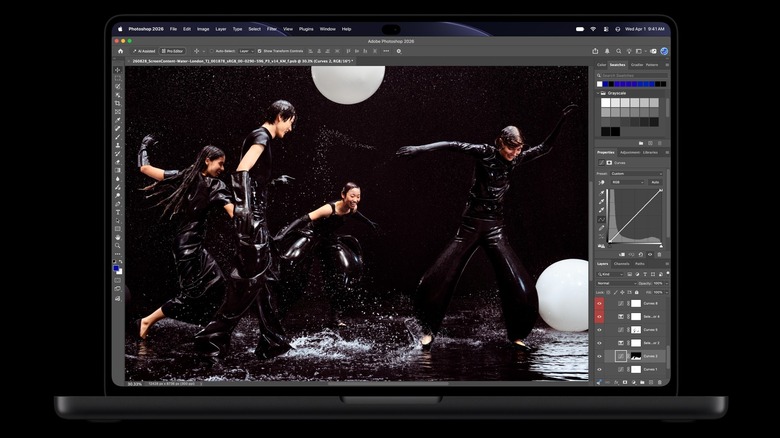
Furthermore, the display covers an impressive 80 percent of the Rec.2020 gamut, providing a critical tool for high-end HDR video editing and professional color grading suites on the go.
Dynamic Pixel Management and Calibration
OLED panels are inherently susceptible to organic pixel aging, where pixels subjected to static user interface elements (like menu bars or timeline headers) degrade faster than others. To combat this, Apple integrated an advanced display engine that controls each pixel’s color and luminance at the sub-millisecond level.
This engine dynamically compensates for:
- Content variations
- Thermal fluctuations
- Environmental lighting changes
- Cumulative pixel age and usage
By tracking individual pixel wear over time, the system automatically redistributes voltage loads to ensure uniform panel longevity and color fidelity across years of heavy creative work.
ProMotion and Nano-Texture Glass
The displays support 120Hz ProMotion, ensuring butter-smooth scrolling, responsive pen/touch input, and high refresh rates for gaming and real-time 3D viewport manipulation.
For professionals working in unpredictable lighting environments—such as on-set digital imaging technicians (DITs) or outdoor photographers—Apple offers a nano-texture glass option. This glass is precisely etched at the nanometer scale directly into the cover glass to scatter ambient light, dramatically reducing glare without sacrificing image contrast or sharpness.
Official Statements
While Apple’s marketing materials naturally lean into the celebratory tone typical of keynote season, company executives and technical briefings emphasize the uncompromising nature of the new hardware.
In internal design disclosures accompanying the launch, Apple engineers highlighted the engineering challenge of bringing desktop-grade color management to a touch-enabled portable form factor:
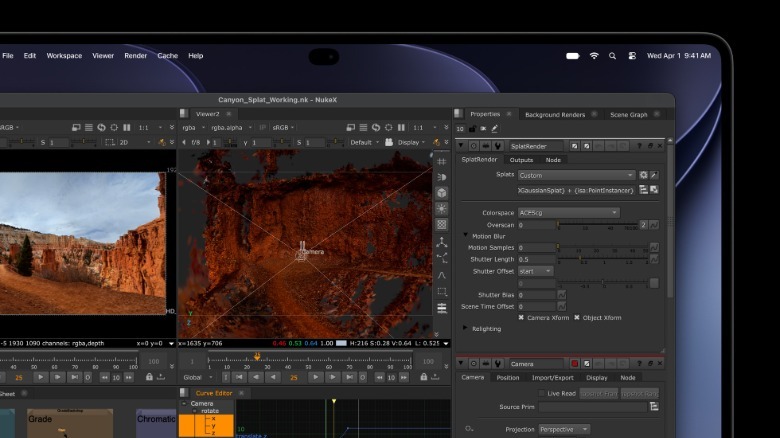
"We didn’t just want to build a brighter screen or add touch support for the sake of a spec sheet. The PROLED XDR display is an integrated system where the hardware, the proprietary display engine, and the operating system work in constant synchronization. For filmmakers, designers, and even medical imaging professionals who require absolute predictability from capture to output, this display eliminates the historical compromises of mobile OLED technology."
Industry analysts note that while the $400 base price premium for these high-end configurations will alienate casual consumers, Apple’s target demographic—working professionals whose livelihoods depend on accurate color reproduction and high-nit performance—will view the cost of entry as a necessary business investment.
Future Outlook
The introduction of the PROLED XDR display and tandem OLED technology to the MacBook Pro signals a watershed moment for the broader display industry.
The Ripple Effect on the PC Market
Just as Apple’s adoption of high-density Retina displays and Mini LED technology forced Windows laptop manufacturers to elevate their hardware standards, the arrival of tandem OLED in pro-tier laptops will accelerate a massive supply chain shift. Competitors like Dell, HP, Lenovo, and Asus will inevitably lean heavily on panel manufacturers (such as Samsung Display and LG Display) to source similar tandem OLED architectures for their own creative workstation lines.
What Comes Next for Apple Silicon and Displays?
Looking further down the road, the technological roadmap points toward even greater integration. As micro-LED technology continues to mature and manufacturing yields improve, future iterations of Apple’s pro displays may eventually combine the infinite contrast of emissive pixels with the inorganic permanence of micro-LEDs.
For now, however, tandem OLED represents the absolute pinnacle of mobile display engineering. By solving the thermal, brightness, and longevity hurdles that once plagued organic panels, Apple has ensured that the MacBook Pro remains the undisputed tool of choice for the world’s most demanding visual creators—proving that beneath the cringy marketing name lies a truly revolutionary piece of engineering.