Executive Overview
In the modern digital landscape, external storage media remains an indispensable tool for data transportation, system backups, and localized storage expansion. Yet, despite the ubiquity of USB flash drives and portable solid-state drives (SSDs), a surprising number of computer users remain unfamiliar with one of the most fundamental maintenance procedures associated with them: formatting.
A widespread misconception persists that formatting a drive is an extreme measure reserved exclusively for wiping away unwanted files when a storage device reaches its capacity. In reality, formatting is a vital maintenance routine. It resets a storage device to a pristine, like-new state, repairs logical corruption, purges latent "ghost files," and mitigates potential security risks such as hidden malware. Furthermore, understanding the nuances of file systems—such as NTFS, exFAT, and FAT32—ensures that your hardware is optimized for your specific cross-platform workflow.
This comprehensive guide explores the mechanics of USB formatting, analyzes the optimal file systems for modern computing environments, and provides a step-by-step walkthrough for Windows users to execute the process safely and efficiently.
Detailed Chronology: The Evolution of USB Storage and Formatting
To fully understand why formatting remains essential today, it helps to examine the historical trajectory of removable storage and how operating systems interact with external drives.
The Era of Legacy Standards (Late 1990s to Early 2000s)
When USB flash drives first began replacing floppy disks and Zip drives around the turn of the millennium, storage capacities were measured in megabytes rather than gigabytes. During this era, the File Allocation Table (FAT) architecture—specifically FAT16 and subsequently FAT32—reigned supreme. These file systems were engineered for simplicity, allowing virtually any computer or peripheral to read and write data seamlessly. However, they carried inherent architectural limitations, most notably a strict 4GB file size ceiling and vulnerability to data fragmentation.
The Rise of High-Capacity Flash and Advanced Operating Systems (2000s to 2010s)
As flash memory evolved and capacities expanded into tens and hundreds of gigabytes, the limitations of FAT32 became glaringly apparent. Users attempting to store high-definition video files, virtual machine images, or large modern software installers frequently encountered error messages stating that the file was "too large for the destination file system."
In response, Microsoft introduced the NTFS (New Technology File System) for internal drives, offering robust security, journaling, and support for massive file sizes. However, NTFS was tightly coupled with Windows, presenting compatibility hurdles for macOS and Linux users. To bridge this gap, Microsoft introduced exFAT (Extended File Allocation Trust) in 2006, designed specifically as a lightweight, high-capacity alternative for flash storage without the heavy overhead of NTFS.
The Modern Paradigm (Present Day)
Today, USB drives arrive from manufacturing plants pre-configured with legacy file systems—predominantly FAT32—to guarantee out-of-the-box compatibility with older televisions, car stereos, and legacy operating systems. Consequently, modern consumers frequently plug brand-new high-speed flash drives into their Windows 11 PCs, completely unaware that the factory default configuration is throttling their drive’s potential, restricting file transfers, and failing to optimize the hardware for modern workloads.
Supporting Context & Metrics: Why Formatting Matters
Formatting a storage drive is far more than a simple "delete all" command. When you execute a format, the operating system performs several critical backend operations:
- Sector Overwriting and Bad Sector Scanning: A standard format scans the storage media for physical or logical degradation (bad sectors). If bad sectors are identified, the file system marks them as unusable, preventing data corruption.
- Eradication of Latent Data and Malware: Simply dragging files to the recycle bin leaves remnants of data lingering in the drive’s free space until they are overwritten. Formatting clears the index tables and resets the allocation units, ensuring previous files cannot be easily recovered by casual forensic tools. Additionally, it wipes out hidden malware vectors that can sometimes piggyback on unauthorized or shared USB devices.
- File System Optimization: Matching the correct file system to your intended use case drastically impacts data transfer speeds, file integrity, and cross-platform compatibility.
Choosing the Right Storage Format for Your Ecosystem
Before initiating a format on a Windows system, you must select the appropriate file system. Your choice will dictate how the drive interacts with your devices.
+------------------+--------------------------+----------------------------+-----------------------------+
| File System      | Best Used For            | Maximum File Size Limit    | Cross-Platform Support      |
+------------------+--------------------------+----------------------------+-----------------------------+
| NTFS             | Windows-only systems,    | Exceedingly large (TB+)    | Windows (Read/Write)        |
|                  | internal drives, gaming  |                            | Mac/Linux (Read-only        |
|                  | libraries                |                            | without third-party tools)  |
+------------------+--------------------------+----------------------------+-----------------------------+
| exFAT            | Cross-platform sharing,  | 16 Exabytes (Practically   | Windows, macOS, Linux,      |
|                  | large files, external    | limitless)                 | Android, iOS                |
|                  | SSDs/thumb drives        |                            |                             |
+------------------+--------------------------+----------------------------+-----------------------------+
| FAT32            | Legacy hardware, car     | 4 Gigabytes                | Universal (Virtually        |
|                  | stereos, older printers  |                            | anything with a USB port)   |
+------------------+--------------------------+----------------------------+-----------------------------+- NTFS (New Technology File System): Ideal if the USB drive will only ever be plugged into Windows computers. It supports advanced features like file permissions, compression, and encryption. However, macOS can only read NTFS drives out of the box; writing to them requires third-party software.
- exFAT (Extended File Allocation Trust): The modern gold standard for portable flash drives. It drops the restrictive 4GB file size limit of FAT32 while maintaining seamless compatibility across Windows, macOS, Linux, and modern mobile operating systems (Android and iOS).
- FAT32: Retained primarily for backward compatibility with older, embedded systems. Unless you are interfacing with a legacy device that explicitly rejects exFAT, FAT32 should generally be avoided for modern computing needs.
Official Guidelines & Expert Recommendations
Industry experts and operating system engineers emphasize that preventive maintenance of storage media extends device lifespan and prevents catastrophic data loss.
According to storage reliability studies, flash memory cells degrade over time based on write cycles. Formatting a drive correctly—particularly by utilizing the quick format versus full format options appropriately—helps manage the allocation table efficiently.
Furthermore, data security compliance frameworks recommend wiping and formatting any removable media before repurposing it for a new user or department. Failing to properly format a drive before disposal or reassignment routinely leads to corporate and personal data leaks.
Future Outlook: The Direction of Portable Storage
As we look toward the future of data storage, the landscape of USB formatting is poised for further evolution. Several emerging trends are reshaping how users interact with portable media:
- Ubiquitous Cloud Integration: With high-speed fiber internet and 5G cellular connectivity becoming standard, the reliance on physical USB drives for day-to-day document transfer is gradually declining, shifting flash drives toward niche roles like localized media streaming, secure cold backups, and offline gaming storage.
- Hardware-Enforced Encryption: Future portable storage solutions increasingly integrate biometric authentication and hardware-level encryption directly into the controller chip, reducing reliance on software-based file system encryption tools.
- The Phasing Out of Legacy File Systems: Operating system developers are continuously modernizing file architectures. While FAT32 remains stubbornly embedded in legacy hardware, newer iterations of Windows and macOS are progressively optimizing exFAT and proprietary high-performance file systems for flash-based media, ensuring faster indexing and reduced wear on NAND flash cells.
Step-by-Step Guide: How to Properly Format a USB Drive on Windows
When you are ready to format your storage drive, the process within Windows is straightforward, provided you follow the correct sequence of steps.
Step 1: Backup Critical Data
Before touching any formatting tools, verify that you have backed up any essential files currently residing on the drive. Formatting destroys all data stored on the partition irrevocably.
Step 2: Connect the Drive and Launch File Explorer
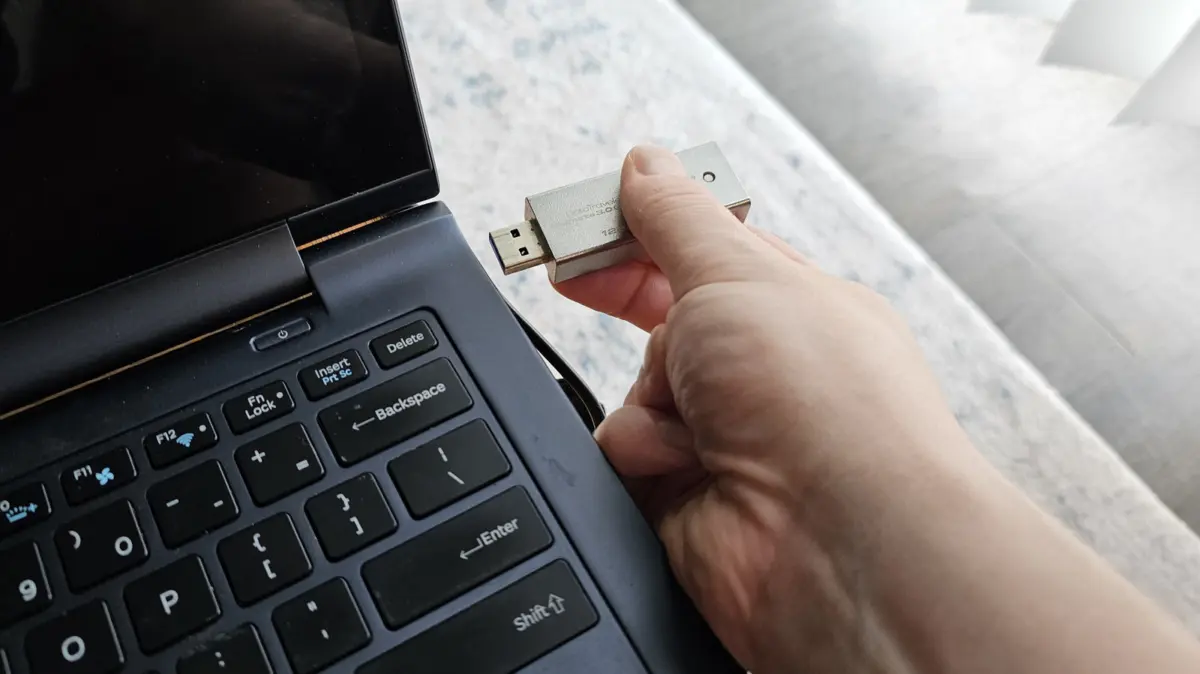
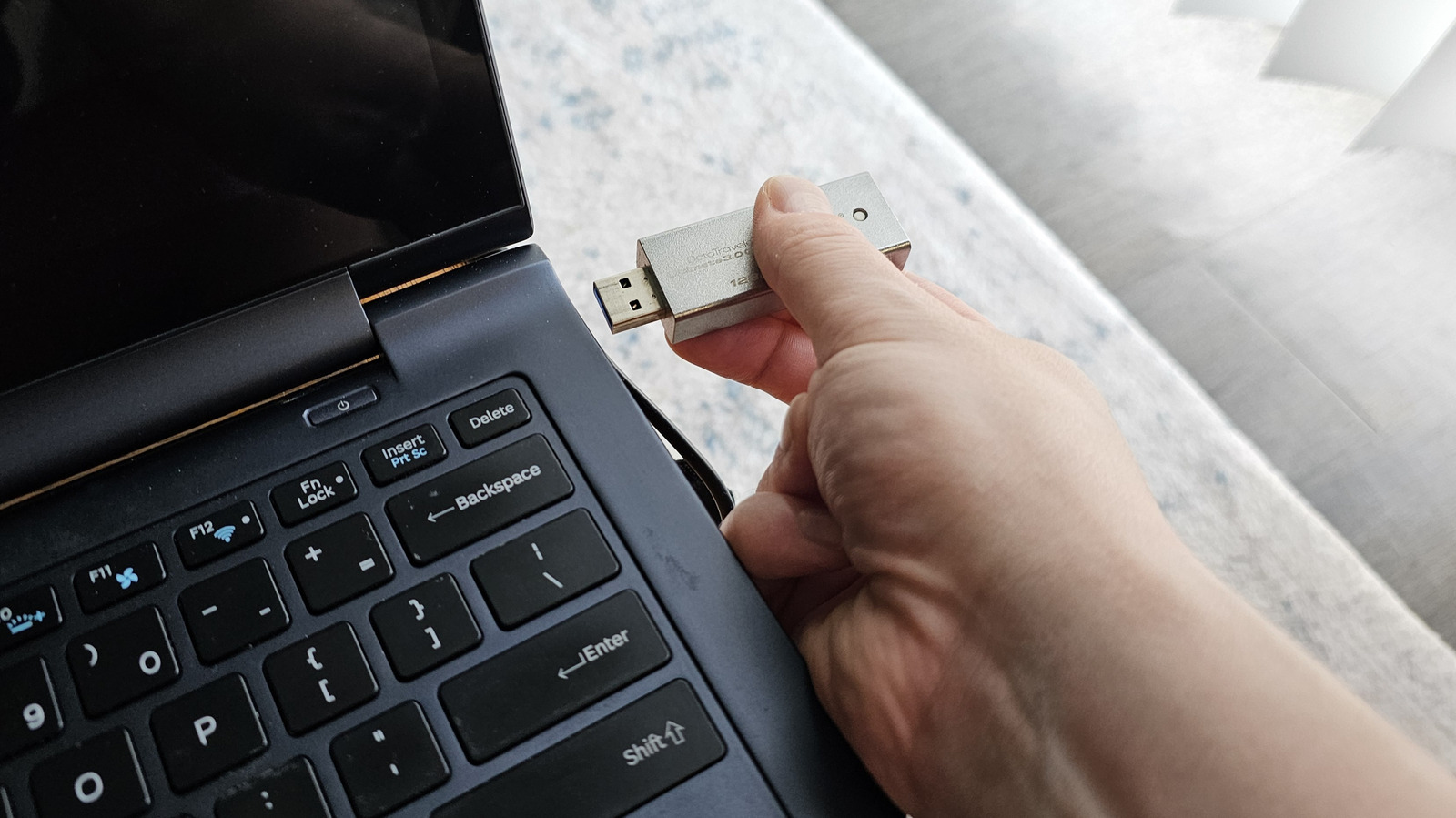
Plug your USB storage device into a high-speed USB port (ideally USB 3.0 or higher for optimal performance). Open File Explorer (shortcut: Windows Key + E), navigate to This PC on the left-hand navigation panel, and locate your USB drive under "Devices and drives."
Step 3: Initiate the Format Utility
Right-click the icon representing your USB drive and select Format from the contextual drop-down menu. Ensure that you have closed any open programs or file explorer windows that might currently be accessing files on that drive.
Step 4: Configure Formatting Parameters
In the format dialogue window that appears, configure the following settings:
- File System: Choose exFAT if you intend to use the drive across multiple operating systems (Mac, Android, Linux). Choose NTFS if the drive will remain exclusively within a Windows ecosystem.
- Allocation Unit Size: For most users, leaving this set to Default Allocation Size (typically 32KB or 128KB for exFAT) is ideal. If you plan to store massive files exclusively (such as uncompressed video archives or disk images), a larger allocation size can marginally improve read/write efficiency. Conversely, storing thousands of tiny text documents benefits from a smaller allocation size.
- Volume Label: Enter a clear, descriptive custom name for your drive so it is easily identifiable in File Explorer.
- Format Options: Ensure Quick Format is checked. A quick format clears the file allocation table instantly. If you suspect your drive has physical sector damage, you can uncheck "Quick Format" to perform a full format, though this will significantly increase the time required to complete the process.
Step 5: Execute and Verify
Click the Start button. Windows will present a warning prompt notifying you that formatting will erase all data on the disk. Click OK to proceed.
Depending on the storage capacity and the type of format selected, the process will take anywhere from a couple of seconds to a few minutes. Once complete, a notification pop-up will confirm success. Close the formatting utility, and your freshly optimized, secure, and clean USB drive is ready for deployment.