Executive Overview: Preparing for the Unpredictable
In an era defined by extreme weather events and an increasingly fragile power grid, the concept of home energy resilience has shifted from a "nice-to-have" luxury to a fundamental necessity. As storm seasons grow more volatile, the anxiety of losing power—and the resulting threat to food safety, home security, and connectivity—is a reality for millions.
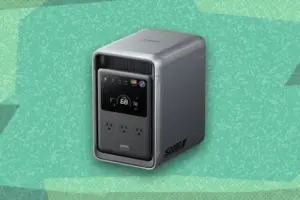
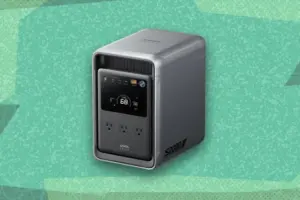
The most effective way to combat this vulnerability is through proactive preparation. Waiting for a blackout to occur before seeking a backup power solution is a strategic error that often leads to panic-buying inferior, overpriced equipment. Currently, a significant market opportunity has emerged: the Anker SOLIX S2000 portable power station is available at a 46% discount, bringing its price down to $649.99 from its original $1,199 retail point. This article examines the technical merits of the S2000, evaluates its long-term reliability, and explains why this specific discount represents a critical window for household disaster readiness.
Detailed Chronology: The Evolution of Portable Power
The evolution of portable power stations has moved rapidly from bulky, lead-acid generators that required gasoline and emitted dangerous fumes, to sophisticated lithium-iron-phosphate (LiFePO4) systems. The Anker SOLIX series represents the current pinnacle of this transition.
The Shift Toward LiFePO4
Historically, portable power was limited by the degradation of battery chemistry. Early models often lost significant capacity after only a few hundred cycles. The S2000, however, utilizes advanced battery technology designed for longevity. With a rated lifespan of 10,000 charge cycles, the unit is engineered to last for roughly 15 years of daily use.
Why Timing Matters: Avoiding the "Emergency Premium"
Market data consistently shows that the cost of backup power hardware spikes during peak storm months. By securing hardware during the "off-season" or during major retail promotional events, consumers can hedge against the supply-chain shortages and price gouging that occur in the wake of natural disasters. The current $550 savings on the S2000 is not merely a discount; it is a significant buffer that allows households to invest in additional accessories—such as solar panels—without exceeding their original budget.
Supporting Context & Metrics: Decoding the S2000’s Performance
To understand the utility of the Anker SOLIX S2000, one must look beyond the marketing aesthetics and focus on raw, measurable metrics. Despite its compact footprint—measuring 8.2 x 11.1 x 12.7 inches and weighing 36 pounds—the unit packs a robust 2,010 Wh (watt-hour) capacity.
Powering the Essentials
The true test of a power station is its ability to handle the "intermittent load" of essential household appliances. According to Anker, the S2000 can sustain an average refrigerator for up to 35 hours. This is a critical metric for families, as it prevents the catastrophic loss of food supplies during a multi-day outage.
Efficiency Under Load
Independent testing, including an "excellent" rating from PCMag, highlights the unit’s sophisticated power management. Many power stations suffer from significant "idle drain"—wasting energy simply by keeping their internal electronics active. The S2000 stands out for its high efficiency, delivering an unusually high percentage of its rated capacity while managing the fluctuating energy demands of routers, medical devices, and kitchen appliances.

Interface and Ecosystem
The user experience is supported by:
- Connectivity: Two AC outlets on the rear and three on the front, providing ample room for multi-device setups.
- Peripheral Support: Two USB-C ports, one USB-A port, and a dedicated solar input.
- Software: The proprietary Anker app is widely considered among the best in the industry, offering real-time telemetry on battery health, input/output wattage, and remote management features that are essential when a user cannot physically interact with the unit.
Official Statements and Industry Standards
While the manufacturer provides the technical specifications, the industry consensus on the SOLIX line focuses on its "InfiniPower" longevity. The emphasis on 10,000 cycles addresses the primary consumer concern regarding portable power: the fear that the battery will become "bricked" or useless after a few years of storage.
Industry analysts suggest that the standard for consumer electronics is changing. Where previous generations of gadgets were treated as disposable, the S2000 is being marketed as a "durable good." This shift toward longevity is likely a response to the growing environmental concerns regarding lithium waste, as well as a realization that consumers are increasingly looking for "buy it for life" (BIFL) utility in their tech investments.
Future Outlook: The Role of Decentralized Power
As we look toward 2027 and beyond, the trend toward decentralized energy—where the home serves as its own micro-grid—is expected to accelerate. We are moving toward a future where "power outages" are viewed as manageable inconveniences rather than life-altering events.
The Sustainability Factor
The S2000 is designed to work in tandem with solar arrays. This is the final piece of the puzzle for true energy independence. By purchasing the base unit now at a significant discount, consumers are essentially purchasing the "brain" and "heart" of a home energy system. Adding solar panels in the future allows the unit to recharge indefinitely, free from the reliance on grid-based electricity or the logistical nightmare of storing gasoline.
Strategic Recommendations
- Inventory Assessment: Before purchasing, calculate the wattage requirements of your most critical devices (fridge, CPAP machine, internet modem, mobile charging).
- Strategic Storage: Keep your power station in a climate-controlled environment. While the S2000 is rugged, extreme heat and freezing temperatures remain the primary enemies of all lithium-based battery systems.
- Routine Maintenance: Even if you do not face a power outage, it is a best practice to drain and recharge your unit once every six months to keep the battery management system (BMS) calibrated and healthy.
Final Verdict
The combination of a 46% price reduction, the unit’s high-density capacity, and its 15-year life expectancy makes the Anker SOLIX S2000 one of the most compelling tech deals currently on the market. In the world of disaster preparedness, the cost of being "too late" is always higher than the cost of being "well-equipped." For those who have been waiting for a reason to build out their emergency kit, the current pricing on the S2000 removes the primary barrier to entry.
Disclaimer: Deal pricing and availability are subject to change. This article contains affiliate links; Lifehacker may earn a commission on purchases made through these links.