
Executive Overview
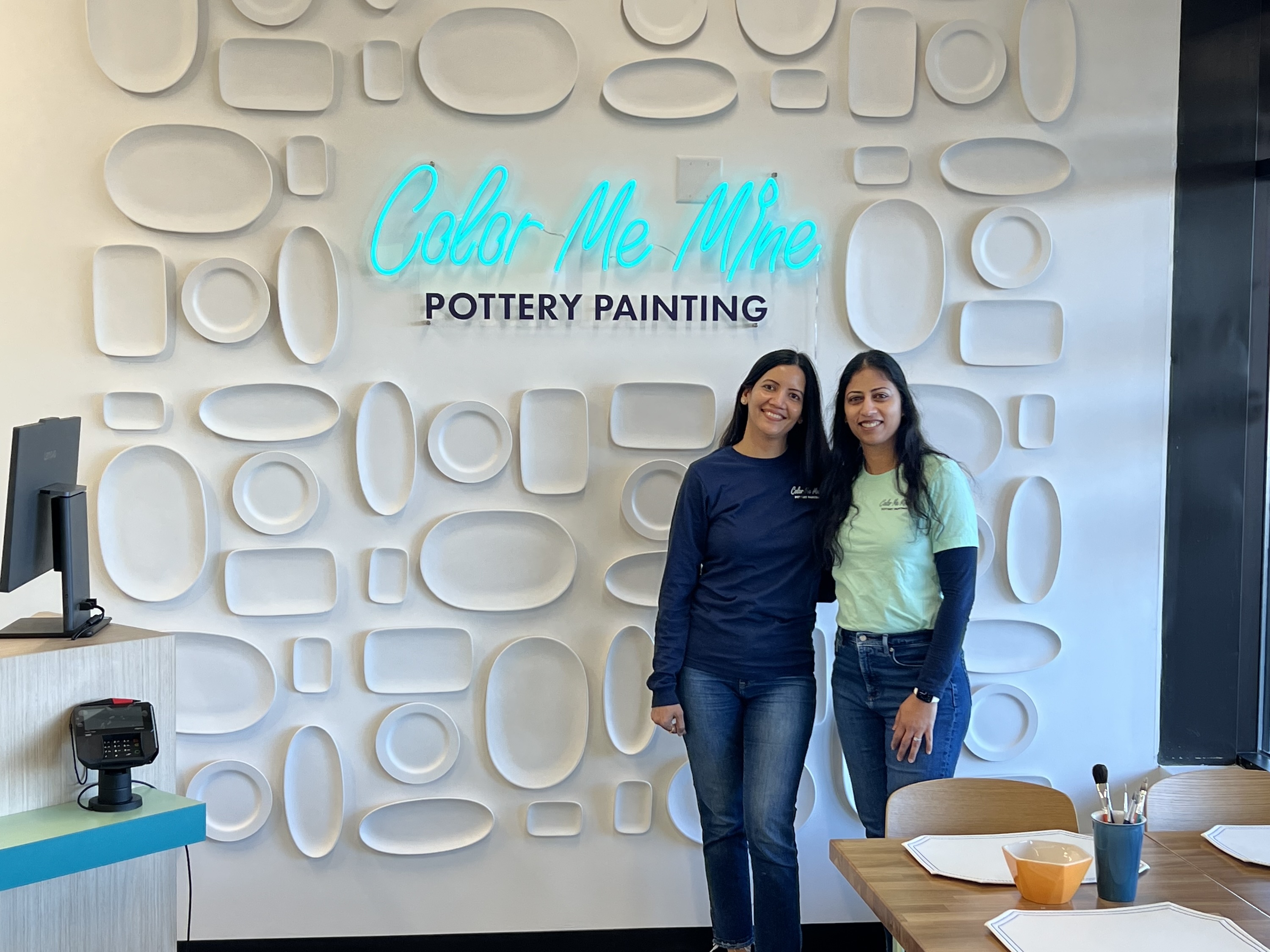
In an era where retail landscapes are increasingly dominated by digital commerce and automated interactions, physical spaces that foster genuine human connection are experiencing a quiet renaissance. Nowhere is this more evident than in Edina, Minnesota, where longtime friends Antima Jain and Pooja Choudhary have carved out a thriving corner of community through their pottery-painting studio, Color Me Mine.
What began as a chance meeting at a local gathering eleven years ago has blossomed into a flourishing entrepreneurial partnership. Pooling their personal resources to invest roughly $300,000, Jain and Choudhary officially opened the doors to their franchise location in March 2025. Today, the studio is far more than a commercial venture; it has established itself as an experiential anchor in the Twin Cities suburb, driving strong revenues, ranking among the brand’s top performers nationwide, and weaving itself into the personal milestones of its patrons—including everything from high-stakes marriage proposals to community fundraisers.
This comprehensive report examines the trajectory of Jain and Choudhary’s entrepreneurial journey: from their individual immigration stories and the meticulous process of choosing a franchise model, to the day-to-day realities of managing staff, navigating operational hurdles, and preserving a foundational friendship while scaling a business.
Detailed Chronology: The Making of an Edina Landmark
A Foundational Connection
The narrative of Color Me Mine Edina begins long before the first piece of bisque was glazed and fired. More than a decade ago, Antima Jain and Pooja Choudhary crossed paths at a social gathering in Minnesota through a mutual acquaintance. Both women had immigrated to the United States from India—Jain arriving initially in 2003 and settling permanently in 2012, and Choudhary relocating following her marriage.
Living a mere three-minute drive apart, the two women found they shared remarkably parallel life stages. Both were raising children, managing household transitions, and harboring a deep-seated passion for creative projects. As their children grew older and more independent, the informal playdates and neighborhood chats naturally evolved into broader strategic discussions about the future.
Conceptualizing the Business
By 2023, both founders felt the timing was right to re-enter the professional sphere on their own terms. Driven by a desire to build something meaningful, they began evaluating various business concepts. Their search ultimately led them to a nearby Color Me Mine studio.
The immediate impression was transformative. Captivated by the clean aesthetic, the vibrant yet calming atmosphere, and the structured business model, Jain and Choudhary realized they had found their niche. In late 2023 and early 2024, they initiated the formal franchising process, utilizing a territory granted by the franchisor and collaborating with local real estate professionals to secure a prime retail space in Edina surrounded by vibrant shopping districts and local parks.
Launch and Early Milestones
Financing the venture entirely through personal funds rather than commercial debt, the duo committed approximately $300,000 to bring the studio to life. In March 2025, Color Me Mine Edina held its grand opening.
Almost immediately, the studio began generating memorable moments that validated the founders’ vision. A few months into operations, a customer entered the studio with a meticulously planned proposal strategy. Rather than sticking to the standard seven-day turnaround window for glazing and firing, Jain and Choudhary expedited the processing of a custom jewelry tray inscribed with the words, "Will you marry me?" The proposal was successful, and the couple later returned to share their save-the-date card—a testament to the deep, personal impact the studio was already making within the Edina community.
Supporting Context & Metrics: The Mechanics of Franchise Success
Why Franchising?
For first-time business owners, stepping into independent retail carries substantial risk. Jain and Choudhary readily acknowledge that navigating the operational complexities of a brick-and-mortar storefront independently would have been an intimidating prospect.
Choosing a franchise model provided a strategic hybrid: the independence of local small business ownership backed by the operational framework, brand recognition, and ongoing support of an established corporate entity. From standardized point-of-sale systems to national marketing infrastructure, the franchise framework allowed the founders to focus their energy on customer experience, local marketing, and community engagement rather than reinventing the wheel.
Financial and Customer Acquisition Strategy
Operating on a self-funded capital expenditure in the low-$300,000 range required acute financial discipline. To drive steady foot traffic and maximize return customer rates, the co-owners deployed a multifaceted hyper-local marketing strategy:
- Chamber of Commerce Integration: Active participation in local business networks to build institutional trust.
- Event Marketing: Direct involvement in regional art festivals, alongside specialized promotions tailored for Mother’s Day and Father’s Day.
- Retention Incentives: Distributing discount cards directly attached to finished pottery pieces, encouraging patrons to return within a 30-day window.
- Philanthropic Partnerships: Donating to regional charities and participating actively in local school fundraising programs to deepen community roots.
These concerted efforts quickly yielded tangible results. Color Me Mine Edina rapidly climbed the franchise’s national sales rankings, securing a spot in the top 25 systemwide and peaking at sixth place nationwide for a monthly performance metric.
Official Statements & Founder Interviews
To understand the interpersonal dynamics driving Color Me Mine Edina, Entrepreneur sat down with Antima Jain and Pooja Choudhary for an exclusive interview. Below are key excerpts regarding their backgrounds, operational philosophies, and partnership pacts.
On Their Immigrant Backgrounds and Transition to Entrepreneurship
Antima Jain: "I first came to the United States in 2003 because of my husband’s work project. We went back and forth between India and the U.S. a few times, and then we came here in 2012 and have been here since. I have a bachelor’s degree in commerce from India. I taught preschool there, and here I worked at Kumon part-time while my kids were growing up. Now they’re both in college, so this seemed like the perfect time to get into something we would enjoy."
Pooja Choudhary: "My husband was already here when we got married, and I moved to the United States afterward. I finished my master’s in electrical engineering. We lived in different states before coming to Minnesota around the same time Antima did. I have an investment property business on the side, which I still continue. I have two girls: one in high school and one finishing middle school."
On the Realities of Daily Operations and Staffing
While the front-of-house experience appears serene to customers, the backend operations demand rigorous hands-on management.
Pooja Choudhary: "It’s busy. We don’t currently have a full-time manager, so we handle staffing ourselves. Sometimes we’re both at the studio; sometimes we alternate days. There’s also glazing, payroll, social media, the calendar, and other online work. Every day, something needs attention."
Antima Jain: "Hiring [surprised us the most]. I never thought keeping a full staff would be such a challenge. It’s a constant process of hiring and rehiring because most of our employees work part-time. We give opportunities to high school and college students, and their education always comes first."
On Protecting the Partnership
Recognizing that business ventures can easily strain personal relationships, Jain and Choudhary established a foundational rule before signing their lease: Friendship comes first.
Pooja Choudhary: "We knew things would happen because we were new to this. We agreed to keep an open dialogue and talk if something wasn’t working. We’re doing this because we’re friends. If we weren’t going to stay friends, there would be no point in having the business together."
Antima Jain: "We’re like sisters. There will be disagreements; we can’t always agree. But I wouldn’t have chosen anyone else to do this business with. If I open another studio, I’ll do it with Pooja."
Future Outlook and Strategic Goals
As Color Me Mine Edina moves beyond its initial launch phase, the founders are looking toward long-term expansion and operational refinement. Having successfully established a loyal customer base and proven the economic viability of their Edina storefront, Jain and Choudhary have set ambitious targets for the future:
- National Ranking Ascent: While the studio has consistently maintained a position within the brand’s top 25 and touched the top six, the primary corporate milestone remains cracking the elite top five nationwide sales tier on a sustained basis.
- Multi-Unit Expansion: Buoyed by the success of their inaugural location, both founders have expressed a strong desire to scale their footprint by opening additional Color Me Mine franchise studios within the region.
- Operational Optimization: Refining staffing pipelines and streamlining internal workflows to reduce administrative friction, allowing the co-owners to dedicate more time to community outreach and strategic growth initiatives.
Conclusion
The story of Antima Jain and Pooja Choudhary transcends the traditional parameters of small business reporting. It is a testament to the power of cross-cultural friendship, meticulous planning, and an unwavering commitment to customer experience. By turning a shared creative outlet into a thriving commercial hub, these two immigrant entrepreneurs have not only built a financially sound enterprise—they have successfully built a permanent space for connection in the heart of Minnesota.