Executive Overview
For the past decade and a half, Search Engine Optimization (SEO) has stood uncontested as the single most profitable digital acquisition channel by a wide margin. While digital marketers have debated the nuances—and the systemic flaws—of last-click attribution until the cows come home, executive leadership has consistently flooded search budgets with capital. It was the ultimate "money channel."
However, that era of low-friction, high-reward traffic is effectively over. Modern audience journeys have evolved into complex, fragmented webs that stretch far beyond a simple search bar, taking some of the undeniable shine off traditional search strategies.
At the same time, the open web faces an unprecedented existential threat: a deluge of artificial intelligence-generated "slop." With roughly a third of all web pages published since the advent of ChatGPT exhibiting markers of AI authorship, according to recent Pew Research Center data, Google is grappling with a severe quality crisis.

This maturation of search algorithms, combined with the rise of AI-driven content mills, signals a tectonic shift for digital marketers. To succeed today, you cannot simply build a brand through search; you must already have a brand before you can successfully crack the search code. SEO is no longer a standalone strategy—it is merely one component of a much larger, multichannel marketing ecosystem.
Detailed Chronology: The Algorithm Shifts That Rewrote the Web
To understand how we arrived at this pivotal crossroad, we must examine the recent algorithmic milestones that forever changed the rules of engagement.
The Helpful Content Update (HCU) and the Niche Site Purge
Google’s Helpful Content Update (HCU) sent shockwaves through the publishing industry, ruthlessly penalizing sites built entirely for search engines rather than human audiences. Small-scale content and price-comparison sites—often engineered by brilliant SEO technicians who lacked a broader brand footprint—were systematically dismantled.

The rationale from Google’s perspective was clear: the tech giant cannot allow SEOs to rule the web if it wants to foster a true user-loyalty ecosystem. The HCU was a calculated attempt to purge purely transactional, SEO-first properties.
The collateral damage, however, was severe. Independent review sites felt the brunt of this shift. For example, HouseFresh—an independent air-quality review site relying strictly on first-hand, expert product testing—saw its search traffic plummet by over 90%, crashing from more than 4,000 daily visitors in September 2023 to a meager 200 by early 2024. According to HouseFresh, subsequent algorithm rollouts finished the job, occasionally pushing spam-laden Reddit threads and outdated Quora posts above meticulously researched product evaluations.
Similar fates befell other independent publishers. Retro Dodo lost 85% of its organic traffic during a similar window, while Reddit experienced a meteoric 190% surge in visibility, catalyzed in part by data-licensing partnerships with Google. Whether by design or default, Google increasingly favored massive, resilient brands and platforms housing user-generated peer reviews over niche, independent domain experts.

The Velvet Glove: Tackling Site Reputation Abuse
While algorithmic updates wielded an iron fist against smaller sites, Google’s handling of "Site Reputation Abuse" took a more measured, surgical approach. Instead of broad, sitewide demotions, Google utilized manual actions to surgically remove specific subfolders—particularly those housing lucrative voucher codes and betting affiliate partnerships—from major publisher domains.
While this approach protected major media brands that contribute heavily to Google’s broader advertising ecosystem, it occasionally diminished the immediate quality of search results, surfacing mismatched content in high-intent commercial queries. Nevertheless, the underlying message was unambiguous: parasitic SEO tactics disguised as authoritative publishing days are numbered.
Supporting Context & Metrics: The State of Modern Discovery
Despite the profound friction facing traditional publishers, Google remains the world’s largest active discovery engine. Clickstream data indicates that the overwhelming majority of user journeys—even those heavily influenced by AI tools—intersect with Google at some point, particularly as consumers approach the point of purchase.

Consider the statistical reality of modern search behavior:
- The Non-Navigational Majority: According to recent analyses, roughly 86% of Google clicks go to a site the searcher did not explicitly name in their query. Only 14% are strictly navigational. Across the more than 5 trillion searches Google processes annually, this represents an immense commercial opportunity.
- The Age Demographic Divide: Discovery habits vary dramatically by generation. Data indicates that 48% of 18-to-24-year-olds prefer to watch (32%) or listen (16%) to online content, while 42% prefer to read. Among those aged 55 and older, the exact opposite is true.
- Zero-Click Realities: Approximately 52.3% of searches by 18-to-24-year-olds terminate without a click, compared to 42.7% for the 55-64 demographic. Furthermore, older cohorts are significantly more likely to engage with traditional search advertisements than younger digital natives.
Official Statements and Strategic Pivots
Google has long possessed more granular data regarding human internet interaction than any other entity on earth. Consequently, the tech giant’s pivot toward social proof, creator-led content, and user loyalty is not accidental—it is entirely by design.
Google executives have explicitly stated their intention to integrate social platforms directly into discovery mechanisms. As noted in official Google communications regarding updates to the Discover feed:

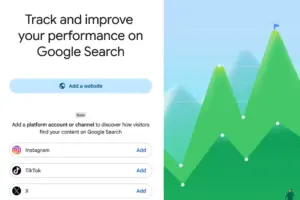
"Discover will make it easier to ‘find, follow and engage with creators.’ X, Instagram, and YouTube Shorts are already in, with ‘more platforms to come’."
By prioritizing content from platforms like YouTube and X over traditional publisher text, Google is actively shifting its algorithmic trust signals away from institutional mastheads and toward individual human creators. In Search Console, the inclusion of performance metrics for social video content underscores this philosophy: Google’s algorithm evaluates trust, and human beings naturally place their trust in other people, not faceless corporate entities.
Future Outlook: How Marketers and SEOs Must Adapt
As we look toward the future of digital discovery, survival requires shedding outdated optimization playbooks. SEO is no longer a tactical silo; it is inextricably linked to brand equity, multi-channel distribution, and holistic marketing.

Here is how modern marketers must adapt to thrive in this new paradigm:
1. Shift from Performance SEO to Demand SEO
You can no longer rely entirely on Google to locate your audience for you. Brands must construct robust direct and branded traffic channels, cultivate strong engagement metrics, and establish third-party validation that corroborates their authenticity. The ultimate manifestation of E-E-A-T (Experience, Expertise, Authoritativeness, and Trustworthiness) is comprehensive, cross-platform social proof.
2. Move Beyond Last-Click Attribution
The customer journey has fractured into a complex, multi-touch ecosystem. Relying on last-click attribution falsely crowns SEO as the sole hero while robbing top- and middle-of-funnel channels of their true value. Marketers must measure incremental uplift—tracking how audience activity, brand searches, and conversions shift over weeks and months following targeted campaigns.

3. Embrace Multimodal Content and Creator Partnerships
Because younger audiences lean heavily toward video, audio, and social-first platforms, static text is no longer sufficient to capture broad market share. Brands must forge strategic partnerships with individual creators, bridging the gap between corporate authority and peer-to-peer human trust.
4. Treat Publishing as the Beginning of the Lifecycle
The era of publishing content and waiting passively for search engines to drive traffic is dead. Marketers must master purposeful content distribution—utilizing frameworks like the "Golden Hour" rule to force early engagement spikes and build sustainable distribution systems that compound over time.
Conclusion: Becoming Better Marketers
SEO is not dead, but it is no longer enough on its own. To remain valuable in an AI-saturated landscape, professionals must evolve into comprehensive marketers. Understand your audience, diversify your distribution channels, measure true incremental impact, and build habits—not just transactional search sessions. The golden age of "traffic for old rope" may be gone, but for those willing to embrace true marketing fundamentals, the future of discovery has never been more exciting.