Executive Overview: A New Frontier in Synthetic Biology
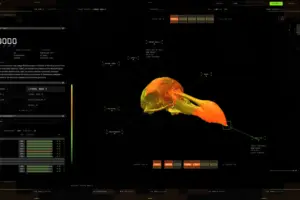
In a landmark development for the field of de-extinction, Colossal Biosciences has unveiled a proprietary artificial intelligence platform designed to bridge the chasm between fragmented ancient DNA and the successful restoration of lost species. Dubbed GenoMorph, this advanced computational engine leverages 3D morphology, comparative genomics, and developmental biology to navigate the "genetic darkness" that has historically stifled efforts to bring back species like the dodo.
For years, the dream of "de-extinction"—the process of using genetic engineering to recreate animals that have long since vanished—was hampered by the degradation of ancient biological material. Unlike the woolly mammoth, which benefited from the preservation qualities of permafrost, the dodo’s DNA, left to decay in tropical climates, is notoriously incomplete. GenoMorph acts as an analytical compass, enabling Colossal’s scientists to identify critical genetic switches without needing a complete, pristine genome. This innovation marks a paradigm shift: we are moving from the era of "reading" extinct DNA to the era of "predicting and programming" biological traits.
Detailed Chronology: The Path to GenoMorph
The development of GenoMorph represents over a year of intensive R&D, building upon the foundational work Colossal has conducted since its inception. The chronology of this breakthrough is rooted in the company’s broader strategy of synthesizing "programmable biology."
1. Data Aggregation (The Foundation)
To train an AI capable of understanding the developmental blueprints of an extinct bird, the Colossal team synthesized vast datasets. They compiled developmental information from extant avian species—specifically chickens, quail, ducks, and pigeons—and cross-referenced this with 3D skull measurements and genetic data from over 70 distinct bird species. By training the model on the "active" DNA regions that dictate beak and facial structure, the AI learned to recognize the architectural logic of avian development.
2. The "Treasure Map" Phase
Once trained, the AI was directed toward the dodo’s limited genetic data. In contrast to the mammoth project, where researchers have access to approximately 100 genomes, the dodo project has had to rely on a single, incomplete sequence. GenoMorph serves as a "treasure map," filtering out the noise of thousands of genetic variations to highlight the specific sequences responsible for the dodo’s iconic, bulbous beak and cranial structure.
3. The Current Milestone: 2,300 Targets
As of this week, Colossal has successfully identified approximately 2,300 promising DNA-editing targets. These represent the specific genetic markers that, if correctly modified in a living cell, could potentially re-express the physical traits associated with the dodo. The company is now moving into the validation phase, where these targets will be tested in the lab to confirm that they function as predicted.
Supporting Context & Metrics: Solving the Bottleneck
The primary hurdle in de-extinction has never been the ability to edit DNA, but rather the ability to determine which edits matter. Genetic material is a complex code; without the context of developmental history, scientists risk making "blind" edits that fail to result in the desired morphology.
The Problem of Scale and Time
Traditional methods of validating gene expression involve waiting for an organism to reach sexual maturity, a process that can take years or even decades depending on the species. To bypass this, Colossal has introduced a revolutionary delivery system: lipid nanoparticles. These microscopic carriers deliver gene-editing tools directly into developing avian embryos.
By observing how these embryos respond to targeted edits in real-time, the team can verify the impact of their modifications during the embryonic stage. This dramatically reduces the research timeline, allowing for rapid iteration—a necessity when dealing with the complexities of extinct physiology.
The Nicobar Pigeon Connection
A critical pillar of the dodo project is the Nicobar pigeon, the dodo’s closest living relative. Colossal has confirmed that their colony now boasts 36 birds, with the successful isolation and creation of primordial germ cells—the essential precursors to eggs and sperm. These cells act as the "blank canvas" upon which the dodo’s edited genetic information will be inscribed. This convergence of technologies—AI predictive modeling, advanced CRISPR-based editing, and specialized cell culture—is what separates current efforts from the theoretical experiments of the past decade.

Official Statements: The Moral and Technical Mandate
The announcement of GenoMorph has sparked a broader conversation regarding the ethics of synthetic biology. Colossal CEO and co-founder Ben Lamm has been vocal about the company’s stance, arguing that humanity has a "moral obligation" to leverage these tools to repair the ecological damage wrought by anthropogenic extinction.
"Normally, scientists can compare many genomes to understand which genetic differences are responsible for certain traits," Lamm told TechCrunch. "We don’t have that luxury with ancient DNA from extinct species… [GenoMorph] helps our team find only the genetic differences that matter."
When pressed on the safety and precision of these interventions, Lamm emphasized that GenoMorph is a tool for informed decision-making, not a black-box generator for arbitrary mutation. "Identifying a potential edit doesn’t mean we immediately introduce it into an animal or assume it’s safe," Lamm noted. "The more precisely we can identify and validate these changes, the more informed our decisions become throughout the process."
The company’s approach is defined by iterative testing. By isolating the genetic switches that control specific physical traits, the researchers gain granular control over the developmental process, minimizing the risk of off-target effects and ensuring that the resulting organisms are biologically viable and robust.
Future Outlook: The NeoGenesis Effect
The implications of GenoMorph extend far beyond the dodo. The platform is designed to be "species-agnostic," meaning its utility could eventually be applied to any number of extinct or endangered species. This modularity has already drawn significant attention from the venture capital world.
Peter Diamandis, the visionary behind the XPRIZE Foundation and an early investor in Colossal, recently announced the formation of NeoGenesis Capital. This new VC firm is explicitly focused on backing companies that utilize Colossal’s programmable biology platform. The formation of NeoGenesis signifies a shift in market sentiment: de-extinction and synthetic biology are no longer viewed as purely academic or "science fiction" pursuits. They are now seen as a foundational technology layer with applications in health, agriculture, and global biodiversity conservation.
The Path Ahead
The next 12 to 24 months will be decisive for Colossal. The company’s ability to move from "predicted" targets to "expressed" traits in the lab will determine the viability of its ambitious timelines. If the team can successfully demonstrate that the 2,300 targets identified by GenoMorph produce the anticipated dodo-like morphology in embryonic models, it will be the most significant milestone in the history of synthetic biology.
As the lines between digital intelligence and organic life continue to blur, the work being done in Colossal’s labs serves as a microcosm for the future of our planet. Whether through the restoration of keystone species or the preservation of existing ones, the marriage of AI and genomics is providing the tools to move from a role of passive witnesses to our ecosystem’s decline, to active participants in its recovery.
We are not merely "playing God," as the old trope suggests; we are engaging in the painstaking, analytical, and necessary work of correcting the record of natural history. The dodo, an icon of human-caused extinction, may one day return—not as a ghost, but as a living testament to the power of human ingenuity.