Executive Overview
The announcement of any major literary adaptation is inevitably met with a mixture of eager anticipation and protective skepticism. However, when Netflix and visionary auteur Greta Gerwig pulled back the curtain on their upcoming cinematic venture into C.S. Lewis’s beloved universe—beginning with The Chronicles of Narnia: The Magician’s Nephew—they did not merely drop a trailer; they dropped a cultural lightning rod.
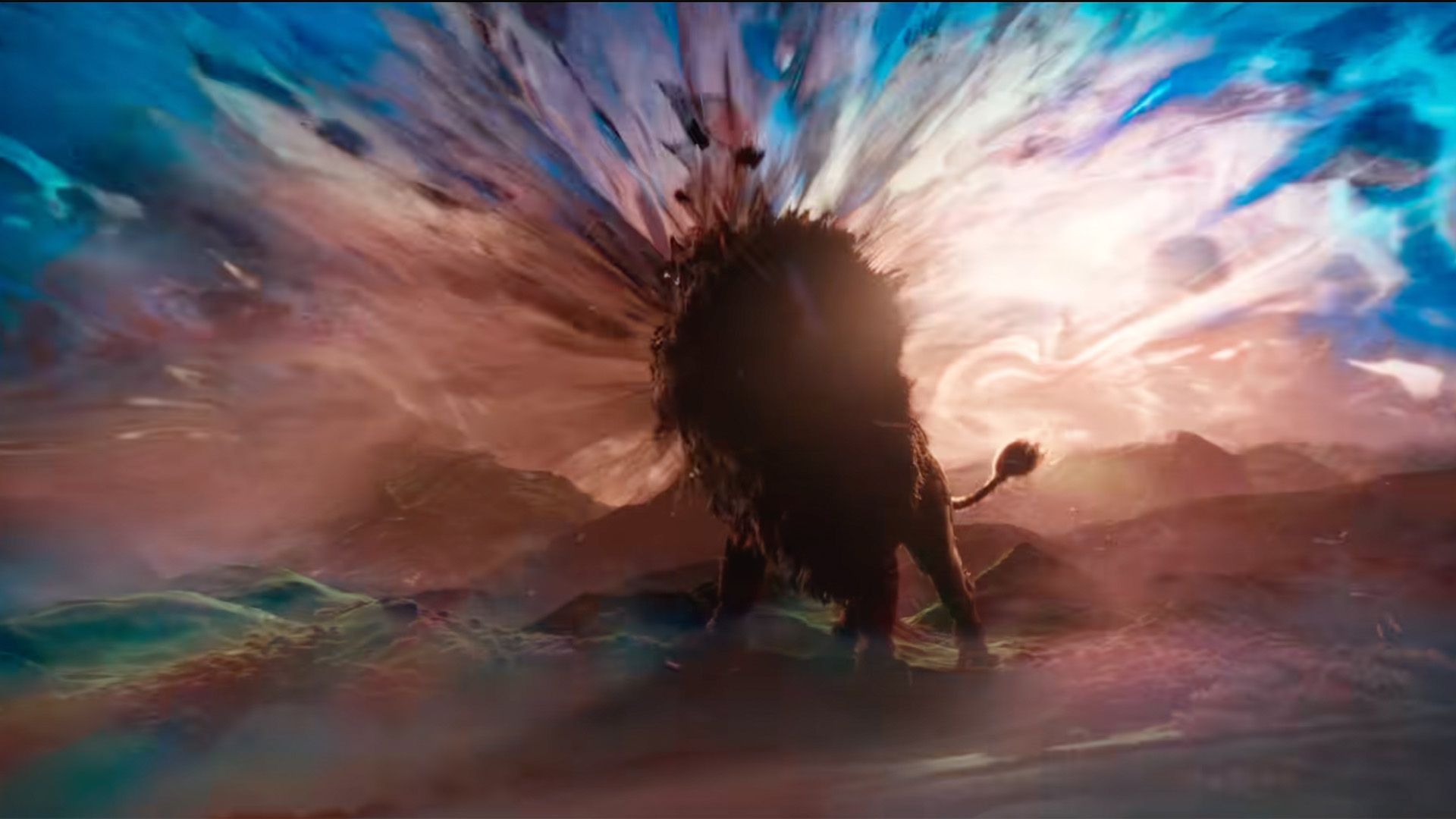
At the center of the unfolding firestorm is the character design of Aslan, the majestic and spiritually laden lion who serves as the bedrock of the entire Narnia mythology. Rather than opting for the hyper-realistic, physical-animal CGI approach popularized by Disney and Walden Media in their 2005 adaptation of The Lion, the Witch and the Wardrobe, Gerwig and her visual effects team have embraced a radically abstract, transcendental aesthetic. In the newly released promotional footage, Aslan prowls out of a primordial void as a living constellation of stars—a cosmic entity whose mighty, universe-birthing roar echoes the origins of creation itself.
This bold artistic pivot has cleaved the fan base and the design community right down the middle. To purists, the departure from a literal, tangible lion feels like an unnecessary subversion of Lewis’s deeply rooted theological metaphors and textual specificities. Conversely, champions of the design argue that Gerwig’s cosmic manifestation injects a much-needed sense of mythic scale, wonder, and modern artistry into a franchise at risk of creative stagnation. This report provides an in-depth examination of the controversy, dissecting the visual choices, the theological and narrative ramifications, public sentiment, and what this high-stakes design gamble means for the future of franchise filmmaking.
Detailed Chronology: From Page to Screen to Controversy
To understand the weight of the current debate, one must trace the timeline of how The Chronicles of Narnia has been translated across media, and how Netflix’s adaptation has evolved from a distant rumor into a flashpoint of modern internet discourse.
1. The Literary Foundation (1950–1956)
C.S. Lewis published the seven books comprising The Chronicles of Narnia between 1950 and 1956. The Magician’s Nephew, though published sixth in the series, functions as the chronological prequel, detailing the creation of Narnia. In the text, Aslan does not roar Narnia into physical being through raw destructive energy; rather, he walks across the dark, silent void and sings the world into existence. The transition of this act from a melodic, harmonious incantation to a explosive, cosmic roar has become one of the primary points of contention for literary traditionalists.
2. The 2005 Cinematic Standard
For millions of modern fans, the definitive visual representation of Aslan remains tied to the 2005 film The Lion, the Witch and the Wardrobe, directed by Andrew Adamson. Utilizing state-of-the-art CGI spearheaded by visual effects powerhouses like Rhythm & Hues, that version of Aslan was grounded, textured, and deeply literal. He looked, moved, and felt like a massive, real-world lion endowed with divine wisdom. This tangible realism set an expectation that subsequent adaptations would follow a similar path of visual fidelity.
3. The Netflix Acquisition and Greta Gerwig’s Appointment
In late 2018, Netflix announced a landmark multi-year deal with The C.S. Lewis Company to develop series and film projects across the entire Narnia canon. For years, development remained largely quiet, sending the fandom into speculative spirals. The landscape shifted dramatically when Netflix tapped Greta Gerwig—fresh off her massive global success with Barbie—to write and direct at least two films in the new Narnia slate, signaling that the streamer intended to spare no expense in attracting top-tier auteur talent.
4. The Teaser Drop and Public Outcry
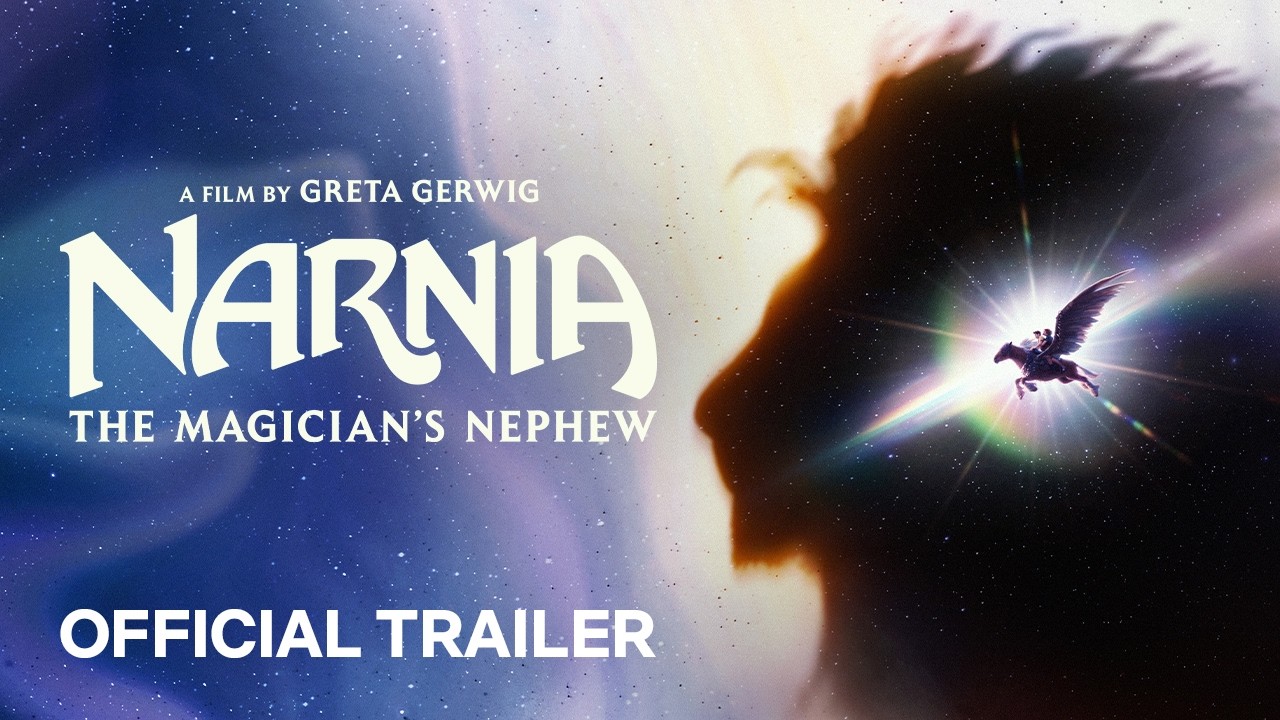
The release of the official teaser trailer and promotional poster for The Magician’s Nephew shattered years of quiet anticipation. Showcasing the starry, constellation-based silhouette of Aslan against a pearly, ethereal backdrop, the footage immediately went viral. Within hours, social media platforms like X (formerly Twitter), Reddit, and specialized art forums were flooded with fervent reactions, sparking a fierce debate over character design integrity, AI art accusations, and the boundaries of creative interpretation in classic adaptations.
Supporting Context & Metrics: Analyzing the Design Backlash
The friction surrounding Aslan’s new look is not merely a surface-level disagreement over aesthetics; it highlights a broader philosophical war within modern fandom culture regarding how classic intellectual properties should be modernized.
The Visual Anatomy of the New Aslan
In the teaser footage, Aslan’s physical form is fluid and porous. Instead of a golden mane of fur, his outline is mapped by stellar cartography, glowing amber light, and swirling nebulas. From a design perspective, this choice seeks to emphasize Aslan’s status as a cosmic, divine deity rather than a mere animal king. However, this abstraction has invited intense scrutiny.
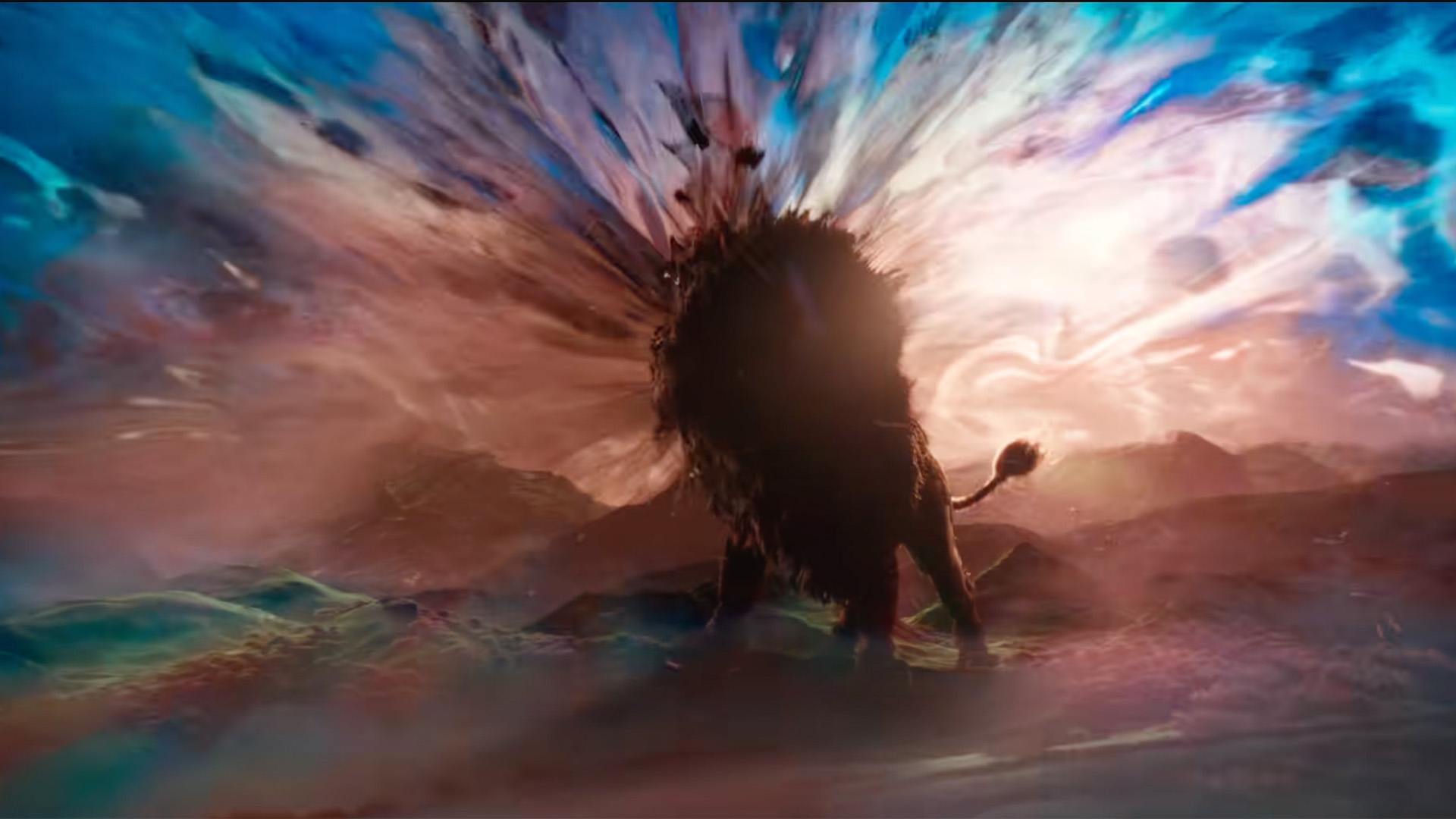
[Traditional Adaptation Approach]             [Gerwig's Modernized Approach]
Literal CGI Lion (Fur, Muscle, Weight)  vs.   Cosmic Constellation / Nebula Entity
Grounded in Physical Reality                  Grounded in Metaphorical & Abstract Art
Matches 2005 Cinematic Nostalgia              Aims for Transcendental, Mythic Scale
Public Sentiment and Social Media Metrics
Quantifying the digital response reveals a polarized ecosystem:
- The Skeptics (approx. 55% of initial discourse): Many critics on social media have compared the visual style unfavorably to commercial advertisements or generic computer-generated imagery. Comments such as "Looks like an LG TV commercial" and accusations mimicking AI-generated graphics dominated early comment sections. Purists argue that rendering Aslan as a mass of stars strips away the intimate, tactile connection the characters in the books share with the lion.
- The Defenders and Auteurists (approx. 45% of initial discourse): Conversely, defenders of the design praise Gerwig for taking an ambitious risk. Art directors and character design enthusiasts have noted that a literal lion would feel redundant after the 2005 films. By leaning into an abstract, divine representation, Gerwig elevates Aslan from a talking beast into a literal force of the cosmos, aligning more closely with high-concept fantasy art than traditional children’s film tropes.
The Theological and Textual Debate
A significant pillar of the backlash concerns C.S. Lewis’s original thematic intentions. Lewis, an Oxford scholar and Christian apologist, explicitly designed Aslan as an allegorical figure representing Christ.
Critics argue that framing the creation of Narnia through an explosive, universe-building event that mirrors secular scientific theories (such as the Big Bang) undercuts the creationist and theological undertones of the source material. Furthermore, the textual divergence—where Aslan sings Narnia into life versus roaring it into existence—has been cited by literary traditionalists as proof that the production team is prioritizing cinematic spectacle over fidelity to Lewis’s prose.
Official Statements & Industry Perspectives
While Netflix and Greta Gerwig have largely allowed the teaser materials to speak for themselves, industry insiders and creative professionals have weighed in on the broader implications of the design choice.
Character design specialists emphasize that updating iconic characters for modern audiences is fraught with peril. When a character is as culturally and emotionally freighted as Aslan, any deviation from the collective memory of the audience is bound to trigger cognitive dissonance.
"When you redesign a character that has a twenty-year cinematic legacy attached to it, you are fighting two things: the text itself and the nostalgia of the viewer," notes one prominent concept artist tracking the production. "Gerwig isn’t trying to recreate 2005; she is attempting to visualize the metaphysical awe that C.S. Lewis described on the printed page. Whether that succeeds universally or alienates the old guard will depend entirely on how the character functions within the emotional core of the narrative."
Furthermore, design critics have pointed out the cleverness of the accompanying marketing campaign. The teaser poster—featuring the silhouette of Aslan’s head in profile, filled with pulsing stars and edged in amber light—has slowly won over skeptics who initially feared a cheap, uninspired CGI spectacle. The poster bridges the gap between traditional animal silhouettes and the cosmic abstraction seen in motion, offering a masterclass in modern promotional design.
Future Outlook: What Lies Ahead for the Narnia Franchise?
As the release date for The Chronicles of Narnia: The Magician’s Nephew draws closer, the stakes for Netflix could not be higher. The streaming giant has invested heavily in building a cohesive cinematic universe capable of rivaling other major fantasy properties.
Key Milestones and Questions to Watch:
- Full-Length Trailer Releases: How will Aslan look in motion during extended narrative sequences? Will the cosmic star-form remain constant, or will he take on a more grounded physical form as he interacts directly with Digory Kirke and Polly Plummer?
- Audience Reception Post-Release: Will the initial shock of the character design fade once viewers experience the film’s broader tonal and emotional context under Gerwig’s direction?
- The Franchise Blueprint: As Netflix plots subsequent films covering other books in the series, the reception of The Magician’s Nephew will dictate whether future installments lean further into avant-garde artistic interpretations or pivot back toward traditional, literal adaptations.
Ultimately, Greta Gerwig’s bold vision for Aslan proves that character design is never neutral. It is an active storytelling tool capable of provoking outrage, inspiring awe, and redefining how a timeless classic is perceived by a brand-new generation. Whether history judges this cosmic lion as a visionary masterstroke or a miscalculated gamble, one thing is certain: nobody is indifferent to the roar.