
Executive Overview
For creative professionals, developers, and local AI engineers searching for the ultimate desktop workstation, Apple’s latest release offers a definitive answer. The 2026 iteration of the Apple Mac Studio, powered by the formidable M5 Max chip, delivers staggering computational capabilities wrapped in an iconic, ultra-compact aluminium chassis.
Astonishingly powerful, deceptively small, and priced reasonably relative to its staggering output (provided you exercise restraint with the RAM upgrades), this machine obliterates heavy creative workloads and localized artificial intelligence tasks with effortless grace. In fact, its performance is so dominant that it begs an inevitable question: Where does this leave the traditional Mac Pro?

While Apple does offer an even more potent M5 Ultra variant for enterprise environments requiring exhaustive multi-chip processing, the M5 Max configuration strikes the sweet spot for the vast majority of high-end users. Whether you are chewing through uncompressed 8K video timelines, compiling massive software builds, or striving to break personal records for layers and filters within complex Photoshop and Cinema 4D documents, this machine handles the strain without breaking a sweat.
Detailed Chronology and Technical Evolution
To understand the engineering achievement of the 2026 Mac Studio, it helps to contextualize its lineage. Ever since Apple introduced its proprietary silicon strategy, the desktop tier has undergone a rapid, calculated evolution.

- The Genesis (2022): Apple launched the original Mac Studio to bridge the massive gap between the consumer-focused Mac mini and the modular, high-end Mac Pro. Featuring the M1 Max and M1 Ultra chips, it proved that high-performance desktop computing no longer required a cavernous tower case.
- The Intermediary Iterations (2024–2025): Successive updates with M2 and M4 architectures steadily refined power efficiency, thermal dissipation, and I/O speeds, bringing Thunderbolt 5 and enhanced neural engines into the fold.
- The Pinnacle (2026): The arrival of the M5 Max marks a major architectural leap. Rather than reinventing the exterior casing—which remains the familiar, beautifully machined aluminum monolith we have known for years—Apple has focused entirely on internal silicon alchemy.
The M5 Max CPU packed inside our review unit features an 18-core architecture (six super cores and 12 performance cores), paired with a massive 40-core integrated GPU and a 16-core Neural Engine. Backed by 128GB of LPDDR5 memory and a lightning-fast 4TB SSD, this configuration represents a watershed moment for desktop workstations.
Supporting Context & Metrics: Hardware, Features, and Benchmarks
Key Specifications
| Specification | Details |
|---|---|
| CPU | Apple M5 Max (18-core: 6 Super cores, 12 Performance cores) |
| NPU | 16-core Neural Engine |
| Graphics | Integrated, 40 cores |
| Memory | 128GB LPDDR5 (Upgradeable up to 512GB) |
| Storage | 4TB SSD, integrated SD card slot |
| Ports | 4x Thunderbolt 5, 2x USB-A, 2x USB-C, 1x HDMI, 1x 10Gb Ethernet, 1x 3.5mm audio jack |
| Wireless Connectivity | Wi-Fi 7, Bluetooth 6 |
| Dimensions & Weight | 95 x 197 x 197mm / 2.7kg |
Design and Build Quality
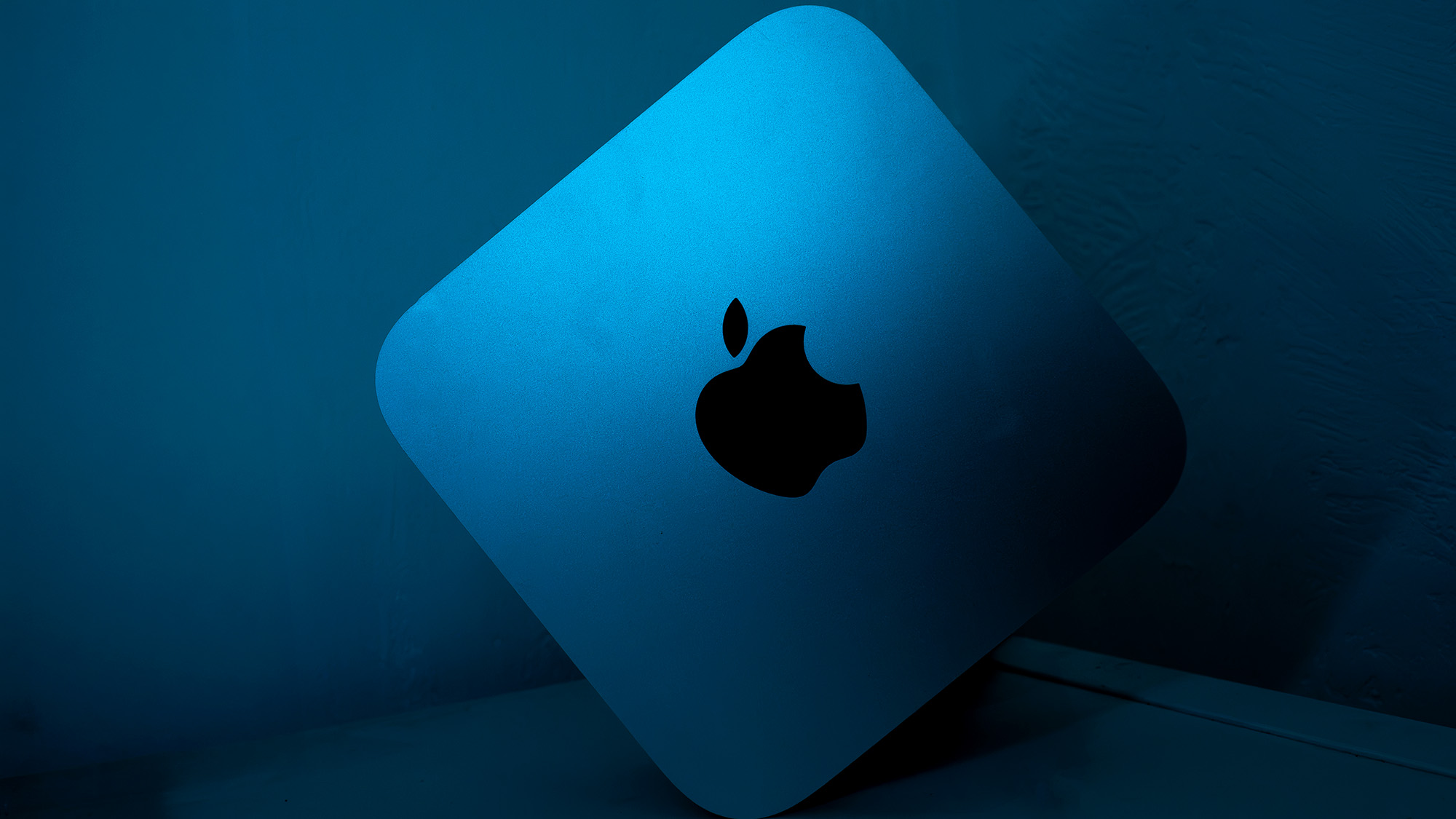
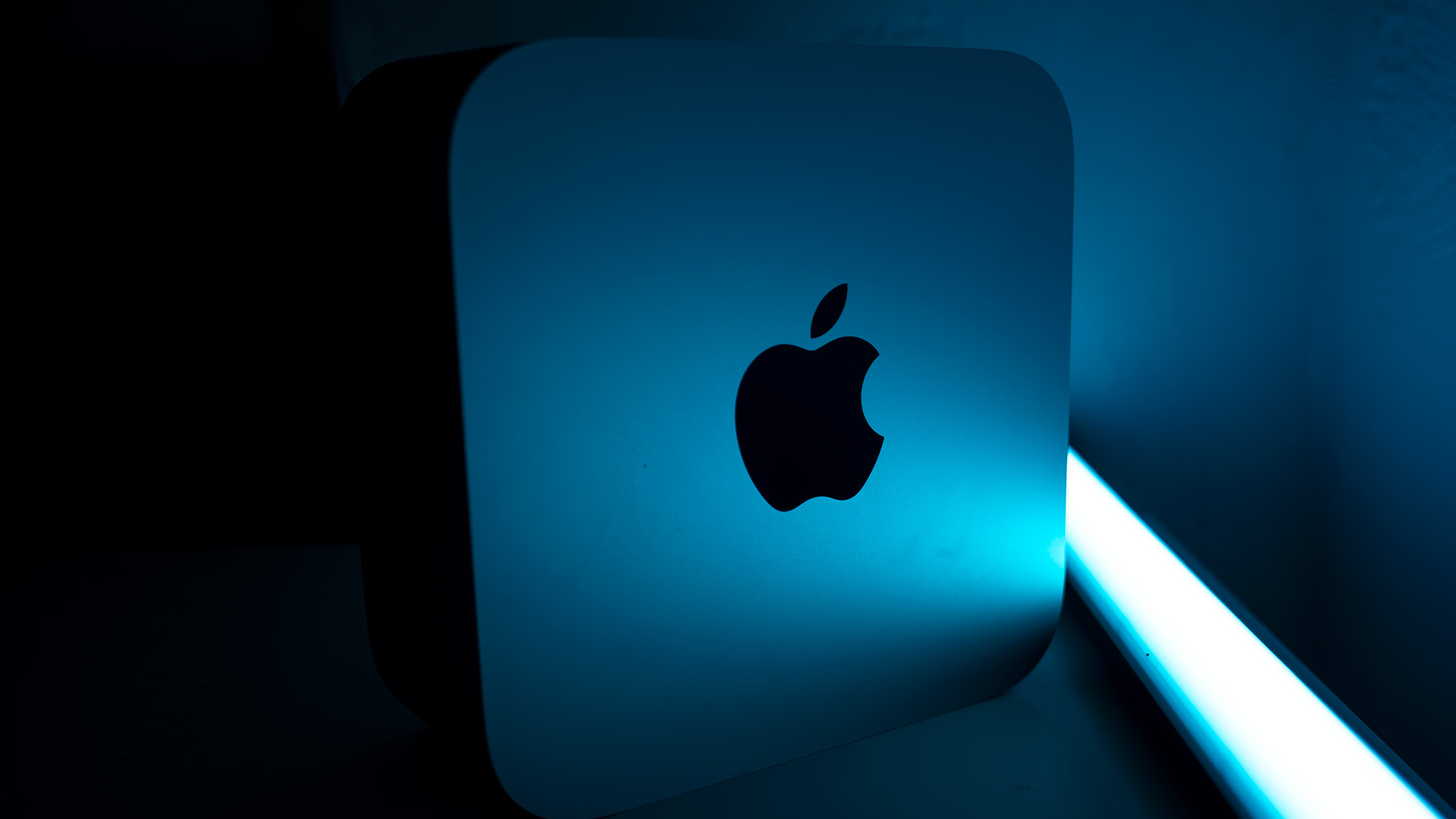
Unboxing any Apple product remains a tactile masterclass in premium packaging, but the Mac Studio itself is where the true industrial design brilliance shines. Retaining the exact footprint of its predecessors, it looks like a Mac mini viewed under a magnifying glass—albeit with a much heavier, sturdier stance.

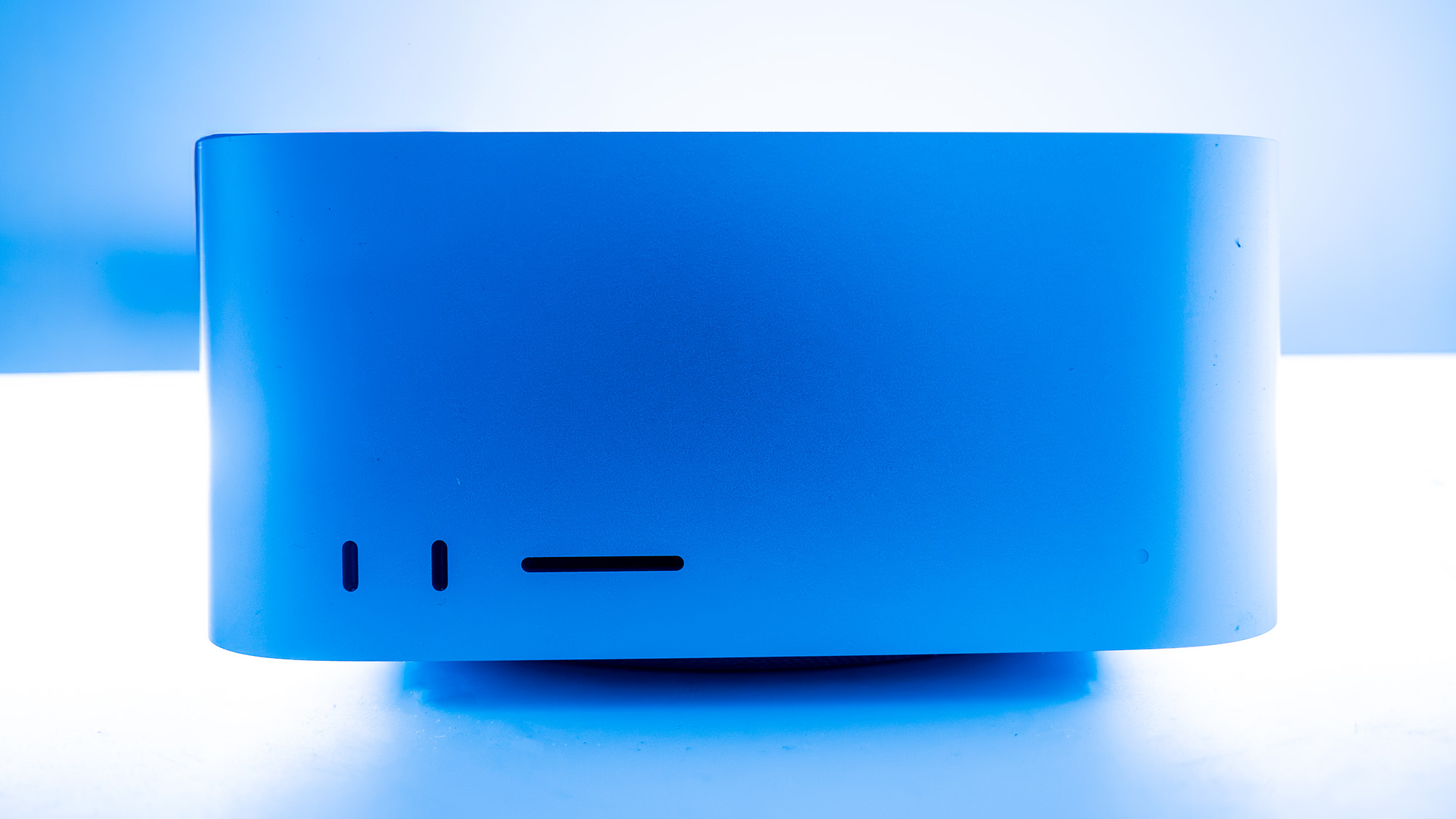
Importantly, Apple has avoided the design quirks that occasionally frustrate users on smaller form-factor devices. The power button is neatly positioned on the back yet easily reachable without having to blindly rotate the machine. The front panel features a bright, functional power indicator alongside easily accessible USB-C ports and an SD card slot. For those fortunate enough to own an Apple Studio Display, the desktop anchors itself to the base of the monitor as though they were forged from a single block of ideas.
Comprehensive Benchmark Scores
To evaluate the 2026 Mac Studio objectively, our testing lab put the machine through a grueling suite of standardized industry benchmarks:

- Geekbench 6: The M5 Max comfortably secures the top spot across both single-core and multi-core evaluations, widening the performance chasm between Apple Silicon and competitors like the Snapdragon X2 Elite. In multi-core rendering, it outperforms rival gaming laptops equipped with top-tier Intel Core Ultra processors by nearly 3,000 points.
- Cinebench 2024: This machine makes history by becoming the first CPU to shatter the 200-point barrier in the single-core test—a metric where a score of 100 was once considered elite.
- Graphics & Gaming: The 40-core integrated GPU performs remarkably well, trailing a full-sized desktop NVIDIA GeForce RTX 5070 Ti by a mere 4.2% in Cinebench 2026. For off-hours entertainment, Cyberpunk 2077 runs at a silky-smooth 60 FPS in 4K resolution with ray-tracing ultra presets enabled, provided you leverage MetalFX upscaling and AMD FSR frame generation. Drop the resolution to 1440p, and frame rates soar to 89 FPS.
- Creative Applications: In Adobe Premiere Pro and Photoshop, the Mac Studio leaves competing portable and desktop systems in the dust. PugetBench scores confirm that the desktop’s thermal headroom allows the M5 Max to outpace its MacBook Pro sibling by roughly 6% on identical tasks.
Official Statements and Industry Impact
Apple’s messaging around the 2026 Mac Studio heavily emphasizes its artificial intelligence capabilities, positioning the machine as an uncompromising local engine for open-weight machine learning models. Apple claims the M5 Max delivers up to 3.9x faster AI performance than the prior generation and 4.3x the peak AI compute performance of an M3 Ultra.
Furthermore, Apple’s hardware ecosystem encourages clustering. By utilizing high-bandwidth Thunderbolt 5 ports, advanced developers can daisy-chain multiple Mac Studios together. According to company specifications, a cluster of four Mac Studios can deliver up to 3x faster AI inference than a single standalone system, providing a modular alternative to expensive enterprise rack servers.
Alongside hardware updates, Apple has shifted its proprietary creative application ecosystem toward the Creator Studio subscription model. Combining Final Cut Pro, Logic Pro, Pixelmator Pro, and ancillary tools under a unified monthly fee rather than a prohibitive upfront cost, this move aims to make professional-grade software more accessible to independent creators and boutique studios.
Future Outlook: Who Is It For?
With a starting price of £2,499 / $2,499 for the base M5 Max (16-core CPU, 36GB RAM, 512GB storage) and scaling up to £6,899 / $6,899 for our comprehensively upgraded review unit, the Mac Studio is undeniably a significant financial investment.
Buy it if:
- You are a video editor, 3D animator, or music producer who demands uncompromised, whisper-quiet desktop performance.
- You are a developer or data scientist who needs to run frontier-class open-weight AI models locally with massive memory bandwidth.
- You appreciate desk space efficiency without sacrificing heavy-duty I/O connectivity like Thunderbolt 5 and 10Gb Ethernet.
Don’t buy it if:
- Your daily workflow consists primarily of web browsing, word processing, and light media consumption—in which case a Mac mini or standard MacBook Air is more than sufficient.
- You require a fully modular, component-swappable PC tower that allows for aftermarket graphics card replacements and CPU upgrades.
Alternative Considerations
For those weighing their options in the high-end desktop market, consider the following alternatives:
- Apple MacBook Pro (M5 Max): For users who need desktop-class workstation performance on the move.
- HP OMEN 35L (2026): A gaming-focused desktop featuring AMD Ryzen and NVIDIA GeForce hardware that doubles as a powerhouse for Windows-centric creatives.
- HP Z2 Mini (G1a): A compact enterprise workstation designed to rival the Mac Studio with robust security integration and professional FX capabilities.
Final Verdict
The 2026 Apple Mac Studio with the M5 Max chip is a masterclass in hardware engineering. It takes the heavy lifting historically reserved for massive, noisy server towers and packs it into a compact aluminum footprint that fits effortlessly on any desk. While it commands a premium price tag—particularly when configuring higher tiers of RAM and storage—its blistering performance, comprehensive port selection, and silent operation make it the undisputed king of creative workstations.
Design Score: 4/5
Features Score: 4/5
Performance Score: 5/5
Value Score: 4/5