Executive Overview
As the modern entertainment industry races headlong into an era dominated by automated efficiencies, algorithmic generation, and hyper-accelerated digital pipelines, a profound existential crisis ripples through the creative sectors. For newcomers and seasoned veterans alike, the daily landscape of filmmaking often feels besieged by headlines detailing industry-wide layoffs, budget-slashing shortcuts, and the creeping standardization of creative output. Yet, amidst this technological turbulence, voices of seasoned experience offer a grounding counter-narrative.
Enter Christopher Glass—an acclaimed, Art Directors Guild (ADG) Award-winning and Cannes Lion-gold-winning production designer whose career spans over two decades across feature films, prestige television, and high-profile commercials. Having collaborated with some of the most influential directors working in contemporary cinema and advertising, Glass occupies a unique vantage point at the intersection of traditional craftsmanship and avant-garde technological disruption.
In an extensive exploration of his career and philosophy, Glass tackles the anxieties gripping the modern creative community. Rather than preaching an impossible rejection of technological progress, he advocates for a balanced, courageous synthesis: a steadfast commitment to tactile design, practical effects, and authentic human experiences, coupled with a pragmatic willingness to adapt. This article unpacks Glass’s insights on the misunderstood nature of production design, the irreplaceable psychological impact of physical sets on actor performances, the disruptive double-edged sword of artificial intelligence, and the vital survival strategies for the next generation of filmmakers navigating an uncertain terrain.
Detailed Chronology: The Evolution of a Master Craftsman
To understand Christopher Glass’s perspective on the current state of film production, one must examine the arc of his professional journey over the past twenty years. The film industry has undergone seismic shifts during this timeframe, transitioning from analog-heavy workflows to digital capture, followed by the rapid adoption of green screens, expensive LED volumes (Virtual Production stages), and now, generative AI toolsets.
The Foundation of Tactile Storytelling
Glass’s career began in an era where physical drafting, hand-built scale models, and on-location resourcefulness were the baseline expectations of an art department. Over more than twenty years, he bore witness to the digital gold rush—the period when digital visual effects (VFX) promised to liberate filmmakers from the physical constraints of gravity, weather, and budget. However, Glass continuously leaned into the power of practical, tactile design. His ability to construct physically immersive environments that resonate emotionally rather than just visually earned him the respect of top-tier directors and industry peers alike.
Recognition and Accolades
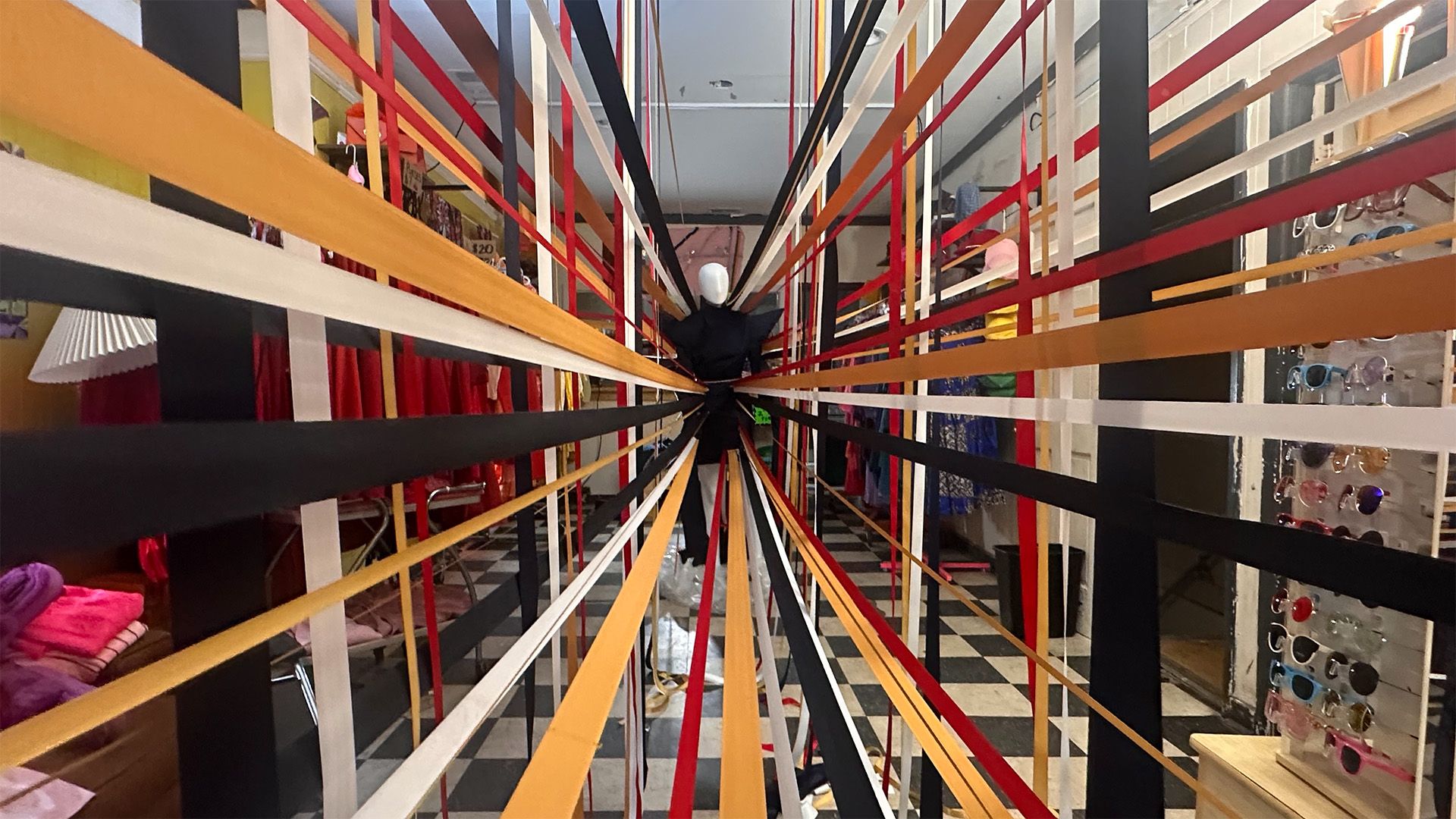
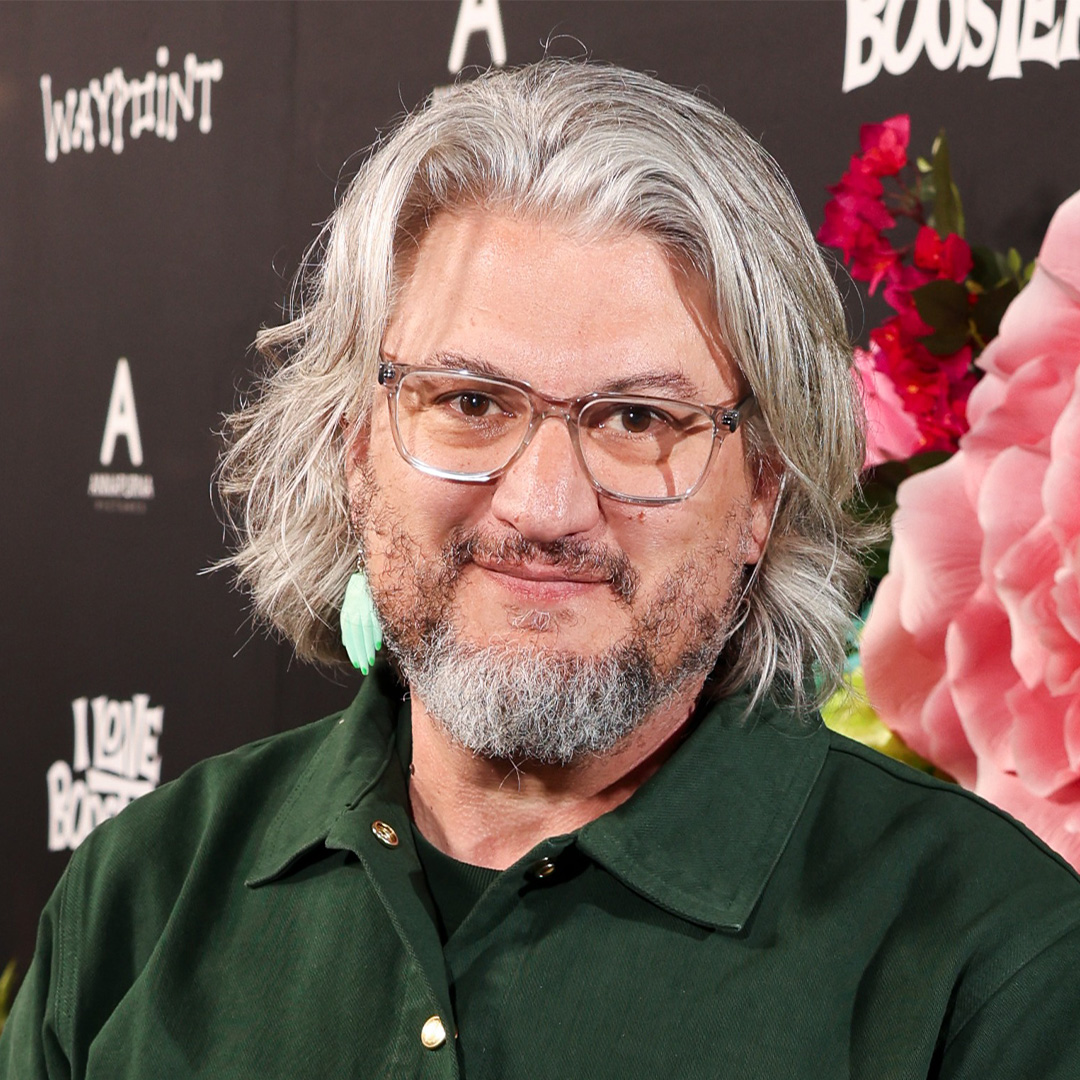
As his portfolio expanded from intricate commercial spots to complex feature films and television series, Glass’s contributions garnered major industry accolades. Winning prestigious honors such as the Art Directors Guild Award and a Cannes Lion Gold cemented his status as an elite visionary. Projects like his recent work on I Love Boosters further highlight his capacity to engineer worlds characterized by a distinct, palpable madness that purely virtual environments struggle to replicate.
Navigating the Current Crossroads
Today, Glass finds himself—alongside the rest of the entertainment workforce—at a historical crossroads. The rise of sophisticated generative AI models and hyper-fast post-production tools represents the most profound operational shift of his career. Rather than retreating into romanticized nostalgia, Glass’s trajectory reflects a deliberate effort to decode these new technologies, assessing what must be fiercely protected (human emotion, novel ideation, tactile immersion) and what can be efficiently discarded (costly green screens, tedious rig removals).
Supporting Context & Metrics: The State of Production Design in the Age of Automation
The role of the production designer is frequently cited as one of the most vital yet least understood components of the filmmaking apparatus. To appreciate Christopher Glass’s warnings and encouragements, it is essential to contextualize the metrics, economic pressures, and operational realities currently shaping modern studio and independent productions.
What Does a Production Designer Actually Do?
As Glass candidly points out, even close family members often struggle to articulate his daily responsibilities. At its core, the production design department is tasked with establishing the visual grammar, spatial logic, and emotional atmosphere of a narrative film or commercial. While costumes, cinematography, and off-camera lighting fall under the purview of costume designers, cinematographers, and gaffers respectively, everything else within the frame—from the peeling wallpaper of a dingy motel room to the sprawling architecture of a futuristic metropolis—originated in the mind of the production designer and their art department.
The Economic Pressures Driving Automation
The motion picture industry operates on razor-thin margins and immense financial stakes. In recent years, studio executives have faced mounting pressures to compress schedules and slash overhead costs. This economic climate birthed the widespread adoption of LED volumes and virtual production stages—technologies designed to keep actors and cameras on soundstages rather than expensive remote locations.
However, as Glass notes, these technologies are themselves already being disrupted or supplemented by AI-driven post-production tools. Data from industry analysts suggests that while virtual production initially promised a revolution in in-camera visual effects, studios are increasingly calculating the return on investment against emerging AI solutions capable of instantaneous set extensions and rig removal. This environment places immense financial anxiety on below-the-line workers, craftspeople, and artisans whose livelihoods depend on physical construction.
Official Insights & Direct Perspectives from Christopher Glass
In our deep dive into Glass’s philosophy, several core themes emerge regarding the psychological, creative, and technical realities of filmmaking today.
The Misunderstood Art Form
When asked about the one thing he wishes more people understood about his profession, Glass highlights the persistent ambiguity surrounding the role:
"I wish people knew what production designers do. Most people don’t. A lot of my own family don’t understand what I do for a living. It’s easy to say we are responsible for the look of everything in a film except the costumes, cinematography and the off-camera lighting, but even that sounds ambiguous, and it really doesn’t explain all of the things production designers do day to day. A lot of producers and even some directors don’t know either. The good ones do!"
The Psychology of Practical Effects on Acting
The rise of digital environments—ranging from early green screens to modern LED volumes—fundamentally altered how actors interact with their surroundings. Glass champions the unyielding superiority of tactile, practical environments in extracting authentic performances from talent:
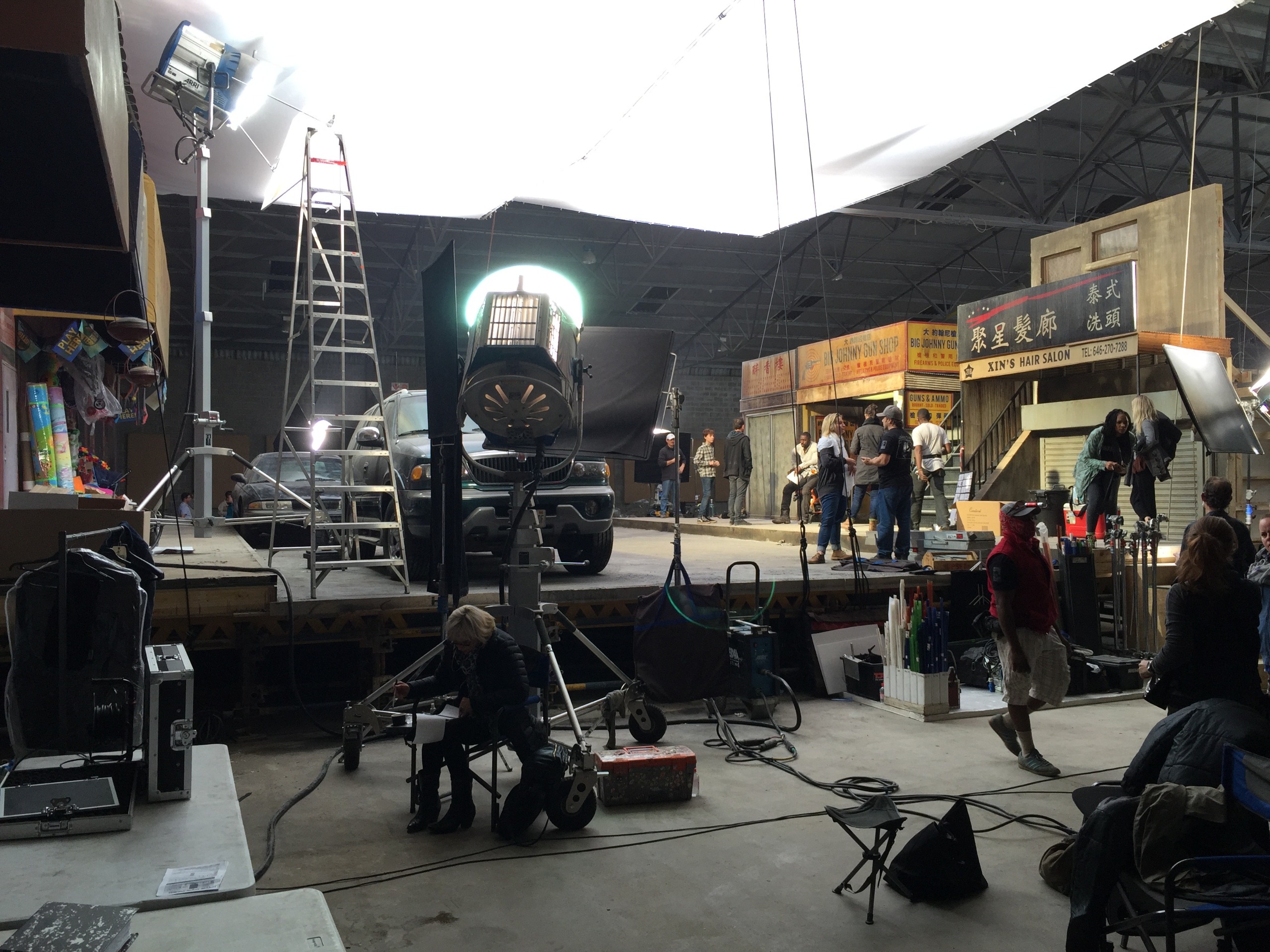
"Actors always respond better to real sets, people and FX. It’s simple. They have incredible imaginations; however, nothing beats having something there to interact with."
This tactile feedback loop—the ability to touch a rough-hewn wooden table, smell dust in a constructed corridor, or react to physical weather elements—grounds performers in a psychological reality that synthetic rendering struggles to replicate on a sub-conscious level.
Confronting the "Monster" of AI
Perhaps the most pressing portion of Glass’s commentary addresses the encroachment of artificial intelligence into creative workflows. He views AI not as a collaborative partner, but as a systematic challenge to the very soul of design:
"AI is the antithesis of feelings. It is a removal of humanity. It is something we, as designers, ‘feel’ forced and obligated to use due to economics and survival. AI can do some amazing technical things."
Glass acknowledges the undeniable technical utilities of AI without romanticizing its impact on employment:
"For instance, there is no reason to ever have green screens again or LED volumes. I feel bad for those who invested heavily in LED walls. Rig removal can be done instantaneously. Set extensions will soon be a snap. That’s technically useful and economically enticing. It can also be used as a fast way to make references and communicate visual intentions."
Yet, he draws a sharp, uncompromising line between technical utility and true artistic creation:
"Many people will lose work if they don’t adapt to this monster being forced on us without our choice. At the end of the day, humans are more capable of coming up with novel ideas. We have lives, memories, true emotions and experiences that haven’t ever been posted onto a forum or social media platform for the AI vacuum machines to suck up and regurgitate with a prompt."
Future Outlook: Advice for the Next Generation of Creatives
As the entertainment landscape undergoes this tectonic transformation, what is the path forward for aspiring art directors, set designers, and filmmakers? Christopher Glass offers a pragmatic, battle-tested manifesto for young professionals entering the industry.
1. Refuse Extinction Narratives
The primary warning Glass extends to young creatives is psychological: do not succumb to fatalism.
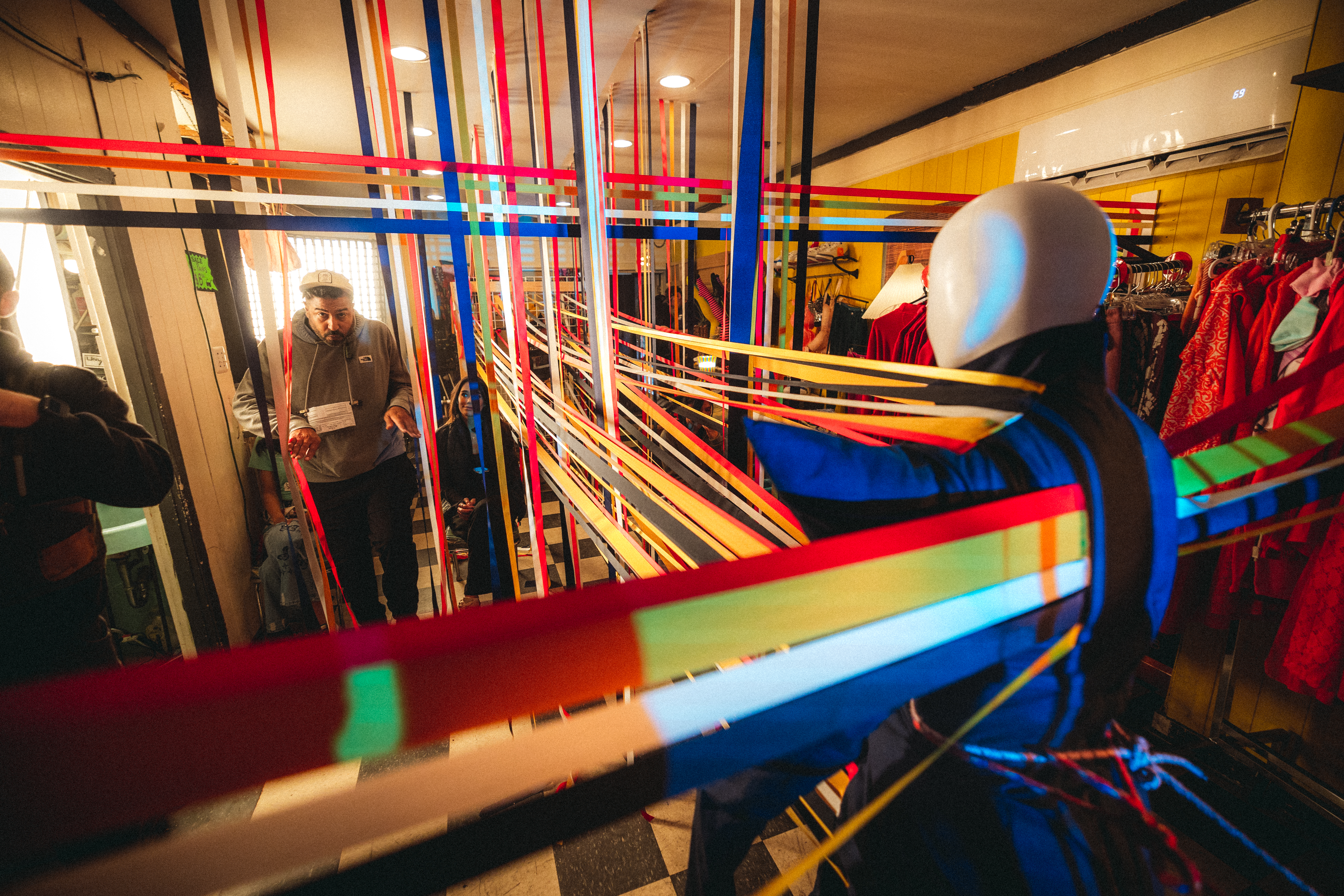
"Don’t let the tech weenies make you think we will become extinct as designers and artists. Don’t let them decide. Use their tools against them."
By treating AI and advanced digital pipelines as utilities rather than deities, human creators can harness their efficiency while retaining authorship over the emotional core of the work.
2. Embrace Collaboration and Humility
Film remains fundamentally a collaborative medium. Glass stresses that interpersonal intelligence is just as crucial as technical skill:
"Keep an open mind. Find like-minded people to collaborate with. Film is a collaborative medium, and being able to admit when you don’t know something is as important as knowing something. Be humble, yet courageous and confident at the same time."
3. Master the Fundamentals: History and Budgeting
In an age where digital tools allow anyone to generate polished imagery instantly, true distinction comes from depth of knowledge and practical competence. Glass encourages emerging designers to look backward in order to look forward:
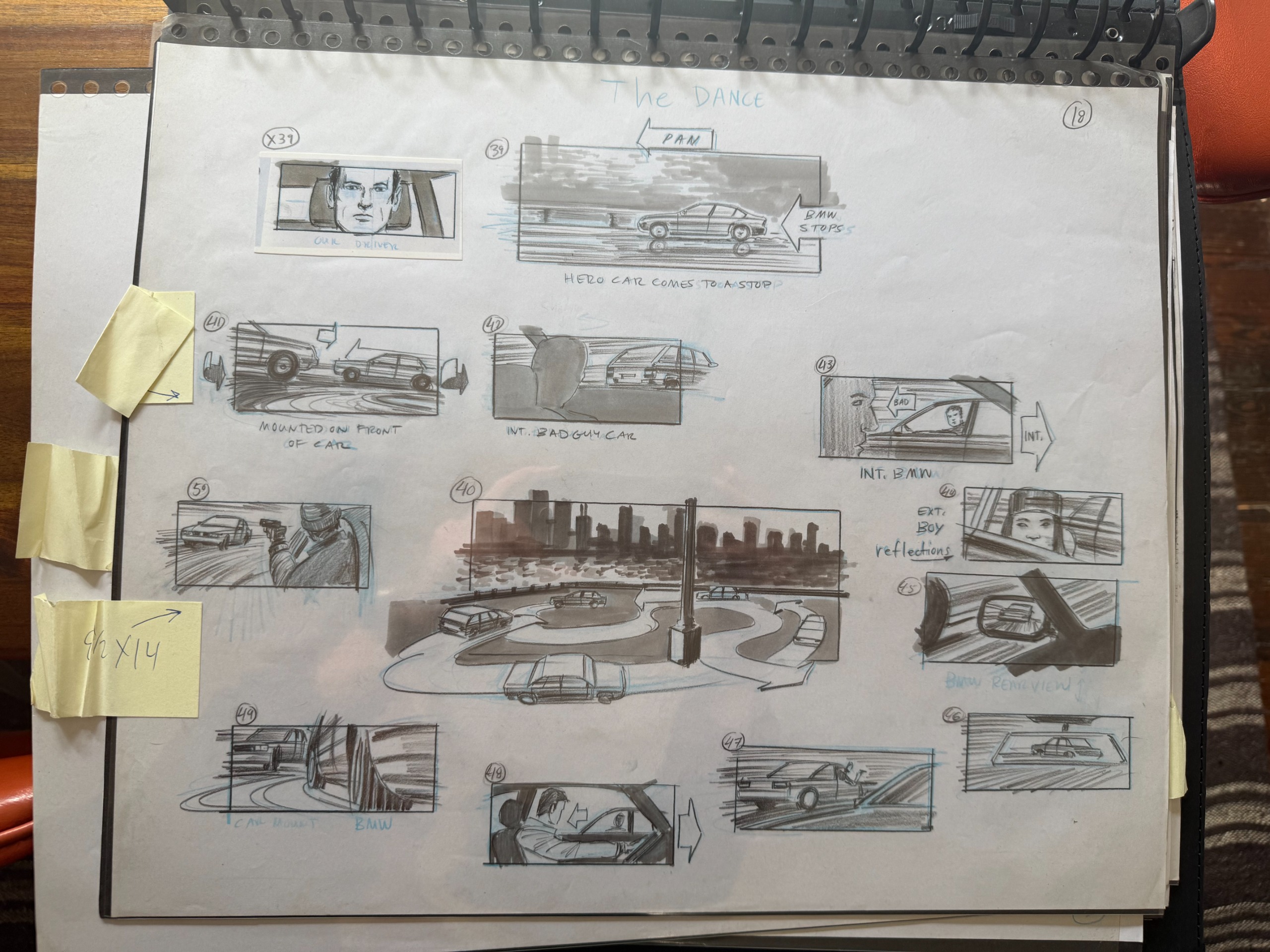
"Go to museums and study history. Dream. Also, learn budgeting! It has taken me a while to get to that point."
Understanding historical artistic movements provides a wellspring of novel ideas that algorithmic models cannot genuinely comprehend. Simultaneously, financial literacy empowers designers to advocate for practical builds and protect the physical craftsmanship of their departments against sweeping budget cuts.
Conclusion
Christopher Glass’s perspective serves as a vital anchor for an industry drifting into uncharted waters. While the economic imperatives of artificial intelligence and digital workflows will continue to reshape Hollywood and the global advertising sector, the core human desire for tactile authenticity, shared emotional resonance, and genuine storytelling remains unchanged. For the next generation willing to stay curious, study history, collaborate humbly, and wield new tools without losing their humanity, the future of production design is not an extinction event—it is an invitation to fight for the soul of cinema.