Executive Overview
As the crisp autumn air settles in and retail displays shift from vibrant summer yellows to deep, moody oranges and blacks, a relatively new cultural phenomenon is gripping households across the globe: the "boo basket." What began as a niche, hyper-personalized social media tradition has rapidly evolved into a multi-million-dollar seasonal retail powerhouse. Positioned somewhere between a traditional Easter basket and a Valentine’s Day care package, the boo basket has redefined how consumers celebrate the spooky season, shifting the focus of Halloween from purely external celebrations—such as trick-or-treating and costume parties—to intimate, indoor acts of gifting, self-care, and domestic coziness.
Authored by retail trends and lifestyle analysts, this report investigates the meteoric rise of the boo basket, examining its origins in digital culture, the mechanics of its commercialization, consumer spending shifts, and what this signals for the future of seasonal micro-holidays. As brands from independent craft makers on Etsy to global conglomerates rush to capture market share, the boo basket is no longer just a cute DIY project for partners; it is a vital indicator of modern consumer behavior characterized by "hyper-personalization," experiential comfort, and social media-driven aesthetics.
1. Executive Overview: Decoding the Spooky Season’s Newest Staple
The traditional narrative of Halloween has long been dominated by two distinct demographics: children collecting confectionery door-to-door, and adults attending costume-centric nightlife events. However, a massive middle ground has emerged over the last half-decade, driven primarily by Millennials and Generation Z. This demographic values aesthetic rituals, home decoration, mental wellness, and "nested" comforts—a psychological push toward making the domestic space a sanctuary during the darker, colder months of autumn.
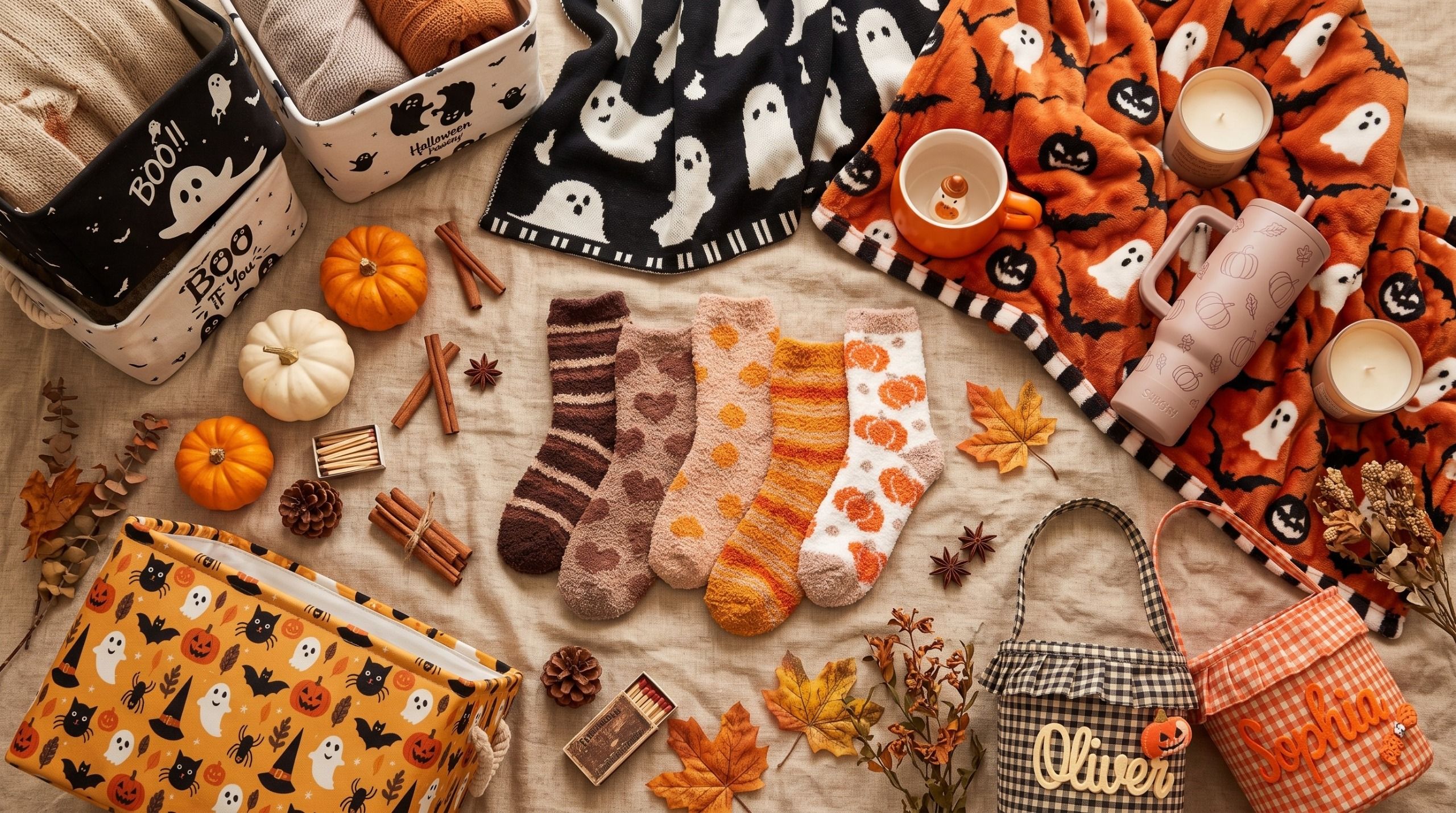
Enter the boo basket. At its core, a boo basket is a curated collection of autumnal and Halloween-themed gifts, typically presented in a wicker basket, canvas tote, or decorative bucket. The contents range widely depending on the recipient’s tastes, but they commonly include artisan chocolates, specialty coffees, cozy knit blankets, fuzzy socks, scented candles mimicking pumpkin spice or bonfire smoke, horror novels, and DIY fall craft kits.
While the concept of surprising a loved one with small tokens of affection is timeless, the formalization of the "boo basket" as a distinct cultural and commercial event highlights the immense power of digital platforms in manufacturing modern traditions. It is a prime example of internet-born folklore crossing over into mainstream retail commerce, altering inventory strategies months before the holiday actually arrives.
2. Detailed Chronology: From Neighborhood Pranks to Global Digital Phenomenon
To understand how the boo basket conquered the contemporary retail landscape, it is necessary to trace its trajectory from an elusive neighborhood tradition to a dominant algorithm-driven trend.
The Pre-Digital Roots: "Booing" Your Neighbors
Decades before it flooded TikTok feeds, the concept of "getting booed" existed in localized pockets across North America, primarily within suburban neighborhoods. Known historically as "Be-Boofing" or simply "Booing," the tradition involved anonymously leaving a small treat and a paper sign featuring a ghost on a neighbor’s doorstep. The accompanying note typically instructed the recipient to "boo" two other neighbors in turn, creating a chain reaction of anonymous neighborly goodwill throughout October.
These early iterations were modest, usually consisting of plastic pumpkins filled with fun-size candy bars, plastic spiders, and window gel clings. The emphasis was on community surprise and playful anonymity rather than high-end curation or visual aesthetics.
The Shift to Romantic and Platonic Curation (2018–2020)
As social media platforms like Pinterest and Instagram began prioritizing high-definition lifestyle curation, the DIY community transformed the neighborhood game into an intimate, romantic gesture. Instead of anonymous treats left for random neighbors, young adults began crafting personalized baskets specifically for their romantic partners, best friends, and children.
During the COVID-19 pandemic in 2020, this trend accelerated dramatically. With people spending unprecedented amounts of time at home, interest in domestic comfort, interior styling, and micro-celebrations skyrocketed. Consumers sought out creative ways to inject novelty and romance into mundane quarantine routines, laying fertile ground for themed seasonal boxes.
The TikTok Explosion and Commercialization (2021–Present)
The true catalyst for the boo basket’s economic explosion, however, was TikTok. Short-form video content allowed creators to showcase the entire process of assembling a boo basket—from shopping for aesthetic containers at craft stores to the final aesthetic unboxing reaction.
Hashtags such as #boobasket, #fallhaultiktok, and #halloweenbasket began generating billions of collective views each autumn. The content relied heavily on sensory ASMR (tapping on mugs, rustling tissue paper, lighting crackling wooden-wick candles) and visual color-blocking (deep oranges, matte blacks, ghost whites, and muted creams).
Recognizing the viral momentum, major retailers quickly pivoted. By 2023 and 2024, corporate giants like Target, HomeGoods, and Michaels ceased relying on consumers to piece together baskets from disparate aisles; instead, they began selling pre-packaged, professionally styled boo baskets or dedicated "basket-stuffing" capsule collections designed explicitly to photograph well on social media.
3. Supporting Context & Metrics: The Economics of Autumnal "Nested" Spending
The rise of the boo basket is not merely a cultural quirk; it is backed by significant shifts in retail analytics and seasonal consumer expenditure.
The "Halloween Creep" and Extended Spending Windows
According to retail data from the National Retail Federation (NRF) and allied market research firms, Halloween spending has steadily broken records year after year, frequently outpacing traditional growth rates in other retail sectors. Crucially, the spending window has shifted dramatically. What was once a frantic two-week shopping rush in mid-October now begins as early as late August—a phenomenon industry insiders refer to as the "Halloween Creep."
Consumers are allocating their seasonal budgets earlier, purchasing autumn decor, crafting supplies, and gifting items before the official start of meteorological fall. The boo basket sits squarely at the intersection of this extended shopping window, capturing early-season enthusiasm.
The Democratization of Craftech and DIY Culture
The economics of the boo basket also highlight the resilience of the DIY and artisan craft sectors. While big-box retailers sell mass-produced aesthetic containers, a massive sub-sector of consumers relies on independent platforms like Etsy, local yarn shops, and boutique candle makers.
Market metrics indicate a sharp increase in sales for:
- Independent Craft Kits: Cosy fall-themed punch needle, embroidery, and pottery kits ranging from $17 to $50, serving as popular anchor gifts within boo baskets.
- Artisanal Confectionery: High-end, aesthetically packaged chocolates, ghost-shaped marshmallows, and pumpkin-spiced treats that command premium price points compared to traditional bulk candy.
- Home Fragrance: Soy wax candles with autumn scent profiles (amber, cedarwood, fallen leaves, spiced cider), which represent one of the highest-margin categories in seasonal home goods.
4. Official Industry Perspectives and Expert Analysis
Retail analysts, cultural historians, and lifestyle writers have weighed in on why the boo basket has resonated so deeply with modern audiences, pointing to underlying psychological and economic drivers.
"We are seeing a profound shift in how consumers define luxury and celebration," notes Dr. Elena Vance, a consumer psychologist specializing in modern ritualistic spending. "In an era marked by economic uncertainty and digital fatigue, people are doubling down on what we call ‘micro-comforts.’ A boo basket is physically small, relatively affordable compared to major holiday gifts, and rich in sensory detail. It offers a tangible sense of control, warmth, and intimacy."
Creative industry voices echo this sentiment. Natalie Fear, writing on contemporary design trends and seasonal lifestyle shifts, emphasizes that the success of the boo basket lies in its versatility and creative expression. "Whether you’re planning an elaborate, horror-movie-themed cinematic marathon complete with custom popcorn buckets, or opting for a wholesome, low-key night of cozy fall crafts, there is no single ‘correct’ way to curate a spooky surprise box," Fear explains. "The beauty of the trend is its open-ended canvas. From luxury cashmere socks to hand-poured candles, it allows the giver to tailor the narrative entirely to the recipient’s personal aesthetic."
Furthermore, marketing directors at major home-goods chains have pointed out that the boo basket bridges the gap between generations. While older consumers may view it as a modern spin on care packages, younger generations view it as an essential marker of seasonal transition—an event worthy of documentation, sharing, and emotional bonding.
5. Future Outlook: Where Is the Spooky Gifting Economy Headed?
As the boo basket solidifies its place in the annual retail calendar, industry forecasters are already predicting how the trend will evolve over the next five to ten years.
1. Sustainable and Reusable Packaging Initiatives
With growing consumer scrutiny regarding single-use plastics and seasonal waste, the future of the boo basket will likely lean heavily into sustainability. Expect to see a decline in cheap, disposable plastic containers in favor of heirloom-quality wicker hampers, organic cotton rope baskets, and heavy-duty canvas totes designed to be reused year after year as part of a household’s permanent autumn decor storage.
2. Corporate Gifting and Employee Wellness
While currently dominated by romantic partners, close friends, and parents gifting children, the corporate sector is beginning to eye the boo basket trend. Forward-thinking human resources departments and remote companies are starting to adopt "fall care packages" as an autumn equivalent to holiday gift baskets, boosting employee morale and engagement as daylight hours shorten.
3. Hyper-Niche Thematic Variations
As the market becomes saturated with standard pumpkin-and-ghost motifs, trend forecasters anticipate a diversification into hyper-niche aesthetics. We are already witnessing the rise of "gothic romance" baskets featuring Victorian-inspired velvet and dried florals, "retro nostalgic" baskets channeling vintage 1970s and 80s Halloween decorations, and "cozy gamer" baskets combining spooky video games with themed gaming snacks.
Conclusion
The transformation of the boo basket from a humble neighborhood game into a dominant retail powerhouse underscores the incredible agility of modern consumer culture. By blending the tactile comfort of autumn with the visual storytelling of social media, the boo basket has successfully carved out an enduring space in the modern calendar. It proves that even in an increasingly digital world, people will always find space for tangible tokens of care, wrapped in a blanket of seasonal nostalgia and a touch of spooky fun.