Executive Overview
The foldable smartphone landscape, once a niche playground for early adopters and experimental tech enthusiasts, is undergoing a profound structural evolution. According to new, comprehensive research published by Omdia on October 21, 2026, the industry is poised for a significant rebound. After years of iterative hardware improvements, the market is shifting its focus toward a specific form factor: the "wide-fold."
Current projections indicate that LTPO (Low-Temperature Polycrystalline Oxide) AMOLED foldable display shipments are set to surge by 44% in 2026. This growth is not merely a statistical anomaly but a reflection of a fundamental shift in consumer demand and manufacturing strategy. With heavyweights like Samsung and Apple cementing their dominance through exclusive supply chains and refined hardware designs—specifically the Galaxy Z Fold 8 and the iPhone Duo—the foldable segment is emerging as a rare bright spot in an otherwise stagnant global smartphone market. As the industry faces its most significant downturn in over a decade, the success of these wider, more ergonomic devices offers a blueprint for potential recovery.
Detailed Chronology: The Evolution of the Foldable
To understand the significance of the 2026 forecast, one must examine the trajectory of the foldable market. Early iterations of foldable devices were characterized by their narrow aspect ratios, often criticized for feeling cramped when used as traditional smartphones.
From Vertical to Horizontal: The Shift in Form Factor
For years, the "tall and narrow" design dominated the foldable landscape, primarily to accommodate internal hinge mechanics that were still in their infancy. However, consumer feedback consistently pointed to a desire for a "cover screen" that felt more like a standard flagship smartphone.
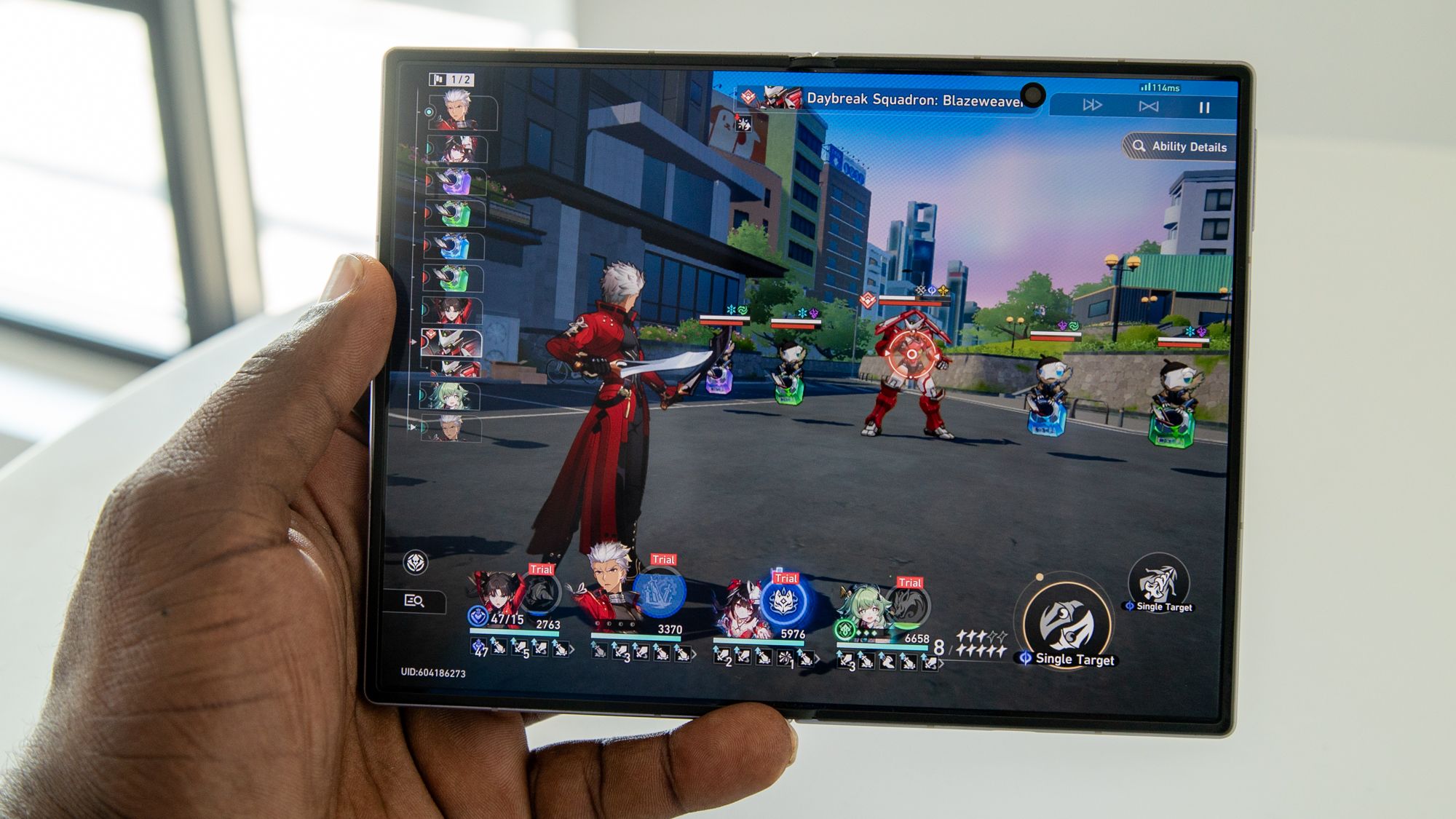
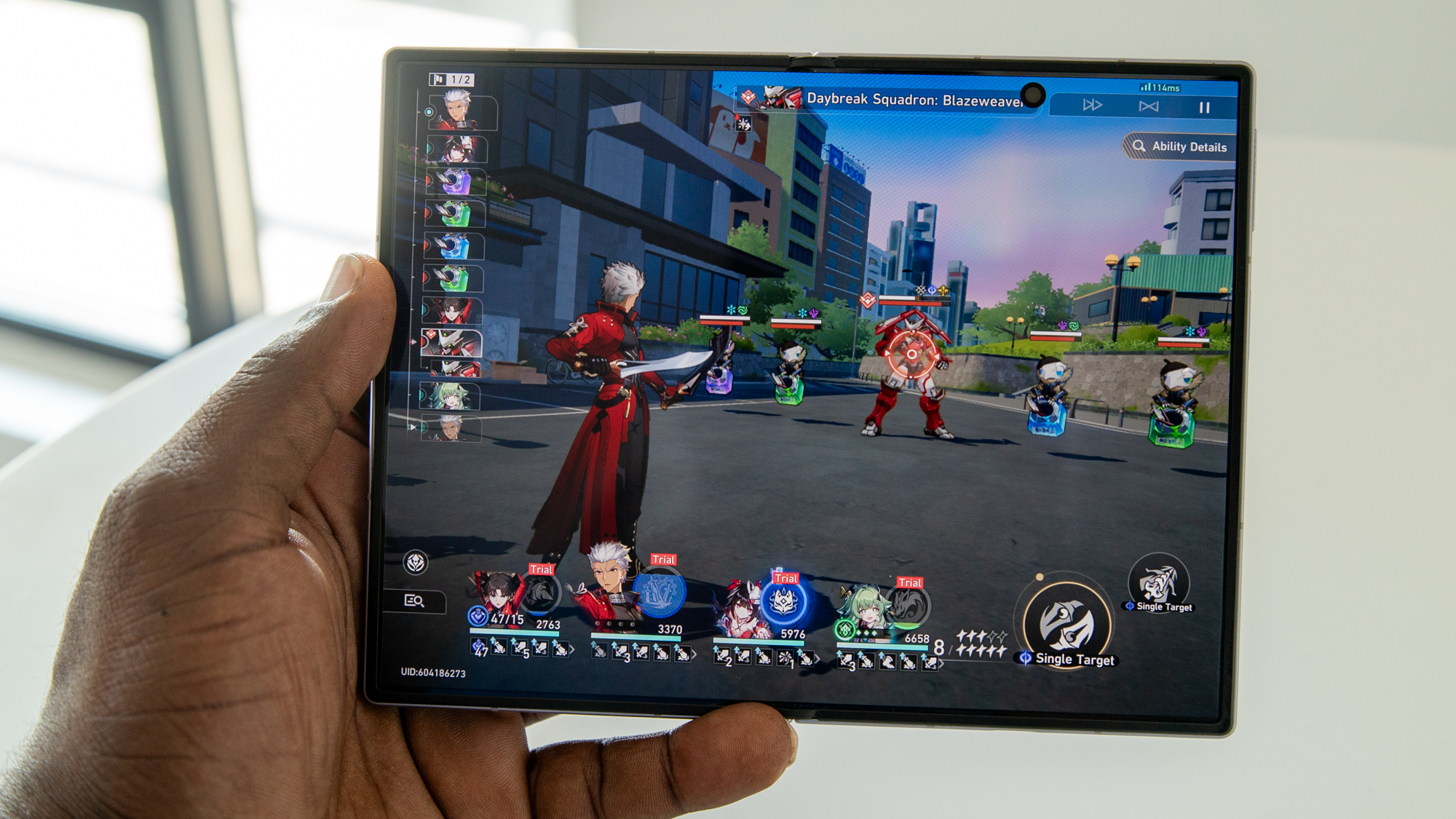
In the lead-up to 2026, manufacturers pivoted. The introduction of the Galaxy Z Fold 8 represented a watershed moment for Samsung. By widening the chassis, Samsung effectively addressed the ergonomic complaints that plagued its predecessors, allowing users to interact with the device in its folded state without feeling as though they were typing on a "remote control."
The Entry of the iPhone Duo
The entry of Apple into the foldable fray with the iPhone Duo served as a catalyst for market acceleration. Apple’s reputation for industrial design, combined with its vertical integration of software and hardware, brought a level of legitimacy to the wide-fold form factor that had been missing. By utilizing Samsung’s high-end display panels exclusively, the two giants effectively set a new industry standard. This synergy between the world’s leading display supplier and the world’s most influential consumer electronics brand has created a "wide-fold" ecosystem that competitors are now scrambling to emulate.
Supporting Context & Metrics: A Market in Flux
While the 44% growth projection for foldable displays is optimistic, it must be framed against the backdrop of a broader, more turbulent smartphone market.
The Macroeconomic Reality
The global smartphone market has experienced a series of unprecedented shocks throughout 2026. Data from the third quarter indicates a 20% year-over-year decline in total shipments, the most significant drop in fourteen years. Several factors have contributed to this decline:
- The Memory Shortage: A persistent, industry-wide shortage of high-density memory modules has forced OEMs to raise prices, alienating the price-sensitive mid-range segment.
- Extended Upgrade Cycles: Consumers are holding onto their devices longer than ever before. With diminishing returns on annual hardware updates, the financial argument for upgrading to a new standard slab phone has weakened significantly.
- Inflationary Pressures: Global economic instability has forced households to prioritize essential expenditures over luxury consumer electronics.
The "Foldable" Exception
Despite these headwinds, the foldable segment—and specifically the wide-fold category—has demonstrated remarkable resilience. Samsung’s market share, for instance, increased by 23% during the Q3 downturn. This is a direct consequence of the company’s ability to maintain a premium product pipeline that captures the high-end demographic, which is less sensitive to inflationary pressures.
Omdia’s report underscores that while the general market is "struggling on the street," the display shipment growth for foldables acts as a hedge. It suggests that while the total volume of smartphones shipped is down, the value per device is increasing as consumers opt for higher-tier, foldable hardware when they do decide to upgrade.
Official Statements and Industry Analysis
Brain Huh, Principal Analyst at Omdia, highlights the strategic importance of the wide-screen shift: "Display shipments for wide-screen foldable smartphones are expected to account for 44% of total foldable panel shipments in 2026. This isn’t just a design choice; it is a response to the clear market preference for usability and productivity."
The research also notes the competitive landscape surrounding display production. While manufacturers like BOE, China Star, Tianma, and Visionox have made strides in the foldable panel space, Samsung Display continues to maintain a significant lead. This is largely due to their exclusive production of the specific panels required for the Galaxy Z Fold 8 and the iPhone Duo, which require advanced LTPO technology to manage refresh rates and power consumption in a dual-screen environment.
Future Outlook: Is This the Light at the End of the Tunnel?
The industry now faces a critical question: Can the success of the wide-fold category pull the rest of the smartphone market out of its malaise, or is this merely a temporary bubble for the ultra-premium segment?
The Challenge of Affordability
The "air-quoted" hope for the market lies in whether manufacturers can move beyond the ultra-premium pricing model. Currently, wide-fold devices are priced at a premium that makes them inaccessible to the average consumer. To sustain the 44% growth rate beyond 2026, the industry must find a way to democratize this technology. We are already seeing early signs of this, with companies experimenting with cheaper hinge materials and slightly less powerful internal components to bring the price point down.
The Apple Effect
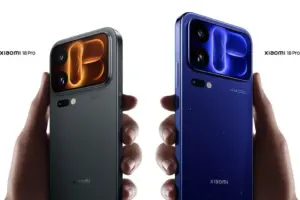
Apple’s strategy with the iPhone 18 series—specifically the omission of a base model in favor of the Pro and Pro Max—has been a subject of intense debate. Analysts speculate that this move was designed to protect the average selling price (ASP) of their devices. As the iPhone Duo becomes more prominent in the company’s lineup, the success of the wide-fold will become a key metric for Apple’s growth. If they can successfully pivot their user base to the foldable experience, it will almost certainly force the rest of the industry to follow suit.
The Verdict
The data from Omdia suggests a bifurcated market. On one hand, the low-to-mid-range smartphone sector is experiencing a "cliff-like" decline as consumers prioritize essentials. On the other hand, the high-end, foldable segment is enjoying a renaissance driven by better ergonomics and the prestige of the wide-fold form factor.
As we look toward the remainder of 2026 and into 2027, the success of these devices will likely depend on three factors:
- Software Optimization: Can operating systems better utilize the increased width of these displays to enhance productivity?
- Durability: As these devices become daily drivers for a wider audience, the longevity of the foldable screen will face unprecedented scrutiny.
- Supply Chain Stability: The ability for manufacturers to navigate memory shortages while maintaining production capacity will be the ultimate test of their market leadership.
In conclusion, while the smartphone industry as a whole may be in a period of contraction, the "wide-fold" revolution proves that innovation, when aligned with user needs, can still command a premium. The market is not dead; it is merely evolving into a new, wider shape. Whether this trend can trickle down to the masses or remain a luxury of the elite will define the mobile landscape for the next decade.