Executive Overview
The evolution of the web platform continues to accelerate at a breathtaking pace, bridging the long-standing gap between native application capabilities and web-based user interfaces. In the latest edition of the web development community’s pulse check—What’s !important #16—front-end engineers and UI architects are greeted with a wave of forward-thinking specifications, browser implementations, and creative layout methodologies.
At the forefront of this developmental wave is the imminent Baseline status of the sibling-index() function, paving the way for intricate, data-driven structural animations without reliance on heavy JavaScript calculations. Alongside this, developers are rethinking classic interface challenges, such as replicating the 2026 FIFA World Cup knockout brackets using modern CSS, decoding the mathematical wizardry of the infinity keyword within calc() functions, and experimenting with container scroll-state queries to detect sticky elements natively.
Furthermore, discussions surrounding performance defaults—such as Lea Verou’s proposals for universal lazy loading—and artistic implementations like hand-drawn text animations highlight a maturing ecosystem that values both high-performance execution and expressive visual design. This comprehensive report explores these breakthroughs, analyzing their architectural implications, real-world use cases, and the evolving roadmap of the modern web platform.
Detailed Chronology: Key Milestones in Web Platform Evolution
The progression of web standards does not happen in a vacuum; it is a meticulously coordinated timeline of proposals, browser implementations, developer experiments, and standardization processes.
Mid-August 2026: Sibling-Index Reaches Baseline
Following Chris Coyier’s foundational explorations in the In-N-Out Animations series, developer Temani Afif showcased groundbreaking implementations utilizing sibling-index() for structural animations. This momentum culminates on August 18, 2026, when Firefox 154 officially ships support for the function. This release marks an important milestone: sibling-index() achieves Baseline: Newly Available status, giving developers reliable cross-browser access to index-aware styling paradigms.
July 2026: Post-World Cup Layout Experiments
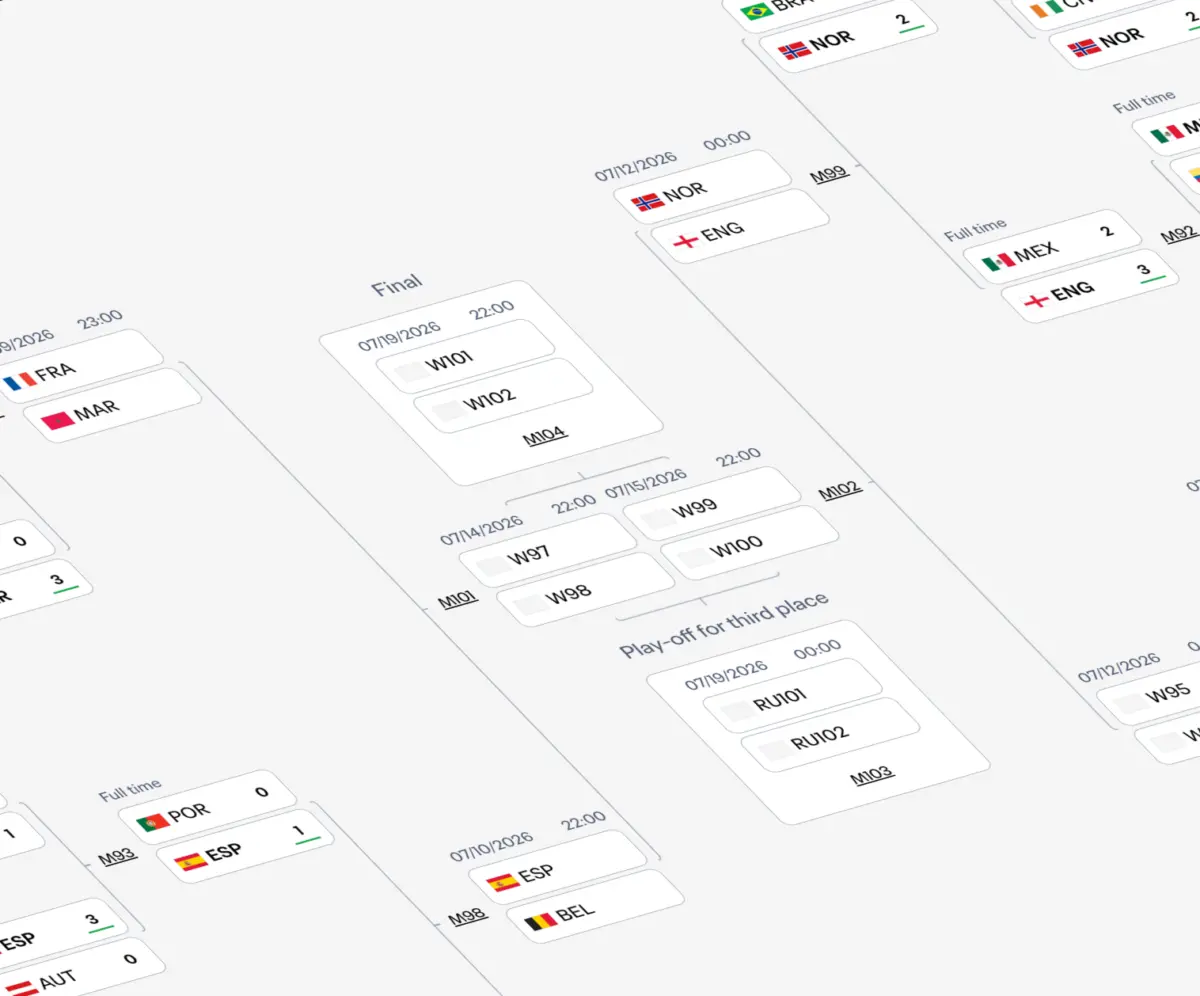
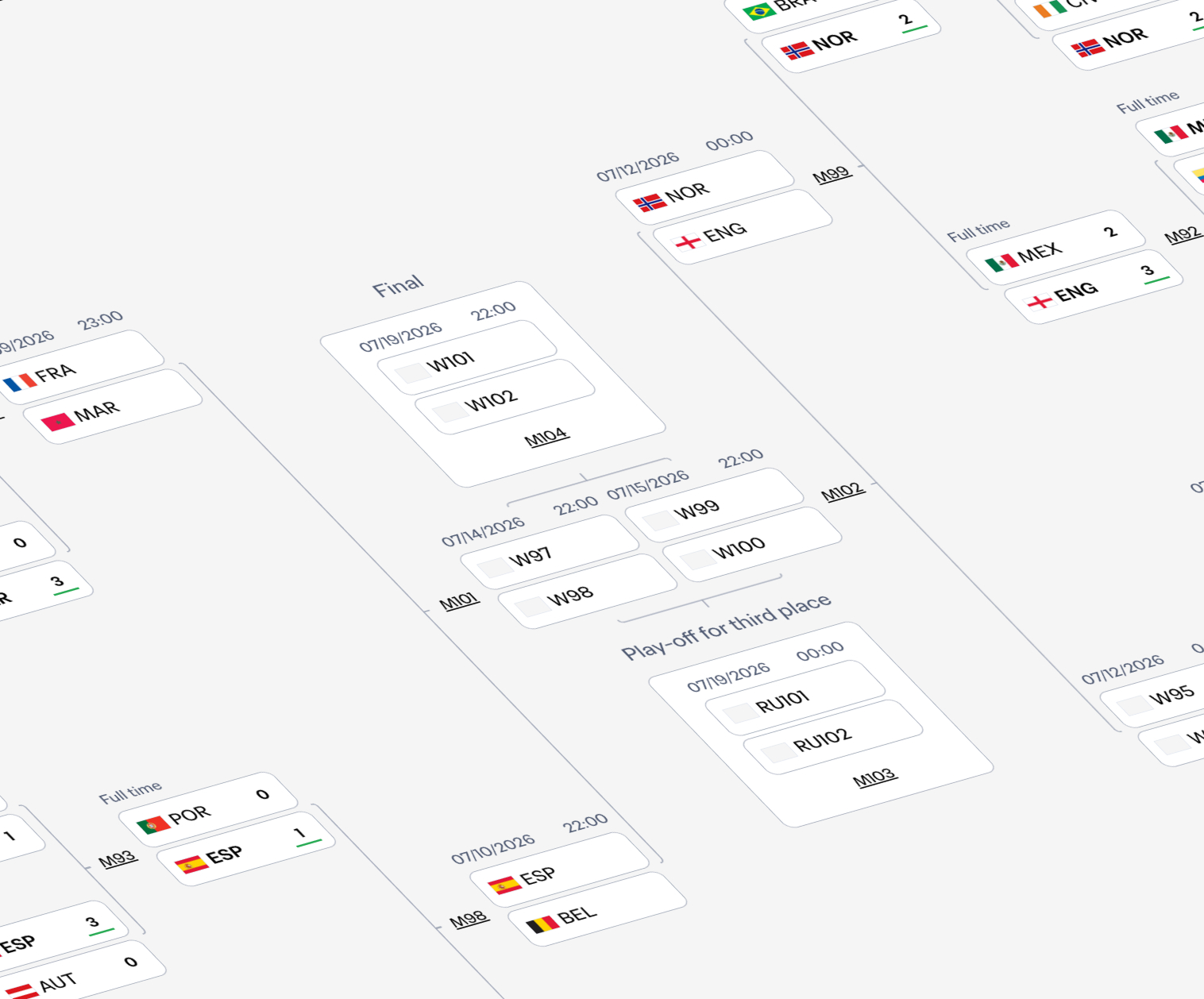
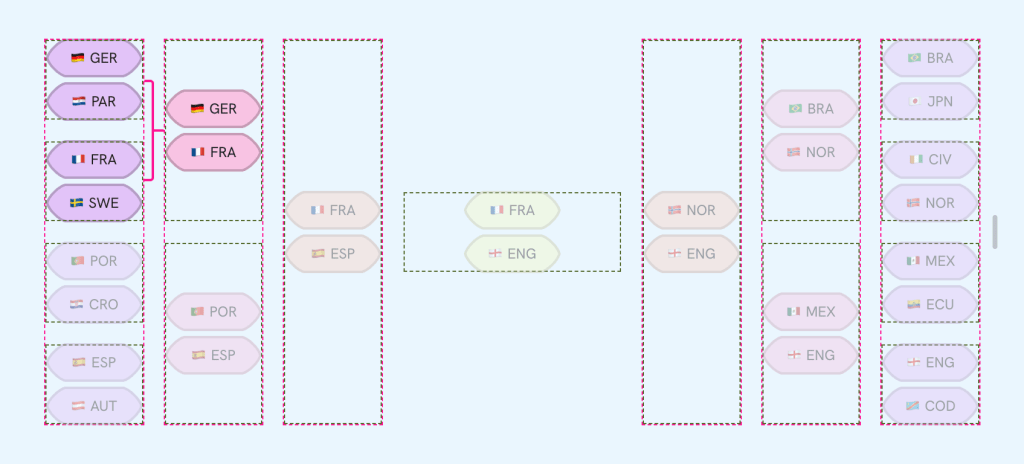
In the wake of the 2026 FIFA World Cup, front-end architect Ahmad Shadeed published a deep dive into recreating complex sports tournament layouts. By leveraging modern CSS layout systems, Shadeed demonstrated how to programmatically structure dense knockout brackets, proving that the web layout engine can gracefully handle complex data visualizations traditionally relegated to SVG or heavy canvas frameworks.
Mid-July 2026: Debating Default Lazy Loading
On July 16, 2026, prominent web standards advocate Lea Verou sparked a widespread debate across decentralized social networks (Bluesky) regarding resource loading defaults. Highlighting Tab Atkins’ legacy Cascading Style Sheets (CAS) proposal, Verou reignited conversations about shifting the web’s performance paradigm by making lazy loading the native default for media elements like images and videos.
Late July 2026: The Intersection of Math and UI Design
Adam Argyle’s technical breakdown of the calc() infinity keyword shed light on previously obscure mathematical constants in CSS. By demonstrating how positive and negative infinity (-infinity) can be harnessed to manipulate complex properties like corner-shape, developers gained a cleaner, more declarative alternative to hardcoding extreme pixel values for superellipses and sharp notches. Concurrently, Johannes Bechberger published techniques for rendering and animating hand-drawn text using lightweight CSS, circumventing the historical complexities associated with animating raw SVG paths.
Supporting Context & Metrics: Technical Breakdown of New CSS Features
To fully appreciate the developments featured in What’s !important #16, we must examine the technical mechanics underpinning these tools.
1. The Power of sibling-index() and Structural Animations
Historically, if a developer wanted to stagger animations across a list of dynamically generated items based on their position, they had to inject inline styles via JavaScript (e.g., --i: 0;, --i: 1;) or query the DOM manually.
The sibling-index() function abstracts this natively within the stylesheet. By evaluating an element’s index among its siblings, style sheets can dynamically assign animation delays, scaling factors, or color shifts. When paired with upcoming browser rollouts—such as Firefox 154—this feature reduces JavaScript runtime overhead and keeps layout calculations strictly within the rendering engine.
2. Mathematics in the Stylesheet: The infinity Keyword
The introduction of infinity and -infinity inside CSS calc() functions opens up surprising avenues for property interpolation and edge-case design logic. Consider the manipulation of advanced border geometries:
/* Creating a perfectly square corner using infinity */
corner-shape: square;
/* Is functionally equivalent to */
corner-shape: superellipse(infinity);

/* Creating a notched corner using negative infinity */
corner-shape: notch;
/* Is functionally equivalent to */
corner-shape: superellipse(-infinity);
By pushing curvature parameters toward mathematical extremes, the layout engine evaluates curves into absolute, razor-sharp geometric intersections without requiring brittle layout workarounds.
3. Container Scroll-State Queries (stuck)
Chris Coyier’s exploration of container scroll-state queries introduces a cleaner solution to a classic UI problem: detecting when a sticky element has locked into position.
Traditionally, developers relied on JavaScript Intersection Observers or scroll event listeners with throttling to toggle classes like .is-stuck. With container queries expanding into scroll states—specifically @container scroll-state(stuck: <keyword>)—developers can style sticky headers, sidebars, and navigation elements purely through declarative CSS as their containment context changes scroll positions. While Safari and Firefox implementations are still maturing, this signals the eventual phasing out of layout-thrashing JavaScript sticky-detectors.
Official Statements and Community Perspectives
The discourse surrounding modern web development often thrives at the intersection of core standard bodies and independent engineering thought leaders.
Regarding the optimization of web performance, Dr. Lea Verou emphasized the necessity of evolving default browser behaviors to protect users from unoptimized asset loading:
"This is exactly why we need something like Tab Atkins’ old CAS proposal. Imagine if you could do
img, video loading: lazy;to change the defaults, and then just useloading="eager"on the actual elements to override."
This perspective underscores a broader industry push toward "safe-by-default" web engineering, where the platform actively discourages common performance anti-patterns through sensible defaults.
On the design front, engineers like Johannes Bechberger and Ahmad Shadeed continue to push the boundaries of what is possible with native CSS, proving that complex visual paradigms—ranging from dynamic sports brackets to organic, hand-drawn typography animations—can be achieved with cleaner, more maintainable codebases that prioritize progressive enhancement.
Future Outlook: The Next Decade of the Web Platform
As the web engineering community looks toward future iterations, the velocity of change brings both excitement and structural questions.
A humorous glimpse into the long-term future can be found on the Chrome Roadmap, which currently outlines release schedules extending roughly 14 years into the future, culminating deliberately just after Chrome version 499. While software release forecasting on a multi-decade scale is largely symbolic, it mirrors the rigid, long-term planning required by the W3C and WHATWG as they cement features like container queries, scroll-driven animations, and mathematical keywords into the permanent bedrock of the web.
Over the coming years, we can expect:
- Wider Cross-Browser Parity: Features currently restricted to Chromium-based environments (such as advanced container scroll-state queries) will achieve universal Baseline status across Safari and Firefox.
- Reduction of JavaScript Dependencies: As native CSS functions like
sibling-index()and scroll-state queries mature, the dependency on JavaScript for layout state management will shrink significantly, yielding faster initial render times and smoother frame rates. - A More Declarative Design Language: Mathematical constants like
infinityand expanded styling hooks will allow designers to express complex geometric and temporal transitions directly within CSS, unifying logic, design, and performance.
As editions like What’s !important continue to chronicle these shifts, one thing remains clear: the web platform is more powerful, expressive, and unified than ever before.