Executive Overview
As Apple continues to navigate the complex software landscape of the mid-2020s, the rollout of iOS 27 has proven to be a transformative, albeit occasionally turbulent, chapter for the iPhone ecosystem. Following the release of iOS 27.0.1—a rapid-response patch designed to address performance instabilities and minor glitches observed in the iPhone 18 Pro lineup—the Cupertino giant is now preparing for a more substantial secondary update: iOS 27.2.
While iOS 27 was marketed as a foundational shift in how we interact with mobile hardware, iOS 27.2 arrives as a refinement phase. This update is not merely about patching security vulnerabilities or squashing bugs; it is a feature-rich expansion that touches on everything from personal health tracking and accessibility to the granular implementation of Apple Intelligence. For power users and casual observers alike, iOS 27.2 signals Apple’s shift toward a more personalized, proactive mobile experience. As of October 9, 2026, the update is currently in the beta phase, allowing early adopters to stress-test the new functionality before the public wide-release.
Detailed Chronology of the Update
The trajectory of iOS 27 has been defined by a rapid cycle of iteration. When iOS 27 debuted, it brought a host of new features that, while revolutionary, pushed the hardware limits of the iPhone 18 series. Users reported intermittent UI freezes and thermal management issues, which necessitated the swift deployment of the 27.0.1 patch.
With the current development of iOS 27.2, Apple is transitioning from "remediation mode" back to "innovation mode." The beta program, currently accessible via the Apple Beta Software Program portal, allows users to engage with these features early, though caution remains the watchword. As is standard practice for major OS point-releases, we strongly advise users to maintain a full encrypted backup of their device—either via iCloud or a local Mac/PC connection—before installing any beta software. The stabilization of these features will likely occur over the coming weeks as developer feedback loops are closed and performance metrics are verified against a broader range of hardware configurations.
Supporting Context & Metrics: The Health App Revamp
Perhaps the most significant pillar of the iOS 27.2 update is the top-to-bottom overhaul of the Health application. In an era where digital wellness and proactive monitoring are becoming central to the user experience, Apple has sought to consolidate disparate data points into a more cohesive, actionable dashboard.
The "Longevity" Framework
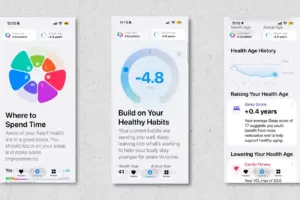
The new "Longevity" tab represents a paradigm shift. Rather than displaying raw data in a vacuum, the app now synthesizes metrics across mental wellbeing, metabolic health, nutrition, and cardiovascular performance. By contextualizing this data, the app offers users a "Health Age" metric—a controversial but highly requested feature that aims to estimate biological age based on current physiological markers.

AI-Powered Movement Analysis
Perhaps the most ambitious feature is the integration of computer vision for fitness. By utilizing the iPhone’s advanced sensor array and front-facing camera, the Health app can now monitor a user’s form during exercise. This "biomechanical feedback" allows the device to rate flexibility, balance, and strength in real-time, effectively bringing a personal trainer’s eye to the comfort of the user’s living room. This capability, when paired with the new step-count integration—which now mirrors the data seen in the dedicated Fitness app—creates a unified, transparent view of one’s physical activity.
Expanding the Horizons of Apple Intelligence
Apple’s "Call Context" feature, which debuted as a hallmark of its machine learning suite, receives a significant upgrade in iOS 27.2. By leveraging on-device processing, the system is designed to provide users with pertinent information at the exact moment a call is initiated.
Previously limited to basic business verification, Call Context now acts as a digital social assistant. By cross-referencing contact lists with calendar events and email metadata, the system can now proactively alert users to anniversaries, birthdays, or significant shared milestones during active calls. While critics argue that this borders on the intrusive, proponents maintain that in an increasingly digitized society, such reminders are essential tools for maintaining professional and personal relationships.
Furthermore, the expansion of Siri AI language support in this update is a critical move toward global equity. By adding French, Japanese, Korean, Portuguese, and Spanish to the native Siri AI suite, Apple is significantly widening the moat around its ecosystem, ensuring that its most advanced AI features are not restricted by linguistic barriers.
Accessibility: Breaking Barriers with FaceTime
For years, the technology industry has struggled to integrate meaningful accessibility support for the Deaf and Hard of Hearing community. With iOS 27.2, Apple is finally implementing the long-anticipated FaceTime API that supports third-party human sign language interpreters.
This is a profound development. By allowing a professional ASL interpreter to be added to a video call as a distinct, low-latency stream, Apple is removing the friction that has historically made spontaneous video communication difficult for the ASL-using community. This API integration is a testament to Apple’s commitment to inclusive design and sets a new industry benchmark for what "accessibility-first" development should look like.

UI Refinements and Ecosystem Parity
While the "big" features grab the headlines, the "small" changes often dictate the daily user experience. iOS 27.2 introduces a series of UI adjustments that suggest a subtle shift in Apple’s design philosophy.
- The Music App: A shift away from the iconic "Apple Red" accents toward a more muted, monochromatic black for playback controls. This change, while purely aesthetic, suggests a move toward a cleaner, less distracting interface.
- The Clock & Podcasts: Minor tweaks to the typography of "AM/PM" and the relabeling of "Up Next" to "New Episodes" underscore a focus on clarity and cognitive load reduction.
- Apple TV Profiles: The expansion of Apple TV profiles to the iPhone and iPad app is a long-overdue feature for households that share devices. This enables true multi-user personalization, ensuring that recommendations and watch-lists remain distinct even when multiple family members use the same hardware.
Future Outlook: What Lies Ahead
As we look beyond the 27.2 cycle, the trajectory of iOS development is clear: the focus is shifting from "more features" to "smarter features." The integration of AI into the core OS, the push for health-driven data synthesis, and the ongoing commitment to accessibility demonstrate that Apple is betting on the iPhone remaining the central hub of the user’s life.
However, challenges remain. As the OS grows more complex, the risk of "feature bloat" increases. Apple must balance the demand for cutting-edge AI capabilities with the necessity of battery efficiency and system stability. The move to consolidate "Excluded Apps" within the Siri settings menu in iOS 27.2 is a small but important step toward giving users more granular control over their system’s behavior.
In conclusion, iOS 27.2 is an essential update for the modern iPhone user. Whether you are looking to take charge of your long-term health, require better accessibility tools, or simply want a more refined interface, this update delivers significant value. As the beta matures and moves toward a public release, the stability of these features will be the ultimate test of Apple’s current development cycle. For now, the future of the iPhone feels more personal, more intelligent, and—above all—more capable than ever before.