Executive Overview
The global consumer electronics market is navigating a turbulent transitional period, defined principally by a crippling crunch in semiconductor manufacturing and memory supply chains. Surging corporate demand for artificial intelligence infrastructure—predominantly high-bandwidth memory (HBM) for data centers—has fundamentally distorted the dynamic between component suppliers and consumer PC manufacturers. Consequently, memory and storage now account for a staggering 68 percent of a mainstream laptop’s overall bill of materials, up from a historical baseline of roughly 15 percent.
To maintain attractive psychological price points such as $599 and $699, major hardware brands have resorted to cost-cutting measures that directly impact end-user experience. Chief among these compromises is the resurgence of the 8GB RAM configuration in modern laptops. Devices like the Dell XPS 13 and Apple’s newer budget lines have brought back or persisted with 8GB base models, testing the limits of consumer patience.
While manufacturers frame these configurations as budget-friendly entry points, real-world testing proves that an 8GB laptop is functionally obsolete for anything beyond the most basic tasks. Background system processes, modern web browsers, and productivity suites routinely choke lower-capacity memory architectures. With industry leaders warning that hardware prices will continue to climb through early 2027, buyers face a critical choice: pay the premium for 16GB configurations today, or find themselves saddled with sluggish, unupgradable hardware that will fail to meet the demands of tomorrow.
Detailed Chronology of the Modern RAM Crisis
The trajectory of laptop memory standards over the past several years reads like a case study in technological whiplash. For nearly a decade, 8GB served as the unofficial baseline for consumer laptops—a functional, if cramped, minimum capable of carrying casual users through web browsing, media consumption, and light office work. However, the modern era of computing has systematically dismantled the viability of that standard.
The 2024 Paradigm Shift
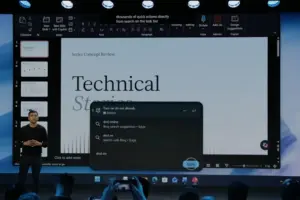
The turning point arrived in May 2024, when Microsoft launched its ambitious Copilot+ PC initiative. In doing so, the company issued a strict mandate: any laptop bearing the Copilot+ label must feature a minimum of 16GB of RAM to handle localized generative AI workloads and system optimizations. Later that year, in October, Apple doubled the base memory of the MacBook Air from 8GB to 16GB while keeping its flagship $999 price tag intact. For a brief window, it appeared the industry had definitively moved past the 8GB bottleneck, establishing 16GB as the new baseline for general-purpose computing.
The 2026 Price Shock and the Return of 8GB
That hard-won progress unraveled rapidly as the industry entered 2026. Market analysis firm TrendForce published a grim forecast in February, predicting that the prices PC makers pay to acquire memory modules would skyrocket by an extraordinary 90 to 95 percent during the first quarter alone.
Faced with crushing supply chain inflation, manufacturers scrambled to protect their operating margins. In March, Apple introduced the MacBook Neo, serving as a rare exception to its newly minted 16GB standard by offering a lower-tier configuration. Simultaneously, Dell reintroduced its XPS 13 lineup with an 8GB base model priced at $699—a configuration that sacrifices both storage capacity and performance headroom to hit a low entry price.
By mid-2026, memory supplier profits reached historic highs while consumer hardware brands began systematically dialing back hardware specs across their product stacks.
Supporting Context & Metrics: Inside the 8GB Bottleneck
To understand why tech journalists and hardware analysts are fiercely advising consumers to avoid 8GB laptops, one must examine how modern operating systems interact with limited memory pools.
The Windows 11 Reality Check
While Windows 11 technically requires a bare minimum of 4GB of RAM to boot, running the operating system efficiently under modern conditions is an entirely different matter. When reviewers tested the base-model 2026 Dell XPS 13 (powered by Intel’s budget-class Core 5 320 processor from the Wildcat Lake line), the performance limitations were immediately apparent.
Immediately upon booting up Windows 11, invisible background processes, system services, and telemetry agents consumed roughly 80 percent of the system’s total 8GB memory pool. Launching a standard web browser and populating it with multiple tabs instantaneously drove memory usage to 95 percent.
This near-total saturation results in immediate, compounding performance penalties:
- Micro-stutters: Scrolling through web pages and navigating the user interface becomes noticeably choppy.
- Aggressive Page Swapping: The operating system is forced to offload active data onto slower solid-state storage via virtual memory paging, degrading system responsiveness and increasing wear on storage drives.
- Multitasking Limitations: Switching between applications triggers noticeable latency as the system struggles to reallocate scarce resources.
Architectural Constraints
Compounding the issue is the physical architecture of modern entry-level processors. Intel’s budget-tier Wildcat Lake chips utilize a single memory channel rather than the dual-channel configuration found on higher-end processors like the Panther Lake series. In an 8GB configuration, the CPU and integrated graphics must share a single, narrow data path to access the memory pool, creating a severe systemic bottleneck.
Benchmark testing underscores the tangible cost of this compromise. Midrange configurations of the same laptop equipped with 16GB of RAM scored roughly 30 percent higher in PCMark 10 performance evaluations and achieved nearly two hours of additional battery life under identical workloads.
Official Statements and Industry Dynamics
The root cause of the current memory shortage extends far beyond standard supply-and-demand fluctuations. It is the direct result of a structural shift in global semiconductor manufacturing driven by the explosive growth of artificial intelligence.
The AI Data Center Gold Rush
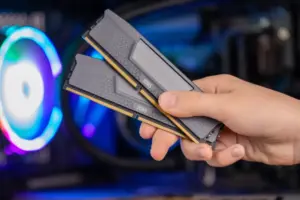
As technology giants race to build and expand enterprise AI data centers, demand for high-performance memory modules—particularly high-bandwidth memory (HBM) and enterprise-grade DDR5—has skyrocketed. Semiconductor fabricators have systematically reallocated manufacturing lines away from traditional consumer DRAM to service these lucrative, high-volume corporate clients.
The human and corporate cost of this pivot has been profound. In February, Micron announced it was winding down Crucial, its popular consumer RAM and SSD brand, to redirect its entire manufacturing supply toward "larger, strategic customers" amid soaring data center demand.
Record Profits and Margin Protection
The financial ramifications of this imbalance are stark. Samsung reported a string of historic operating profits—surpassing 107.4 trillion won in a single quarter—with industry analysts attributing the vast majority of those earnings directly to memory pricing. Meanwhile, consumer-facing divisions across the tech sector have absorbed the brunt of the cost increases.
An analyst at market intelligence tracker OpenBrand explained the macroeconomic reality to Consumer Reports:
"Manufacturers are actively sliding in lower-spec hardware configurations simply to preserve familiar, psychological price points like $599 and $799 for cash-strapped consumers."
Despite these efforts to mask rising costs, the financial pressure is bleeding directly into retail pricing. Acer Chairman and CEO Jason Chen warned in industry briefings that PC prices are expected to climb by another 5 to 20 percent before peaking in the first half of 2027. Chen went on to accuse memory suppliers of deliberately exaggerating the longevity of the supply shortage to safeguard their record operating margins.
Future Outlook: Navigating the Market Through 2027
For consumers in the market for a new computer, the immediate future looks expensive. Whether looking at optimistic or pessimistic market projections, industry consensus dictates that laptops will grow more expensive before component prices stabilize and begin to fall.
Evaluating the Cost of Upgrades
When purchasing a modern machine, buyers are forced to make permanent decisions regarding hardware specifications. Dell, for instance, charges a $200 premium to upgrade the XPS 13 from 8GB to 16GB of RAM. While an extra $200 for 8GB of memory feels like an aggressive markup over raw component costs, it is a necessary investment. Replacing an entire laptop down the line because an 8GB machine has become entirely unusable is vastly more expensive.
For Mac buyers, the landscape is similarly restrictive. Apple’s budget-oriented MacBook Neo provides an accessible entry point, but consumers looking for a modern Mac with 16GB of RAM must look toward higher-tier configurations like the M5 MacBook Air, which commands a significantly higher price tag than previous generations.
Smart Strategies for Buyers
Consumers navigating this difficult hardware market can employ several strategies to avoid the 8GB trap without breaking the bank:
- Prioritize 16GB Configurations: Treat 16GB as the absolute non-negotiable baseline for any Windows or macOS laptop purchase intended to last more than two years.
- Seek Out Upgradable Hardware: Brands like Framework continue to champion modularity, encouraging buyers to utilize DIY editions or laptops with physical memory slots. This allows users to purchase a lower-spec machine and install third-party RAM once market prices eventually normalize.
- Hunt for Remaining Stock: Retailers still clearing out previous-generation inventory of 16GB laptops at pre-inflation prices offer some of the best value in today’s market.
- Avoid the Budget Trap: Buying a cheap 8GB laptop today as a temporary fix is a false economy. An under-specced machine purchased now will remain under-specced when prices eventually fall, forcing an early and costly replacement cycle.
The semiconductor industry will eventually recalibrate production to meet the demands of both AI infrastructure and consumer PCs. Until that correction arrives, however, consumers must remain vigilant against marketing efforts designed to normalize inadequate hardware specifications.