Executive Overview: A New Era of Automated Commerce
The landscape of digital commerce is undergoing its most radical transformation since the advent of the smartphone. As we move through the final quarter of 2026, the industry is witnessing a definitive pivot toward "Agentic Commerce"—an ecosystem where AI agents, advanced logistics, and seamless, cross-channel data flows handle the heavy lifting of retail.
This week’s industry developments reflect a broader trend: the friction between product discovery, payment, and delivery is being systematically dismantled. From AI-powered landing pages that build themselves to cross-border logistics partnerships and autonomous checkout workflows, merchants are no longer just managing storefronts; they are managing ecosystems. This shift is characterized by a move away from static, manual processes toward dynamic, self-optimizing systems that bridge the gap between intent and fulfillment in real-time.
Detailed Chronology of Industry Developments
The Rise of Autonomous Checkout and AI Integration
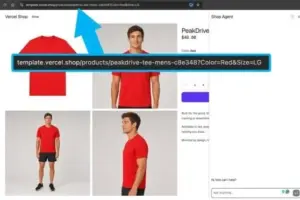
The most significant trend this week is the maturation of "Agentic Checkout." Constructor has launched an AI-driven checkout experience powered by Stripe, allowing shoppers to move from discovery to purchase entirely within a single conversation. This eliminates the need for site-hopping, as the AI agent handles the entire purchase flow, including product refinement and secure payment.

Similarly, Crossmint has introduced its Agent Commerce Toolkit, a developer-centric infrastructure that enables AI agents to handle payment processes at any online store, bridging the gap between autonomous shopping and legacy payment gateways.
Logistics and Fulfillment: Shrinking the Last Mile
Logistics continues to evolve to meet the high expectations set by instant-access AI. Ecom Logistics has launched Ecom Now in Canada, a localized same-day fulfillment solution tailored for Shopify merchants. By integrating storefronts directly with their order-to-door network in major Canadian cities—including Toronto, Montreal, Vancouver, and Calgary—merchants can now guarantee 9:00 p.m. delivery for orders placed before noon, a massive competitive advantage in the Canadian market.
In the enterprise space, Zenkraft has released its "Shipping for Agentic Commerce" app for Salesforce B2C Commerce (Storefront Next). This turnkey solution brings complex logistics—such as branded tracking and real-time return capabilities—directly into the agentic shopping journey, reducing the need for custom integrations.

Marketing and Data Personalization
Marketing tools are becoming more proactive and data-agnostic. Meta has debuted a suite of new AI capabilities, including a business assistant that retains a "memory" of a merchant’s specific business needs. Their integration of generative video tools into Ads Creative Studio and Advantage+ is designed to turn static product imagery into high-performing video content instantly.
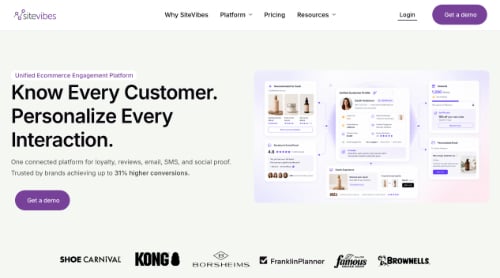
Listrak has expanded its integration with SiteVibes, enabling marketers to synthesize loyalty data with real-time customer behavior. By using webhooks to trigger SMS and email campaigns based on live loyalty events, brands are moving toward a truly unified customer view. Meanwhile, Google Ads has rolled out commerce audience sharing, allowing retailers to share first-party data with brands within the retail media ecosystem, provided they meet strict eligibility criteria.
B2B Portals and Operational Efficiency
The B2B sector is finally shedding its reliance on outdated spreadsheets. SyncSpider has unveiled B2Bware, a centralized portal for managing complex order and inventory data across Odoo, Shopware, and Shopify. This tool aims to eliminate data silos, providing a "single source of truth" for B2B merchants who have historically struggled with disconnected order management systems.

Supporting Context & Metrics: The Maturity Index
As merchants navigate this new environment, the challenge lies in knowing where to start. Shopware has introduced the Agentic Commerce Maturity Index (ACMI), a structured self-assessment tool designed to help merchants gauge their readiness for an AI-first future. By evaluating discovery, transaction capabilities, fulfillment, and operational logic across 24 specific metrics, Shopware provides businesses with a roadmap to navigate the transition to agentic commerce.
On the measurement front, Sellforte has launched its Incremental Pixel. This tool addresses a long-standing pain point in ecommerce: the inaccuracy of traditional attribution. By combining customer journey data with causal evidence from incrementality experiments and marketing mix modeling, the Incremental Pixel allows marketers to see the true incremental value of their paid media spend on a daily basis.
Official Perspectives and Strategic Partnerships
Strategic alliances are driving much of this innovation. The partnership between FedEx Dataworks and Stripe represents a significant move to lower the barrier to entry for SMBs. By combining Stripe’s global financial infrastructure with the physical reach of the FedEx network, the two giants aim to simplify international shipping and provide financing options that were previously inaccessible to smaller players.
In the Indian market, Razorpay is collaborating with OpenAI to integrate ChatGPT Ads into its Razorpay Engage platform. This partnership allows local brands to leverage generative AI to create, launch, and measure ad campaigns, signaling that the "agentic" trend is truly global and not confined to North American or European markets.
Furthermore, Kantar has launched Experience Impact in partnership with Qualtrics. By synthesizing voice-of-customer data with operational metrics, Kantar is helping brands understand the "why" behind their metrics, moving beyond surface-level sentiment to understand how specific experiences actually shape brand perception in the market.
Future Outlook: What to Expect in 2027
The current trajectory suggests that the role of the merchant will continue to shift from "operator" to "architect." As tools like Typeform’s AI Landing Pages and DaVinci Commerce’s Product Context Memory become industry standards, the manual setup of campaigns and storefronts will become a relic of the past.

Key Predictions for the Coming Year:
- The Death of the Static Checkout: As agentic checkouts gain traction, the traditional, multi-step checkout funnel will likely be replaced by conversational, single-step interfaces where the payment is handled in the background by AI agents.
- Hyper-Personalization at Scale: With the integration of loyalty data into cross-channel marketing (as seen with Listrak and SiteVibes), brands will move toward "predictive marketing," where offers are sent not because a customer might want them, but because their behavior pattern dictates they will need them.
- The Rise of the "Invisible" Supply Chain: Logistics providers will increasingly prioritize integrations that allow for "delivery orchestration," where the shipping method, carrier, and return policy are dynamically selected by AI based on real-time cost, speed, and customer preference.
- Consolidation of Data: Expect to see more "unified portal" solutions like SyncSpider’s B2Bware, as businesses realize that disparate data sources are the primary bottleneck to effective AI deployment.
The message for merchants is clear: the technology is no longer the barrier. The winners in the next phase of ecommerce will be those who can best orchestrate these new, automated services to create a frictionless, high-value experience for the consumer. As we look ahead to 2027, the focus will shift from "can we automate this?" to "how can we use this automation to build a deeper, more resilient brand relationship?"
Do you have an ecommerce product release or a breakthrough in retail technology? Reach out to our editorial team at [email protected] to be featured in our upcoming industry roundups.