In the modern digital economy, words are not merely instruments of artistic expression; they are capital assets. For those who master the discipline, copywriting serves as the ultimate engine for customer acquisition, scaling early-stage ventures into multi-million-dollar enterprises. Having built, scaled, and successfully exited a digital marketing agency before taking the helm as a partner at Copyblogger, industry veterans have long observed a fundamental truth: nearly all compounding revenue flows from written marketing channels—ranging from high-intent blog posts and targeted social media content to direct-response email newsletters.
Yet, aspiring writers and entrepreneurs frequently stumble by mistaking eloquence for efficacy. The market does not reward flowery prose; it compensates clarity, conciseness, and conversion. To construct high-performing copy, one must move past the superficial craft of writing and focus entirely on generating a measurable return on investment (ROI). This report synthesizes ten foundational, battle-tested pillars designed to transform ordinary writers into elite, revenue-generating copywriters.
DETAILED CHRONOLOGY: THE EVOLUTION OF MODERN COPYWRITING
The trajectory of digital copywriting has undergone a profound structural shift over the past decade.
Phase One: The Era of SEO Keyword Stuffing (Early 2010s). Early digital marketing relied heavily on gaming search engine algorithms through volume-based content and rigid keyword insertion. Copywriting took a backseat to technical optimization.
Phase Two: The Rise of Direct-Response Content (Mid 2010s). As social media platforms matured, brands discovered the power of native storytelling. Copywriters shifted toward emotional resonance, longer-form sales pages, and community-driven engagement.
Phase Three: The Data-Driven Ecosystem (Present Day). Today, copywriting is inextricably linked to data analytics, AI-assisted research, and precise audience segmentation. Modern copywriters are no longer isolated wordsmiths; they are data analysts who translate consumer pain points into scalable commercial pipelines.
SUPPORTING CONTEXT & METRICS: THE TEN PILLARS OF HIGH-ROI COPYWRITING
Achieving mastery in copywriting requires adopting a systematic framework. Below are the ten foundational rules that separate hobbyist writers from top-tier professionals.
1. Talk to Customers (And Mine Their Pain Points)
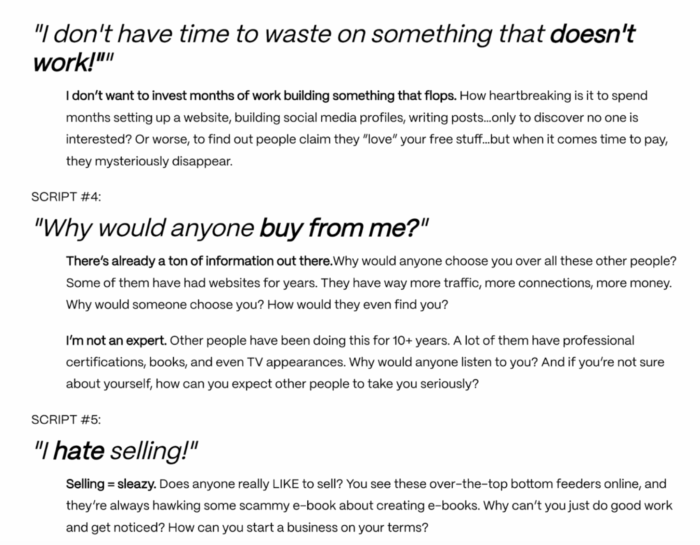
Your primary objective as a copywriter is to capture attention, build trust, introduce a viable solution, dismantle objections, and convert the reader. To execute this seamlessly, you must mirror the exact reality of your target audience.
Rather than relying on generic value propositions—such as "how to make more money"—elite copywriters study consumer behavior deeply. For instance, top-performing landing pages do not just promise financial freedom; they dissect the monotony of the 9-to-5 grind, evening Netflix binges, and weekend errands. By feeding sales call transcripts into analytical models or mining niche communities on Reddit, copywriters can extract authentic consumer language, mapping out objections and building copy that resonates on a visceral level.
2. Learn From Competitors Using Ad Libraries
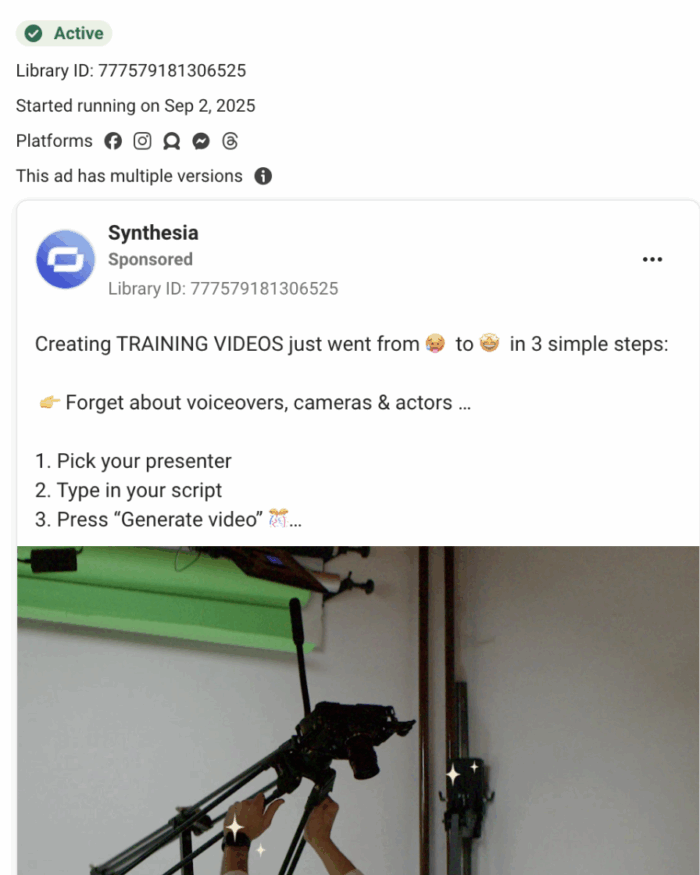
Do not reinvent the wheel. Industry leaders have already deployed substantial capital testing ad copy across digital networks. By examining platforms like the LinkedIn or Facebook Ads Library, writers can identify which creatives have maintained longevity in the market. Long-running ads inherently signal winning messaging strategies. Analyzing these campaigns uncovers hidden friction points—such as how messy CRM data leads directly to lost enterprise deals—providing invaluable context for your own writing.
3. Cultivate a Professional Swipe File
A professional swipe file serves as a repository of inspiration. Compiling high-performing headlines, sales pages, and ad creatives trains the brain to recognize structural patterns that trigger user action. Furthermore, referencing curated archives like SwipeFile.com exposes aspiring writers to time-tested frameworks curated by industry veterans, bypassing the steep learning curve of trial and error.
4. Establish a Repeatable Writing Process
Writer’s block is typically the byproduct of an unstructured workflow. High-converting copy is merely the strategic assembly of pain points, rebuttals, and calls to action (CTAs). By establishing a strict, step-by-step writing process for each medium—whether a blog post, a LinkedIn thread, or an email sequence—writers ensure consistent quality, eliminate creative fatigue, and systematically address every psychological trigger required for conversion.
5. Practice Intentionally Through Real-World Execution
Theoretical knowledge is insufficient; muscle memory is required. The most effective way to sharpen copywriting skills is to deploy them on personal projects. Whether launching an affiliate marketing site, ghostwriting on professional networks, or building a micro-SaaS application, writing for your own commercial outcomes shifts your perspective. When you experience the direct correlation between copy and revenue generation, your value to external clients increases exponentially.
6. Embrace AI as a Research and Phrasing Partner
Artificial intelligence should not replace the creative spark, but it serves as an exceptional force multiplier. Modern copywriters leverage AI across three specific use cases:
Pain Point Discovery: Prompting models to outline common customer frustrations to jog memory and guide research.
Clarity and Phrasing: Submitting dense passages to refine sentence structure and tone.
Expert Citation Mining: Using AI to surface high-value quotes and discussions from industry leaders to bolster authority.
7. Master One Specific Platform
An omni-channel approach often dilutes a writer’s effectiveness early in their career. Nuances dictate success: thought leadership content thrives on LinkedIn, whereas actionable, step-by-step guides dominate search-driven blogs. By mastering the algorithm, distribution channels, and consumption habits of a single platform, a copywriter can generate superior returns and command premium pricing.
8. Rigorously Measure the ROI of Your Work
Subjective feedback is the enemy of progress. Ten different reviewers will offer ten conflicting opinions on a piece of copy. Instead, rely on hard data:
Social Media: Track the qualitative profile of commenters (e.g., attracting decision-makers rather than junior personnel) and implement attribution fields on signup forms.
Blogs: Set up advanced conversion tracking in analytics platforms to tie organic traffic directly to pipeline growth.
Sales Pages: Monitor funnel conversion rates closely with stakeholders to validate the financial impact of the copy.
9. Join an Accountable Community
Isolated learning is slow and punishing. Surrounding oneself with peers, mentors, and multi-figure marketers accelerates professional growth. Communities provide safe environments to pressure-test ideas, solicit constructive critiques from seasoned professionals, and unlock strategic career referrals.
10. Be Impatient With Action, Patient With Results
Borrowing from investor Naval Ravikant’s philosophy, the ultimate test of a copywriter is consistency. Push aggressively to write, test, and refine your output daily, but temper your expectations regarding immediate commercial returns. Compounding takes time; if you execute diligently over a sustained period, market success is inevitable.
OFFICIAL STATEMENTS & INDUSTRY PERSPECTIVES
Reflecting on the psychological frameworks driving modern commercial writing, digital marketing leaders emphasize that copywriting has evolved far beyond traditional advertising.
"Great copywriters do not write to sound intelligent; they write to make the reader feel completely understood. When your prospect realizes you can articulate their pain better than they can themselves, the sale is essentially closed."
— Digital Marketing & Copywriting Leadership Consensus
Industry analysts note that as artificial intelligence floods the internet with homogenized content, the value of hyper-targeted, empathy-driven copywriting sourced from authentic human research has never been higher. Brands that successfully marry data analytics with persuasive storytelling continue to dominate customer acquisition metrics across both B2B and B2C landscapes.
FUTURE OUTLOOK
The future of copywriting belongs to the hybrid professional: the writer who understands algorithmic distribution, leverages AI-driven research without sacrificing authenticity, and ties their creative output directly to bottom-line revenue.
As digital noise increases, consumers have developed sophisticated filters against superficial marketing. Enterprises will increasingly invest in elite copywriters who can prove a positive return on ad spend and organic investments alike. For those willing to embrace disciplined processes, rigorous data measurement, and collaborative communities, the digital landscape offers unprecedented leverage to build resilient, highly profitable careers.