Executive Overview: A Paradigm Shift in Traffic Quality
For years, digital marketers have obsessed over the "Holy Grail" of traffic: organic search. We have spent billions collectively on SEO, link building, and technical audits to climb the SERP (Search Engine Results Page) ladder. However, a quiet, tectonic shift is occurring beneath our feet. While the volume of traffic originating from Generative AI (GenAI) platforms like ChatGPT may seem modest when compared to the vast ocean of Google Search, its quality is rapidly outstripping it.
In recent months, data analysis from various client sites reveals a counterintuitive trend: traffic arriving via ChatGPT is frequently more engaged, more intent-driven, and more valuable than traditional organic search traffic. As we move deeper into the era of AI-integrated browsing, businesses that ignore this emerging channel risk missing out on their most qualified leads. This article serves as an investigative deep dive into how to track, analyze, and capitalize on this new, high-intent traffic source.
Detailed Chronology: The Rise of AI Referrals
The evolution of search has moved from keyword matching to intent fulfillment. When a user queries a traditional search engine, they are presented with a list of links. When a user queries ChatGPT, they are presented with a solution.

Historically, tracking this transition has been difficult because ChatGPT does not behave like a standard browser. Early in the adoption phase of LLMs, web analysts noted that referrals from these tools were erratic or nonexistent. As OpenAI began to refine the browsing features of ChatGPT—allowing the model to cite sources and link to external content—a new type of "Referral" traffic began to emerge in Google Analytics 4 (GA4).
Initially, this traffic was dismissed as noise or negligible. However, as the user base for GenAI tools has skyrocketed, we have observed a shift. The "ChatGPT Referrer" is not a passive browser; they are a user who has just received a tailored, AI-generated answer to a specific pain point. When they click a link in a ChatGPT response, they are not "browsing"—they are taking the next logical step in a journey the AI has curated for them. This creates a level of conversion-readiness that traditional organic traffic rarely achieves.
Supporting Context: Metrics and the "Unassigned" Trap
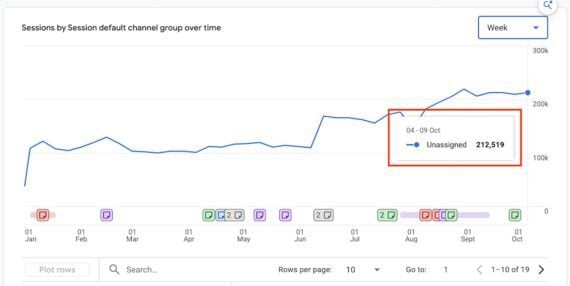
One of the greatest challenges in modern web analytics is the phenomenon of "Unassigned" traffic. Because platforms like ChatGPT prioritize user privacy, they often append a noreferrer attribute to external links. This strips away the referral string that GA4 uses to identify the source of a visit.
The Misclassification Problem
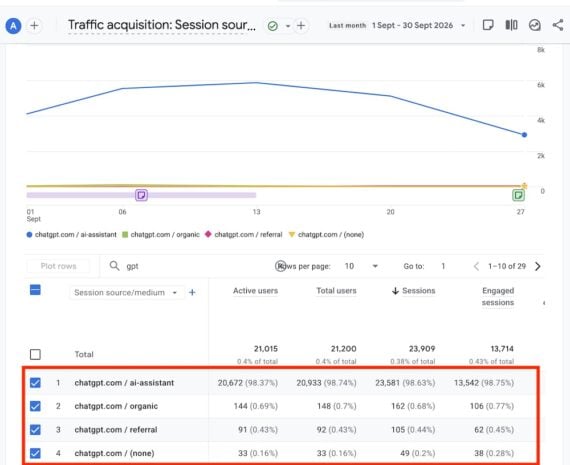
When a user clicks a link from a GenAI chat, GA4 frequently cannot determine the origin. Consequently, it dumps this data into the "Unassigned" or "Direct" buckets. For many organizations, the growth of "Unassigned" traffic in recent quarters is not a sign of poor tracking implementation, but rather a direct indicator of the increasing influence of AI-driven referrals.
Decoding the Engagement
Despite the tracking hurdles, the data we can isolate reveals a compelling story. When we isolate traffic specifically tagged as coming from "chatgpt.com" or related sources, the engagement metrics are startling:
- Lower Bounce Rates: Users arriving from AI-curated answers are significantly more likely to stay on the page.
- Higher Time-on-Site: Because the content is pre-qualified by the AI to match the user’s query, the user is more likely to consume the full article or product page.
- Increased Conversion Propensity: The "Solution-First" mindset of the user means they are further down the sales funnel than a standard Google searcher.
Strategic Analysis: How to Track and Capitalize on ChatGPT Traffic
To leverage this, you must first move beyond the default GA4 reports. You need to build custom visibility into your AI traffic.
Step 1: Implementing the "GPT" Filter
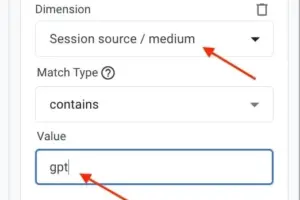
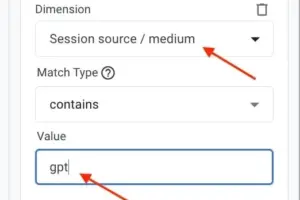
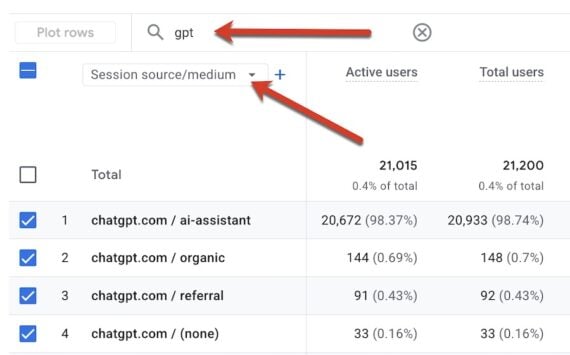
You cannot manage what you cannot see. In GA4, navigate to Acquisition > Traffic acquisition. From there, you should create a custom report that specifically filters for traffic sources containing the string "gpt." By building this filter, you isolate the traffic coming from OpenAI’s ecosystem, allowing you to see which landing pages are being cited by the AI most frequently.
Step 2: Reverse-Engineering the Prompts
ChatGPT does not provide you with the user’s original prompt. However, you can derive it through context. By looking at the specific landing pages being surfaced by the AI, you can infer the problems the users were trying to solve.
- Actionable Insight: If a specific product page or troubleshooting guide is receiving high-intent traffic from ChatGPT, query the AI directly. Ask: "What specific questions or prompts would lead a user to seek out [Insert Your URL] as a solution?"
- This allows you to optimize your content specifically for the AI’s recommendation engine, rather than just optimizing for search engine crawlers.
Step 3: Utilizing Secondary Tools
Don’t rely solely on GA4. Use tools like Google Search Console (GSC) to monitor query trends, but supplement this with AI-specific monitoring tools and internal log analysis. Monitoring your brand mentions within AI conversations—or even manually testing your products against popular LLMs—is no longer optional.

Official Perspectives: The Shifting Landscape of Search
The industry is currently divided on the long-term viability of AI referral traffic. Some experts argue that as "Search Generative Experience" (SGE) and similar features become more integrated into Google itself, the "Referral" link will vanish entirely, replaced by a "Closed-Loop" ecosystem where users stay within the AI interface.
However, the counter-argument is just as strong: the "Human-in-the-loop" economy requires verifiable, external sources. Users are increasingly wary of "hallucinations." They want to click through to an authoritative source to verify the AI’s claims. This makes high-authority, high-trust websites more important than ever. If your site becomes the "go-to" source for an AI to cite, you have secured a permanent place in the new digital ecosystem.
Future Outlook: Preparing for the AI-First Era
The trend of ChatGPT traffic being the most engaging source is not a temporary anomaly; it is a preview of the future of the web. As LLMs become more integrated into our daily workflows—from drafting emails to writing code to planning travel—the "Referral" will become the most valuable currency in digital marketing.
Strategies for the Future:
- Prioritize "Answer-First" Content: Write content that directly answers complex, multi-layered questions. AI favors content that provides a clear, logical, and factual answer to a problem.
- Focus on Brand Authority: LLMs are trained to prioritize authoritative, reliable sources to minimize misinformation. Your E-E-A-T (Experience, Expertise, Authoritativeness, and Trustworthiness) strategy is now your AI-optimization strategy.
- Monitor the "Dark" Traffic: As privacy-focused browser settings and AI referral masking increase, "Unassigned" traffic will likely continue to grow. Invest in first-party data collection and server-side tracking to ensure you don’t lose sight of where your most valuable customers are coming from.
Final Thoughts
We are moving away from the era of "Clickbait" and towards the era of "Answer-Optimization." While the volume of traffic from ChatGPT may not yet rival the sheer scale of organic search, its efficiency as a lead-generation tool is unmatched. By mastering the art of tracking these referrals and aligning your content with the needs of GenAI models, you are not just keeping pace with technology—you are positioning your brand to lead in the next iteration of the internet.
The data is clear: the most valuable visitor is the one who was told exactly where to go by an intelligent assistant. Are you ready to be the answer they find?