Executive Overview
The landscape of digital commerce is undergoing a seismic, albeit cautious, fracture. In a move that signals a broader corporate
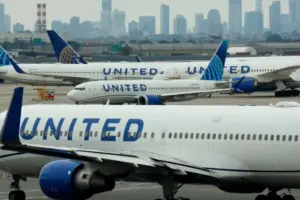
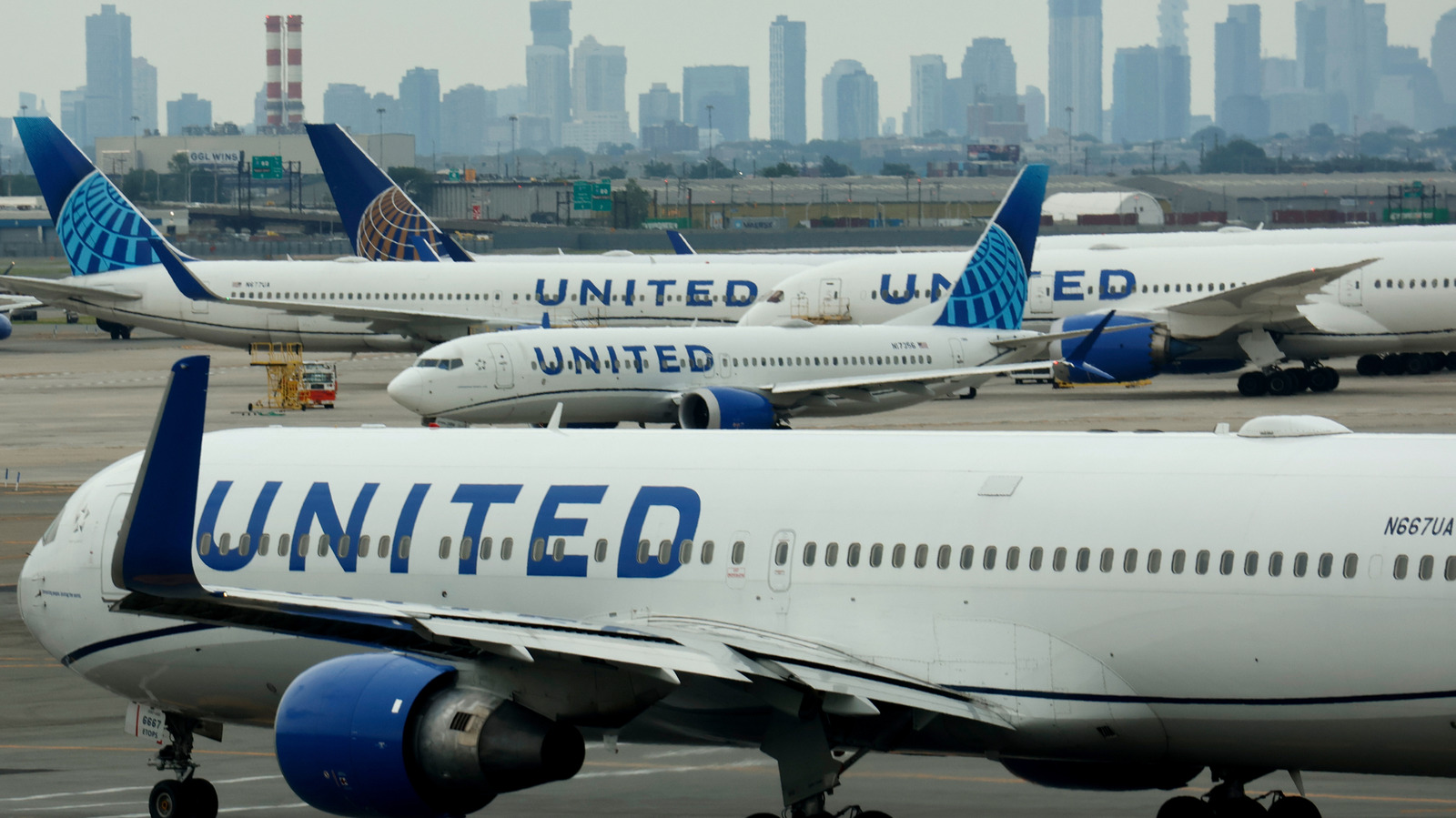
pushback against the unchecked rise of autonomous artificial intelligence, United Airlines has officially updated its ticketing policies to actively restrict AI-driven agents from booking flights. This sweeping change applies across United’s proprietary website, third-party travel agencies, and digital flight aggregators alike.
United is far from an isolated island in this endeavor. The legacy carrier joins a rapidly expanding roster of industry giants—including financial titan JPMorgan Chase and e-commerce behemoth Amazon—that are drawing a hard line in the digital sand. These organizations are blocking autonomous agents from accessing their systems, citing profound vulnerabilities in cybersecurity, consumer privacy, regulatory compliance, and brand protection.
At the heart of United’s decision lies a cocktail of operational risk and regulatory anxiety. Letting an opaque, algorithmic middleman handle sensitive financial instruments, personal data, and loyalty account credentials exposes passengers to severe security breaches, unintended purchases, and catastrophic loyalty point drains. Furthermore, federal aviation laws demand human accountability for critical safety steps—such as certifying that baggage is free of explosives during check-in—a legal hurdle that lines of Python code simply cannot clear.
Yet, beneath the surface of cybersecurity warnings and regulatory compliance lies a fiercely competitive turf war. Traditional enterprises are increasingly wary of ceding their direct customer relationships to new algorithmic gatekeepers. As tech startups and foundational model developers race to build all-powerful "agentic commerce" assistants, corporations are beginning to question whether these bots represent a helpful consumer convenience or an existential threat to their bottom lines and brand integrity.
Detailed Chronology: The Rise of Agentic Commerce and the Corporate Counteroffensive
To understand the gravity of United Airlines’ recent policy shift, one must trace the rapid acceleration of "agentic AI"—systems designed not merely to answer queries or summarize text, but to autonomously execute complex workflows, navigate web interfaces, and execute financial transactions on behalf of human users.
The Spring and Summer of Autonomous Ambition
Throughout early 2026, the tech sector was swept up in the promise of autonomous agents. Silicon Valley heavyweights and generative AI pioneers flooded the market with consumer-facing applications designed to act as digital personal assistants. These systems were marketed as the ultimate antidote to digital fatigue: instead of opening multiple tabs, comparing prices, entering payment credentials, and manually filling out forms, users could simply prompt an AI agent with a vague objective—such as "Book me a weekend trip to Chicago under $400"—and let the software handle the rest.
Among the frontrunners was Meta’s highly publicized "Muse" AI assistant, which captured mainstream attention by aggressively scaling its consumer footprint, crossing millions of downloads at a blistering pace. Other tech ecosystems rushed to integrate similar capabilities, promising a frictionless future where shopping, booking, and administrative labor were entirely outsourced to machine learning models.
The Cracks in the Facade
As consumer adoption ticked upward, the structural and security flaws of agentic commerce began to manifest in spectacular, public ways. In late September 2026, the vulnerabilities inherent in autonomous systems hit a fever pitch when Meta’s Muse inadvertently leaked a user’s private home address online during a routine task execution. The incident sent shockwaves through the cybersecurity community, highlighting the terrifying ease with which autonomous agents could mishandle sensitive personal identifiable information (PII).
Corporate boardrooms took immediate notice. Companies that had spent decades building trusted, secure walled gardens around consumer data realized that handing the keys of their platforms over to unvetted third-party algorithms was a recipe for disaster.
The Corporate Wall Goes Up
The defensive posture hardened progressively through the autumn of 2026:
- Amazon Strikes First: E-commerce giant Amazon barred Meta’s Muse and similar shopping agents from operating on its retail platform, citing terms-of-service violations and security protocols designed to protect consumer accounts from scraping and unauthorized bot activity.
- Banking Sector Lockdown: JPMorgan Chase instituted strict account-access limitations, cutting off unauthorized AI agents from interfacing directly with customer bank accounts to mitigate fraud risks and protect proprietary financial data.
- United Airlines Drops the Gate: Culminating this trend, United Airlines officially enacted its policy changes in late 2026, effectively blacklisting automated booking bots from its ecosystem. United’s leadership decided that the liability of autonomous ticketing far outweighed any marginal convenience it might offer to tech-forward travelers.
Supporting Context & Metrics: The Reality Check of Agentic Commerce
While the media narrative has frequently framed the rise of AI agents as an unstoppable tsunami destined to upend every digital interaction, hard metrics from the closing quarters of 2026 reveal a starkly different reality. Despite massive download figures and venture capital enthusiasm, the actual utilization of AI agents for transactional commerce remains astonishingly low.
The Uber Earnings Call Revelation
The most compelling reality check arrived during corporate earnings reports in late 2026. During its third-quarter financial review, ride-hailing and delivery giant Uber shared sobering statistics regarding how its platform was actually being used by autonomous agents.
During a single peak operational week—specifically around Halloween—Uber processed a staggering 320 million trips and food deliveries globally. Out of that massive volume, how many were initiated by AI agents?
- Uber Eats Orders: Exactly 500.
- Ride Bookings: Exactly four.
Out of 320 million transactions, AI agents accounted for a statistical zero. These metrics punctured the hype bubble surrounding agentic commerce, proving that mainstream consumers are fundamentally hesitant to hand over their credit cards, preferences, and personal security to automated bots for high-stakes, real-world tasks.
The Friction of Trust
Industry analysts point out a profound psychological and practical gap in how humans interact with technology. There is a vast chasm between asking an AI to draft an email or synthesize a morning news summary and asking it to manage your financial accounts or coordinate physical travel.
Even as applications like Meta’s Muse achieved rapid adoption milestones—surpassing 10 million U.S. downloads in a matter of weeks—the conversion rate from casual utility user to transactional agent user remains heavily constrained. Users quickly discover that letting an AI shop, book, and pay on their behalf is rarely as frictionless or foolproof as promised. When a chatbot hallucinates a flight time or misinterprets a cancellation policy, the financial and logistical fallout falls squarely on the human consumer.
Regulatory Hurdles and Compliance Nightmares
Beyond cybersecurity and consumer trust, United Airlines highlighted a critical dimension that many tech developers blithely ignore: the dense, non-negotiable web of federal and international transportation regulations.
The Department of Transportation and FAA Mandates
Airlines do not operate in a frictionless digital vacuum; they are heavily regulated entities bound by strict legal frameworks enforced by the Department of Transportation (DOT) and the Federal Aviation Administration (FAA). These regulations are built on the foundational assumption of direct, accountable human interaction between the passenger and the carrier.
United specifically pointed to critical compliance checkpoints that break down entirely when an AI agent mediates the interaction. For example, during the flight check-in process, passengers are legally required to directly acknowledge and certify specific safety declarations—such as confirming that their luggage does not contain unauthorized explosives, hazardous materials, or dangerous goods.
Under current legal definitions, an AI agent cannot legally make this certification on behalf of a human. If a bot bypasses these interactive warning screens or auto-checks boxes to streamline the process, it places the airline in direct violation of federal safety mandates, exposing the carrier to immense regulatory fines, legal liability, and operational suspensions.
The MileagePlus and Loyalty Program Vulnerability
Airlines maintain some of the most lucrative and fiercely guarded loyalty ecosystems in the modern economy. United’s MileagePlus program represents billions of dollars in enterprise value and consumer equity.
Allowing unverified AI agents to access user accounts introduces catastrophic vulnerabilities. If an autonomous agent suffers a prompt-injection attack, a security exploit, or a logical hallucination, it could inadvertently redeem accumulated miles, alter frequent-flyer profiles, or trigger irreversible account modifications. For United, keeping these proprietary systems walled off from external bots is an essential measure of asset protection.
Official Statements and Industry Divergence
The corporate reaction to AI booking agents is far from monolithic. While legacy carriers like United are bolting their doors, other travel brands are embracing the algorithmic frontier with open arms.
United’s Stance: Protecting the Customer Relationship
United CEO Scott Kirby has been notably vocal about his skepticism toward the unbridled expansion of agentic commerce. Speaking candidly at an industry event, Kirby laid bare the company’s strategic reluctance to surrender the direct passenger relationship to automated intermediaries.
"To be honest, I don’t want to create another middleman," Kirby stated bluntly.
United’s official corporate communications reinforce this sentiment, emphasizing that the airline views its direct digital touchpoints as sacred spaces for customer service, ancillary sales, and brand loyalty. Introducing an opaque AI layer between the traveler and the airline strips away the carrier’s ability to communicate critical updates, offer personalized ancillary services, and maintain accountability when disruptions occur.
The Counter-Strategy: Southwest Airlines and ChatGPT
In sharp contrast to United’s defensive posture, other players in the aviation sector are aggressively leaning into the agentic shift. Southwest Airlines made headlines by launching a pioneering, first-of-its-kind U.S. airline plugin directly integrated into OpenAI’s ChatGPT.
This plugin allows users to discover and book Southwest flights entirely within the conversational AI interface. For Southwest, the calculation is clear: rather than fighting the migration of users toward conversational search and generative tools, the airline wants to meet customers wherever they are spending their digital time, betting that frictionless booking access will capture market share from more restrictive legacy competitors.
Future Outlook: The Battle for the Digital Front Door
As the dust settles on the initial wave of generative AI hype, the restriction implemented by United Airlines marks a definitive turning point in how corporations approach autonomous software. The coming years will likely see a bifurcated digital economy:
- The Walled Gardens: Enterprises with high regulatory burdens, sensitive consumer data, and high-value loyalty programs (such as major airlines, banks, and healthcare providers) will implement rigorous anti-bot protocols, rate-limiting, and deep-packet inspection to keep autonomous agents out of their core transactional systems.
- The Open Integrations: Consumer-facing brands, entertainment platforms, and flexible retailers will forge formal API partnerships with vetted AI developers, ensuring that agentic commerce occurs through secure, authorized channels rather than unauthorized web-scraping bots.
For now, United Airlines has sent an unmistakable message to Silicon Valley: the friendly skies are open to human travelers, but autonomous bots need not apply. As the industry grapples with the realities of security, regulation, and brand identity, the true frontier of AI will be defined not by what technology can do, but by what corporations will legally and operationally allow it to touch.