
Executive Overview
In the modern digital economy, the difference between a stagnant enterprise and a thriving seven-figure business rarely boils down to the quality of the product alone. More often than not, it comes down to the written word—specifically, the strategic deployment of copywriting. For entrepreneurs and marketers who have generated millions online, the secret to scalable customer acquisition is rarely found in expensive ad spends or complex funnels. Instead, it rests on written marketing channels: blog posts, targeted social media commentary, and high-converting email newsletters.
However, a prevailing misconception plagues the digital marketing landscape: the belief that great copywriting requires flowery, highly eloquent prose. Industry veterans emphasize the exact opposite. Exceptional copywriters are not measured by their vocabulary; they are measured by their clarity, conciseness, and, most importantly, their ability to convert passive readers into active customers.

By prioritizing revenue generation over artistic prose, copywriters can consistently prove a higher return on investment (ROI) than the market average. To bridge the gap between novice writing and elite-level revenue generation, industry leaders have outlined ten definitive rules for mastering the craft, leveraging modern tools like artificial intelligence, and building a sustainable, high-yielding business model.
Detailed Chronology: The Evolution of Modern Copywriting
The trajectory of digital copywriting has shifted dramatically over the past two decades. Understanding this evolution is critical for anyone looking to scale a modern digital enterprise.
Phase One: The Era of Eloquence (Early 2000s)
In the nascent stages of digital marketing, online writing mirrored traditional print advertising. Brands focused heavily on brand voice, clever taglines, and long-form storytelling that prioritized creative expression over direct response. Websites were treated as digital brochures rather than conversion engines.
Phase Two: The Keyword Stuffing and SEO Boom (2010s)
As search engines matured, the industry shifted toward algorithmic optimization. Copywriting became mechanical. Writers focused on satisfying search engine crawlers by inserting exact-match keywords into articles, often sacrificing readability and user experience. While this generated traffic, it frequently failed to build genuine trust or drive meaningful customer acquisition.
Phase Three: The Direct-Response and Content-Led Growth Era (Present Day)
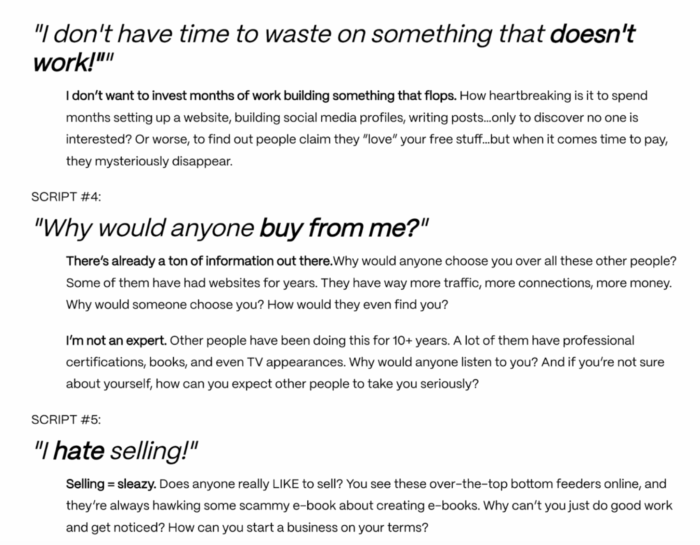
Today, copywriting has evolved into a sophisticated blend of behavioral psychology, deep customer research, and data-driven attribution. Modern copywriters must understand how to capture fleeting attention spans, dismantle deep-seated consumer objections, and navigate cross-platform ecosystems. Success is no longer measured by impressions or vanity metrics, but by tangible conversions, lead generation, and attributable revenue.
Supporting Context & Metrics: The 10 Commandments of High-Converting Copy
To master this modern era of content-led growth, copywriters must internalize ten foundational pillars.

1. Talk to Your Customers (And Know Their Pain Points)
The primary objective of any piece of copy is to capture attention, build trust, introduce a viable solution, dismantle objections, and drive a conversion. To achieve this, you must deeply understand your target audience’s daily frustrations, aspirations, and linguistic patterns.
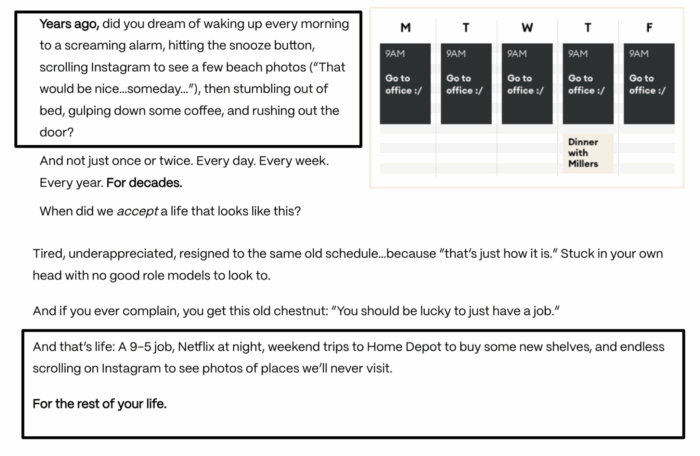
Rather than relying on generic value propositions—such as "here is how to make more money"—elite copywriters mirror the exact reality of their prospects. For instance, high-performing sales pages (such as those analyzed in prominent digital courses) successfully capture attention by detailing mundane daily realities: the 9-to-5 grind, evening television routines, and weekend errands. By repeating these specific pain points back to the reader, you prove that your solution was designed explicitly for them.

- Tactical Research Methods: When time or direct access to a client’s customer base is limited, utilize sales call transcripts, analyze sales team feedback, or scour community-driven platforms like Reddit and Facebook groups. Feeding these community discussions into AI analytical tools can rapidly surface the most common objections and emotional triggers of your target demographic.
2. Learn From Your Competitors
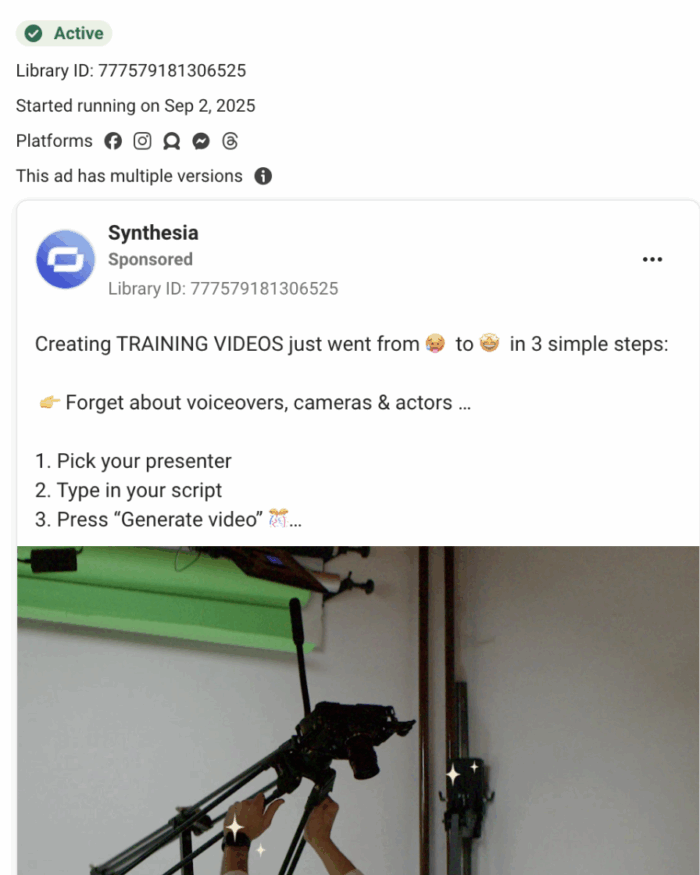
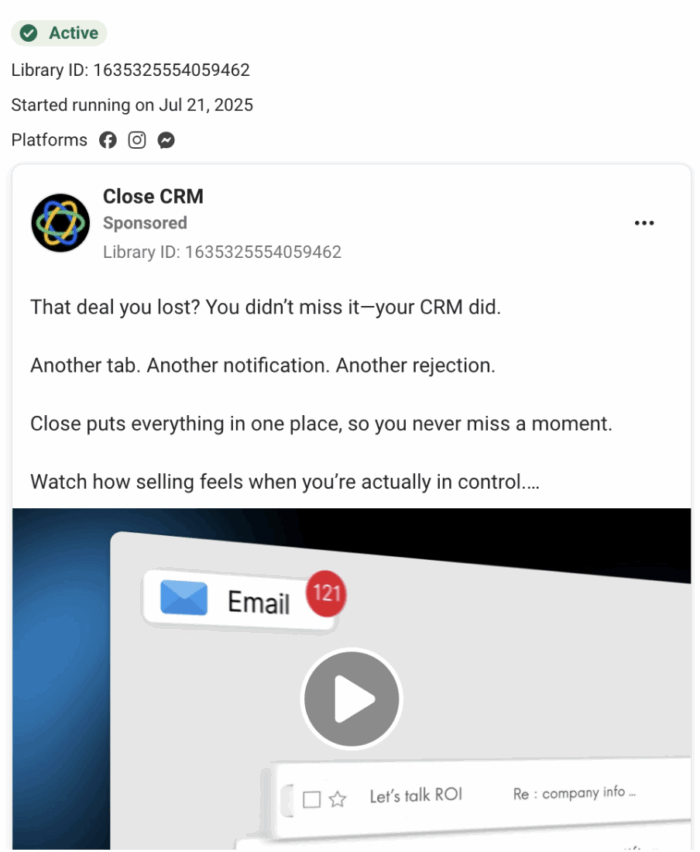
Do not start your copywriting process from a blank page. Leading competitors within your industry have already invested substantial time, capital, and data-testing into discovering what works. Utilize platforms like the LinkedIn or Facebook Ad Libraries to analyze long-running competitor ads. Ads that run for extended periods typically feature proven, highly effective pain points. Use these insights as a baseline to inform your own emails, sales pages, and blog content.
3. Build and Maintain a Swipe File
Collecting high-performing copy is a hallmark of professional copywriters. Curate a personal swipe file featuring exceptional headlines, landing pages, and ad copy. Additionally, reference established industry resources—such as curated swipe directories maintained by veteran marketers—to study copy that has been vetted by professionals who possess a sharp eye for market psychology.

4. Establish a Repeatable Writing Process
Professional copywriting is rarely the result of sudden bursts of inspiration; it is the systematic integration of pain points, objections, and clear calls to action (CTAs). Establishing a structured writing process eliminates writer’s block and ensures no critical conversion element is overlooked. Whether you are drafting a blog post, a sales page, or a newsletter, a standardized workflow guarantees consistency and efficiency.
5. Practice Writing Through Real-World Application
The only path to mastery is deliberate practice. However, the most productive way to practice is by writing copy for your own digital products, services, or side projects. Whether you launch an affiliate marketing blog, offer ghostwriting services, or market a small software tool, building demand for your own ventures provides invaluable lessons in purchase intent versus mere visitor traffic. Furthermore, these self-built projects serve as verifiable case studies when pitching prospective clients.

6. Embrace AI for the Right Use Cases
While artificial intelligence should never be used to blindly generate entire pieces of copy from scratch, it serves as a powerful operational partner when utilized correctly. Key high-leverage use cases include:
- Pain Point Research: Using prompts to surface common customer frustrations and psychological barriers.
- Sentence Phrasing: Rewriting complex or muddy passages to ensure maximum clarity and readability.
- Expert Sourcing: Identifying quotes, case studies, and insights from industry experts across platforms like LinkedIn to substantiate your claims.
7. Master One Platform
Different digital channels require entirely different structural frameworks. Thought leadership excels on LinkedIn, whereas actionable, step-by-step frameworks perform best on search-driven blogs. By mastering the algorithm, audience psychology, and technical nuances of a single platform, you can consistently deliver a higher ROI for your clients—thereby justifying higher professional rates.
8. Rigorously Measure the ROI of Your Work
Subjective feedback from peers will yield a dozen conflicting opinions on how to improve your copy. True success, however, is measured by data.
- For Ghostwriting: Evaluate the profile quality of your commenters. Attracting high-level industry decision-makers indicates successful targeting, whereas general engagement from unqualified audiences does not.
- For Blogs: Implement conversion tracking via analytics platforms to tie organic traffic directly to lead generation and sales, rather than chasing raw visitor numbers.
- For Sales Funnels: Continuously analyze conversion rates and demo signups linked directly to your copy assets.
9. Join a Community and Seek Constructive Feedback
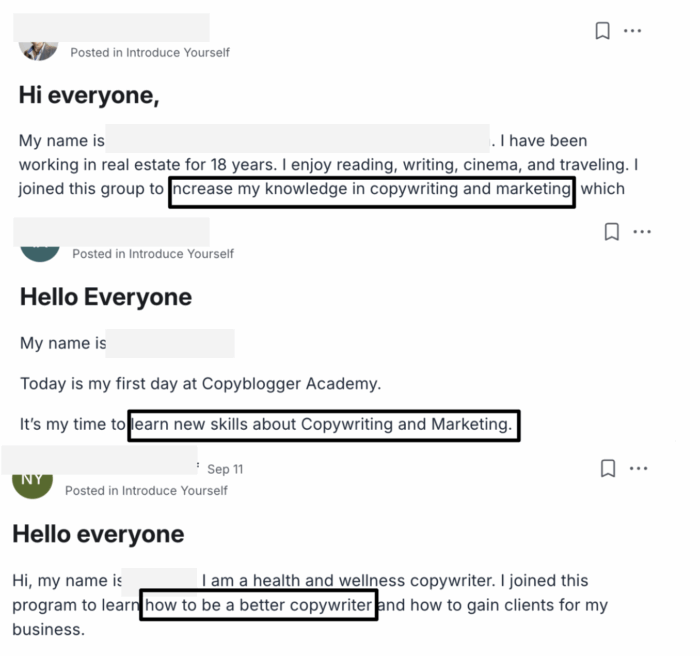
Building a career as a copywriter can be a solitary pursuit. Accelerate your growth by embedding yourself within a community of practitioners where you can share work, analyze mistakes, and exchange job referrals. Ensure that you weigh feedback from proven, multi-figure marketers more heavily than input from fellow beginners.
10. Be Impatient With Action and Patient With Results
Echoing the philosophy of prominent investors, elite copywriters practice relentless daily execution while maintaining a long-term perspective. Success in written marketing rarely materializes overnight; it requires months of consistent testing, refining, and publishing before sustainable compounding effects take hold.
Official Statements & Industry Perspectives
Industry leaders who have scaled digital agencies and educational communities emphasize that the ultimate evolution of a copywriter lies in business acumen.

"Becoming a better copywriter doesn’t mean you write more eloquently. In fact, the opposite is often true. Great copywriters are clear, concise, and ultimately convert readers into customers." — Industry Consensus from Digital Marketing Leaders
Experts stress that businesses are not paying for words on a page; they are paying for revenue generation. When a copywriter learns to align their writing directly with customer acquisition, lead quality, and bottom-line growth, the entire perception of the profession shifts from a creative expense to an essential revenue driver.
Future Outlook
As artificial intelligence continues to saturate the internet with commoditized, generic text, the value of human-centric, highly researched, and psychologically sound copywriting will skyrocket. Audiences have developed a collective radar for superficial content and automated filler.
The future belongs to copywriters who master deep audience research, ground their strategies in rigorous data attribution, and focus relentlessly on economic conversion. By treating writing as a core business asset rather than an artistic endeavor, the next generation of digital entrepreneurs can build resilient, highly profitable careers—proving once and for all that clear, persuasive words remain the ultimate engine of online commerce.