
Executive Overview
In the landscape of modern consumer technology, few concepts have redefined a daily human ritual as radically as "sleep fitness." For generations, the mattress industry remained stagnant—a predictable ecosystem of foam, coils, thread counts, and legacy showroom negotiations. But as wellness tech advanced, a glaring paradox emerged: humans spent a third of their lives sleeping, yet this crucial window of physiological recovery was the least measured, least understood, and least optimized part of daily existence.
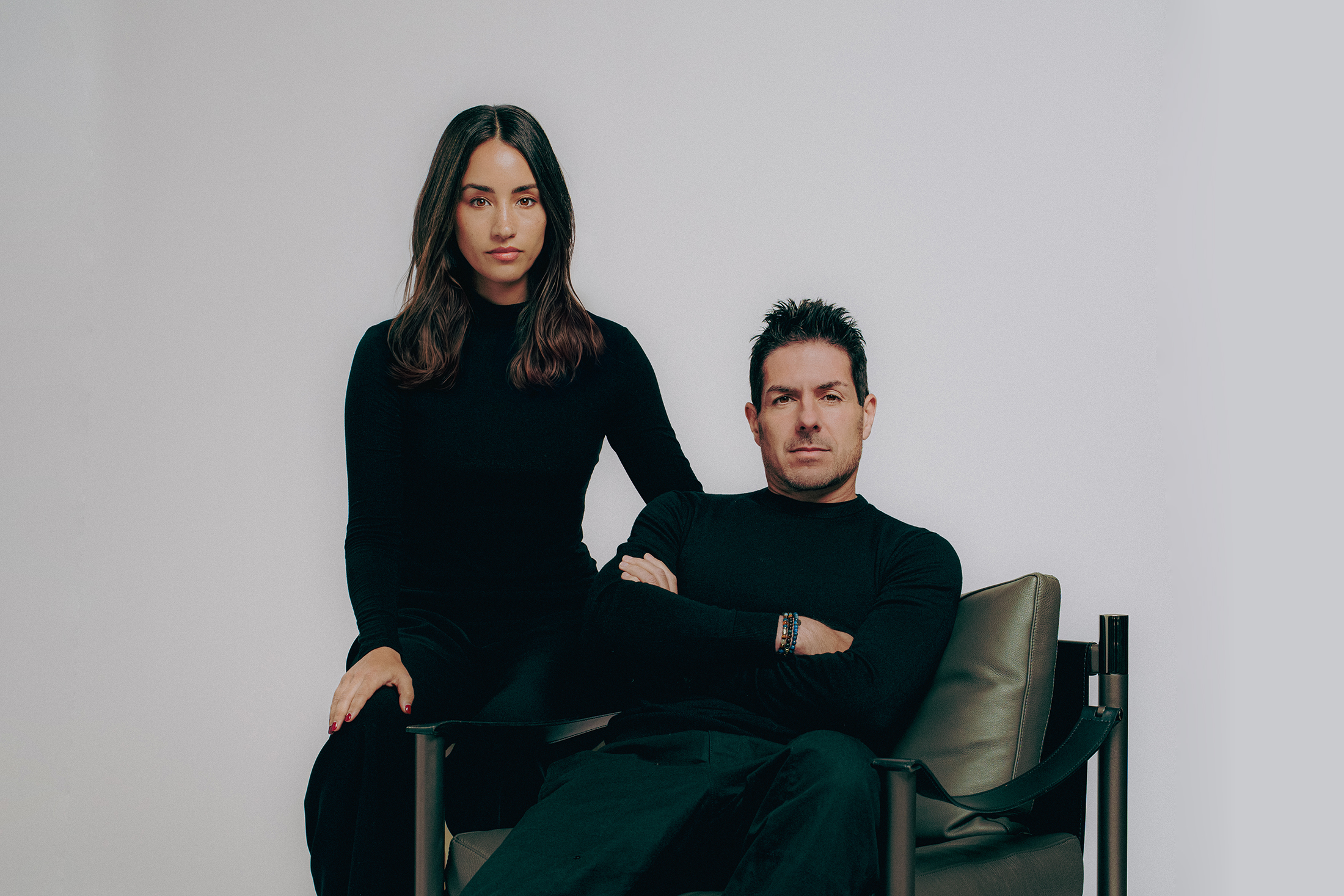
Enter Eight Sleep. Valued at $1.5 billion as of March 2026, and boasting profitability alongside cumulative Pod sales nearing the $1 billion threshold, the company has successfully transformed the bed from a passive piece of furniture into an active, data-driven health intervention. Co-founded by Alexandra Zatarain and Matteo Franceschetti, Eight Sleep bypassed traditional manufacturing paradigms to invent a new category. By marrying biometric tracking with real-time thermal regulation, the company is bridging the gap between consumer wellness and preventative medicine.
This investigative profile explores the human story behind the multi-million-dollar valuation, the distinct operational dynamics of a married founding team, the technological evolution leading up to the recent Pod 6 launch, and the company’s ultimate ambitions: securing FDA clearance, integrating artificial intelligence into nightly health monitoring, and fundamentally shifting how we think about the bed we lie on.
Detailed Chronology: From Personal Loss to Industry Disruption
To understand Eight Sleep, one must trace the deeply personal and divergent trajectories of its co-founders. The enterprise was not born in a sterile Silicon Valley incubator; it was forged from grief, restless nights, and a mutual obsession with human optimization.
The Catalysts: Grief and Restlessness
The genesis of Eight Sleep rests on two distinct personal grievances with the human condition. On one side stood Alexandra Zatarain, a marketer and storyteller raised near the U.S.–Mexico border who later built a career across Wall Street firms and high-growth startups. In 2014, Alexandra was losing her father to cancer. As she watched the illness slowly dismantle his vitality, she noticed a haunting pattern: one of the very first things his failing body surrendered was restorative sleep.
That observation became a guiding north star. If sleep is the primary indicator of physiological distress—the first place the body signals that something is fundamentally wrong—then the mattress could serve as the earliest, most accessible health check a human being possesses. Shortly after her father’s passing, at just 24 years old, Alexandra walked away from a stable New York career to channel her grief into building a mission-driven enterprise.
On the other side stood Matteo Franceschetti, an overachieving former securities lawyer and clean-tech entrepreneur who grew up in Italy surrounded by athletic excellence. A competitive ski racer, tennis player, and race-car driver, Matteo was intimately familiar with the demands of physical recovery. Yet, his relentless drive came at a cost. Plagued by sleeplessness and restless leg syndrome, he spent years searching for solutions while circling a persistent question: Why was the eight-hour recovery window the only part of human performance that nobody had bothered to measure or engineer?
Selling the Phantom Product
When Zatarain and Franceschetti joined forces in 2014, they faced a daunting hurdle: they were attempting to sell a category that did not yet exist. Traditional mattress brands marketed comfort, firmness, and materials. So-called "cooling mattresses" relied on superficial gimmicks rather than actual thermodynamic intervention.
"Nobody was building solutions," Zatarain reflects. "They were building things they could market."
The co-founders realized that temperature was the ultimate friction point in human rest. If they could actively control thermal environments throughout the night, they could eliminate a massive share of sleep disruptions. They set out to build a bed that could catch what a doctor’s appointment often catches too late, selling a promise of biological optimization long before the physical Eight Sleep Pod became a household name.
Supporting Context & Metrics: The Anatomy of "Sleep Fitness"
Redefining the Category
By coining the term "sleep fitness," Alexandra Zatarain successfully pulled the bed out of the traditional furniture showroom and relocated it squarely into the recovery tech sector. Just as athletes track heart rate variability (HRV) and VO2 max, Eight Sleep trained consumers to view sleep as a metric to be optimized, tracked, and mastered.
This strategic repositioning allowed Eight Sleep to compete not with legacy mattress manufacturers, but with wearable powerhouses like Oura and Whoop. However, unlike passive wearables that deliver a morning scorecard and leave the remediation up to the user, Eight Sleep’s hardware takes immediate, automated action while the user is unconscious.
The Mechanics of the Pod
The secret to the hardware’s success lies in its proactive intervention. The system uses a continuous stream of biometric data—tracking heart rate, respiratory rate, and sleep stages—to dynamically adjust temperature on a minute-by-minute basis. If a sleeper’s core body temperature begins to rise, the Pod cools the microclimate before heat can trigger wakefulness. If snoring is detected, subtle adjustments or elevation shifts can intervene.
Crucially, the Pod was engineered for two. By splitting down the middle, it solves the age-old domestic cold war over the thermostat. More importantly, it accounts for biological realities that legacy brands historically ignored: namely, that hormonal shifts, pregnancy, and menopause radically alter a person’s thermal needs.
Financial Longevity and Scaling
Twelve years post-inception, Eight Sleep’s business model has matured significantly. Operating with a recurring membership structure that funds the continuous processing of complex nocturnal biometrics, the company has achieved rare profitability in the hardware-tech space.
Key performance indicators underscore this growth:
- Valuation: Reached $1.5 billion following a March 2026 funding round.
- Investment: Secured a $50 million investment led by Tether Investments.
- Sales Milestones: Cumulative Pod sales are rapidly approaching the $1 billion mark.
- Global Footprint: Operational in 37 countries worldwide.
- Data Scale: More than one billion hours of sleep analyzed to date.
Official Statements and Operational Dynamics: A Marriage with Clear Lanes
Going into business with a spouse is widely regarded by corporate advisors as a recipe for disaster. Zatarain and Franceschetti approached this warning with pragmatic transparency. Their survival strategy relies on strict operational boundaries and absolute clarity of lanes.
"It’s very much about people, and I got my partners right," Zatarain notes, reflecting on the arduous early years when quitting felt like a viable option on multiple occasions.
Within the company, the division of labor is ironclad:
- Matteo Franceschetti serves as the ultimate decision-maker and CEO. While he actively solicits Alexandra’s perspective, he holds ultimate accountability for final operational calls.
- Alexandra Zatarain owns the brand, growth, communications, and the strategic positioning of women’s health initiatives.
Even their digital communication reflects this boundary. Business matters live on one dedicated messaging app, while personal life occupies an entirely separate space, ensuring the two worlds never bleed into one another. Outside the office, their competitive nature remains active; every morning, the couple checks their respective sleep scores, transforming REM cycles into a friendly leaderboard rivalry before their morning coffee.
Future Outlook: From Wellness to Medicine
As Eight Sleep looks toward the horizon, its trajectory points directly away from lifestyle wellness and deep into the realm of clinical medicine.
The Pod 6 Innovation
Launched on September 23, the Pod 6 represents a massive leap forward in the company’s hardware capabilities. Key upgrades include:
- A significantly smaller Hub designed to easily slide under the vast majority of standard bed frames.
- Thermal cooling mechanisms that operate 20% faster than previous iterations.
- A sensor array containing nine times more sensors than prior models—granular enough to distinguish between two human sleepers while completely ignoring pets that jump onto the mattress.
- The introduction of solo sizes starting at $1,999, the lowest entry-level price point in the company’s history, designed to widen market penetration and accelerate data collection.
Pushing Toward FDA Clearance
The ultimate prize for Eight Sleep is not just better sleep, but clinical validation. The company is actively pursuing FDA clearance to formally detect and mitigate conditions such as sleep apnea. Achieving this milestone would transition the Pod from a premium wellness device into a prescribed medical intervention eligible for insurance reimbursement—delivered directly from the comfort of the user’s existing bed.
Pioneering Women’s Health
A cornerstone of Eight Sleep’s future roadmap is its aggressive focus on women’s health, a lane spearheaded by Zatarain. Approximately 80% of women experience hot flashes and night sweats during perimenopause and menopause—often enduring symptoms for seven years or more. As estrogen levels decline, the body’s thermal neutral zone narrows, causing minor temperature fluctuations to trigger disruptive nocturnal wakefulness.
The Pod 6 addresses this physiological reality directly through specialized features like Hot Flash Mode and enhanced cooling speeds, alongside Pregnancy Mode designed to adapt to shifting bodily requirements across trimesters. By addressing the biological friction points of hormonal shifts, Eight Sleep has operationalized its founding thesis: that a woman’s sleep changes with every decade, and the bed should evolve right along with her.
Conclusion: The Bed as a Diagnostic Partner
Ultimately, Eight Sleep’s trajectory offers a masterclass in modern entrepreneurship. By combining relentless personal conviction, rigorous operational structures, and a refusal to accept industry stagnation, Zatarain and Franceschetti have built more than a profitable hardware company. They have established a new paradigm for preventative health. As the company refines its diagnostic capabilities and pushes closer to clinical integration, the mattress in your bedroom is quietly transforming from a soft place to land at night into the most sophisticated health sentinel in your home.