Executive Overview
For serious athletes, mountaineers, deep-sea divers, and outdoor survivalists, the premium smartwatch market has long been dominated by high-end engineering designed to withstand the harshest environments on Earth. Among these elite tools, the Garmin Fēnix series has consistently stood out as the gold standard for rugged durability, deep performance analytics, and unmatched battery longevity.
However, one major barrier to entry has traditionally been the price tag. Premium materials—such as titanium bezels, scratch-resistant sapphire crystals, and ultra-bright AMOLED displays—come at a steep cost, often pushing these devices past the thousand-dollar mark.
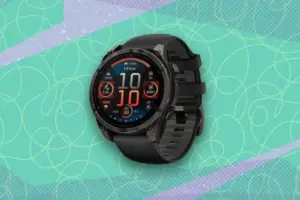
That narrative is shifting temporarily as retail promotions bring significant relief to prospective buyers. The Garmin Fēnix 8 (specifically the 1.4-inch titanium model paired with a sleek gray band) is currently experiencing a rare 23% price cut. Slashed from its standard retail price of $1,099.99 down to $849.99, this $250 discount represents one of the most substantial markdowns on Garmin’s flagship wearable since its market introduction.
This deep dive examines the anatomy of this major retail discount, explores the engineering marvels that justify the Fēnix 8’s lofty price point, evaluates how it stacks up against competing luxury sports watches, and analyzes what this pricing strategy reveals about the current landscape of high-end consumer technology.
Detailed Chronology: The Evolution to the Fēnix 8
To understand the weight of this current discount, it is helpful to look back at how Garmin positioned the Fēnix series as the premier choice for outdoor endurance tracking.
The Foundation of Rugged Tech
When Garmin launched the early iterations of the Fēnix line over a decade ago, the market for smartwatches was largely divided into two categories: fragile, short-battery-life lifestyle gadgets (like early smartwatches designed primarily for reading notifications) and basic fitness bands. Garmin bridged this gap by creating rugged GPS navigation units shrunk down to wrist-watch form factors.
Over successive generations, the Fēnix series evolved from a niche tool for ultra-marathoners and backpackers into a mainstream powerhouse for triathletes, crossfitters, and everyday professionals looking for military-grade durability.
The Arrival of the Fēnix 8 Generation
When the Garmin Fēnix 8 finally hit shelves, it represented a major milestone for the brand. It was the first time Garmin successfully merged its legendary rugged architecture and hyper-efficient memory-in-pixel (MIP) heritage with a vibrant, high-nit AMOLED display option without sacrificing the astronomical battery life users expected.
Engineers introduced several groundbreaking features with the Fēnix 8 series, including:
- Off-Grid Voice Command Integration: Allowing users to control core watch functions and interact with their paired smartphones via voice prompts even when completely disconnected from cellular or Wi-Fi networks.
- Diver-Grade Waterproofing: Upgrading the chassis to support a true 40-meter (130-foot) dive rating complete with leakproof inductive metal buttons.
- Advanced Training Readiness Metrics: Enhancing algorithms to measure real-time stamina, injury resistance, and heat/altitude acclimation.
The Retail Shift
For months following its debut, the Fēnix 8 held firm at its launch MSRP of $1,099.99. Because Garmin products hold their resale and retail value exceptionally well compared to consumer electronics from mainstream phone manufacturers, discounts were virtually nonexistent.
The introduction of this 23% price reduction marks a critical tipping point in the product lifecycle. As the wearable market becomes increasingly saturated with high-end fitness tech from competitors like Apple, Samsung, and specialized boutique brands, aggressive price adjustments on top-tier models like the titanium Fēnix 8 signal a strategic effort to capture performance-driven consumers who were previously priced out of the flagship ecosystem.
Supporting Context & Metrics: Under the Hood of the Garmin Fēnix 8
A price tag upwards of $800—even at a discount—demands extraordinary specifications. The Garmin Fēnix 8 Titanium/Gray configuration justifies its cost through a relentless focus on hardware performance, software utility, and materials science.
Display and Build Quality
The model currently on sale features a robust 1.4-inch AMOLED display. Unlike traditional LCDs or standard smartwatches that wash out under harsh direct sunlight, the Fēnix 8 pushes a staggering 1,000 nits of peak brightness. This ensures crisp readability whether a runner is navigating a shaded forest trail at dusk or checking splits under the blazing midday sun.

Protecting this vibrant screen is a premium, scratch-resistant lens housed within a lightweight, aerospace-grade titanium bezel. Titanium provides an optimal strength-to-weight ratio, ensuring the watch feels light on the wrist during grueling 20-mile runs while offering extreme resistance to impacts, corrosion, and extreme temperatures.
Battery Longevity That Defies Industry Norms
One of the most persistent criticisms leveled against mainstream smartwatches is their reliance on daily charging routines. The Fēnix 8 shatters this paradigm:
- Smartwatch Mode: Delivers up to an astounding 16 days of continuous use on a single charge.
- GPS Mode: Keeps active tracking alive for up to 47 hours, making it fully capable of supporting multi-day backcountry expeditions, ultra-marathons, and Ironman triathlons without requiring a mid-race power bank.
Comprehensive Health and Performance Analytics
Garmin’s software ecosystem remains unmatched in the depth and accuracy of its biometric feedback. The Fēnix 8 goes far beyond counting steps and tracking heart rates. Key metrics include:
- Endurance and Stamina Tracking: Monitors how quickly a user’s energy depletes in real-time, helping athletes pace themselves to avoid "hitting the wall" during endurance events.
- Injury Resistance and Training Load: Analyzes recent workout intensity against recovery metrics to estimate the user’s susceptibility to overtraining and musculoskeletal strain.
- Advanced Sleep and Recovery Monitoring: Tracks sleep stages, HRV (Heart Rate Variability) status, and respiration to generate an all-encompassing "Training Readiness" score each morning.
- Navigation and Environmental Sensors: Equipped with a built-in multi-band GPS, 3-axis compass, gyroscope, and barometric altimeter. These sensors provide instant alerts regarding sudden atmospheric pressure changes, ensuring hikers and climbers can anticipate incoming storms before they materialize.
Cross-Platform Ecosystem and Connectivity
While deeply optimized for athletic performance, the Fēnix 8 does not skimp on everyday utility. It offers full compatibility with both Android and iOS smartphones, seamlessly pushing text notifications, calendar reminders, and music storage directly to the wrist. Furthermore, its companion apps sync effortlessly with laptops, tablets, and desktop PCs, giving users a granular, map-based interface to analyze their historical performance data.
Official Statements and Industry Perspective
While Garmin has traditionally maintained a quiet stance regarding short-term retail promotions—leaving dynamic pricing largely in the hands of authorized third-party distributors like Amazon—industry analysts note that these strategic discounts are becoming a standard mechanism to maintain sales velocity mid-cycle.
Consumer electronics retail experts point out that premium wearables operate on a different depreciation curve than smartphones. "When a consumer spends close to a thousand dollars on a smartwatch, they are investing in an ecosystem and physical durability that they expect to last for years," notes a leading retail analyst specializing in wearable tech. "Discounts of this magnitude—roughly 23% off—do not indicate a failing product. Instead, they represent a calculated pivot to capture the massive demographic of fitness enthusiasts who view $1,100 as a bridge too far, but find $850 to be the sweet spot for a long-term investment in their health."
Furthermore, outdoor sports communities have praised the Fēnix 8 for successfully integrating diving capabilities without compromising its terrestrial tracking prowess. By earning a 40-meter dive rating and incorporating inductive buttons that prevent water intrusion under high pressure, Garmin has unified the gear bag of the modern adventurer. Scuba divers, free-divers, mountaineers, and marathoners can now rely on a single device rather than switching between specialized dive computers and running watches.
Future Outlook: What This Means for the Wearable Tech Market
The ripple effects of this price drop extend well beyond a single discounted item on a retail platform. As the lines between medical-grade health monitoring, tactical survival gear, and lifestyle smartwatches continue to blur, manufacturers face mounting pressure to deliver maximum value.
The Battle for the High-End Consumer
Apple’s Ultra series and Samsung’s Pro line have made significant inroads into the rugged adventure watch space. However, Garmin maintains a distinct moat through its unmatched battery life and specialized cartography features. By temporarily lowering the barrier to entry for the Fēnix 8, Garmin is actively aggressively defending its market share, pulling fence-sitters away from competing smartwatch ecosystems and locking them into Garmin’s robust Connect app infrastructure.
The Evolution of Hybrid Displays
The success of the AMOLED-equipped Fēnix 8 proves that consumers are no longer willing to choose between stunning, high-definition graphical interfaces and multi-week battery longevity. As manufacturing efficiencies improve, expect future iterations of endurance wearables to feature even brighter, more power-efficient display technologies paired with advanced solar-charging capabilities.
Final Verdict on the Current Deal
For anyone currently navigating the market for a top-tier fitness tracker, outdoor GPS navigator, or everyday luxury sports watch, the 23% discount on the Garmin Fēnix 8 Titanium model represents a rare opportunity. Bringing the price down from $1,099.99 to $849.99 mitigates the single biggest drawback of Garmin’s flagship offering.
Whether it is worth the investment depends entirely on the user’s dedication to tracking advanced physiological metrics and enduring extreme outdoor conditions. For those who demand military-grade durability, weeks of battery life, and uncompromising performance data, this price cut transforms an otherwise steep luxury purchase into a justifiable, long-term investment in athletic excellence.