Executive Overview
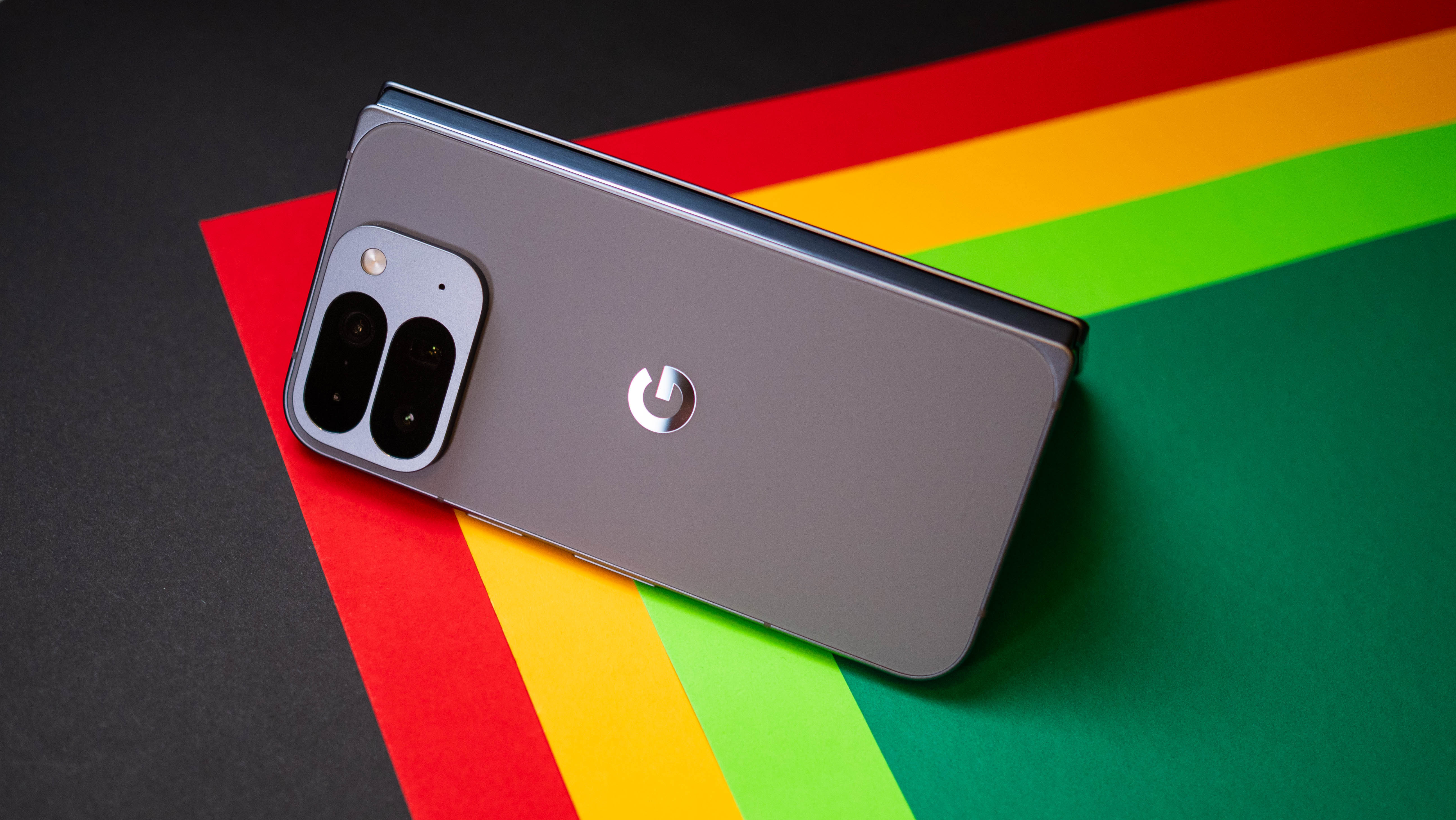
When Google introduced the Pixel 10 Pro Fold to the high-stakes foldable market, it arrived bearing a hefty $1,799 price tag and a modest reputation built primarily on incremental updates. Initially, tech critics and early adopters met the device with a measured shrug. Compared to its predecessor, the Pixel 9 Pro Fold, the tenth-generation model offered little more than a larger battery and the addition of IP68 dust and water resistance. Weighing in at 258 grams, it immediately established itself as one of the heaviest horizontal foldables on the market—surpassed only by unconventional dual-hinge devices like the Huawei Mate XT.
Yet, specifications on a spec sheet rarely tell the complete story of day-to-day usability. After spending the better part of a year living, traveling, and working with the Pixel 10 Pro Fold, a more nuanced picture emerges. Beneath its considerable heft, average cellular connectivity, and underwhelming camera hardware lies a device whose software fluidity, refined exterior proportions, and overall reliability punch well above its paper metrics.
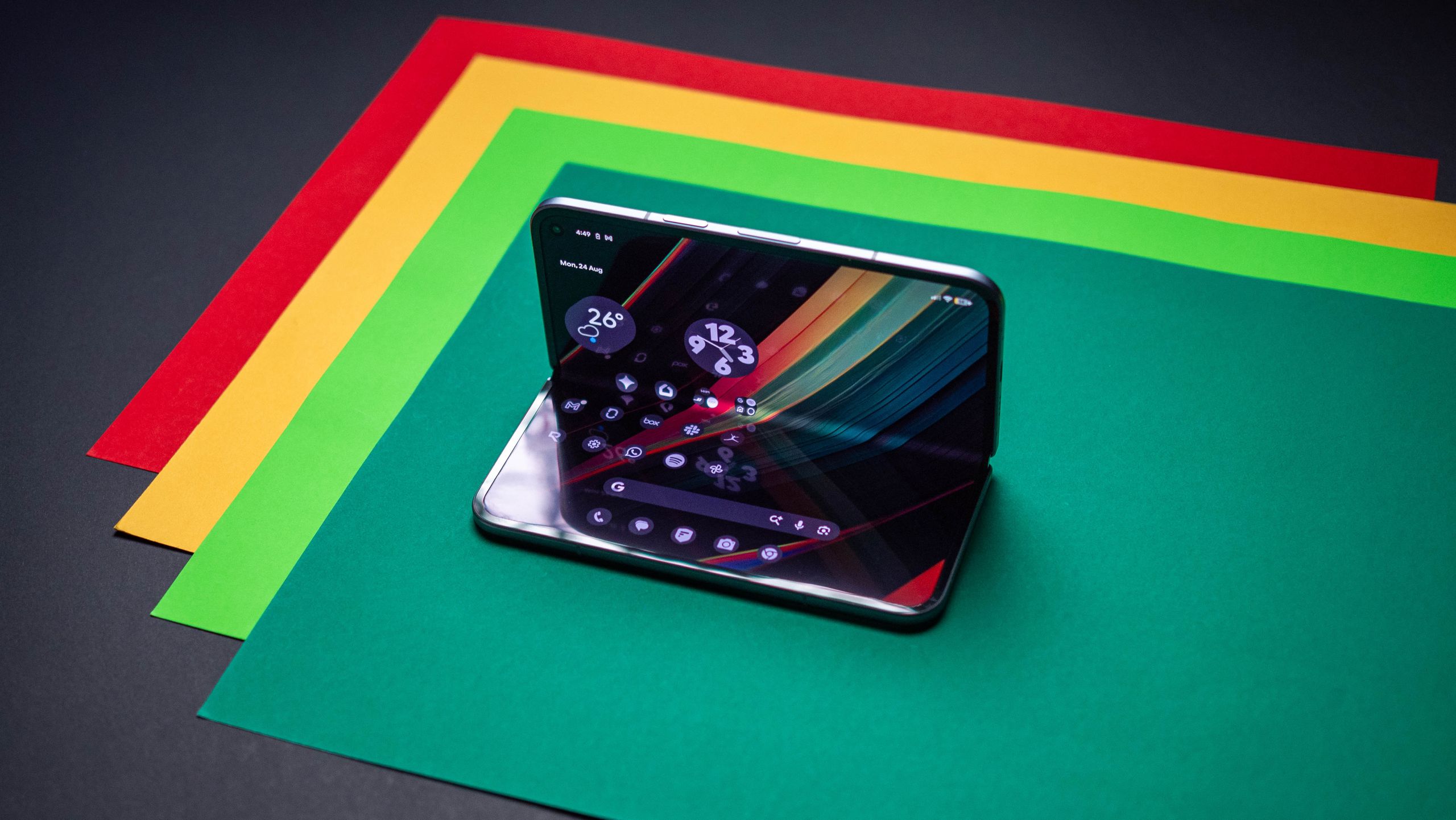
This retrospective examines how Google’s premium book-style foldable holds up over 12 months of unsparing, real-world deployment. By analyzing its strengths in software optimization and durability alongside glaring compromises in imaging and thermals, we evaluate whether a $1,799 investment still makes sense in an increasingly crowded and rapidly evolving landscape.
Detailed Chronology: A Year in the Life of a Heavyweight Foldable
Months 1–3: First Impressions and the Weight of Expectations
Unboxing the Pixel 10 Pro Fold for the first time immediately highlights its physical footprint. At 258 grams, it feels dense in the hand—a characteristic magnified when carried naked without a protective case. Initial weeks with the device were defined by friction. The Exynos-derived modem struggled intermittently with cellular signal stability inside residential buildings, and the camera system consistently failed to match the punchy, reliable output found on competing flagships like the Vivo X Fold 5 or Samsung Galaxy Z Fold 8 Ultra.
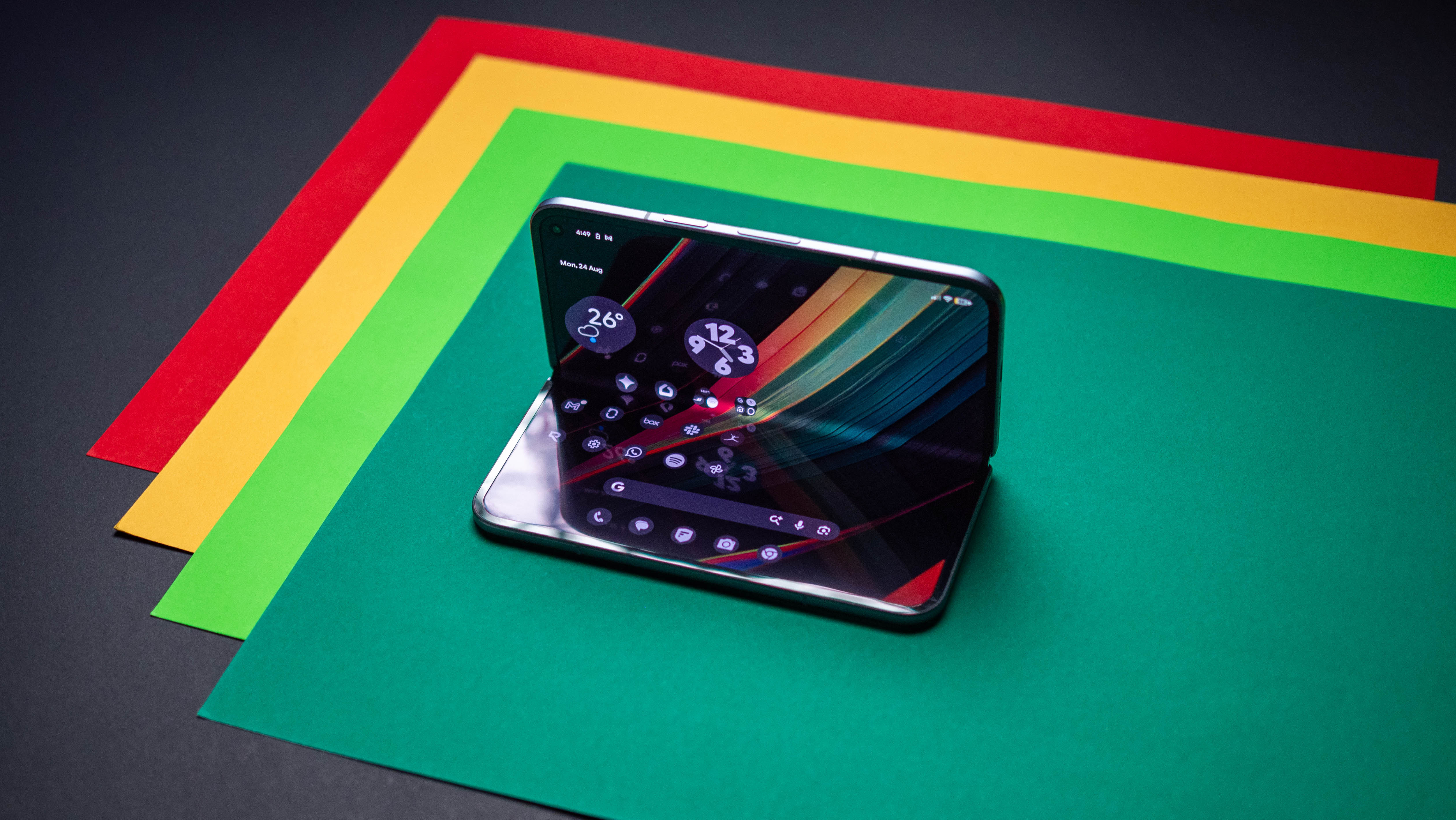
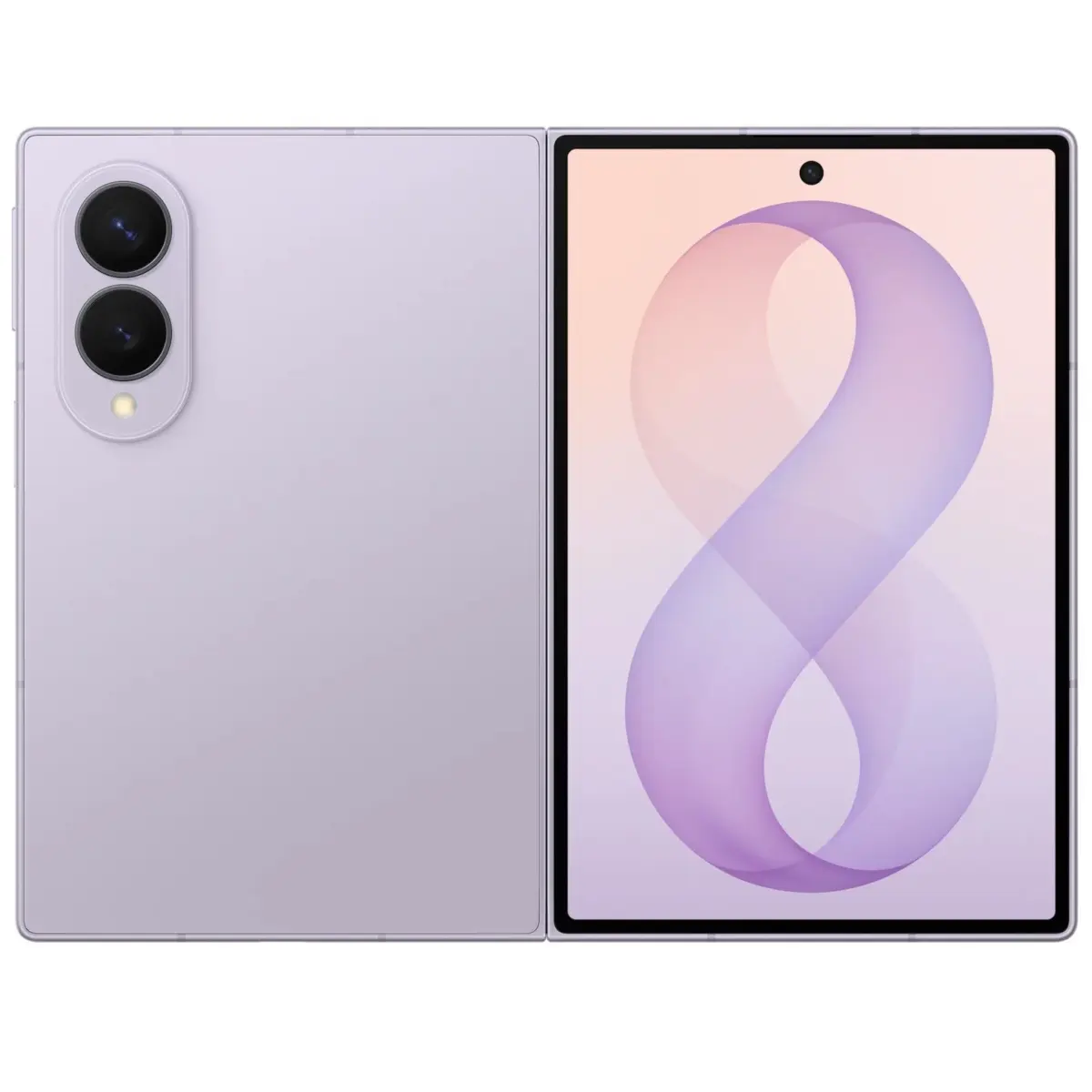
However, the hardware’s physical design choices began to win over skeptics during daily commuting and office use. Google widened the cover screen to a comfortable 6.4-inch panel, striking a near-ideal aspect ratio that made it feel less like a remote control and more like a traditional candy-bar smartphone. Furthermore, omitting a protective case proved liberating; the integration of Gorilla Glass Victus 2 and the peace of mind offered by an IP68 ingress protection rating meant the device shrugged off accidental waist-high drops without shattering.
Months 4–8: Software Maturation and Multitasking Milestones
As the months progressed, the true differentiator of the Pixel ecosystem stepped into the foreground: software integration. While rivals like OPPO and OnePlus lean heavily on heavily customized skins (such as ColorOS and its acclaimed Open Canvas multitasking interface), Google carved out a distinct advantage through clean, clutter-free Material You design principles and deep AI integration.
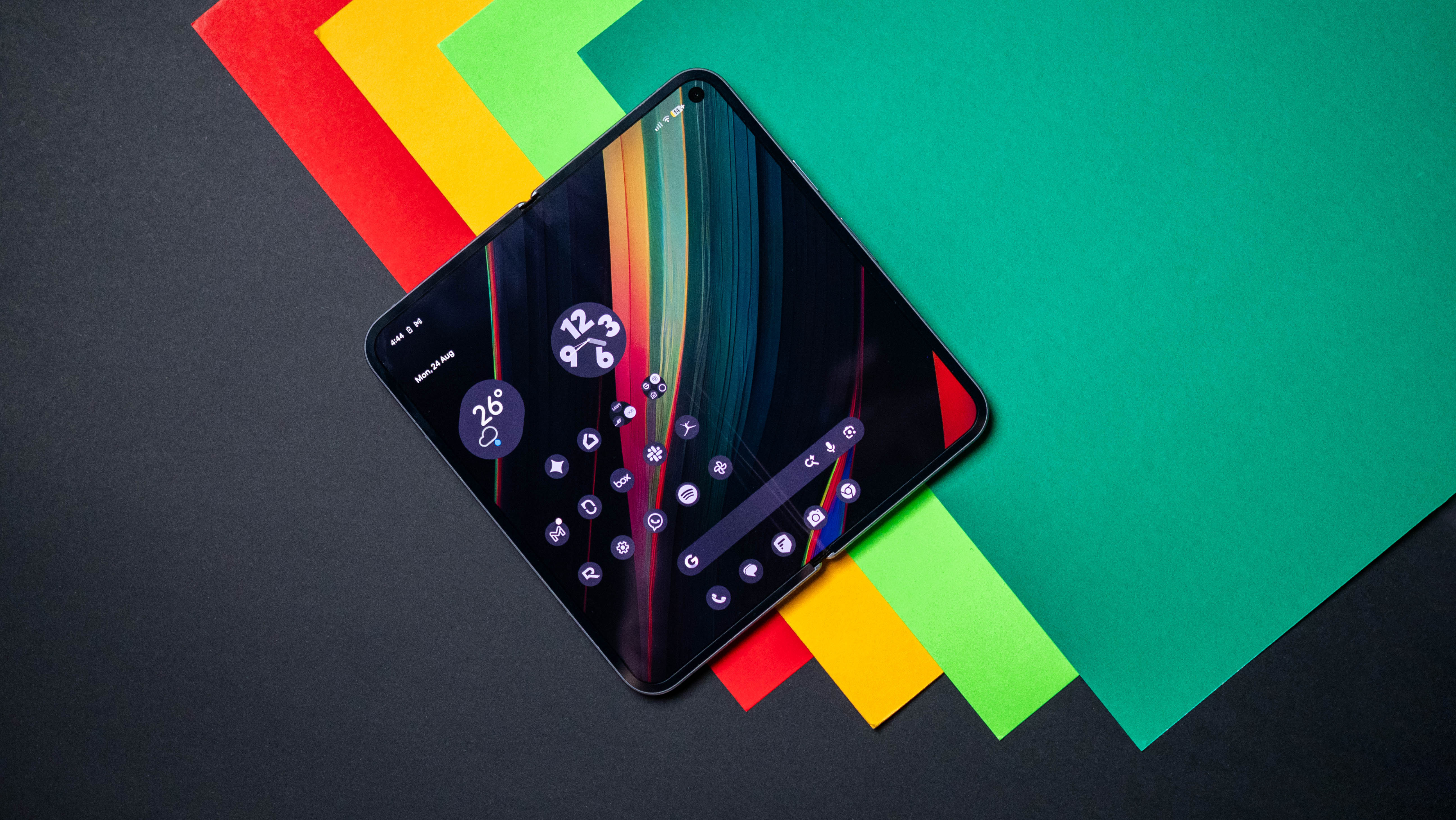
The arrival of Android updates introduced refined multi-window capabilities, most notably the Bubbles multitasking feature. By leveraging floating windows on the expansive 8-inch inner display, productivity tasks—such as cross-referencing shipping waybills while corresponding with logistics providers—became seamless. Furthermore, context-aware features like Magic Cue began pulling up flight reservations, tracking numbers, and appointment details proactively, reducing the friction of digging through applications.
Months 9–12: Long-Term Wear, Tear, and Final Verdict
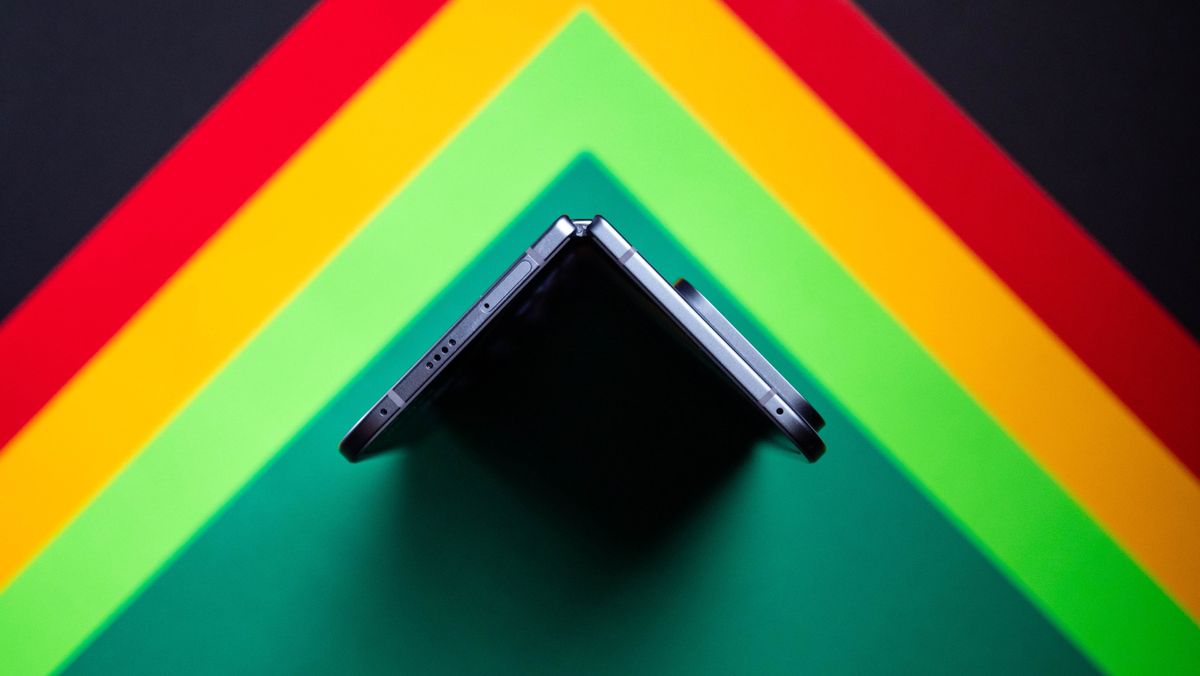
Reaching the one-year milestone provides a definitive look at hardware longevity. Despite hundreds of opening and closing cycles, the internal display crease has shown zero structural degradation or worsening deformation. The hinge mechanism maintains its factory-fresh damping and smooth articulation, a direct benefit of the sealed IP68 design keeping microscopic dust particles at bay.
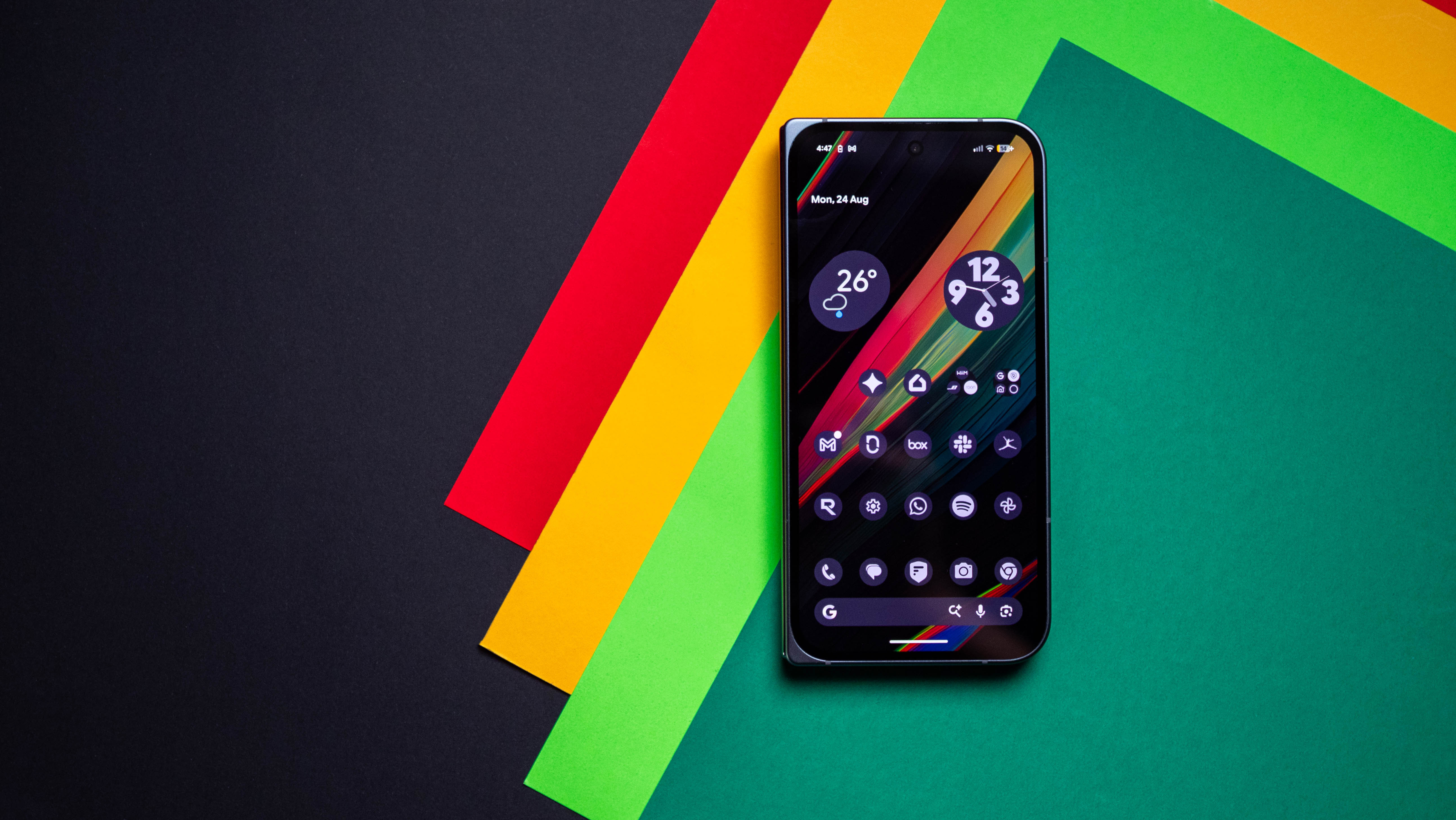
Nevertheless, structural resilience cannot fully mask persistent hardware bottlenecks. The Tensor G5 chip, with its heavy prioritization on Neural Processing Units (NPUs) over raw CPU and GPU horsepower, occasionally throttled during extended gaming sessions, running noticeably warm when taxed with high-end titles. Combined with the lingering frustration of sub-par camera performance, the final stretch of the year solidified the Pixel 10 Pro Fold’s status: a beloved daily driver for software purists, but a difficult device to recommend universally at its flagship price point.
Supporting Context & Metrics: Hardware Breakdown and Comparative Analysis
To truly understand the Pixel 10 Pro Fold’s position in the market, one must examine how its physical and computational metrics stack up against its primary rivals.
Physical Dimensions and Ergonomics
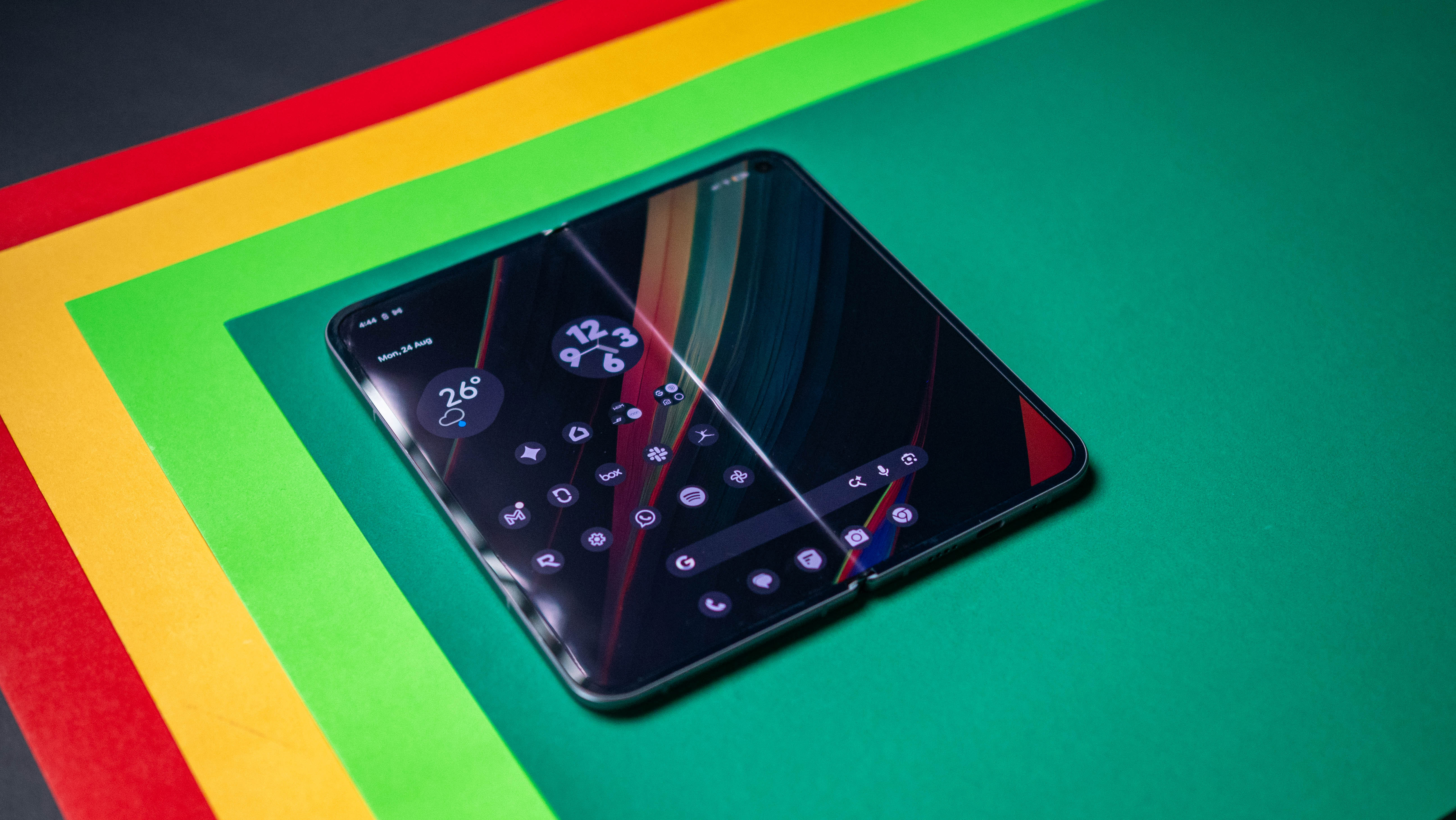
- Weight: 258g (Heavier than the Samsung Galaxy Z Fold 8 Ultra and Vivo X Fold 5; lighter only than niche tri-fold tablets).
- Cover Screen: 6.4-inch OLED panel with a wider aspect ratio, offering significantly better usability when closed than early-generation foldables.
- Inner Screen: 8.0-inch primary canvas optimized for productivity and split-screen workflows.
- Durability: IP68 dust and water resistance paired with Gorilla Glass Victus 2 exterior protection.
Performance and Thermal Metrics
- Processor: Google Tensor G5. While exceptionally capable at on-device machine learning tasks (such as Gemini integrations and Magic Cue processing), its traditional processing cores lag behind Qualcomm’s Snapdragon alternatives in sustained gaming performance.
- Thermals: Noticeable surface temperature increases during gaming sessions exceeding 45 minutes, though this remains an industry-wide constraint for ultra-thin folding chassis rather than an isolated Pixel defect.
- Connectivity: Equipped with an Exynos modem, which user reports and long-term testing indicate is prone to occasional signal drops in fringe coverage areas compared to Qualcomm Snapdragon X-series modems.
The Camera Conundrum
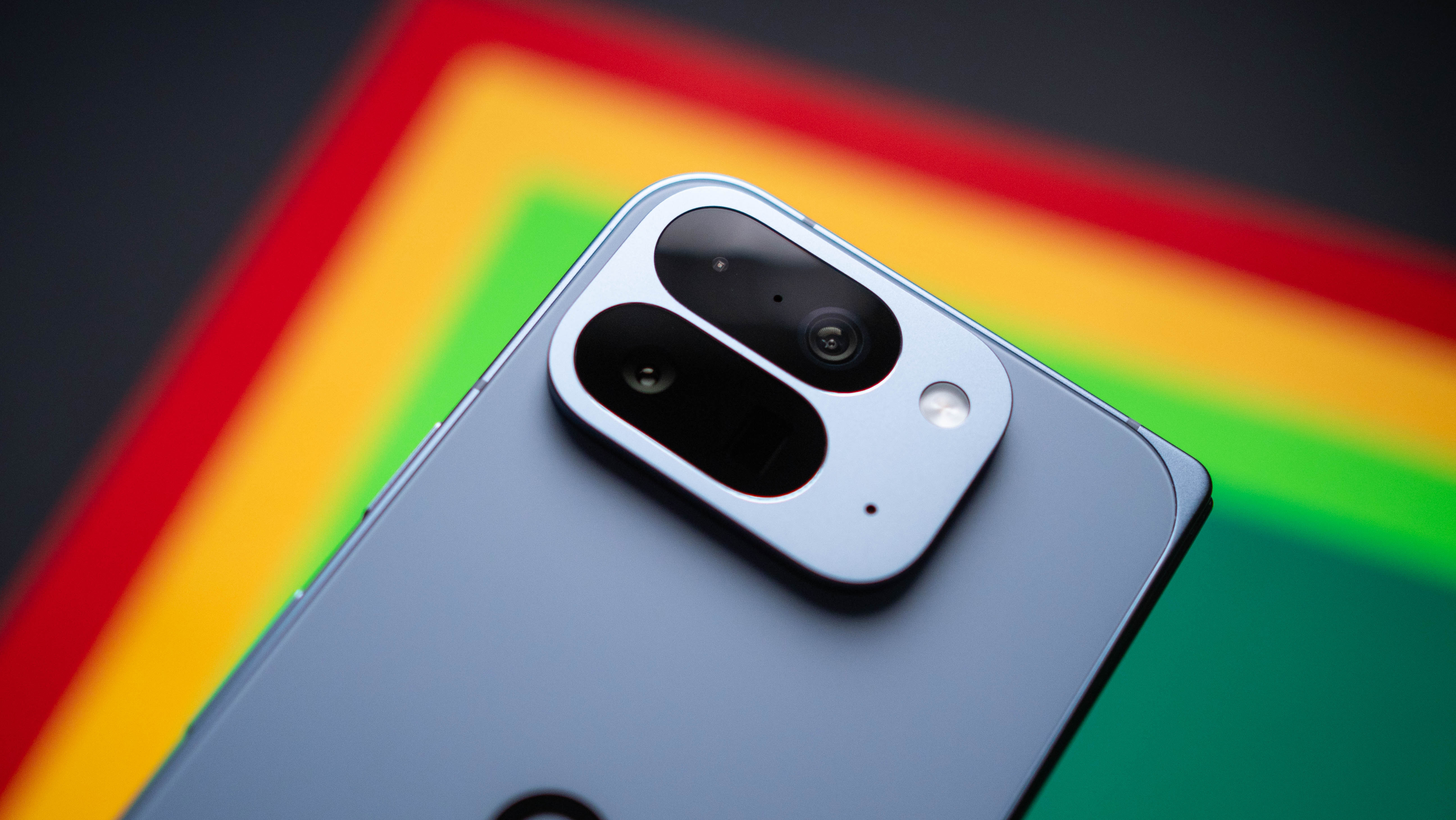
For a device priced at $1,799, optics represent the Pixel 10 Pro Fold’s Achilles’ heel. Historically, Google has dominated smartphone photography through computational brilliance. However, the hardware constraints of the foldable chassis—combined with insufficient sensor upgrades generation-over-generation—left the device trailing far behind the Vivo X Fold 5 and Oppo Find N6 over the past year. Testers frequently found themselves reaching for a secondary device (such as an iPhone 17 Pro) when capturing crucial, fast-moving subjects or low-light environments, highlighting a disappointing reliability gap in high-end mobile imaging.
Official Statements & Ecosystem Strategy
Google’s ongoing strategy for its Pixel hardware division emphasizes ambient computing, proactive artificial intelligence, and deep software-hardware co-design. While executives have consistently championed the Tensor series as the foundational engine for contextual experiences—such as conversational Gemini assistants and predictive software triggers—they have remained tight-lipped regarding specific hardware component sourcing choices, such as modem suppliers.
Industry analysts note that Google’s approach mirrors Apple’s vertical integration philosophy: sacrificing raw benchmark supremacy in favor of localized efficiency, extended software update lifecycles, and exclusive user experiences. Features like Magic Cue and advanced multitasking gestures remain tightly locked within the Pixel ecosystem, acting as a velvet rope designed to retain software loyalists despite hardware compromises.
However, user feedback across public troubleshooting forums and developer communities underscores a growing tension between Google’s software ambitions and its physical component reliability—particularly regarding cellular modems and thermal management under load.
Future Outlook: Where the Pixel Fold Line Goes From Here
As the dust settles on the Pixel 10 Pro Fold’s twelve-month run, the trajectory for Google’s foldable lineup is coming into sharper focus. The device ultimately serves as a transitional milestone: a testament to how far software ergonomics and structural durability have advanced, yet a stark reminder of the hardware compromises that still plague first- and second-generation form factors.
For prospective buyers eyeing the secondhand market or weighing current-generation discounts, the calculus is straightforward. If your primary criteria revolve around a clean, uncluttered user interface, innovative contextual AI features, and a wide, usable cover screen, the Pixel 10 Pro Fold remains an engaging daily companion.
However, for those upgrading from traditional flagships who demand uncompromising camera versatility, robust cellular connectivity, and sustained graphical performance, the recommendation shifts. Current owners and mobile experts alike are already looking past the tenth generation toward the Pixel 11 Pro Fold, which promises to address the persistent imaging shortcomings that held its predecessor back. Alternatively, brand-agnostic consumers seeking an impeccably balanced book-style foldable are increasingly directed toward alternatives like Motorola’s Razr Fold or imported powerhouses from Vivo and Oppo.
Ultimately, the Pixel 10 Pro Fold succeeds not as a flawless engineering marvel, but as a bold blueprint for what Android-powered foldable software should feel like—leaving prospective buyers to decide whether the software magic is worth the hardware trade-offs.