Executive Overview
In the rapidly evolving landscape of modern advertising, artificial intelligence has transitioned from an experimental novelty into a mainstream corporate tool. Yet, as major brands increasingly lean on generative AI to slash production costs and accelerate timelines, they are colliding with a deeply skeptical—and frequently hostile—consumer base. The latest flashpoint in this ongoing cultural war arrives courtesy of The Coca-Cola Company, which has expanded its controversial foray into generative AI marketing with a sweeping new campaign for Fanta.
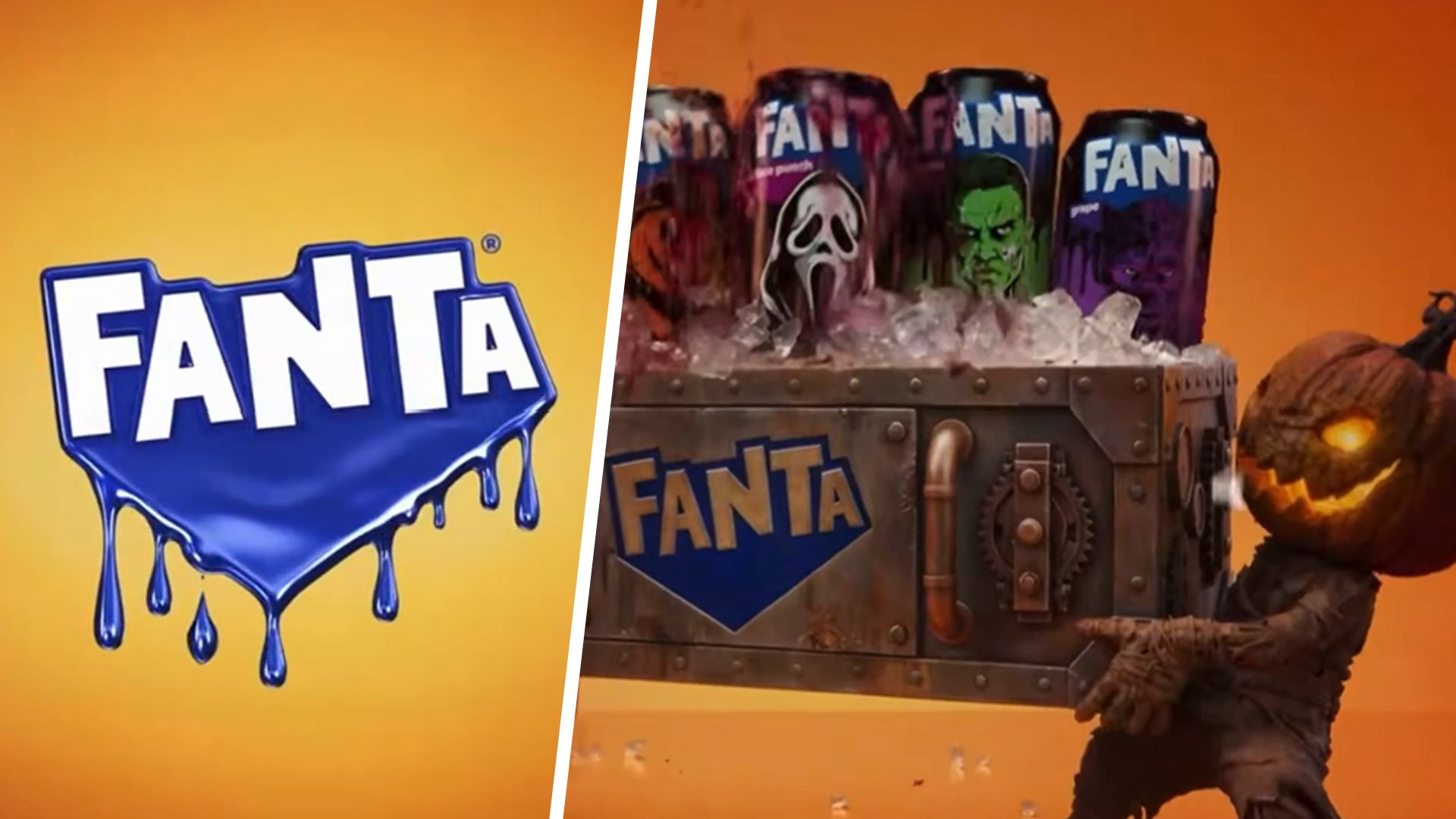
Titled Fanta’s Haunted Universe and developed in collaboration with AI studio GRAiL, the campaign aims to anchor the brand firmly to the Halloween season—a temporal real estate Coca-Cola believes Fanta can claim just as decisively as Coca-Cola has claimed Christmas. However, rather than generating festive excitement, the campaign’s rollout has sparked a wave of digital indignation.
Moviegoers settling in for theatrical screenings—including audiences anticipating Zach Cregger’s latest horror features—have been greeted by what many are labeling "AI slop." Featuring bizarre character designs like a cyborg Frankenstein, a werewolf DJ, and uncomfortably rendered cameos from franchise icons such as Ghostface, the commercials have drawn fierce criticism across social media platforms. Critics argue that the use of generative AI cheapens the brand, devalues human creative labor, and yields an uncanny, low-quality aesthetic that borders on off-putting.
This article provides an in-depth investigation into the rollout of Fanta’s Haunted Universe, analyzing consumer sentiment, the mechanics of the backlash, and the broader implications for a corporate giant that appears increasingly willing to risk alienating its core demographic in the pursuit of algorithmic efficiency.
Detailed Chronology of the Controversy
The friction between Coca-Cola’s marketing division and creative purists is not an isolated incident; rather, it represents the latest chapter in a systematic corporate strategy to normalize generative AI across global campaigns.
The Lead-Up: The Coca-Cola Christmas Precedent
To understand the public’s hostile reaction to the Fanta Halloween campaign, one must examine the baseline established months prior. Late 2024 saw the rollout of Coca-Cola’s revamped, AI-generated holiday commercials—a modern reimagining of the iconic 1995 "Holidays Are Coming" red truck advertisements.
The initial reaction was swift and merciless. Viewers took to X (formerly Twitter), TikTok, and design forums to dissect the glaring artifacts, unnatural lighting, and bizarre compositional errors characteristic of early text-to-video tools. Graphic designers and consumers alike pointed out that a multinational behemoth with virtually limitless capital chose to bypass traditional production houses, human directors, animators, and actors in favor of algorithmic approximation.
While Coca-Cola attempted to weather the storm by tweaking subsequent iterations—eventually ensuring their digital trucks boasted the correct number of wheels—the damage to the brand’s creative goodwill had been done. The precedent was set: Coca-Cola was officially viewed as a corporate pioneer of cost-cutting AI shortcuts.
The Theatrical Shock: Fanta Hits the Big Screen
Against this backdrop of pre-existing skepticism, Fanta’s Haunted Universe made its aggressive debut. Rather than being confined to targeted digital ads or social media feeds—where users can easily scroll past sponsored content—the campaign confronted audiences in a place traditionally held as a sanctuary for high-production-grade visual arts: the cinema.
As moviegoers settled into their seats for autumn horror screenings, Fanta’s Halloween commercials materialized on the silver screen. For many, the transition from high-concept practical effects in features like Resident Evil or indie horror masterpieces to the jittery, disjointed jump cuts of the Fanta ad was jarring.
Patrons immediately took to social media to voice their disbelief. One widely shared post on X captured the prevailing mood of the theatergoing public:
"I was at the cinema this evening and during the ads before the film there was a Halloween ad from Fanta. I couldn’t quite believe my eyes, but it was certified AI slop. I couldn’t record, of course, but I’ve found it online. I’m sure the Coca-Cola Company of all companies could afford a real ad. Down with AI slop."
Expanding the Footprint: Theme Parks and Streaming
The cinematic rollout was merely one vector of a multi-platform offensive. Fanta positioned itself as the headline sponsor for major seasonal attractions, most notably Thorpe Park’s famous Fanta Fright Nights in the United Kingdom.
Unfortunately for the brand, the promotional material tied to the theme park event was similarly indicted for its heavy reliance on generative AI imagery. Viral examples of promotional graphics and digital billboards circulated widely online, drawing ridicule for anatomical distortions, illogical framing, and a general lack of artistic cohesion.
Simultaneously, the ads permeated streaming services like Tubi. Viewers noted the stark irony of watching low-budget streaming content that nevertheless exhibited significantly more human oversight, narrative coherence, and creative passion than the multi-million-dollar soft drink spots preceding them.
Supporting Context & Metrics: The Mechanics of Fanta’s Haunted Universe
To comprehend why Fanta’s Haunted Universe has drawn such ire, it is necessary to examine the conceptual framework established by Coca-Cola and GRAiL, juxtaposed against the shifting economic and ethical realities of the commercial art industry.
The Strategic Vision Behind the Campaign
According to corporate communications, Fanta’s Haunted Universe was architected to be an evolving, scalable intellectual property. The objective is structural: establish Fanta as the undisputed beverage of choice for Halloween.
- Long-Term Narrative Arc: The campaign is designed as an annual recurring event. Characters introduced in the 2026 iterations are meant to return, grow, and interact in subsequent years, creating a cinematic universe effect akin to major entertainment franchises.
- The Character Roster: GRAiL’s generative models spat out a bizarre pantheon of ghouls, including a cyborg Frankenstein’s monster and a werewolf operating DJ turntables. These designs were supplemented by licensing agreements allowing guest appearances from established horror icons, such as Ghostface from the Scream franchise.
- Production Efficiencies: While exact budgetary figures have not been publicly disclosed, industry analysts estimate that utilizing AI studios like GRAiL reduces the cost of asset creation, iteration, and localized versioning by upwards of 70% to 90% compared to traditional live-action shoots and hand-drawn or CGI animation pipelines.
The Consumer Backlash: Ethical and Aesthetic Grievances
Despite the logistical triumphs claimed by Coca-Cola’s marketing executives, the consumer response reveals a profound disconnect between corporate ledger optimization and public goodwill. The backlash can be categorized into three core pillars:
- Devaluation of Creative Labor: A primary driver of anti-AI sentiment in advertising is the ethical concern over the displacement of human artists, actors, directors, and production crews. Consumers are increasingly vocal in their defense of creative professionals whose copyrighted works were frequently used to train the underlying models without consent or compensation.
- The Uncanny Valley Aesthetic: Generative video technology, while advancing rapidly, continues to struggle with temporal consistency, object permanence, and realistic physics. Fanta’s ads are plagued by erratic lighting changes, morphing facial features, and the distinct, unnerving jitter of mid-generation AI interpolation. To many viewers, the product itself begins to look unappealing—rendered with an artificial gloss that triggers subconscious rejection.
- Corporate Hypocrisy: Critics frequently highlight the dissonance between a trillion-dollar enterprise posting record revenues and its decision to substitute human craft with algorithmic output. As one user remarked online: "Makes you think what are they putting in their food to lower the production cost?"
Official Statements and Industry Reactions
As the controversy gathered momentum, stakeholders across the marketing, entertainment, and consumer advocacy sectors weighed in on the implications of Coca-Cola’s aggressive AI pivot.
The Corporate Stance
Thus far, The Coca-Cola Company has maintained a steady course, declining to pull the disputed advertisements despite the overwhelming volume of negative commentary. In previous defenses of their AI initiatives, corporate representatives have framed the technology not as a replacement for human creativity, but as an innovative canvas that allows creators to experiment with fantastical concepts that would be cost-prohibitive or technically impossible via traditional means.
The partnership with GRAiL is touted as a forward-thinking collaboration designed to harness cutting-edge technology to engage younger, digitally native demographics who consume media at unprecedented speeds. From the perspective of Coca-Cola’s executive leadership, the speed, adaptability, and viral potential of generative campaigns outweigh the vocal, yet often insular, protests of online purists.
The Creative Community Pushback
Conversely, advertising agencies, independent filmmakers, and graphic designers have expressed profound alarm. Many creative directors argue that reliance on generative AI strips brands of their distinct cultural identity.
In an era where differentiation is paramount, turning to generalized AI tools means brands risk homogenizing their visual identity—producing generic, soulless content that looks identical to that of competing enterprises utilizing the exact same foundational models.
Furthermore, industry watchdogs point out that while a vocal minority of consumers may threaten boycotts, historical data suggests that short-term social media outrage rarely translates into long-term drops in quarterly sales for ubiquitous consumer-packaged-goods (CPG) giants like Coca-Cola. This creates a dangerous asymmetric incentive: brands reap the immediate financial rewards of reduced production costs while bearing virtually none of the long-term penalties for alienating their creative base.
Future Outlook: Where Does Branded AI Go From Here?
The standoff between Coca-Cola and its critics over Fanta’s Haunted Universe is much more than a localized marketing dispute; it serves as a bellwether for the future of global advertising.
1. The Normalization Battle
As generative video tools mature over the coming years, the technical artifacts that currently trigger immediate revulsion—such as morphing hands, inconsistent lighting, and surreal jump cuts—will inevitably diminish. As the quality of AI output approaches hyper-realism, brands will face a crucial ethical and strategic fork in the road:
- Will consumers accept AI-generated content once it becomes indistinguishable from human-made media?
- Or will the stigma surrounding the displacement of human artists persist, transforming "Human-Made" into a premium badge of honor and trust?
2. The Risk of Brand Erosion
Traditional beverage giants like Coca-Cola have historically built their empires on emotional resonance, nostalgia, warmth, and authentic human connection—values epitomized by classic human-driven campaigns of the late 20th and early 21st centuries. By leaning into cold, algorithmic production methods, companies risk hollowing out the emotional core of their brands. When a soft drink is marketed via uncanny, computer-generated monstrosities rather than relatable human stories, the brand risks shifting from universally beloved to profoundly alienating.
3. Conclusion
The rollout of Fanta’s Haunted Universe demonstrates that The Coca-Cola Company is doubling down on its generative AI strategy, indifferent to the immediate tempest of social media condemnation. Whether this aggressive embrace of automation represents visionary cost-efficiency or a catastrophic miscalculation of consumer loyalty remains one of the defining questions of modern commercial design. For now, as moviegoers file into theaters and families encounter digital ghouls on their screens, one thing is certain: the corporate march toward an algorithmic future is accelerating, and the cultural friction it leaves in its wake is only just beginning.