Executive Overview
The future of the iconic British sci-fi institution Doctor Who remains a subject of intense industry speculation and fan debate. As the series navigates a transitional period marked by a competitive commercial tender to take over future production following showrunner Russell T Davies’ anticipated departure, the BBC is wasting no time keeping the temporal engine running. In a strategic expansion of the broader franchise—affectionately known as the "Whoniverse"—the British public broadcaster has officially greenlit an ambitious, pre-school-targeted animated television series titled Doctor Who: TARDIS Crew.
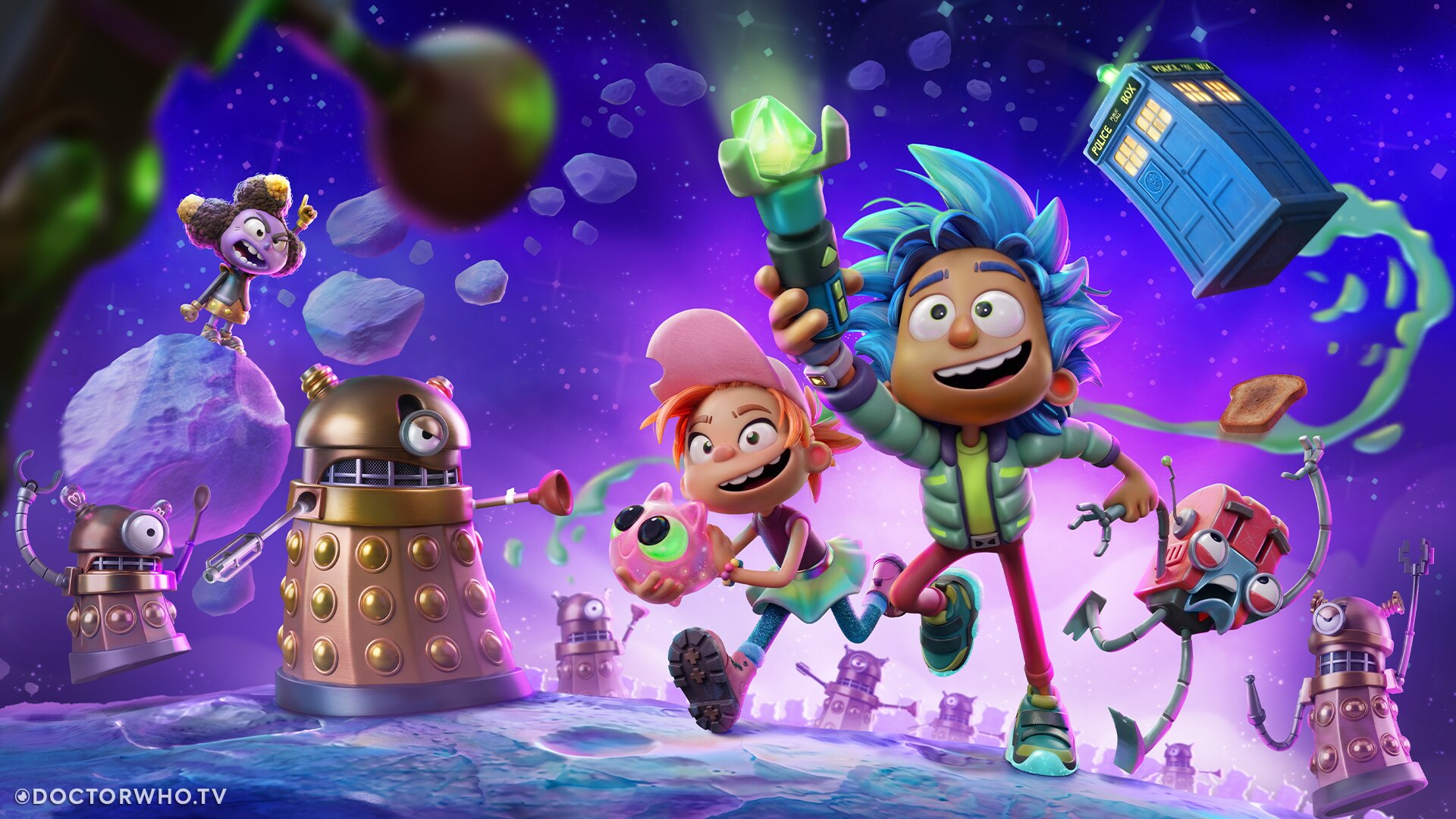
Slated to premiere in late 2027 or early 2028 on the children’s channel CBeebies, the series represents a significant conceptual pivot for the intellectual property. Produced by the acclaimed Blue Zoo Animation Studio under the direction of Dominic Minns (Mojo Swoptops, Supertato), the initial order comprises 52 standalone, 11-minute episodes. Designed specifically to captivate early-years audiences, the show will follow a youthful, blue-haired incarnation of the Doctor alongside a companion crew consisting of Hannah, Beastie, and a comedic robot creation named Toast-IE. Iconic adversaries, including radically redesigned, toddler-friendly Daleks, are set to feature prominently.
However, the unveiling of the initial promotional artwork has ignited a fierce storm across social media platforms. Whovians—ranging from nostalgic purists to casual viewers—have engaged in lively, sometimes contentious debates regarding the aesthetic choices, narrative liberties, and uncanny visual similarities to other major animated franchises. This deep-dive report examines the announcement of Doctor Who: TARDIS Crew, the production framework behind it, the divisive public reaction to its artistic direction, and what this preschool-focused foray signals for the long-term strategic evolution of the Doctor Who brand.
Detailed Chronology of the Production and Announcement
The Background of Whovian Animation
While animation is far from alien to the Doctor Who ecosystem, its historical application has largely served archival or supplementary functions. For decades, the BBC utilized animation primarily to reconstruct incomplete or entirely "lost" black-and-white episodes from the eras of the First and Second Doctors (William Hartnell and Patrick Troughton), whose original master videotapes were wiped or destroyed by the corporation during the late 1960s and 1970s.
Beyond historical reconstructions, the franchise has occasionally ventured into web-exclusive shorts and digital spin-offs. More recently, the flagship live-action series integrated animated sequences, most notably within the high-concept episode "Lux," demonstrating an ongoing institutional willingness to experiment with mixed media formats.
Greenlighting TARDIS Crew
The genesis of Doctor Who: TARDIS Crew stems from a strategic initiative by BBC Children’s and Education to capture younger demographics and foster multi-generational brand loyalty. Recognizing that early introduction to core intellectual properties builds lifelong consumer engagement, network executives collaborated with independent producers to craft a format tailored to the cognitive and emotional development of pre-schoolers.
Production responsibilities were awarded to Blue Zoo Animation Studio, a powerhouse in British children’s animation known for vibrant visual palettes, dynamic character rigging, and character-driven comedy. Dominic Minns was installed as series director, bringing a wealth of experience from whimsical projects like Mojo Swoptops and Supertato.
The commissioning of an initial 52-episode block indicates profound institutional confidence in the project. Rather than a minor experiment, TARDIS Crew is positioned as a cornerstone programming block for CBeebies, aiming to run continuously through the late 2020s as a pillar of children’s public service broadcasting.
Supporting Context & Metrics: Navigating Franchise Transitions
The Live-Action Production Tenders
The announcement of TARDIS Crew arrives against a backdrop of structural uncertainty for the primary, live-action Doctor Who series. With Russell T Davies steering the creative ship through its recent Disney-backed era, industry insiders have closely tracked ongoing discussions regarding the show’s production pipeline. A competitive tender process is currently underway to determine which external production entities or partnerships will helm the series moving forward.
This administrative pause in live-action commissioning has created what fans colloquially term a "timey-wimey void." By introducing an entirely distinct animated offshoot disconnected from the direct continuity of the primary timeline, the BBC ensures continuous cultural presence and commercial merchandise output without exhausting the main narrative canon.
Demographic Strategy and Metrics
Expanding Doctor Who downward into the pre-school demographic is a calculated financial and cultural maneuver. Modern television metrics demonstrate that early childhood exposure to franchises significantly increases long-term subscription retention, linear viewing figures, and physical toy sales.
- Target Demographic: Children aged 3 to 6 years old.
- Episode Order: 52 episodes, ensuring a full year of weekly or daily broadcast rotation without excessive repetition.
- Runtime: 11 minutes per episode, optimized for shorter attention spans and flexible scheduling blocks within educational programming slots.
- Platform Ecosystem: Primary broadcast via CBeebies linear television, supported by extensive on-demand streaming availability through BBC iPlayer.
Official Statements and Creative Vision
The BBC has heavily emphasized the educational and emotional value underpinning the creative brief for Doctor Who: TARDIS Crew. In official promotional materials released alongside the first teaser imagery, network representatives highlighted the show’s core thematic pillars:
"Bursting with imagination, humour and adventure, Doctor Who: TARDIS Crew brings the excitement of the Whoniverse to a new generation of fans. Through action-packed, preschool-friendly stories, the series celebrates curiosity, courage and kindness, encouraging young viewers to explore new ideas, solve problems and embrace the unexpected."
Rather than focusing on complex temporal paradoxes, multi-layered continuity knots, or existential dread—elements standard to the adult-accessible prime-time series—TARDIS Crew strips the premise down to its foundational ethos: exploration, empathy, and problem-solving.
The protagonist—a young, vibrant Doctor sporting striking blue hair—embarks on adventures alongside a tight-knit crew of companions:
- Hannah: An inquisitive, grounded peer character designed for audience identification.
- Beastie: A creature-companion adding physical comedy and dynamic energy.
- Toast-IE: A robotic companion providing lighthearted, tech-oriented humor.
Public Reaction, Fan Controversy, and Aesthetic Critiques
True to the passionate and sometimes volatile nature of the global Doctor Who fandom, the release of the inaugural promotional artwork triggered an immediate, polarized reaction across social media networks such as X (formerly Twitter), Reddit, and dedicated fan forums.
The "Minion" Resemblance and Dalek Redesign
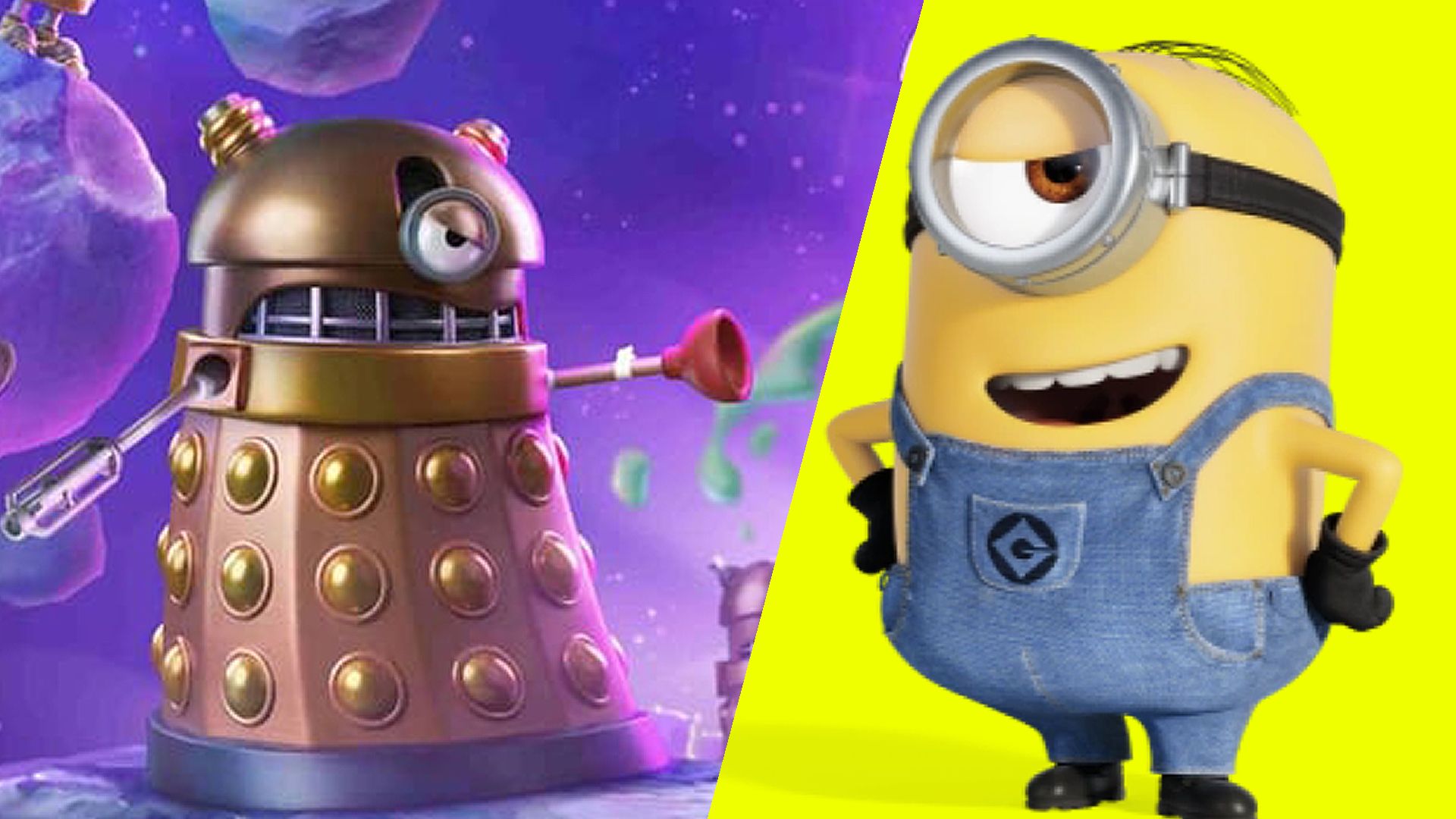
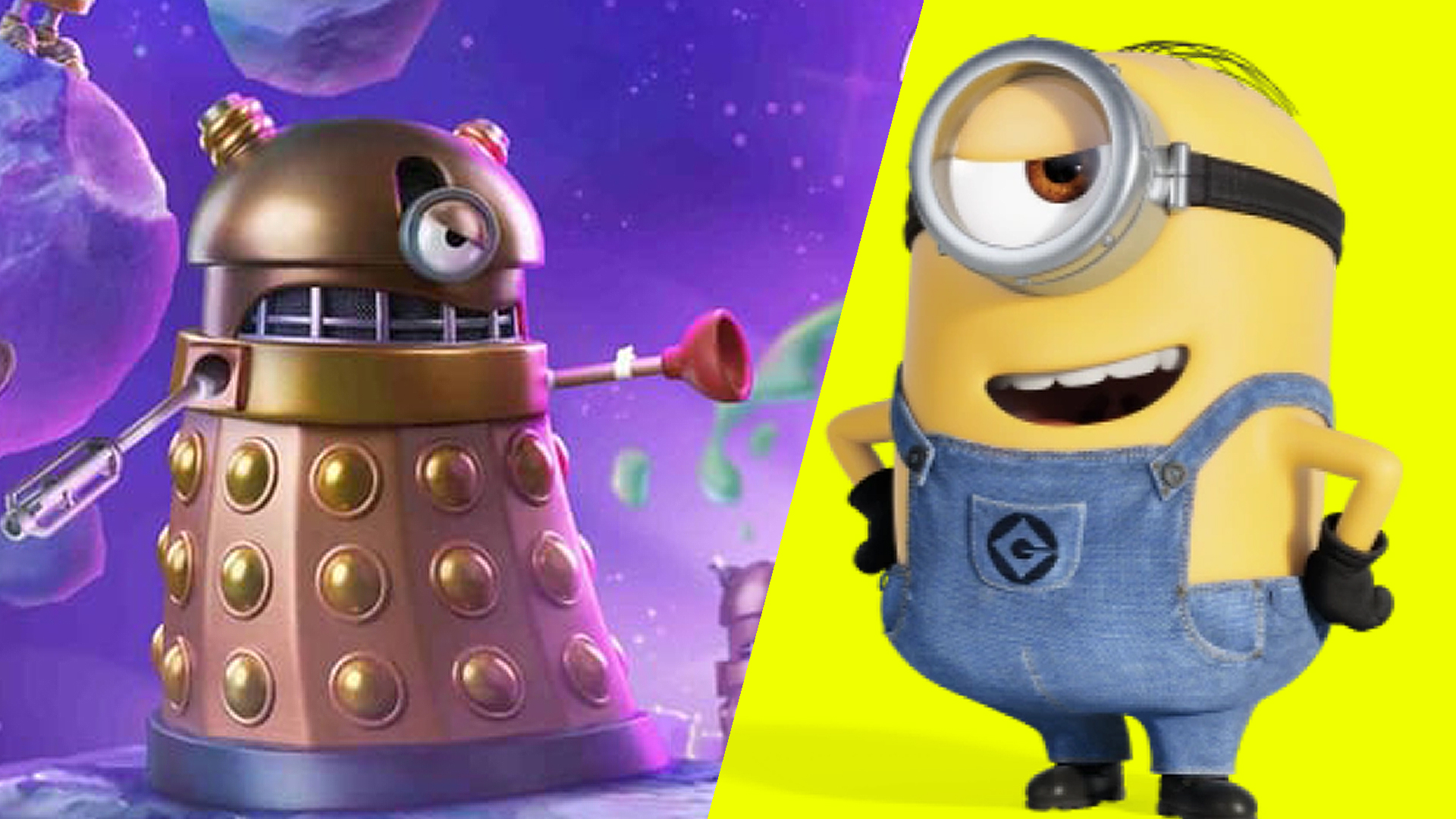
The most widespread and persistent criticism leveled against the artwork focuses on the redesign of the franchise’s most iconic villains: the Daleks. Adapted for a softer, less menacing aesthetic appropriate for toddlers, the new Dalek iterations feature enlarged, centrally positioned single eyes, modified casings, and exaggerated mechanical appendages.
Social media commentators were swift to point out an unavoidable visual parallel: the toddler-friendly Daleks bear an uncanny resemblance to the yellow, one-eyed "Minions" from Universal Studios’ Despicable Me franchise. Memes pairing the pepper-pot exterminators side-by-side with Illumination’s animated henchmen circulated rapidly.
While purists initially balked at the perceived infantilization of the universe’s most ruthless cyborg empire, design analysts note that the reimagining is a functional necessity. Traditional Daleks—with their harsh metallic screeches, monotone death-rays, and totalitarian fascism—are inherently terrifying to pre-schoolers. Softening their geometry, rounding their edges, and introducing expressive optical elements successfully defangs the threat level while retaining the instantly recognizable silhouette.
The "Toast-IE" and Red Dwarf Parallels
Another point of lively debate involves the robot companion, Toast-IE. Astute television viewers immediately drew comparisons to Talkie Toaster, the neurotic, bread-obsessed appliance from the classic British sci-fi sitcom Red Dwarf. While industry observers assume the similarity is an amusing coincidence rather than an intentional crossover or copyright infringement, it sparked humorous speculation regarding a potential shared multi-verse of British sci-fi toast enthusiasts.
Furthermore, some online commentators questioned whether the character concepts felt overly derivative of generic algorithmic suggestions—wondering aloud if artificial intelligence tools played a role in brainstorming quirky sci-fi companions. Despite these playful jabs, defenders of the show remind critics that companion robots have been a staple of children’s television for decades, from K-9 to R2-D2.
Cultural Commentary and Online Discourse
As is frequently the case with high-profile franchise extensions, the discourse surrounding TARDIS Crew quickly bled into broader cultural debates. A vocal contingent of older male commentators took to social media to express grievances regarding the show’s artistic direction, modern color palettes (with one viral post humorously complaining about the presence of "bisexual lighting" due to cosmic purple and blue nebulas), and the emphasis on diverse, strong character designs.
Longtime fans and media analysts pushed back against the negativity, pointing out the inherent absurdity of adults expressing outrage over artistic choices made explicitly for a three-year-old audience. The inclusion of vibrant colors, whimsical character designs, and accessible storytelling elements are standard pedagogical practices in modern children’s animation, designed to stimulate cognitive development rather than pander to nostalgic thirty-somethings.
Future Outlook: The Strategic Implications for the Whoniverse
As the BBC prepares for the rollout of Doctor Who: TARDIS Crew in late 2027 or early 2028, the project serves as a fascinating case study in modern intellectual property management. By diversifying the portfolio across distinct demographic tiers—ranging from the high-budget, teen-and-adult accessible live-action flagship to pre-school animated adventures—the BBC is insulating the franchise against single-point-of-failure risks.
Should the live-action production transition experience delays or shifting broadcast partnerships, the Whoniverse will remain culturally active in households worldwide via CBeebies. Furthermore, the introduction of a youthful Doctor and relatable animated companions lays the groundwork for an entirely new generation of dedicated fans who will eventually graduate to the main series.
Ultimately, while the internet will inevitably continue to debate whether the new Daleks look too much like animated henchmen or if cosmic purple nebulas constitute "bisexual lighting," Doctor Who: TARDIS Crew represents a bold, necessary step forward. It proves that even after over six decades of time-traveling adventures, the TARDIS still has plenty of unexplored eras left to visit—starting right in the playroom.