Executive Overview
Translating the whimsical, idiosyncratic artistry of Dr. Seuss from static 2D print illustrations into a fully realized, three-dimensional cinematic universe is one of the most formidable challenges in modern animation. When directors Alessandro Carloni and Erica Rivinoja took the helm of Warner Bros. Pictures Animation’s upcoming 2026 feature film The Cat in the Hat, they established a strict creative mandate early in development: they explicitly wanted to avoid computer-generated imagery (CG) that merely functioned as a literal "simulator" of a picture book.
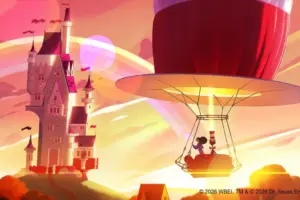
Slated for theatrical and IMAX release in North America on November 6, 2026—with international rollouts commencing two days earlier on November 4—the film represents a monumental technical and artistic leap. Rather than settling for flat nostalgia, the production team set out to engineer an entirely new visual language. This bespoke aesthetic preserves the cozy, tactile familiarity of Seuss’s original ink-and-watercolor illustrations while fully embracing the immersive depth, dynamic pacing, and environmental scope of modern 3D CG animation.
Achieving this required a massive, synchronized international pipeline spanning multiple continents, heavy reliance on industry-standard and proprietary tools like Autodesk Maya and Flow Production Tracking, and a deeply collaborative writing and directing partnership. This deep dive explores how Carloni, Rivinoja, and their global crew of artists, animators, and technical directors brought a timeless literary icon into the contemporary cinema era without losing its singular soul.
Detailed Chronology & Production Pipeline
The "Unite and Conquer" Directorial Approach
Historically, major animated features frequently divide directorial and writing duties along departmental lines or narrative acts. Carloni and Rivinoja, however, threw out this playbook. Describing their methodology, Rivinoja explains that the partnership was never about a traditional "divide and conquer" strategy, but rather an intensive "unite and conquer" philosophy. To maintain absolute creative coherence and streamline production across a sprawling pipeline, the co-directors insisted on attending nearly all critical meetings together.
This hyper-collaborative environment was essential given the sheer scale of the production. The film’s workflow bridged talent pools across four major global hubs: London, Montreal, Los Angeles, and India. Managing thousands of creative assets, storyboards, character rigs, and animation variants across disparate time zones required robust pipeline infrastructure.
The Autodesk Ecosystem: Flow, Maya, and Capture
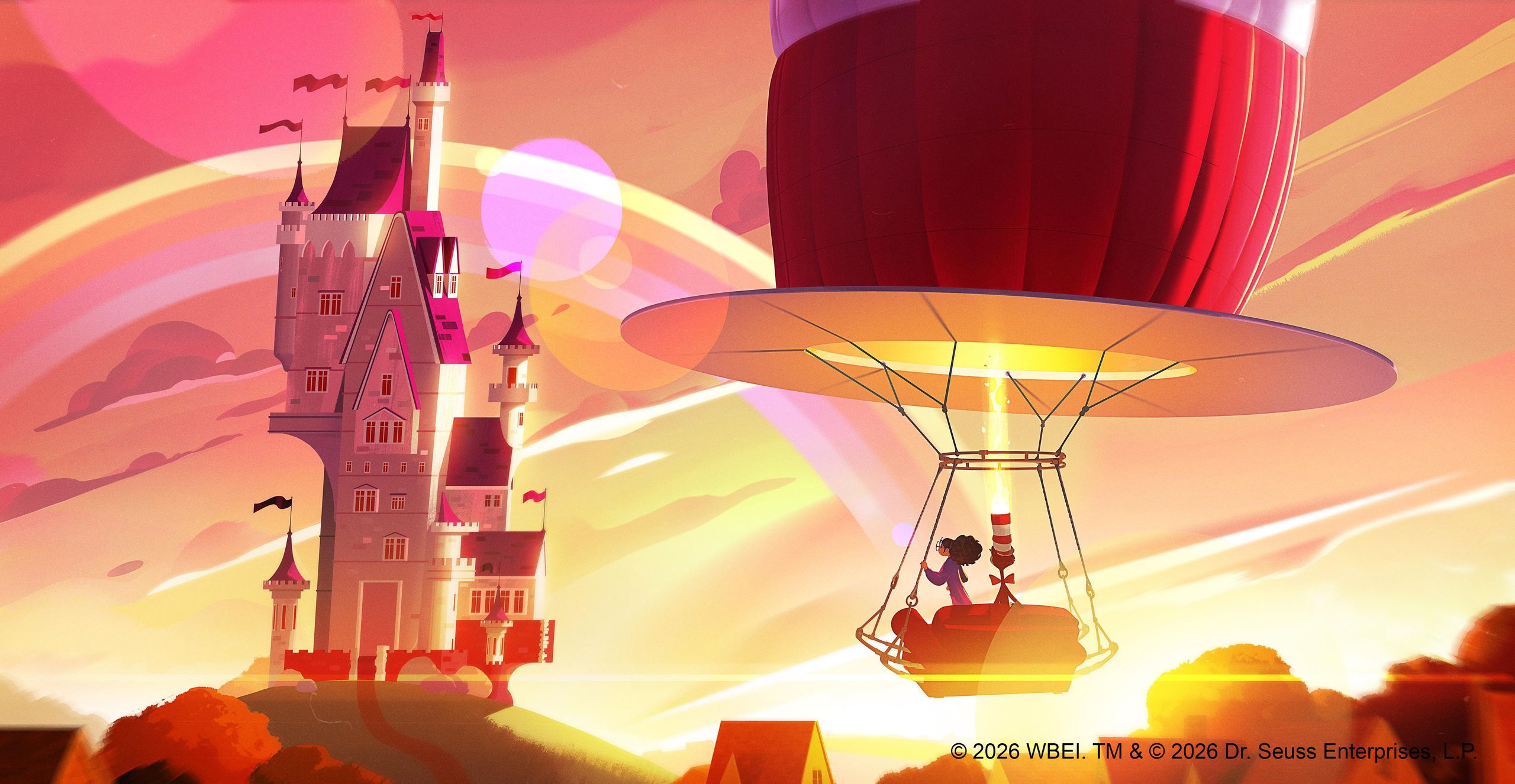
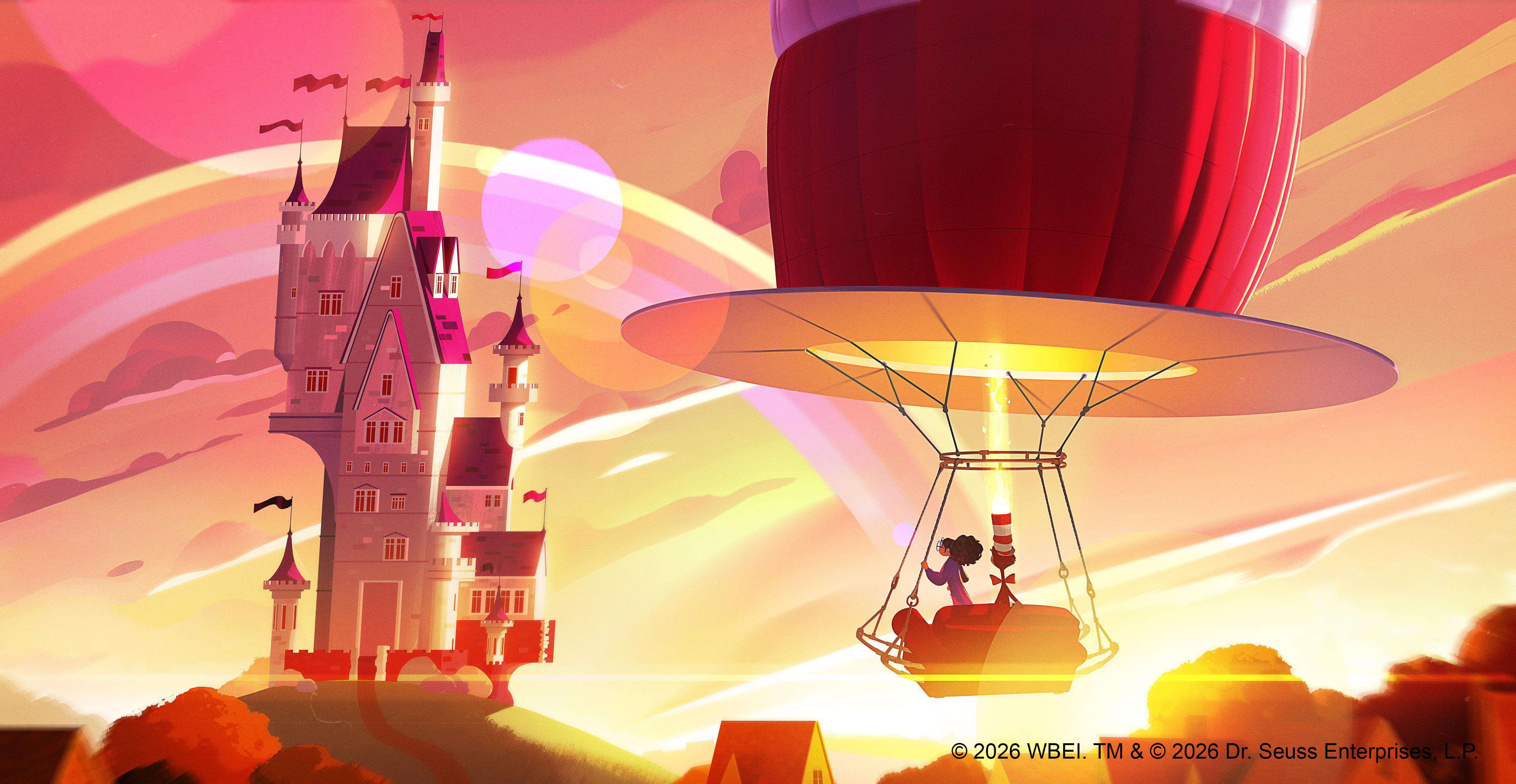
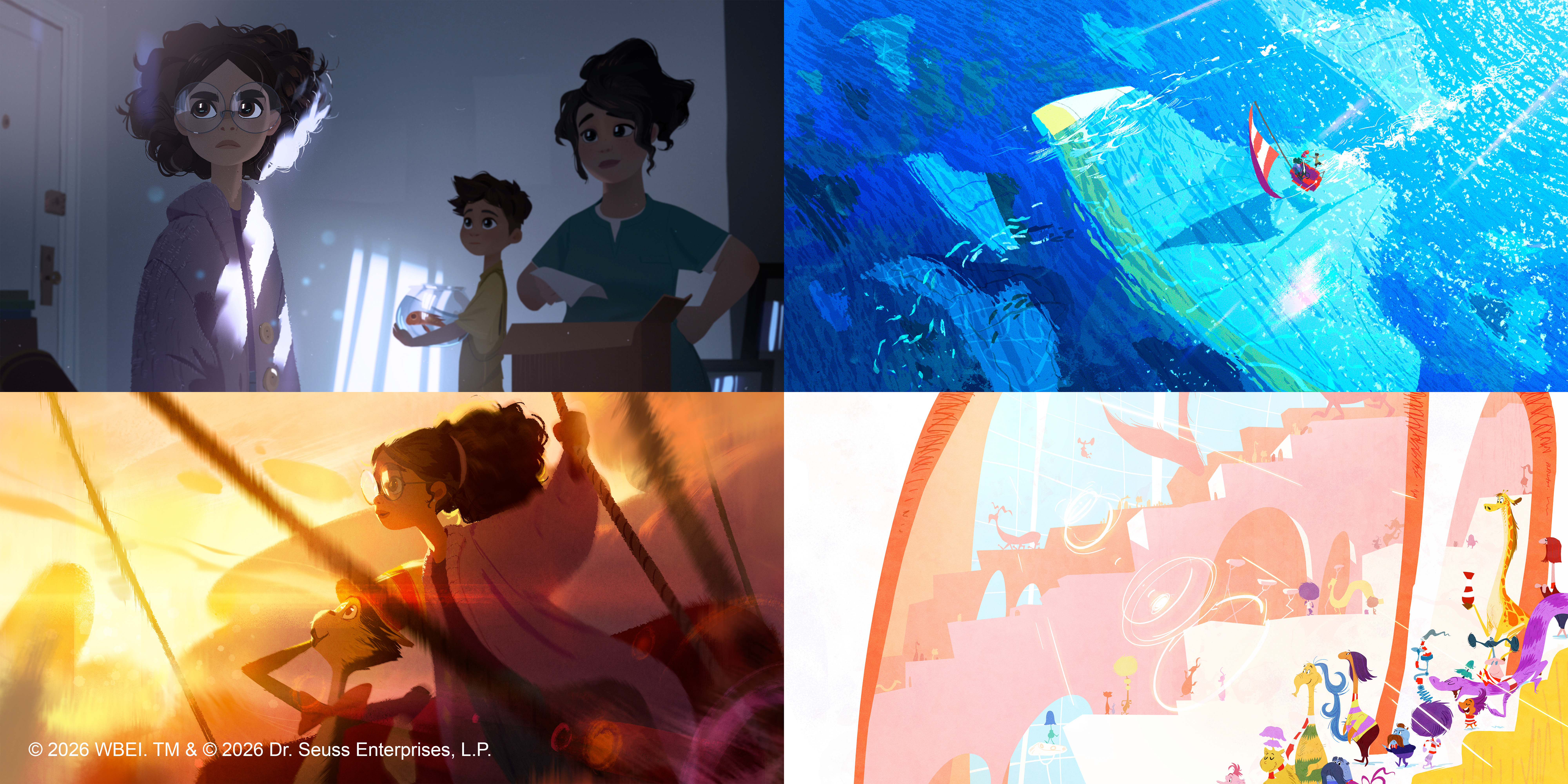
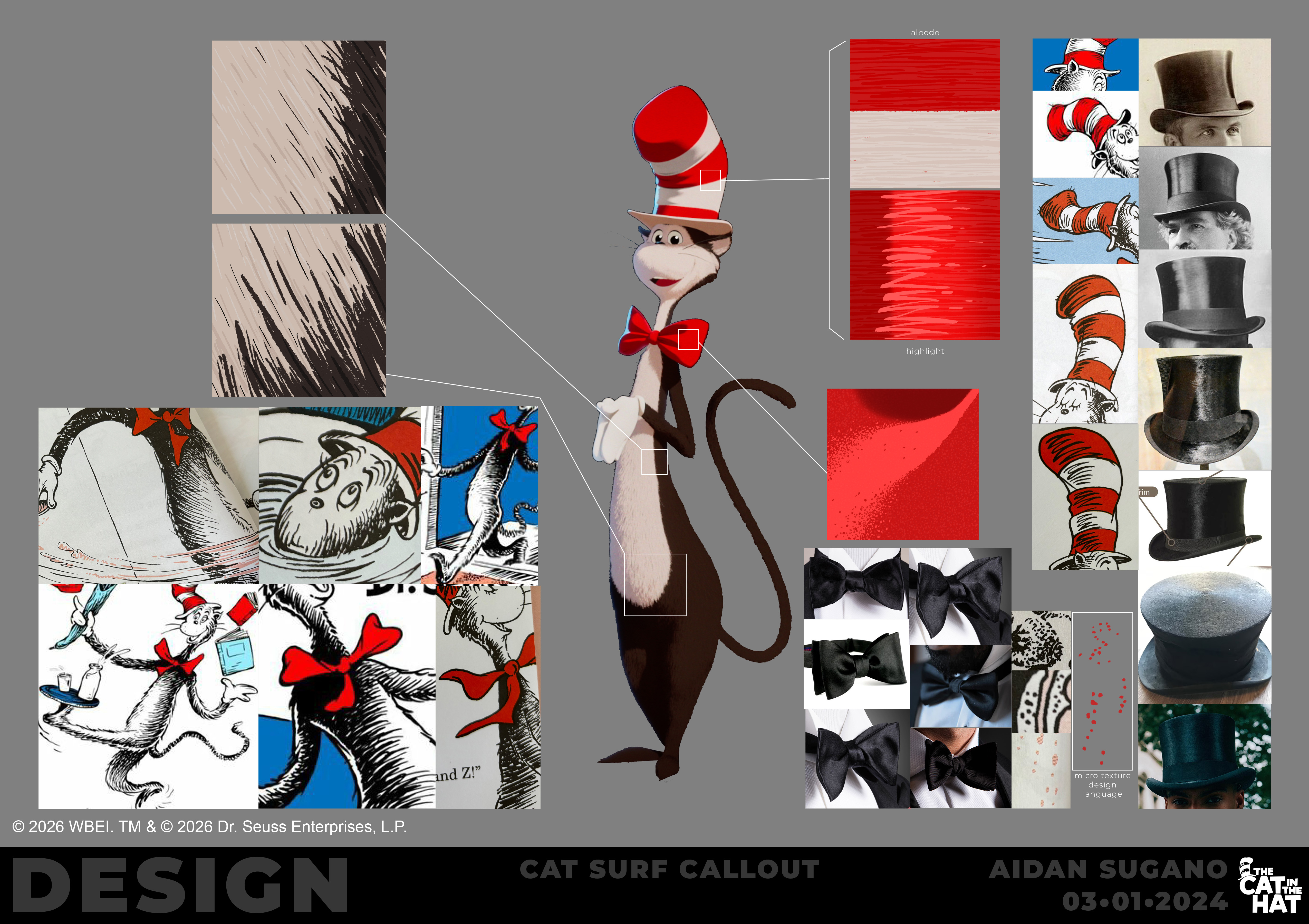
At the beating heart of this multi-continental pipeline sat Autodesk software, acting as the centralized nervous system for the entire production. Production designer Aidan Sugano’s initial hand-drawn concepts were systematically translated into complex 3D assets within Autodesk Maya. Every single element populating the film’s universe—from central characters and background props to sweeping, gravity-defying environments—was built from the ground up inside Maya.
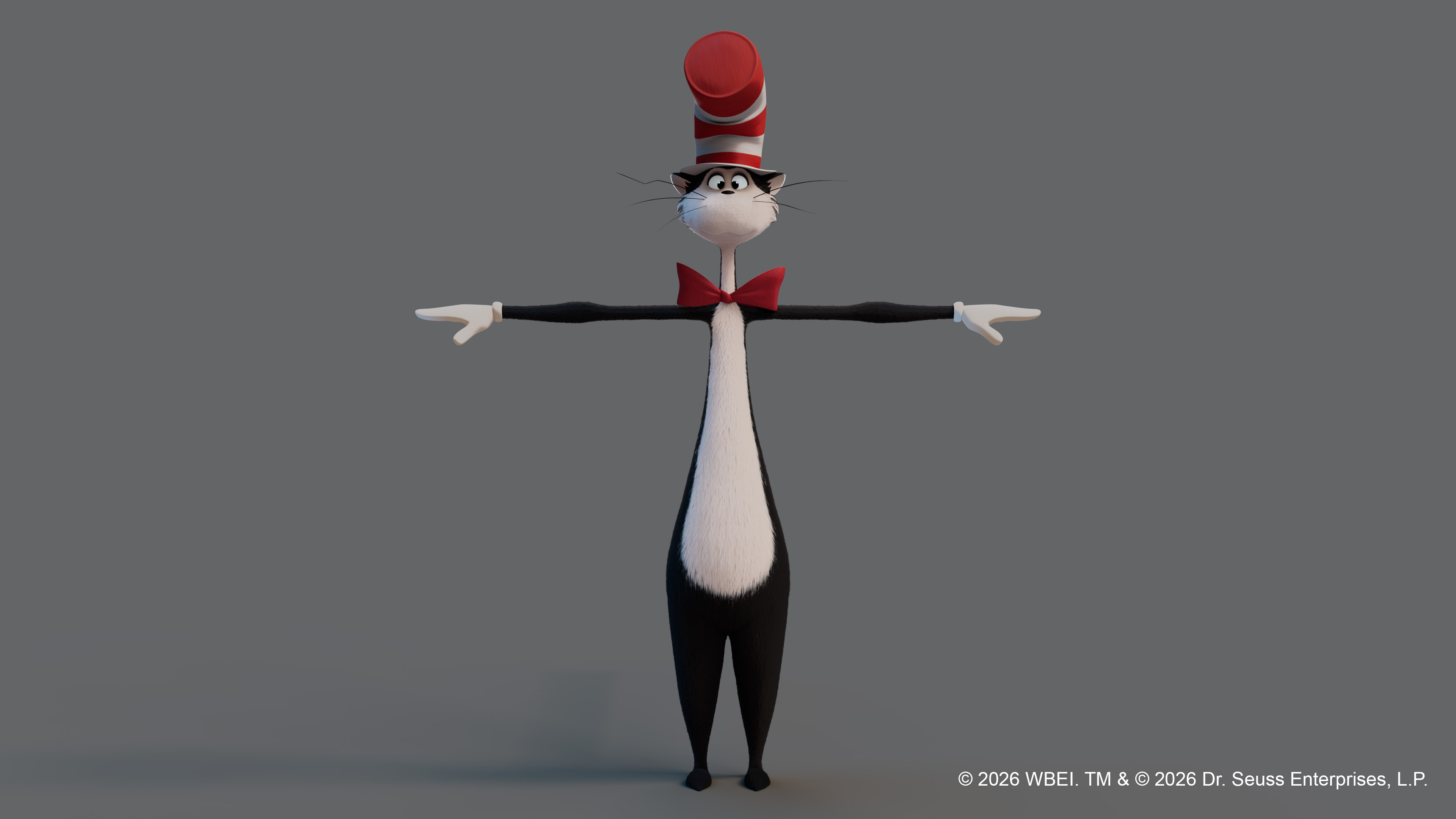
For the animation department, Maya provided the precise tools required to breathe life into Seuss’s surreal character designs. Animators like Marek Kochout relied heavily on Maya’s Graph Editor to sculpt the Cat’s complex performances. A single, highly expressive shot often involved hundreds of layered, intricate animation curves. To maintain character consistency across a massive team, artists utilized a centralized Pose Library. This shared repository stored approved facial expressions, body attitudes, and motion reference points, ensuring that every animator working across different studios could tap into a standardized vocabulary of how the Cat moves and reacts.
Meanwhile, keeping a complex, two-year production synchronized globally demanded advanced project management tools. The studio deployed Autodesk Flow Production Tracking to monitor every character, environment, prop, and pipeline version from early storyboards through final visual effects compositing.
Review sessions became a masterclass in cross-continental efficiency: production designer Aidan Sugano (based in New York) and VFX supervisor Matt Waters (based in London) utilized RV within Flow Production Tracking to review identical footage streams in real-time. Furthermore, executive stakeholders and distribution partners screened work-in-progress cuts via PIX—now integrated under Autodesk Flow Capture—which provided critical watermarking, encryption, and granular access controls to keep the highly anticipated project securely under wraps. As co-director Alessandro Carloni bluntly assesses: "This movie would not exist without the tools we had."
Supporting Context & Metrics: Engineering the Seuss Look
Breaking Free from Digital Sterility
One of the core technical battles faced by the lighting and surfacing teams was overcoming the inherent sterility of digital CGI. Modern rendering engines are exceptionally good at producing hyper-realistic light interaction, sharp reflections, and mathematically precise geometry. For The Cat in the Hat, however, these attributes were the exact opposite of what was desired.
To achieve a look that felt authentically Seussian at a cinematic scale, the technical art teams had to completely rethink illumination, surface shaders, and object edges:
- Hybrid Lighting Models: The production paired simple, almost flat surfaces and key lighting strategies with softer, highly volumetric fill and bounce lighting. This interplay mirrored the hand-painted, uneven washes of watercolor while maintaining clear spatial depth.
- Painterly Edge Treatments: To banish the harsh, razor-sharp digital edges common in standard 3D animation, the team developed specialized edge-treatment shaders that softened silhouettes, mimicking the slightly bleeding ink lines of children’s book illustrations.
- Physical Lens Simulation: To ground the stylized world in believable optics, the artists engineered realistic lens behaviors—including halation, chromatic aberration, and authentic lens flare. This subtle layer of photographic imperfection helped anchor the fantastical environments into something cinematic and emotionally resonant.
World-Building and Narrative Expansion
Expanding a beloved, highly concise children’s book into a feature-length cinematic narrative required careful world-building. Rivinoja emphasizes that preserving Dr. Seuss’s visual language—including characteristic hatch marks, strategic negative space, iconic color palettes, sweeping architectural arches, and whimsical mechanical appendages—was paramount for legacy fans.
Rather than merely repeating the events of the original book, the narrative explores what happens after the story concludes. Where does the Cat go when he leaves the house? The filmmakers conceived a clever framing device: entertaining bored children is not just a whimsical hobby, but his professional occupation. This explains his timely arrival on a rainy day, positioning him as a specialized operative working for a larger corporate entity where his iconic red-and-white striped hat serves as a standard company uniform.
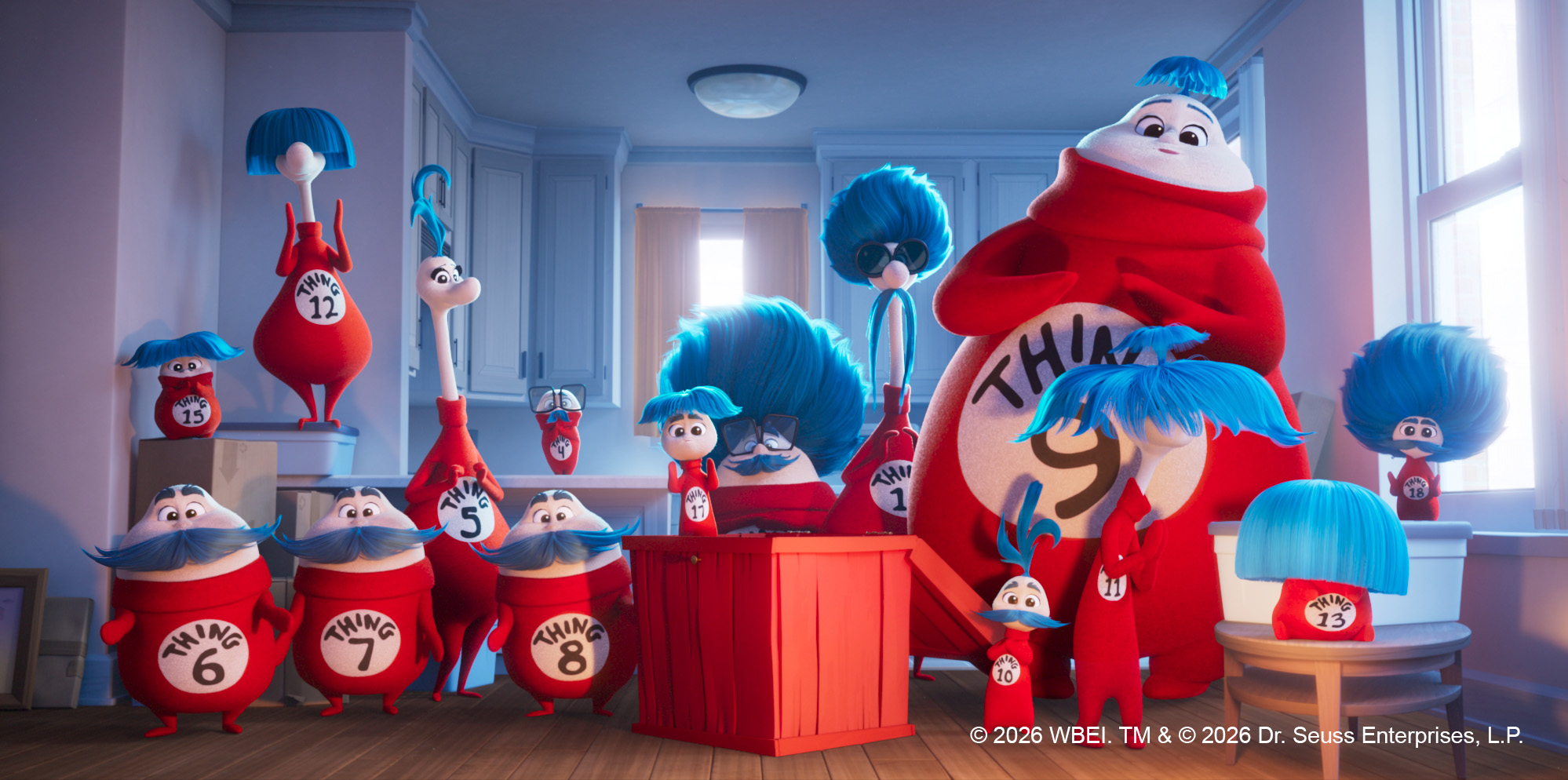
The film establishes multiple distinct environments: the mundane real world, the classic Seussian dreamscape, and three additional unique worlds tied directly to specific supporting characters. Crucially, the production decided against altering the foundational shape language of the characters when transitioning between these realms.
"We kept consistent shape language throughout, and we didn’t change the looks of the characters," Rivinoja notes. Instead, shifts in emotion, narrative tone, and environmental reality are communicated entirely through lighting, surfacing techniques, color grading, and rendering styles.
Official Statements & Creative Philosophy
Bringing such an iconic literary figure to the silver screen brought immense pressure, particularly regarding audience connection. Carloni candidly points out that the single greatest hurdle of the production was ensuring the central feline protagonist remained universally endearing:
"To make sure the character of the Cat was truly lovable. The kind of character anyone would want to spend time with. If we loved him, we had a movie. If he’s unlikable, then no matter how fun the story or how fantastic the adventure, the movie would never work."
Reflecting on the medium of animation itself, Carloni highlights both its liberating potential and its daunting lack of physical constraints. Unlike live-action filmmaking, which is bound by the laws of physics and tangible locations, animation offers absolute blank-slate creation:
"There are limitless possibilities. You can literally do anything at all in animation. As the saying goes, the only limit is your imagination, which makes it perfect to tell a Seuss story and create a Seuss world."
Future Outlook
As the animation industry watches closely ahead of its late 2026 theatrical debut, The Cat in the Hat is positioned to be a landmark release for Warner Bros. Pictures Animation. By successfully bridging the gap between nostalgic 2D print aesthetics and cutting-edge 3D production pipelines, the film threatens to redefine how classic literature is adapted into computer-animated features.
The extensive technical documentation released via Autodesk’s Made to Make video series and extended developer blogs highlights a growing industry trend toward transparent, tool-driven artistic workflows. By leaning heavily into procedural consistency, global remote collaboration platforms, and custom-tailored stylized rendering engines, Carloni, Rivinoja, and their international crew have proven that even the most flat, ink-and-paper worlds can be successfully expanded into fully dimensional cinematic spectacles.
When audiences step into theaters in November 2026, they will not merely be watching a digital reenactment of a childhood bedtime story. They will be stepping inside a living, breathing Dr. Seuss universe constructed by hundreds of artists operating at the absolute cutting edge of digital artistry.