At the Adobe MAX conference in Miami, Adobe Inc. dropped a paradigm-shifting roadmap that fundamentally redefines the role of generative artificial intelligence in professional digital workflows. Moving far beyond the era of simple text-to-image playgrounds or standalone tool enhancements, Adobe has gone "all-in" on an agentic AI ecosystem. The core announcement centers on Firefly, which has evolved from a standalone image generator into an all-encompassing, cross-platform creative studio.
At the center of this transformation is the newly introduced Creative Agent—an intelligent orchestration layer designed to interpret plain-language creative briefs, coordinate Adobe’s native tools, and seamlessly weave in a growing ecosystem of third-party AI models. Rather than replacing the artist, Adobe’s pitch positions the human creator firmly in the director’s chair. You provide the vision and strategic judgment; the AI agent handles the heavy lifting, asset assembly, and technical execution.
Alongside this agentic paradigm shift, Adobe showcased major overhauls to its flagship desktop applications—including Photoshop, Illustrator, Premiere Pro, and After Effects—alongside strategic integrations from recent acquisitions like Topaz Labs. However, this sweeping expansion into automated, multi-model workflows also raises critical questions regarding creative control, authorship, and the shifting boundaries of professional design.
Detailed Chronology of Announcements & Ecosystem Updates
The announcements at Adobe MAX 2026 unfolded across a broad spectrum of integrated applications, web tools, and infrastructure updates, marking one of the most aggressive product rollout schedules in the company’s history.
1. Firefly Evolves: Firefly Design and Firefly Graph (Beta)
The centerpiece of the web-based ecosystem is the new Firefly Design editor (currently in beta). Built completely from scratch, this unified workspace consolidates vector editing, raster manipulation, animation, 3D rendering, and print layout onto a single, collaborative canvas.
Precision Meets Automation: Users are no longer restricted to purely generative outputs; they can seamlessly alternate between manual vector path adjustments and AI-driven modifications.
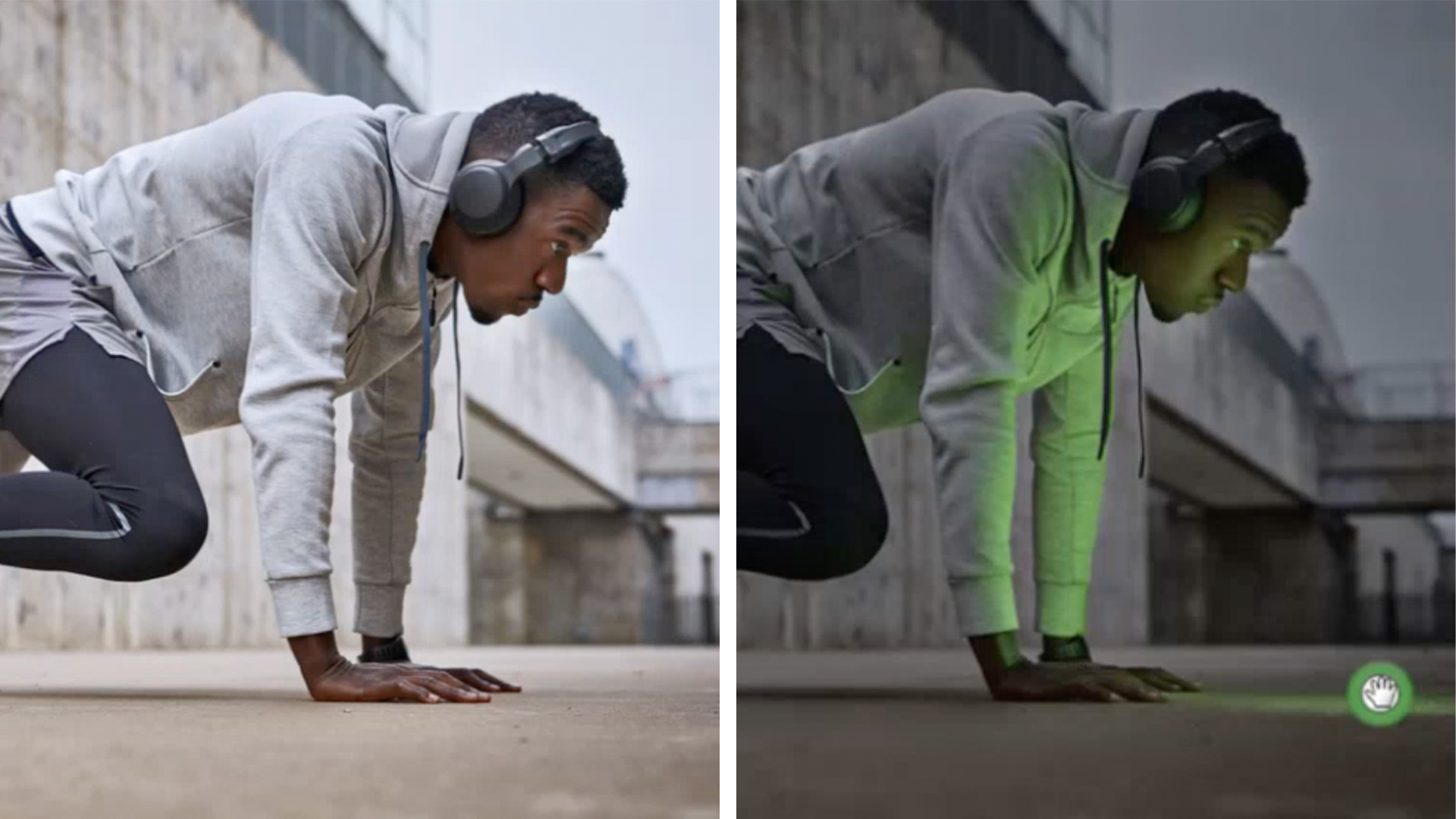
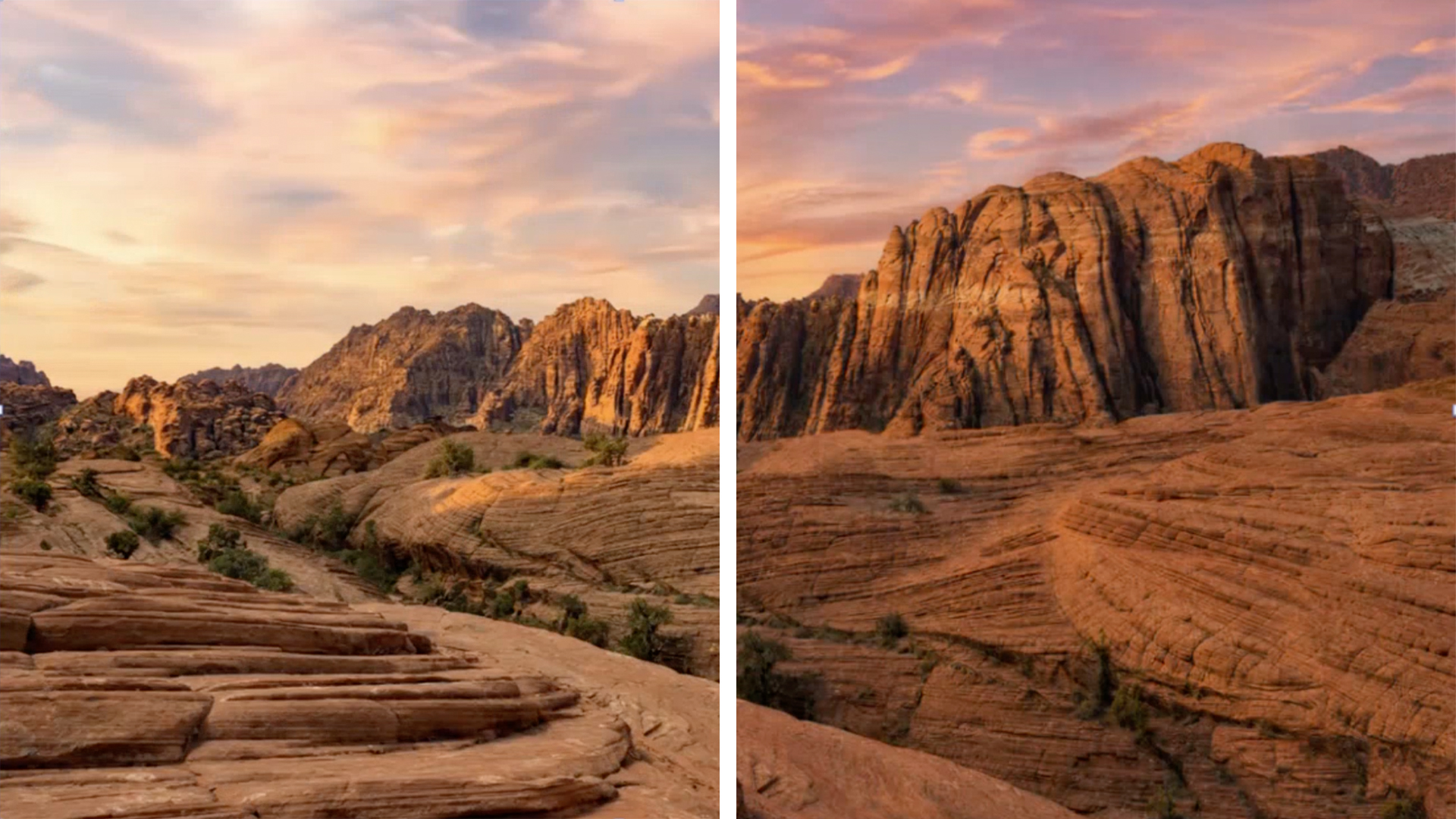
Granular Image Editing: New tools such as Edit Object, Edit Text, Relight, and Retouch provide unprecedented control over generated assets. A dedicated gallery of dozens of Quick Actions automates routine tasks, such as removing stray background objects or generating precise thumbnail cutouts.
Cross-Media Pipelines: Demonstrations highlighted how assets move fluidly through the pipeline. For instance, a mood board created in Firefly Boards—utilizing typefaces from Adobe’s massive 35,000-font library—can be transferred straight into the Firefly Video Editor. Integrated services like Adobe Stock for music and ElevenLabs for text-to-speech further accelerate the production cycle, supported by automated cut-detection tools that slash video assembly times from hours to mere seconds.
2. Multi-Model Flexibility and the Firefly Graph
Adobe has historically maintained a tightly curated, ethically sourced AI model ecosystem. At MAX 2026, however, the company dramatically expanded its horizons. Firefly now integrates prominent third-party models alongside its native architecture, including offerings from Google, OpenAI, ByteDance, and ElevenLabs. Recent additions feature high-performance video and image models like Kling 4.0 and Dreamina Seedance 2.5, alongside specialized upscaling and enhancement tools from Topaz Labs.
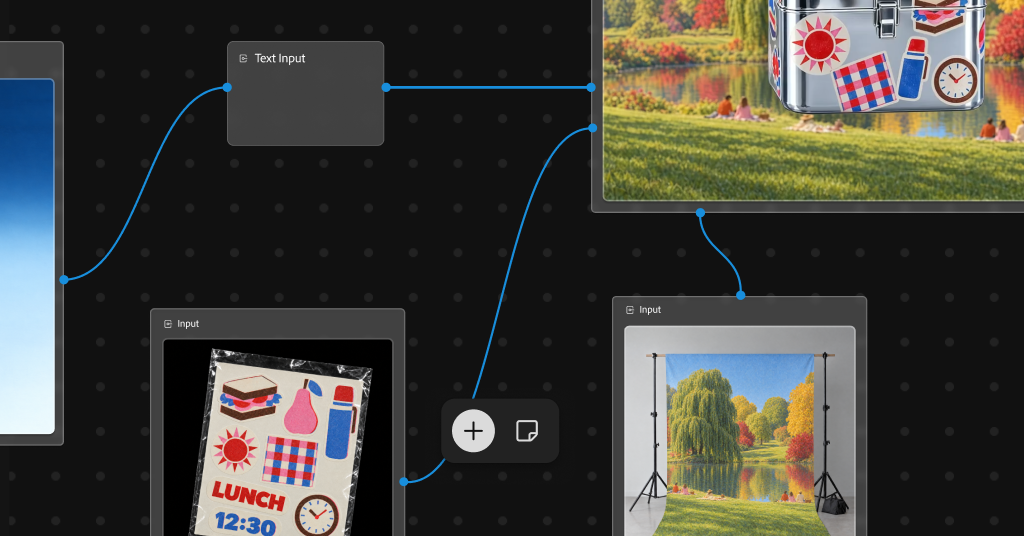
To manage this multi-model environment, Adobe introduced Firefly Graph (Beta). This node-style workflow builder allows creators to chain together specific tools and models into custom, repeatable pipelines. Once a complex multi-step generative process is built—such as an automated batch localization and relighting sequence—it can be saved and executed instantly on demand.
3. Builder and "Always-On" Agents
For UX/UI designers, Adobe previewed Builder (currently in private beta). By typing a text prompt, users can instantly generate fully clickable prototypes for websites or mobile applications. Crucially, Adobe claims Builder strictly adheres to predefined design systems, mitigating the erratic style-drift common in early AI prototyping platforms.
Furthermore, Adobe introduced "Always-On" Agents designed to handle autonomous, recurring tasks in the background. Tailored for small business owners and marketing teams—such as a restaurant operator uploading menus, brand assets, and URL parameters—these agents can autonomously draft weekly social media posts, learn from ongoing performance metrics, and adapt future outputs for human approval.
4. Creative Cloud Desktop Integration and MCPs
The Creative Agent is not confined to the web; it is rapidly embedding itself into the desktop ecosystem. AI Assistants are rolling out across Illustrator, Premiere Pro, InDesign, After Effects, and Frame.io (with Photoshop leading the charge in its dedicated beta app).
In a move acknowledging professional habits, Adobe announced Local Model Context Protocol (MCP) integrations (scheduled for private beta in early 2027). This architecture enables users to point preferred third-party AI agents directly at native desktop project files (.psd, .ai, .prproj, .aep) stored locally on their machines. Because layers, vector paths, bins, and timeline sequences remain fully editable natively, professionals retain the granular ability to step in and correct AI-generated missteps at any stage.
Supporting Context & Metrics: The Technical Landscape
To contextualize Adobe’s aggressive pivot toward agentic workflows, it is vital to examine the quantitative and qualitative shifts occurring within digital media production:
Asset Library Scale: Adobe Fonts now boasts approximately 35,000 typefaces, which the new Creative Agent can search, pair, and even convert from static raster typography into fully editable vector fonts.
Ecosystem Expansion: By opening Firefly Graph to external architectures—incorporating heavyweights like OpenAI, Google, ByteDance, and Kling alongside Adobe’s proprietary models—Adobe is attempting to position itself as the universal OS for creative AI, rather than just another proprietary plugin suite.
Hardware & Acquisition Synergy: The acquisition of Topaz Labs has already borne fruit with the introduction of advanced models like Wonder 4 and Image HDR. These models bring industrial-grade AI denoising, deblurring, sharpening, and high-dynamic-range reconstruction directly into Lightroom and Photoshop workflows, addressing longstanding technical bottlenecks in professional photography and video post-production.
App-Specific Upgrades:
After Effects: Receives an AI assistant capable of interpreting legacy project hierarchies, debugging complex expression scripts, and generating supplementary video elements.
Photoshop: Gains advanced lighting controls (Relight), style transfers (Generative Restyle), side-by-side comparison tools (Quick Compare), and context-aware shadow removal within its primary Remove Tool.
Lightroom: Introduces spatial lighting enhancements (Glow), one-tap blemish eradication, and a beta Open Eyes correction tool to fix accidental blinks in portrait photography.
InDesign: Adds collaborative co-editing in beta, flexible layout systems for complex text frames, and contextual generative rewriting tools.
Official Statements and Industry Perspectives
The introduction of agentic AI into professional workflows has sparked intense debate regarding agency, authorship, and the future of creative labor.
Addressing the anxiety surrounding automation, Adobe executives emphasize that the human creator remains the ultimate arbiter. During the pre-briefing demos, representatives stressed that the Creative Agent acts strictly under human supervision:
"The artist stays in the director’s chair. You review the agent’s plan before it executes, you choose whether to use auto-select or pick a specific model yourself, and you can step in to edit natively at any given second."
However, industry analysts and working professionals have voiced cautious skepticism. While routine administrative tasks—such as file organization, resizing, asset tagging, and baseline rough cuts—benefit immensely from automation, the line blurs quickly when AI begins making artistic decisions regarding composition, pacing, narrative style, and aesthetic direction.
Ian Dean, Editor for Digital Arts & 3D at Creative Bloq, noted the philosophical tension inherent in Adobe’s new multi-model strategy:
"Adobe has spent years championing its ‘ethically sourced’ Firefly training data as a safe haven for commercial creatives. By now welcoming third-party models from rivals into the Firefly henhouse, the foxes are officially inside. It will be fascinating to see how the professional community reconciles this convenience with compliance and copyright concerns."
Furthermore, as agentic tools become ubiquitous across standard software subscriptions, creatives who prefer a purely manual workflow may find themselves navigating an increasingly automated digital environment, raising questions about whether speed enhancements will ultimately translate into greater creative freedom or simply accelerated production quotas.
Future Outlook: Navigating the Agentic Era
As Adobe MAX 2026 demonstrates, the debate in digital media has officially shifted from whether AI will be integrated into creative suites to how autonomously it will operate.
Looking ahead to the rollout of Local MCP integrations in 2027 and the wider public release of Firefly Design and Firefly Graph, the industry stands at a critical crossroads. The promise of agentic AI is immense: by delegating mechanical execution to intelligent systems, artists could theoretically reclaim hours of daily friction, dedicating more cognitive bandwidth to high-level conceptualization and emotional storytelling.
Yet, the ultimate success of this transition will not be measured by the sophistication of Adobe’s demos, but by the granular reality of user control. If creators find themselves constantly fighting unpredictable automated outputs or spending more time debugging AI agent plans than crafting original work, resistance will mount. Conversely, if Adobe successfully maintains a transparent, highly customizable sandbox where human judgment remains paramount, it may well anchor the foundational operating system of digital creation for the next decade. For now, the tools are ready, the models are converging, and the creative community is watching closely to see who is truly driving.