Executive Overview
As humanity prepares to return to the lunar surface through NASA’s ambitious Artemis campaign, space engineers face a myriad of hostile environmental challenges that dwarf those encountered during the Apollo era. Among the most formidable technical hurdles is the unyielding thermal regime of the Moon, characterized by wild, extreme temperature fluctuations that routinely destroy conventional energy storage systems.
To overcome this vulnerability, NASA has spotlighted an innovative, cutting-edge initiative known as the SPEARS project (Solid Power for Extreme Environment Adaptability and Resilience in Space). Spearheaded by specialized materials scientists and aerospace engineers within the agency, SPEARS is pioneering a radical departure from traditional battery architecture. By replacing the vulnerable liquid electrolytes found in standard commercial lithium-ion batteries with advanced solid-state ceramic or polymer materials, NASA is forging a new path toward reliable power generation in deep space.
This breakthrough technology is not merely an incremental upgrade; it represents a fundamental paradigm shift in how rovers, habitats, extravehicular life-support systems, and scientific instruments will store and discharge energy on the Moon, Mars, and beyond. This report offers a comprehensive analysis of the SPEARS project, detailing the physics of lunar thermal extremes, the engineering mechanics of solid-state architecture, the broader impacts on the Artemis program, and the transformative potential these space-grade innovations hold for terrestrial applications on Earth.
Detailed Chronology: The Evolution of Space-Grade Power Storage
The Legacy Limitations of Apollo and Early Spaceflight
During the mid-20th-century Apollo missions, NASA relied heavily on silver-zinc batteries and hydrogen-oxygen fuel cells to sustain the Lunar Modules and Command Modules. While these systems successfully powered humanity’s first footsteps on another world, their operational lifespans were severely limited. They were designed for short-duration sorties lasting mere days, rather than the sustained, permanent infrastructure envisioned for the modern Artemis program.
As robotics and unmanned rovers took center stage in planetary exploration over the subsequent decades, standard lithium-ion (Li-ion) chemistry became the industry standard. However, these terrestrial-derived systems were never engineered to survive the brutal vacuum, radiation, and thermal extremes of the lunar surface.
The Birth of the SPEARS Initiative
Recognizing that humanity’s permanent return to the Moon hinged entirely on revolutionary energy storage, NASA initiated specialized research into solid-state battery chemistry. The SPEARS project emerged from the collective efforts of NASA’s research centers—particularly working in tandem with facilities like the Langley Research Center—to address the critical vulnerabilities of conventional power systems.
Rather than relying on brute-force thermal insulation and power-hungry heating elements (parasitic loads that drain valuable energy reserves just to keep batteries warm), the SPEARS team sought to alter the fundamental chemistry of the battery itself. By transitioning away from liquid-based configurations, researchers targeted a design capable of enduring cryogenic deep-freeze states without sustaining structural or chemical degradation.
Recent Milestones and Development Phases
In recent technical briefings, NASA has detailed the steady progression of the SPEARS initiative. Laboratory testing has moved past initial conceptual phases into rigorous stress-testing protocols. Researchers have subjected prototype solid-state cells to simulated lunar diurnal cycles—rapidly oscillating between searing daytime heat and sub-zero night-time conditions.
While development is ongoing, current iterations of SPEARS batteries have demonstrated a remarkable resilience: they may require minor thermal assistance to operate at peak efficiency, but exposure to extreme cold no longer results in catastrophic freezing, dendritic short-circuiting, or permanent capacity loss.
Supporting Context & Metrics: Navigating the Lunar Environment
To fully grasp the magnitude of the engineering challenge solved by the SPEARS project, one must understand the hyper-aggressive climate of Earth’s nearest celestial neighbor.
The Brutal Physics of the Lunar Thermosphere
Unlike Earth, which is shielded by a thick atmosphere and a robust magnetic field that act as a global thermal regulator, the Moon has virtually no atmosphere. This lack of an insulating atmospheric blanket results in extreme thermal swings driven entirely by the unfiltered radiation of the Sun and the freezing vacuum of deep space.
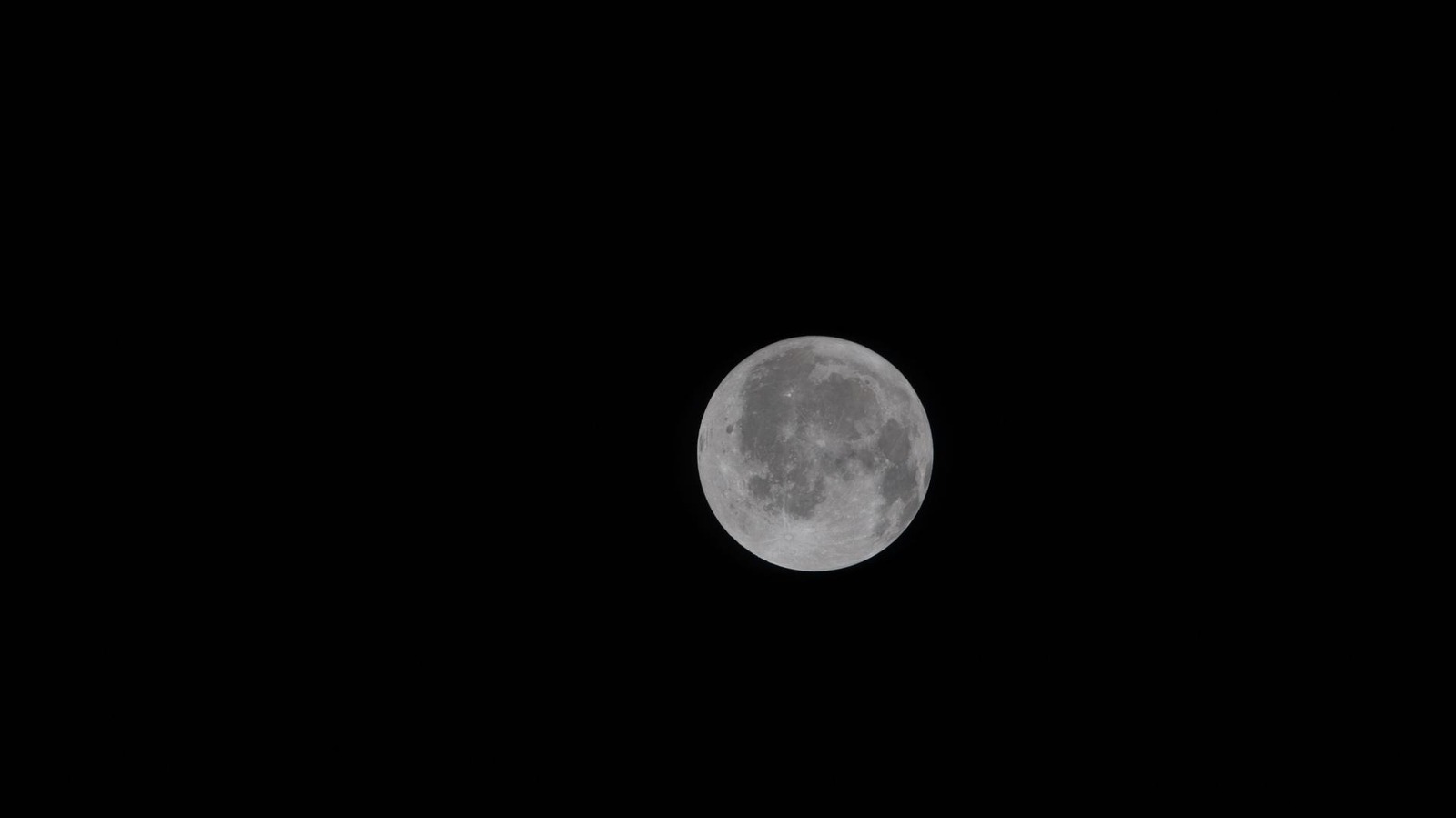
- Daytime Extremes: During the lunar day—which lasts approximately 14 Earth days—surface temperatures near the equator and mid-latitudes can soar to a blistering 212 degrees Fahrenheit (100 degrees Celsius).
- Nighttime Plunges: Conversely, during the equally long lunar night, surface temperatures collapse precipitously. At the lunar poles, particularly within permanently shadowed regions (PSRs) where future Artemis astronauts plan to prospect for water ice, temperatures plummet to an astonishing minus 328 degrees Fahrenheit (minus 200 degrees Celsius).
[Typical Terrestrial Li-ion Battery]
 ├── Liquid Electrolyte Freezes at Low Temps (Damages Cell Structure)
 └── Overheats and Degrades at High Temps (Thermal Runaway Risk)

[SPEARS Solid-State Battery]
 ├── Solid Ceramic/Polymer Electrolyte
 └── Withstands Cryogenic Freezing & High Heat Without Structural Damage
The Failure Mechanics of Traditional Lithium-Ion Batteries
Standard consumer and industrial electronics rely on lithium-ion batteries containing liquid organic electrolytes. These liquids facilitate the smooth movement of lithium ions between the anode and cathode during charging and discharging. However, this liquid medium carries fatal flaws in space exploration:
- Electrolyte Freezing: When temperatures drop below freezing, the liquid electrolyte thickens, crystallizes, and eventually solidifies. Attempting to charge a frozen lithium-ion battery causes lithium ions to plate out as metallic dendrites rather than intercalating into the anode. These dendrites can pierce the separator membrane, causing internal short circuits, catastrophic battery failure, or thermal runaway (explosive fires).
- Thermal Degradation: At high temperatures, liquid electrolytes undergo accelerated side reactions, degrading the internal components, venting toxic gases, and drastically reducing the battery’s total lifecycle capacity.
In contrast, the SPEARS solid-state design replaces the volatile liquid with a stable ceramic or polymer matrix. This structural shift eliminates the risk of boiling, leaking, or freezing electrolytes, opening the door to reliable energy storage across unprecedented thermal ranges.
Official Statements and Institutional Insights
NASA’s communication surrounding the SPEARS project emphasizes the strategic alignment between advanced materials science and the long-term viability of crewed space exploration.
In recent releases from NASA centers, agency leadership highlighted that returning humanity to the Moon is not merely a logistical exercise in rocketry, but an intricate challenge in life-support reliability and resource sustainability. Agency spokespeople noted that power is the absolute lifeblood of any space mission. Without dependable energy reserves, communication links sever, life-support systems fail, and scientific progress halts.
Furthermore, propulsion and power engineers associated with the Artemis architecture have stressed that minimizing parasitic mass is a paramount design constraint. Every pound allocated to heavy, fuel-burning thermal blankets or cumbersome nuclear-generator shielding reduces the payload capacity available for scientific gear, life-support consumables, and habitats. By engineering batteries that can inherently survive cryogenic environments without complex heating rigs, the SPEARS project directly slashes the mass and energy overhead of future lunar infrastructure.
Future Outlook: Implications for Artemis, Mars, and Earth
Powering the Artemis Base Camp and Lunar Rovers
The timing of the SPEARS project aligns directly with NASA’s evolving roadmap for the Artemis program. As missions transition from orbital flybys and initial sorties to sustained surface exploration—culminating in the establishment of the Artemis Base Camp near the lunar South Pole—energy demands will skyrocket.
Future pressurized rovers, unpressurized utility vehicles, robotic mining rigs extracting lunar regolith, and autonomous science outposts will all require deep-cycle, highly resilient battery systems. SPEARS-derived solid-state batteries will enable these assets to survive the unforgiving 14-day lunar night without suffering power failure, ensuring continuous operation and safety for visiting astronauts.
The Horizon of Martian Exploration
While much of the initial testing context focuses on the Moon, the technological benefits of solid-state architecture extend far beyond Earth’s satellite. The Martian climate, while less extreme than the lunar poles, still features punishing thermal swings, severe dust storms that obscure solar panels, and sub-zero winter nights. The resilience pioneered under the SPEARS banner positions solid-state batteries as prime candidates for future human missions to the Red Planet, where reliable energy storage can mean the difference between survival and disaster.
Spillover Benefits for Terrestrial Technology
History has repeatedly shown that overcoming the extreme constraints of spaceflight yields transformative spin-off technologies for everyday life on Earth. The breakthroughs achieved by NASA and its contractor partners in solid-state battery development carry immense potential for commercial industries:
- Extreme Climate Electric Vehicles (EVs): Current EV owners frequently experience reduced battery range during freezing winter conditions, as energy must be diverted to warm the battery pack. Solid-state batteries inspired by space research could revolutionize the automotive industry by offering all-weather performance without range degradation.
- Extreme-Environment Industrial Gear: Sensors, drones, and heavy machinery operating in polar research stations, high-altitude aerospace applications, and deep-sea exploration could operate continuously without specialized thermal housings.
- Consumer Electronics: Mobile phones, laptops, and medical devices operating in desert heat or arctic cold could achieve vastly superior safety profiles and operational lifespans.
As NASA continues to refine the SPEARS project, the initiative stands as a shining example of how solving humanity’s most complex cosmic challenges inevitably illuminates a path toward a safer, more advanced future right here on Earth.