Executive Overview
The burgeoning market for smart rings—a category once considered a niche segment of the wearable industry—has transformed into a fierce, high-stakes battleground. At the center of this conflict are Oura, the established industry titan, and Ultrahuman, an aggressive challenger attempting to capture the U.S. market.
In a move that signals the intensification of this rivalry, Oura has launched a fresh legal offensive against Ultrahuman, alleging that the latter’s flagship device, the Ring Pro, infringes upon critical patents related to internal hardware design. This latest lawsuit, filed in late October 2026, serves as a direct threat to Ultrahuman’s ambitions to regain a permanent foothold in the United States. For Oura, the litigation is a matter of protecting its intellectual property moat; for Ultrahuman, it is an existential challenge that could dictate its future trajectory in the Western market.
A Detailed Chronology of the Conflict
The legal friction between these two companies did not emerge in a vacuum; it is the culmination of years of escalating tension.
The 2025 Catalyst
The year 2025 marked a definitive shift in the relationship between Oura and Ultrahuman. Following an International Trade Commission (ITC) ruling that dealt a significant blow to Ultrahuman’s operations—effectively barring it from certain U.S. distribution channels—the rivalry turned litigious. Ultrahuman, in a counter-offensive, sued Oura, alleging that the Oura Ring 4 had "ripped off" its proprietary technology.
At that time, the crux of the dispute centered on health-tracking features, specifically sleep monitoring, circadian rhythm adjustments, and specialized women’s health tracking. Ultrahuman positioned itself as an innovator, claiming it had pioneered these features, and accused Oura of failing to match its consumer-friendly, subscription-free model.
The October 2026 Escalation
The conflict reached a new zenith on October 22, 2026. Only two days prior, Oura had been granted a significant new patent (12,769,363) concerning the internal architecture of smart rings. Oura acted immediately, filing suit against Ultrahuman and alleging that the Ring Pro utilizes designs that infringe upon its newly protected intellectual property.
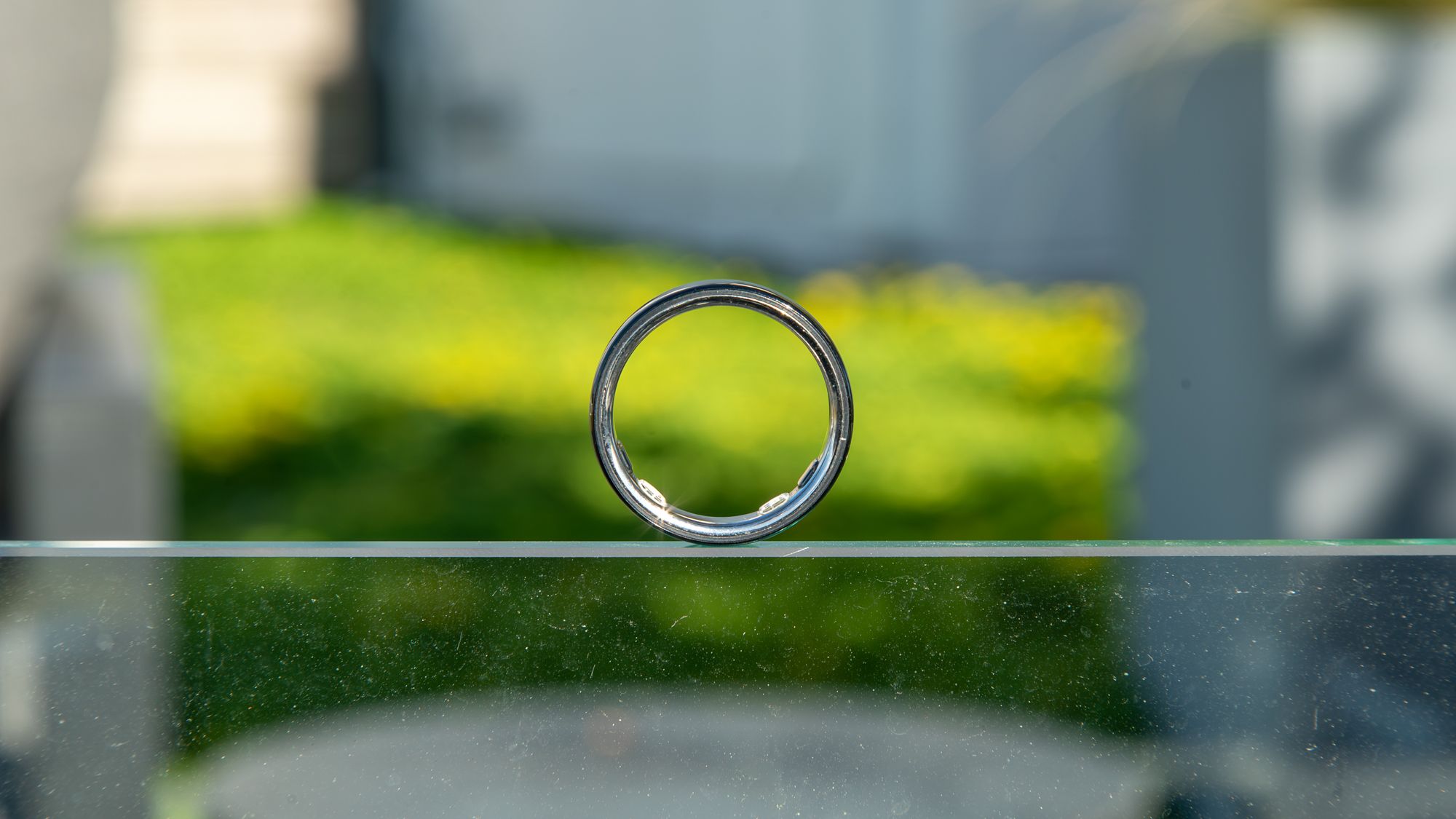
Oura’s complaint is highly technical, targeting specific components including the curved battery configuration, internal circuit board layout, magnetic components, and sensor arrays. By focusing on the hardware rather than the software, Oura is attempting to attack the fundamental engineering of the Ring Pro, potentially jeopardizing the hardware’s ability to remain on store shelves.
Supporting Context: Why the Smart Ring Market Matters
To understand why these companies are willing to spend millions on litigation, one must understand the current state of the wearables market.
The "Always-On" Health Revolution
Smart rings represent the pinnacle of "always-on" biometric monitoring. Unlike smartwatches, which often require daily charging and can be bulky, rings offer a discrete, low-profile form factor that provides 24/7 health data.
Ultrahuman has been particularly aggressive in its pursuit of "bio-intelligence." By integrating features like "Heart Scan"—which provides a snapshot of cardiovascular health in just 60 seconds—and partnering with platforms like HealthEx to bridge the gap between wearable data and formal medical records, Ultrahuman is attempting to position itself as a medical-grade diagnostic tool rather than just a fitness tracker.
The Business Model Divide
A core philosophical difference underpins the rivalry:
- Oura’s Model: Built on a hardware-plus-subscription ecosystem, Oura relies on recurring revenue to fund its extensive R&D and legal departments. Its users are accustomed to paying a premium for both the device and the app experience.
- Ultrahuman’s Model: Ultrahuman has gained traction by emphasizing the absence of a paywall, utilizing "PowerPlugs" to deliver modular features. This strategy is designed to appeal to power users who are disillusioned with the "subscription fatigue" inherent in the current tech landscape.
Official Statements and Corporate Posturing
The public-facing rhetoric from both companies highlights the depth of the animosity.
Oura’s Stance
An official spokesperson for Oura was pointed in their assessment, stating, "Ultrahuman has a history of copying Oura’s innovations, as demonstrated by the 2025 ITC ruling against the company." Oura maintains that even after Ultrahuman redesigned its ring, the device continued to violate the spirit and letter of Oura’s patent protections. By seeking monetary damages, Oura is not only looking to stop the sale of the Ring Pro but is also looking to make the financial cost of competing with them prohibitively high for the smaller startup.
Ultrahuman’s Defense
Mohit Kumar, the co-founder and CEO of Ultrahuman, has maintained a stance of defiance. In response to the latest filing, Kumar noted the suspicious timing of the lawsuit, pointing out that Oura asserted a patent that was granted a mere 48 hours before the suit was initiated.

Kumar has emphasized that, as of today, no court order has restricted the sale of the Ring Pro in the U.S. He views the lawsuit as an attempt to stifle competition through legal maneuvering rather than innovation. Furthermore, he has framed Ultrahuman’s mission as one of "defending open health data and Indian innovation on the global stage," suggesting that the company views itself as a disruptor fighting a legacy player that is trying to monopolize the market through restrictive patent litigation.
The Future Outlook: What Lies Ahead?
The legal battle between Oura and Ultrahuman is unlikely to resolve in the near future. Patent infringement cases are notoriously long and complex, often dragging on for years.
The Regulatory Landscape
The outcome of this case will likely hinge on the validity of Oura’s patent (12,769,363). If a court determines that the internal components of the Ring Pro are sufficiently unique or that they do not infringe upon the specific claims in Oura’s patent, Ultrahuman could see its U.S. market share grow significantly. However, if the court rules in Oura’s favor, Ultrahuman could face another devastating import ban, potentially forcing the company to pivot its strategy entirely.
Implications for the Consumer
For the average consumer, this "ring war" creates a layer of uncertainty. While the devices are currently available, the legal volatility means that future firmware updates, support, or even the availability of replacements could be impacted.
Moreover, this conflict highlights a broader issue in the tech industry: the weaponization of patent law to consolidate market dominance. As more companies enter the smart ring space—including tech giants like Samsung and potential future entrants from the Silicon Valley cohort—the industry may see a surge in similar "patent wars."
The Verdict
The outcome of the current lawsuit will serve as a bellwether for the future of the wearable market. If established players like Oura are successful in blocking challengers via hardware-patent litigation, we may see a stagnation in innovation, as startups find it too risky to enter a space where they can be sued into oblivion for the placement of a sensor or the curve of a battery.
Conversely, if Ultrahuman successfully defends its position, it will solidify the trend of "democratized health data," proving that smaller, agile companies can compete with industry incumbents. For now, the legal battle continues, and for the consumers and investors watching from the sidelines, the only certainty is that the "Silicon Ring War" is far from over.