Executive Overview: The Next Evolution of Mobile Form Factors
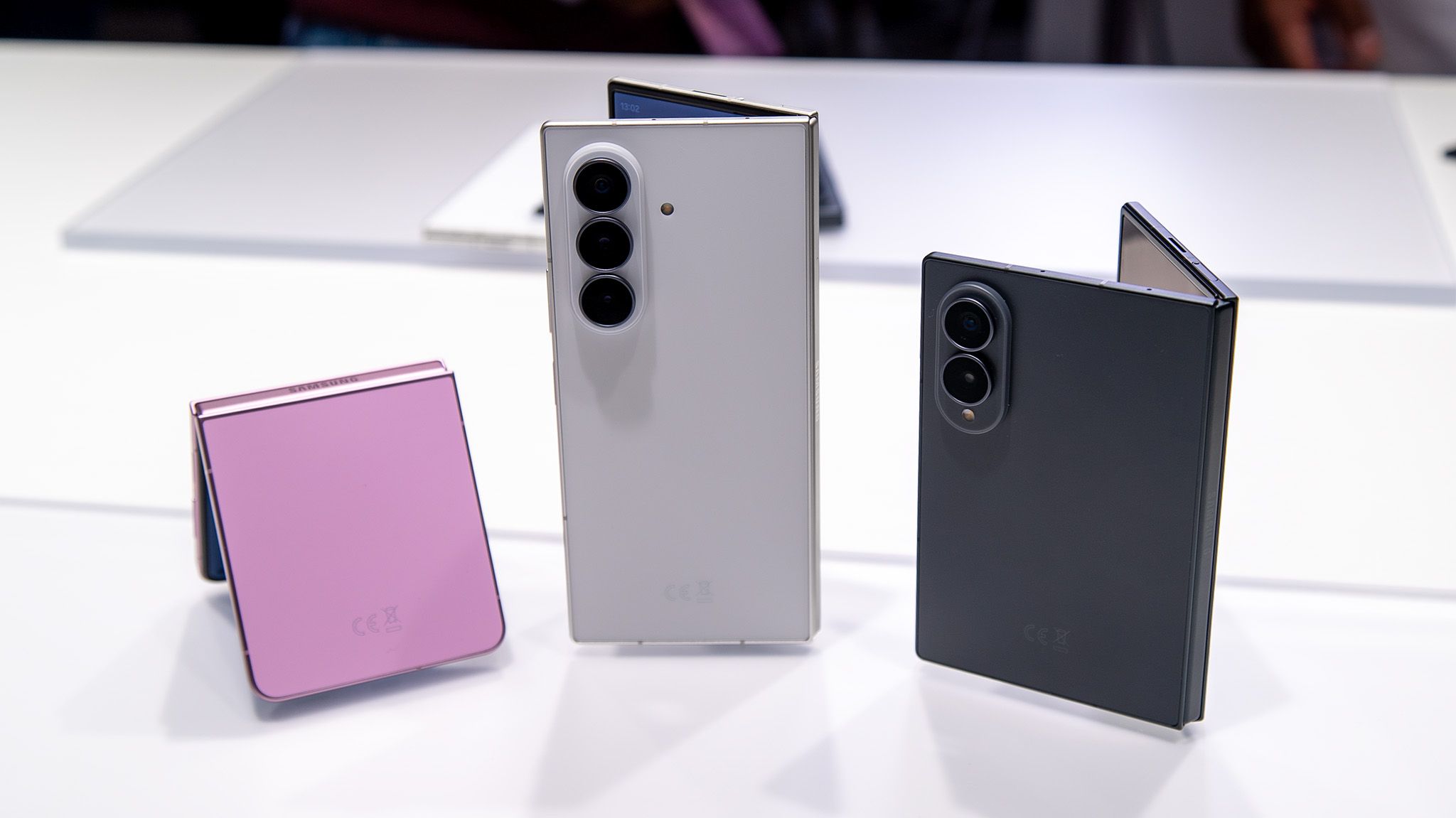
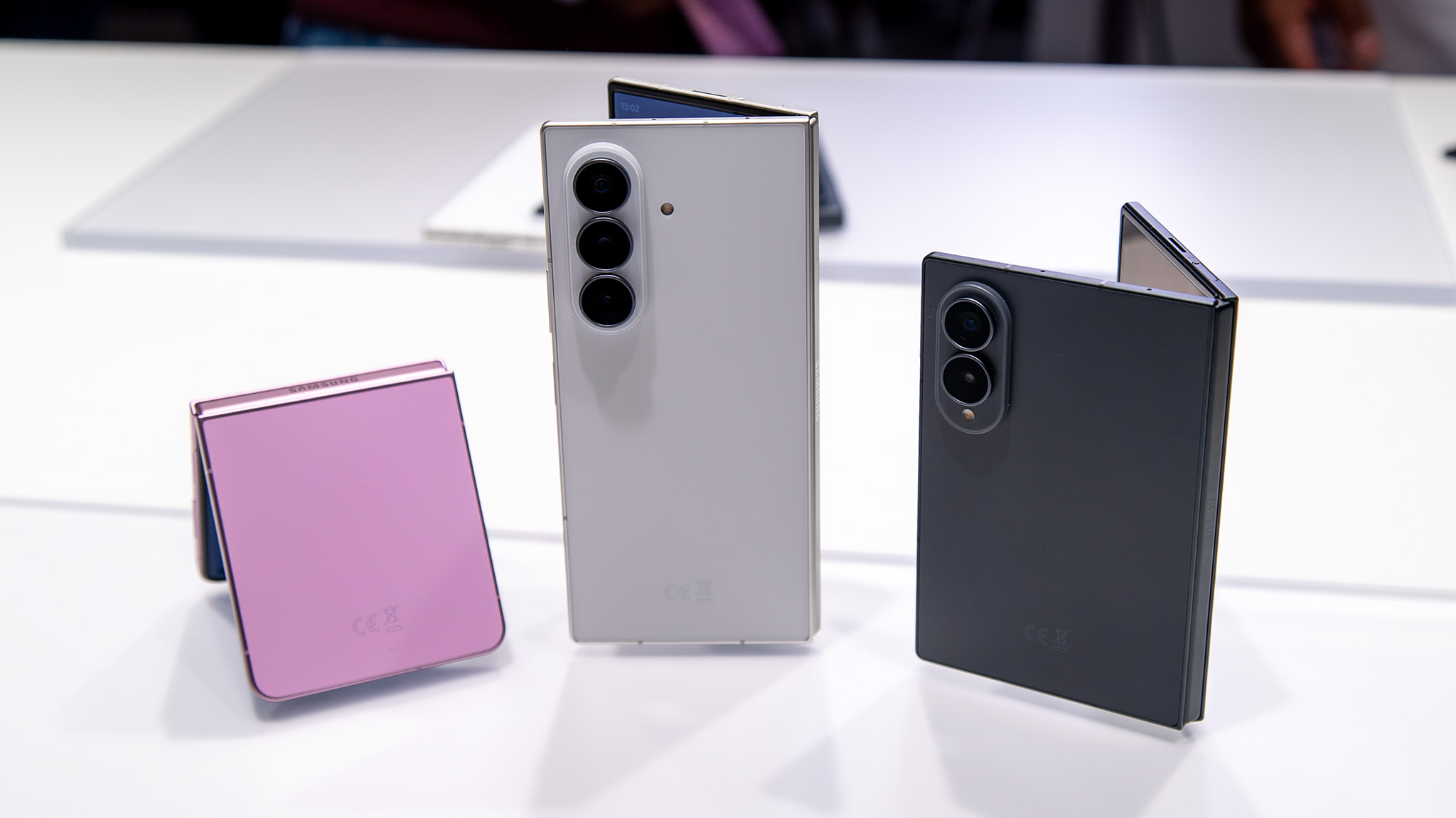
For nearly a decade, Samsung has held the mantle as the undisputed pioneer of the foldable smartphone market. From the tentative steps of the original Galaxy Fold to the highly refined, market-dominating Galaxy Z Fold 8 and Z Flip 8, the company has transformed a niche, experimental technology into a consumer staple. However, as the global smartphone market reaches a plateau in innovation, Samsung is reportedly preparing for its most radical shift yet.
Industry whispers and supply chain leaks originating from X (formerly Twitter) suggest that 2027 will mark a pivotal turning point in mobile hardware. According to industry analyst TheGalox, Samsung is orchestrating its most expansive foldable lineup to date. This strategy appears to be a multi-pronged approach to diversification, moving beyond the traditional "book-style" and "clamshell" designs to explore tri-folding mechanisms, rollable display technology, and new, potentially disruptive, tiers within its flagship branding. As Samsung faces increasing pressure from emerging competitors and a shifting consumer appetite for larger, more versatile displays, the upcoming 2027 slate represents a high-stakes gamble on the future of mobile productivity.
Detailed Chronology: A Path Toward 2027
To understand the gravity of the 2027 roadmap, one must look at the trajectory of the preceding years.
The Foundation of the Fold (2019–2024)
Samsung’s early years were defined by iterative hardware improvements—solving crease issues, refining hinge mechanics, and improving water resistance. The introduction of the Galaxy Z Fold 8 solidified the brand’s dominance, offering a wider, more ergonomic cover screen that addressed the primary complaint of previous generations.
The Trial of the TriFold (2025–2026)
The experimental "Galaxy Z TriFold" served as a lightning rod for innovation. While the device was pulled from production shelves after just three months, it provided Samsung with invaluable telemetry on how users interact with multi-hinge displays. This short-lived experiment is now being viewed by analysts not as a failure, but as a "Version 0.5" prototype.
The 2027 Expansion
The rumored 2027 lineup is expected to include:
- The Galaxy Z TriFold 2: A successor that aims to solve the durability and weight concerns of its predecessor, potentially hitting the market with a refined, thinner chassis.
- The Galaxy Z Fold 9 Pro: A mysterious new SKU designed to bridge the gap between the standard Fold 9 and the top-tier Fold 9 Ultra.
- The Galaxy Z Slide: A brand-new category potentially utilizing rollable display technology.
Supporting Context: Metrics, Mechanics, and Market Reality
The shift toward a more complex lineup is driven by a critical need to maintain market share. Data suggests that while the premium foldable segment is growing, the average selling price (ASP) of these devices remains a barrier to mass-market adoption.
The "Slide" Technology: A CES Legacy
The "Galaxy Z Slide" concept is not entirely speculative. At CES 2025, Samsung Display showcased its "Slidable Flex" technology, which provides a glimpse into the future of screen real estate. The Slidable Flex Duet prototype demonstrated the ability to expand a screen from 8 inches to 12.4 inches.
From an engineering perspective, this represents a significant departure from folding hinges, which are prone to structural fatigue. By using a motor-driven or manual sliding mechanism, Samsung could offer tablet-sized displays in a device that feels no larger than a standard smartphone in the pocket. However, the mechanical complexity of such a device raises questions about battery integration and dust ingress, both of which are critical "deal-breaker" metrics for consumers.
Price Points and Premium Positioning
With rumors suggesting the Galaxy Z TriFold 2 could retail near the $2,800 mark, Samsung is clearly aiming for the ultra-premium "luxury tech" demographic. This pricing strategy suggests that Samsung is comfortable with these devices being "halo products"—showpieces of engineering prowess that may not sell in the millions, but serve to keep the brand at the cutting edge of consumer consciousness.
The "Fold 9 Pro" Conundrum
Perhaps the most puzzling aspect of the 2027 leak is the introduction of a "Fold 9 Pro." In the current market, the Z Fold 8 and Z Fold 8 Ultra already cover the spectrum of "standard" versus "power user."
Industry experts suggest that the "Pro" designation could be a reaction to the Apple "iPhone Duo" launch. If Apple enters the foldable space with a highly polished, singular device, Samsung may need a "Pro" model to serve as a direct, specialized competitor—perhaps focusing on professional-grade camera sensors, specific stylus integration, or an even more robust enterprise-grade security suite.
The inclusion of this model suggests a fragmentation of the user base. Samsung is no longer selling "the foldable phone"; they are selling a spectrum of mobile workstations tailored to specific workflows.
Future Outlook: Practicality vs. Possibility
While the roadmap for 2027 is undeniably exciting, the tech industry is wary of "innovation for innovation’s sake." The history of mobile hardware is littered with devices that were technically impressive but functionally redundant.
The Challenge of Practicality
The fundamental question remains: Is it practical? For a device to succeed in 2027, it must solve problems, not create them.
- Battery Life: More screen real estate necessitates higher energy density. Without a breakthrough in solid-state battery technology, a device like the TriFold 2 may struggle to last a full day of heavy use.
- Software Ecosystem: The true strength of Samsung’s current lineup is One UI. Expanding the lineup to include sliders and tri-folds will require an enormous investment in software optimization. Apps must be able to fluidly transition between screen sizes without crashing or requiring manual resizing.
- Durability: The "crease" remains the Achilles’ heel of foldables. Samsung has made massive strides, but a tri-fold device creates two points of failure, effectively doubling the risk of display degradation over time.
The Road Ahead
Samsung’s strategy appears to be a "maximalist" approach. By throwing every available technology—sliding, folding, and multi-folding—at the wall, they are betting that at least one of these formats will stick as the successor to the modern smartphone.
If successful, 2027 will be remembered as the year the smartphone finally evolved into a "device of convenience" that can expand to fill the role of a tablet or even a portable monitor. If the execution falters, however, Samsung risks alienating its core user base with devices that are too expensive, too fragile, or simply too complex for daily life.
As we look toward 2027, the focus for the industry should not be on how many folds or slides a screen can perform, but on how these advancements integrate into the human experience. Samsung has the engineering talent and the supply chain to lead this revolution; the next three years will determine whether they have the vision to make it a lasting reality.
About the Author: As an analyst covering the intersection of mobile hardware and consumer behavior, the transition to 2027 represents the most significant shift in user interaction models since the introduction of the multi-touch display. The coming years will be defined by the balance between hardware ambition and the brutal realities of daily, real-world usage.