Executive Overview: The Wrist-Based Revolution
Meta has officially signaled a bold shift in its artificial intelligence strategy, moving beyond the confines of smartphones and dedicated hardware to integrate its "Muse" AI directly into the world’s most popular wearables. By announcing support for both Google’s Wear OS and Apple’s watchOS, Meta is effectively positioning its conversational agent as an omnipresent digital companion.
This move represents a strategic pivot toward "ambient computing," where the interface between human and machine is rendered invisible. With the Muse AI now living on the wrist, users are no longer tethered to their handsets to access complex reasoning, rapid-fire information, or personal assistance. This expansion is not merely a software update; it is a fundamental re-imagining of how we interact with large language models (LLMs) in our daily lives. As Meta continues to lean into its "people-first" philosophy, the transition from the "Muse Charm" hardware to universal smartwatch compatibility underscores a desire to capture the pulse of the wearable market, which has long been dominated by health tracking and basic notifications—until now.
Detailed Chronology: From Tamagotchi-Style Charm to Ubiquitous Assistant
To understand the significance of this expansion, one must look back to the origins of the Muse project. The narrative began in earnest this past September with the unveiling of the "Muse Charm."
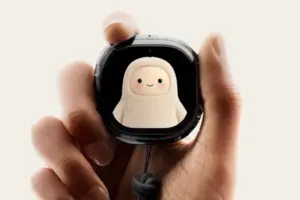
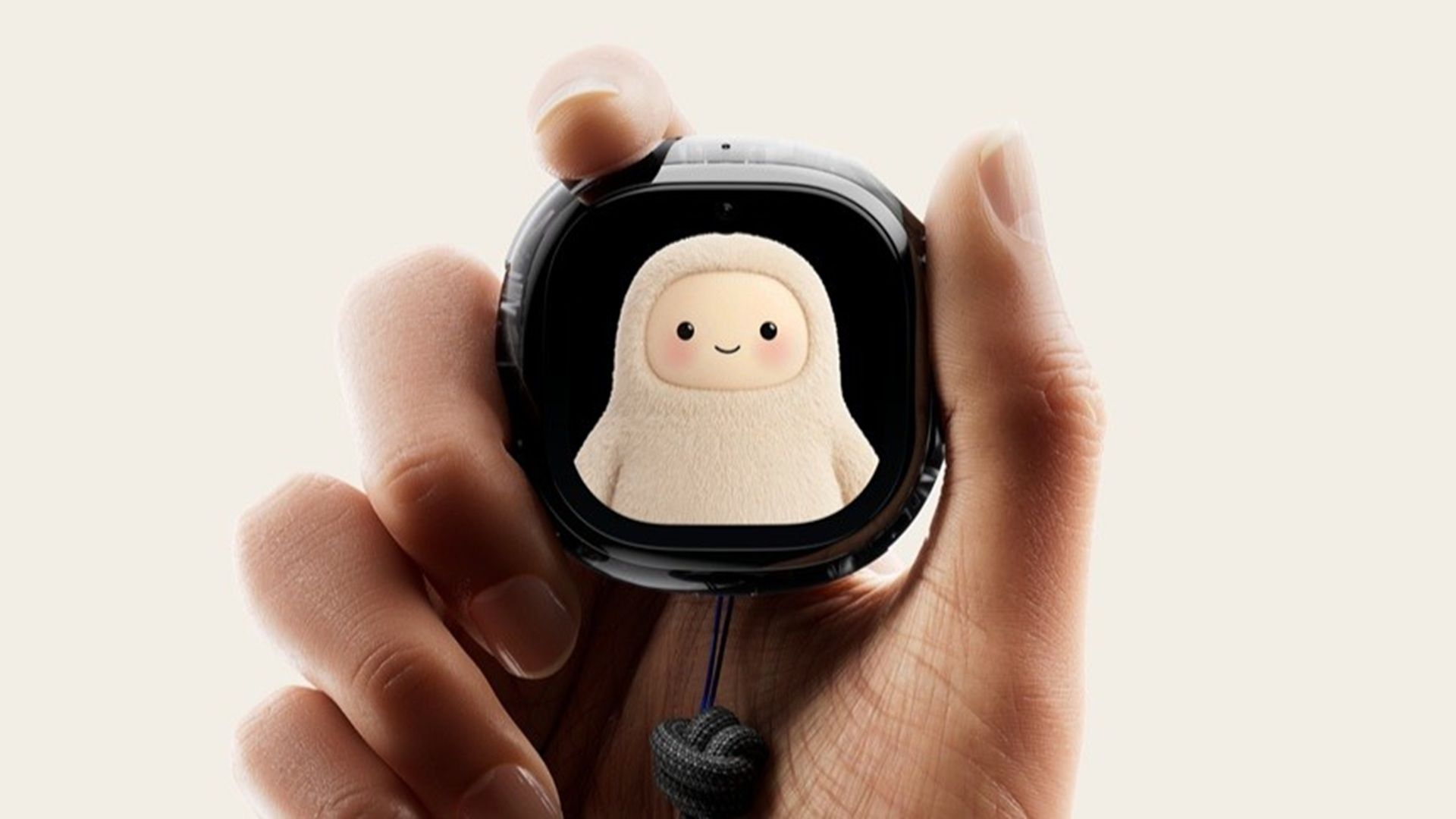
The Muse Charm was a curious, polarizing piece of hardware. Reminiscent of the iconic 1990s Tamagotchi, it featured a small, 2-inch OLED touchscreen, a high-fidelity microphone, and a camera capable of interpreting the real world. At the time, skeptics questioned why anyone would carry a secondary device when a smartphone was already in their pocket.
Meta’s answer, delivered by CEO Mark Zuckerberg, was clear: accessibility. "If you’re not wearing glasses, this is going to be by far the fastest way to talk to your Muse and to show it what’s going on around you," Zuckerberg stated during the launch. The device allowed for rapid-response queries—such as pointing the camera at a foreign language sign and receiving an instant translation—without the friction of unlocking a phone.
However, the hardware was always a testbed. By making the Muse AI available on Apple Watch and Wear OS devices this week, Meta has effectively "unbundled" the personality and intelligence of the Muse from the niche hardware of the Charm. The "around the clock" availability promised by the Muse team on X (formerly Twitter) suggests that the company has successfully optimized its LLM architecture to function within the strict power and thermal constraints of a smartwatch chipset.
Supporting Context: Why "Muse Spark" Changes the Game
The technical backbone of this expansion is "Muse Spark," the LLM that Meta introduced earlier this year to steer the company toward a more efficient, user-centric AI era.
The Architecture of Efficiency
Unlike the massive, energy-hungry models that power server-side chatbots, Muse Spark was built with a "small and fast" design philosophy. In the world of wearables, where battery life is measured in hours rather than days, the computational efficiency of an AI model is the difference between a useful tool and a paperweight.
Muse Spark utilizes a multi-agent system. Instead of relying on a single, monolithic model to process every request, the architecture splits tasks among specialized agents. This allows for:
- Reduced Latency: By keeping the processing local where possible and offloading only the most complex reasoning tasks, the AI feels responsive on a device as small as a watch.
- Contextual Awareness: The agents are designed to understand the "wrist context"—prioritizing notifications, quick health updates, and environmental queries that are relevant to someone on the move.
The "People-First" Health Initiative
Perhaps most impressive is the integration of specialized knowledge. Meta has explicitly stated that for health-related queries, the Muse AI does not rely on general internet scraping. Instead, it utilizes a curated knowledge base constructed from training data provided by over 1,000 physicians. This attempt to ground AI responses in verified medical data is a critical differentiator in a market saturated with "hallucinating" chatbots. By bringing this verified intelligence to the wrist, Meta is attempting to transform the smartwatch from a passive heart-rate tracker into an active, intelligent health advisor.
Official Statements and Strategic Intent
Meta’s communications regarding this rollout have been characteristically concise, focusing on the "anytime, anywhere" nature of the service. On X, the official Muse account noted, "Works around the clock, and now on your wrist."
Industry analysts point out that this is a direct challenge to both Apple’s Siri and Google’s Gemini. While Apple and Google have struggled to make their respective AI assistants feel truly conversational and proactive on the wrist, Meta is banking on the "personality" of the Muse character to bridge the gap. By presenting the AI as a "cuddly", approachable avatar rather than a sterile command line, Meta is attempting to reduce the psychological friction of talking to a machine.
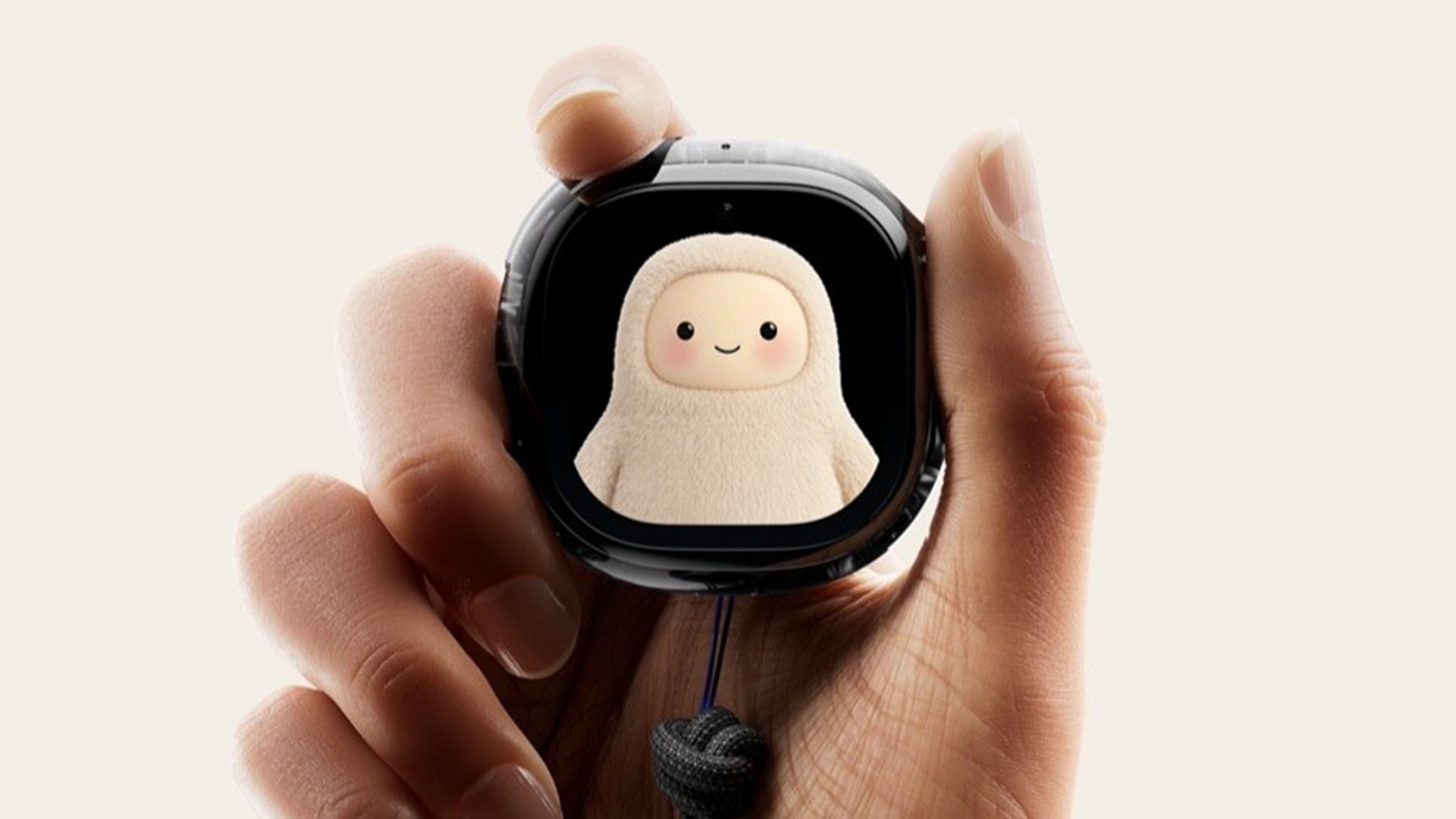
During the initial Muse Charm launch, the company hinted that their hardware was intended to compete with smartwatches in terms of pricing and utility. This latest move confirms that Meta is no longer interested in forcing users to choose between a dedicated charm and their existing smartwatch. Instead, they are positioning Muse as a software layer that can reside on top of any hardware ecosystem, effectively making the watch itself more valuable.
Future Outlook: The Road Ahead
As Meta integrates Muse into the broader smartwatch ecosystem, several questions remain regarding the future of the platform.
Privacy and the "Always-On" Challenge
The most significant hurdle for Meta will be privacy. A device that is always listening, and in the case of the Muse Charm, always looking, requires a level of trust that Meta has historically struggled to cultivate. As Muse moves onto third-party devices like the Apple Watch, the company will need to provide granular transparency into how voice data is processed and whether user queries are being used to further train the Spark LLM.
The Competition
The battle for the wrist is intensifying. With OpenAI and Google both racing to put LLMs into consumer hardware, Meta’s advantage lies in its multi-agent approach and its willingness to lean into the "avatar" persona. If users grow attached to their Muse, they may be less likely to switch to native assistants that feel more robotic.
The Convergence of Hardware and Software
Looking ahead, we can expect deeper integration between the Muse AI and the sensors already present in modern smartwatches. Future iterations could allow the AI to proactively suggest actions based on biometric data—such as detecting high stress levels and suggesting a guided breathing exercise, or noticing an unusual drop in sleep quality and offering a refined schedule for the day.
In conclusion, the arrival of Meta’s Muse on Wear OS and Apple Watch is a landmark moment in the evolution of wearable technology. It signals the end of the "primitive assistant" era, where watches were limited to timers and basic voice commands. We are entering an era of "intelligent companionship," where our devices do not just track our metrics, but understand our intent. Whether the public will embrace a "cuddly" AI on their wrist remains to be seen, but Meta is clearly betting that the future of AI is not in the cloud—it’s right on our skin.