Executive Overview
In the contemporary digital ecosystem, the smartphone has transcended its origins as a mere communication device. It is now the central hub of our professional, creative, and recreational lives—serving as a high-definition camera, a portable gaming console, and a sophisticated media consumption platform. As our reliance on these devices grows, so too does the demand for peripheral hardware that enhances the audio experience.
Whether you are an audiophile seeking high-fidelity sound, a commuter looking for sanctuary through active noise cancellation (ANC), or a fitness enthusiast requiring rugged, water-resistant gear, the market for audio accessories is currently experiencing a "sonic renaissance." This shift is characterized by a resurgence of wired connectivity—driven by the demand for lossless audio—and the continued evolution of ultra-portable Bluetooth technology. As we navigate the high-stakes sales period surrounding Black Friday and the holiday season, understanding the landscape of audio peripherals has never been more critical for the discerning consumer.
Detailed Chronology: The Evolution of Mobile Audio
To understand the current surge in audio accessory popularity, we must examine the historical arc of mobile sound.
The Era of Bundled Mediocrity
For the better part of the late 2000s and early 2010s, audio accessories were treated as an afterthought. Smartphones arrived with "in-the-box" wired earbuds that offered sub-par frequency response and limited durability. During this period, the consumer base was largely passive, accepting the status quo of "good enough" audio.
The Wireless Revolution (2016–2020)
The pivotal moment arrived in 2016 when industry leaders began phasing out the 3.5mm headphone jack. This forced a massive migration toward Bluetooth technology. While early iterations suffered from latency issues and compression artifacts, the subsequent years saw massive investments in codecs like aptX, LDAC, and AAC, which bridged the quality gap between wired and wireless.
The Hybrid Present (2021–Present)
We have now entered an era of "audio democratization." Consumers are no longer forced to choose between convenience and quality. The return of the high-end wired earbud—often paired with portable DACs (Digital-to-Analog Converters)—represents a push-back against the lossy nature of Bluetooth. Simultaneously, the market has exploded with "lifestyle" audio: clip-on speakers, neckband speakers, and open-ear designs that prioritize situational awareness without sacrificing clarity.
Supporting Context & Metrics: The State of the Market
The consumer electronics sector has seen a sustained uptick in audio peripheral spending. Market analysis indicates that users are increasingly willing to spend a premium on hardware that integrates seamlessly with their existing mobile ecosystem.
Key Performance Indicators (KPIs) for Audio Gear
When evaluating the "best" accessories, industry experts look at four specific metrics:
- Total Harmonic Distortion (THD): A measure of how cleanly a device reproduces sound. Lower is better.
- Latency (ms): Critical for gamers and video editors. Anything above 100ms is generally noticeable to the human ear.
- Battery Density/Efficiency: With the advent of spatial audio and ANC, power consumption has become a significant factor in device longevity.
- IP Rating (Ingress Protection): A vital metric for mobile users, ensuring the gear can withstand the rigors of daily travel and exercise.
The "Wired vs. Wireless" Debate
While wireless remains the king of convenience, the industry has seen a notable resurgence in wired audiophile-grade IEMs (In-Ear Monitors). The primary driver is the demand for "lossless" audio—a movement spearheaded by high-resolution streaming services like Apple Music and Tidal. Users are recognizing that even the most expensive Bluetooth earbuds cannot fully reproduce the bit-depth of a FLAC or ALAC file, leading to a "wired-first" approach for dedicated listening sessions.
The 12 Best Affordable Audio Categories for Your Mobile Ecosystem
As we look toward the holiday sales, these categories represent the most impactful upgrades for the average smartphone user:
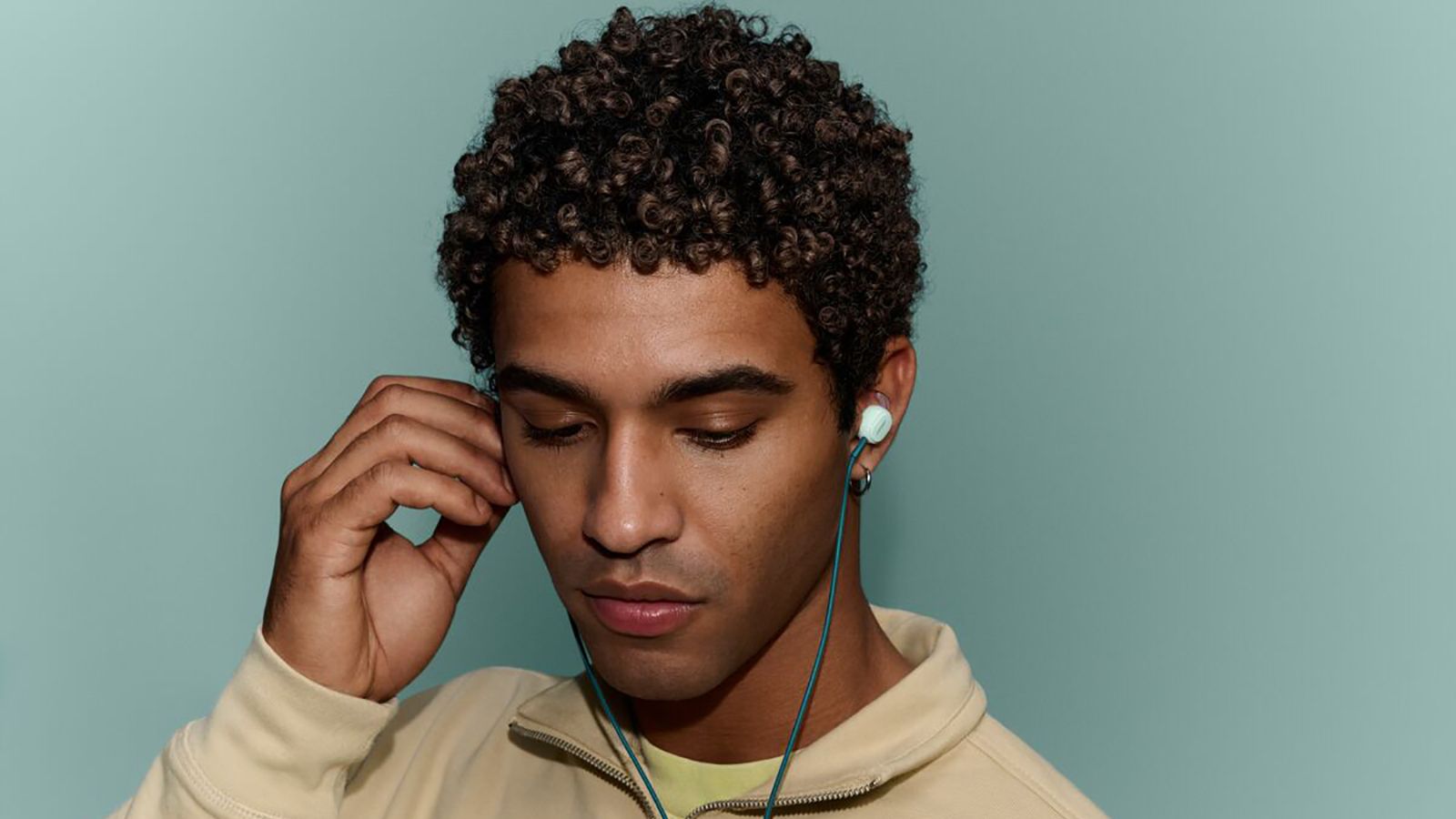
- Active Noise Cancelling (ANC) Earbuds: The gold standard for commuters and frequent flyers.
- Portable Bluetooth Speakers (Ultra-Compact): Devices designed to clip onto handlebars or carabiners, perfect for outdoor enthusiasts.
- High-Fidelity Wired IEMs: Budget-friendly entry points into professional-grade sound.
- USB-C to 3.5mm DACs: Essential "dongles" that actually improve sound quality compared to standard adapters.
- Open-Ear/Bone Conduction Headphones: The safest choice for urban runners and cyclists who need to maintain spatial awareness.
- Neckband Speakers: An unconventional but increasingly popular way to enjoy personal audio without "ear fatigue."
- Waterproof Bluetooth Speakers: Durable units that serve as the backbone for pool-side or beach-side entertainment.
- Smart Charging Cases: Upgrades that provide wireless charging capabilities to older earbud models.
- Gaming-Centric Wired Earbuds: Featuring dedicated boom microphones for mobile competitive gaming.
- Customizable Ear-Tips: Often overlooked, these improve the seal of existing buds, dramatically altering bass response.
- Bluetooth Receivers: Turn any pair of high-quality wired headphones into wireless ones.
- Multi-Point Connectivity Hubs: Accessories that allow users to toggle audio between their phone and laptop seamlessly.
Official Statements & Industry Perspectives
Industry experts suggest that the "sale season" is the optimal time for consumers to experiment with premium audio.
"The market is currently flooded with high-quality options that would have cost triple the price five years ago," says one industry analyst. "We are seeing a democratization of technology where mid-range audio devices are now utilizing driver technology that was once reserved for the ultra-premium segment. For the consumer, this means the ‘bang for your buck’ factor has never been higher."
Furthermore, brands are increasingly focusing on sustainability. "We aren’t just looking at sound quality anymore," notes a representative from a leading audio manufacturer. "We are looking at repairability, the use of recycled plastics, and the longevity of the battery components. The consumer is demanding a product that lasts, not one that hits a landfill in 18 months."
Future Outlook: What’s on the Horizon?
As we move into 2025 and beyond, several trends are poised to disrupt the audio accessory market:
The Integration of Spatial Audio
Spatial audio and head-tracking are moving from "gimmick" to standard. Expect to see more mid-range accessories incorporating gyroscopic sensors that adjust the soundstage in real-time, providing an immersive, theater-like experience on a mobile device.
AI-Enhanced Sound Environments
Artificial Intelligence is already being used to calibrate ANC profiles based on the user’s specific ear canal shape and the ambient noise profile of their environment. This "adaptive" audio will become standard, with headphones that automatically adjust EQ and noise cancellation levels based on whether you are in a quiet library or a loud subway station.
The Return of Modular Design
There is a growing movement toward modular audio hardware. We expect to see more accessories that allow users to replace batteries or upgrade driver components, effectively extending the lifecycle of the device. This aligns with global "Right to Repair" legislation and consumer demand for more sustainable tech.
Conclusion
The smartphone is no longer just a window to the world; it is the center of our personal audio universe. As the technology continues to mature, the barriers to high-fidelity sound are collapsing. Whether you choose to embrace the convenience of cutting-edge Bluetooth connectivity or return to the sonic purity of wired hardware, the options available during this holiday season are unparalleled. By investing in the right accessories, you aren’t just buying hardware—you are fundamentally upgrading your relationship with the media that defines your day.
Christine Persaud has been writing about tech since long before the smartphone was even a "thing." When she isn’t writing, she’s working on her latest fitness program, binging a new TV series, tinkering with tech gadgets she’s reviewing, or spending time with family and friends. A self-professed TV nerd, lover of red wine, and passionate home cook, she’s immersed in tech in every facet of her life. Follow her at @christineTechCA.