Executive Overview: A New Paradigm in Portable Displays
For years, the e-reader market has been dominated by a binary choice: the distraction-free, eye-friendly E-Ink experience of a Kindle, or the versatile, vibrant, but often straining backlit display of a standard Android tablet. TCL, a company increasingly known for its innovative display technologies, has attempted to bridge this gap with the NXTPAPER 11 Plus.
Positioned at an aggressive price point—currently available for under $200—this device represents a strategic pivot for the tablet category. It offers a "best of both worlds" value proposition, merging the functionality of a full-fledged Android tablet with a proprietary screen technology designed to mimic the texture and comfort of paper. As we approach the peak of the Black Friday shopping season, this device warrants a serious look from students, digital readers, and casual media consumers who are tired of carrying multiple devices.
Detailed Chronology: The Evolution of NXTPAPER
To understand the significance of the NXTPAPER 11 Plus, one must look at the trajectory of TCL’s display division. TCL has spent the better part of the last half-decade perfecting its NXTPAPER technology. Unlike traditional LCD or OLED panels, which emit direct blue light and feature glossy, reflective surfaces, the NXTPAPER displays incorporate a multi-layer matte finish that diffuses light, reducing glare and eye strain.
The "Plus" iteration in the 11-inch form factor is the culmination of user feedback regarding previous generations. Where earlier iterations were primarily marketed as specialized reading devices with limited OS capabilities, the 11 Plus is a full-featured Android tablet. The integration of the dedicated "NXTPAPER Key" represents a significant shift in the user interface. By allowing users to toggle between "Regular Mode," "Color Paper Mode," and "Ink Paper Mode," TCL has moved away from the "all-or-nothing" approach to screen profiles. This evolution acknowledges that users have different needs for different tasks—a document review requires a different visual profile than a high-definition movie stream.
Supporting Context: Metrics and Hardware Analysis
The technical specifications of the NXTPAPER 11 Plus provide a clear picture of its role in the current market.
The Display Architecture
The device features an 11.5-inch panel boasting a 2.2K resolution. The inclusion of a 120Hz refresh rate is a notable inclusion at this price point, providing a fluidity in scrolling and navigation that is often absent in budget tablets. However, the true metric of success here is the matte finish. By engineering a surface that eliminates 99% of ambient reflections, the tablet succeeds where iPads and Samsung Galaxy Tabs often fail—namely, readability in direct sunlight or harsh indoor lighting.
Hardware and Ergonomics
Measuring a mere 0.26 inches in thickness and weighing only 1.08 pounds, the tablet is designed for portability. The transition to a metal chassis elevates the device’s aesthetic, moving it away from the "cheap plastic" stigma often associated with sub-$200 tablets.
Power and Efficiency
The tablet is powered by the MediaTek Helio G100 chipset. While tech enthusiasts may scoff at the lack of a Snapdragon 8-series processor, it is important to contextualize this hardware. The G100 is purpose-built for efficiency and everyday utility. It handles web browsing, PDF annotations, and video streaming with ease. When paired with an 8,000mAh battery and 33W fast-charging capabilities, the device is positioned as an "all-day" workhorse rather than a high-end gaming console.
The "Reader vs. Tablet" Dilemma: A Comparative Analysis
When choosing between a dedicated Kindle and the NXTPAPER 11 Plus, consumers must weigh the "ecosystem tax" against "functional freedom."
- The Case for the Kindle: If your sole objective is to read e-books for weeks on a single charge, the Kindle remains the gold standard. Its reflective, bi-stable E-Ink display consumes zero power when a page is static.
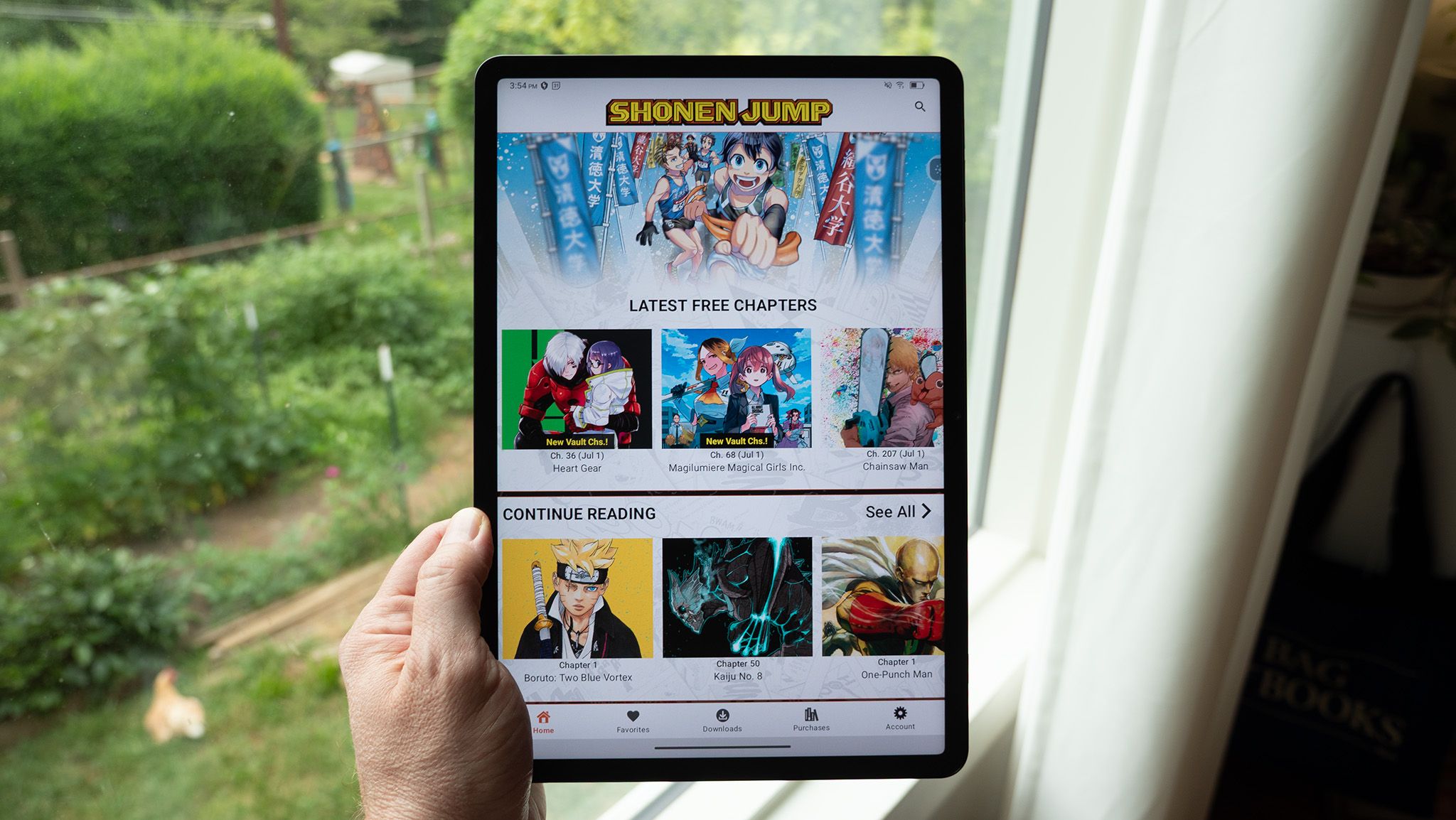
- The Case for the NXTPAPER 11 Plus: The TCL device is a "tablet-first" experience. It allows you to access the Google Play Store, meaning you can use the Kindle app, Kobo app, or even browser-based readers. Furthermore, the 11.5-inch screen is significantly more conducive to reading graphic novels, manga, academic PDFs, and technical manuals than the standard 6-to-7-inch Kindle.
The sacrifice, naturally, is battery longevity. The NXTPAPER 11 Plus will not last for a month on a single charge; it will require a power cycle every few days, depending on usage. For the average user, this is a minor trade-off for the ability to watch Netflix, browse the web, or check emails without needing a separate device.
Official Perspectives and Market Positioning
TCL’s design philosophy, as echoed in their latest product briefings, focuses on "Human-Centric Display Technology." By minimizing the harmful light spectrum often associated with traditional screens, TCL is effectively marketing the NXTPAPER line as a "wellness" product.
Industry analysts have noted that the sub-$200 price point for the 11 Plus is a direct challenge to entry-level Samsung tablets. By offering a display technology that is arguably more comfortable for long-form reading, TCL is attempting to capture the demographic that is currently "on the fence" about digital reading but intimidated by the high cost of premium tablets.
Future Outlook: The Trend Toward Versatile Hardware
The tablet market has reached a point of saturation where raw performance is no longer the primary differentiator. Most modern tablets are "fast enough" for 95% of users. The future of the category, therefore, lies in user experience and physical interaction with the screen.
The NXTPAPER 11 Plus acts as a harbinger for a shift toward "adaptive hardware." We are likely to see more manufacturers experiment with matte, glare-free, or multi-modal display finishes in the coming 24 months. If TCL continues to refine the Helio-tier performance and expand the software capabilities of their NXTPAPER modes, they could carve out a significant niche—not just as a tablet maker, but as a leader in eye-health-conscious consumer electronics.
Final Verdict: Is it worth the investment?
For the consumer who values versatility, the NXTPAPER 11 Plus is a compelling purchase. It is not designed to compete with the high-end iPad Pro or the latest Samsung Galaxy Tab S-series in terms of sheer raw power. Rather, it is designed to be the best possible companion for a user whose daily life involves a mix of reading, consuming digital media, and light productivity.
If you are a student looking for a device to house your entire library of textbooks, or a professional looking for a comfortable screen to catch up on long-form articles without eye fatigue, the current sub-$200 price point makes this a high-value acquisition. It effectively renders the "Kindle-only" debate moot by providing a superior reading experience without sacrificing the utility of an Android environment. As we look toward the holiday shopping season, this tablet is undoubtedly one of the most pragmatic purchases a tech-conscious reader can make.