Executive Overview
The landscape of foldable smartphones has reached a critical inflection point. For years, the industry standard for "passport-style" foldables—devices that unfold into a tablet-like square—has been defined by a series of inevitable compromises. Manufacturers have historically forced consumers to choose between pocketability and battery capacity, or between a sleek form factor and a high-end, versatile camera system.
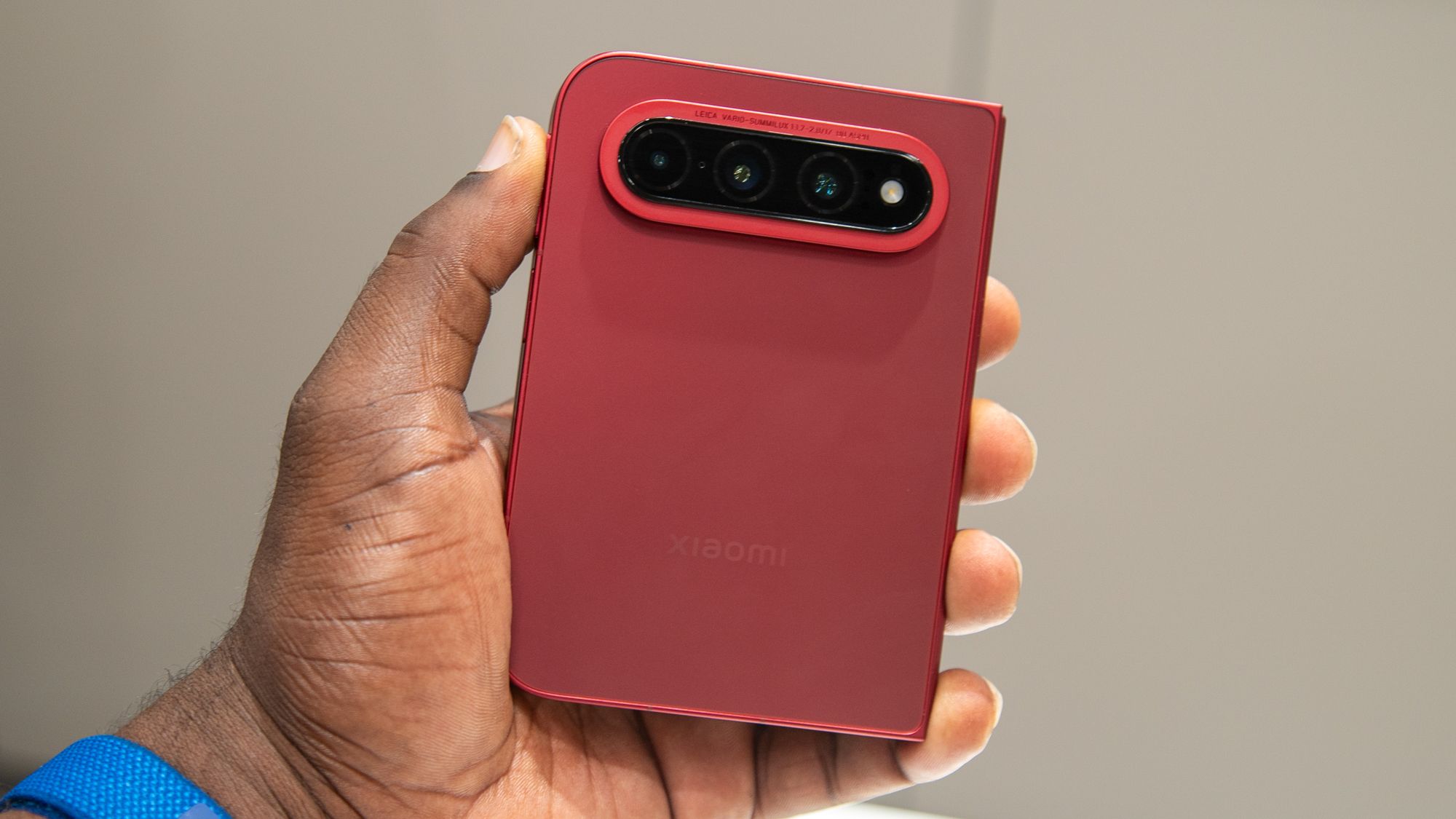
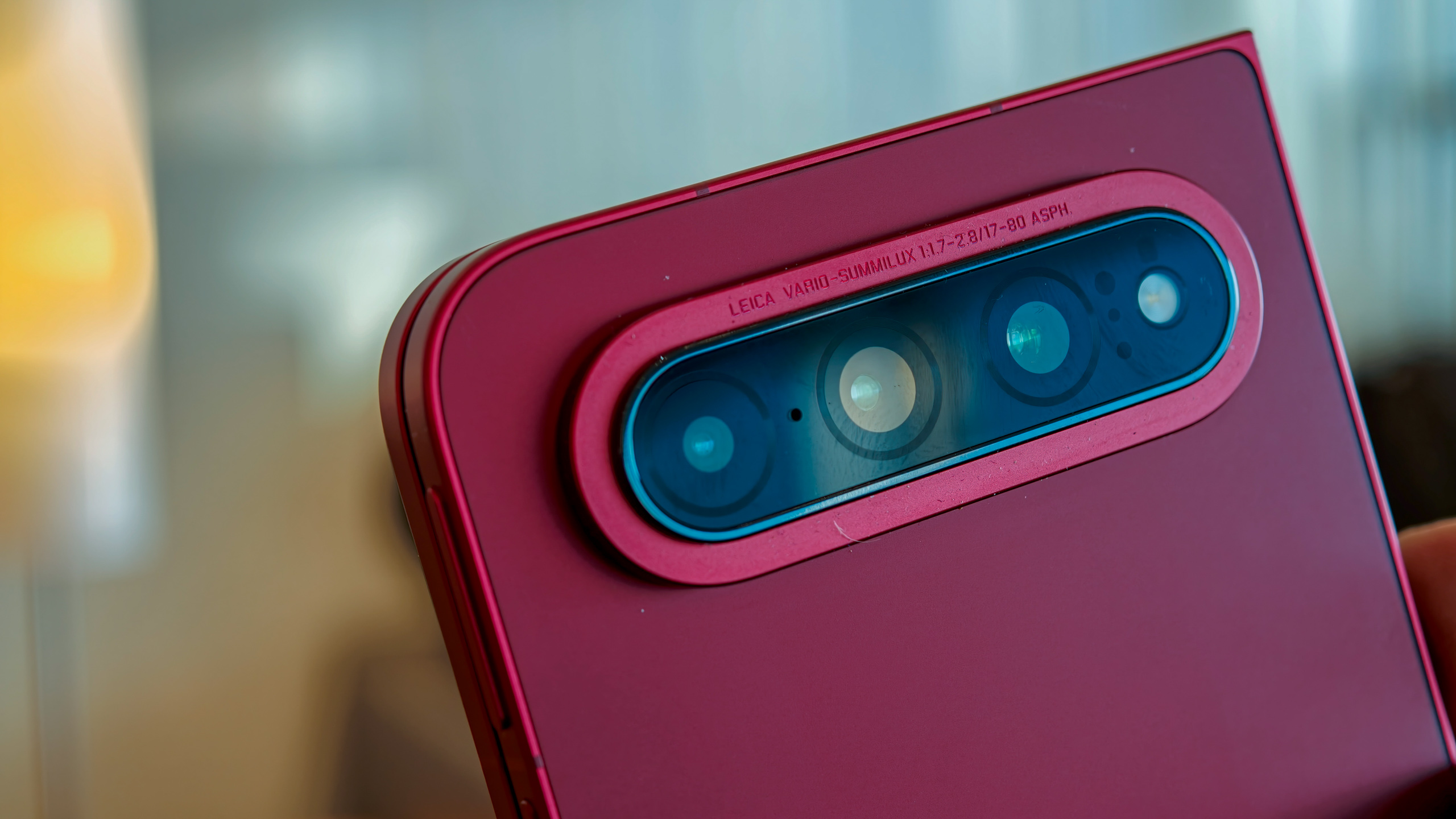
Enter the Xiaomi 18 Fold. Launched in the shadow of major releases from industry giants like Apple and Samsung, the 18 Fold arrives as a disruptive force. On paper, it is arguably the most advanced foldable on the market, boasting a record-breaking 6,000mAh battery, a sophisticated Leica-engineered periscope telephoto lens, and an ultra-lightweight chassis that undercuts its primary rivals in volume and weight.
However, there is a catch. The device is currently restricted to the mainland Chinese market, shipping with a ROM that, while fast and feature-rich, lacks the critical Western integration that modern smartphone users rely on. The result is a device that functions as a masterclass in hardware engineering, yet remains a cautionary tale for global enthusiasts. It is an "enthusiast’s dream"—a phone that demands significant lifestyle adjustments in exchange for its peerless technical specifications.
Detailed Chronology: A New Standard for Hardware
Xiaomi’s trajectory in the foldable space has been anything but linear. Since their first foray into the category in 2021, the company has operated with an experimental ethos, iterating rapidly through both flip and book-style designs.
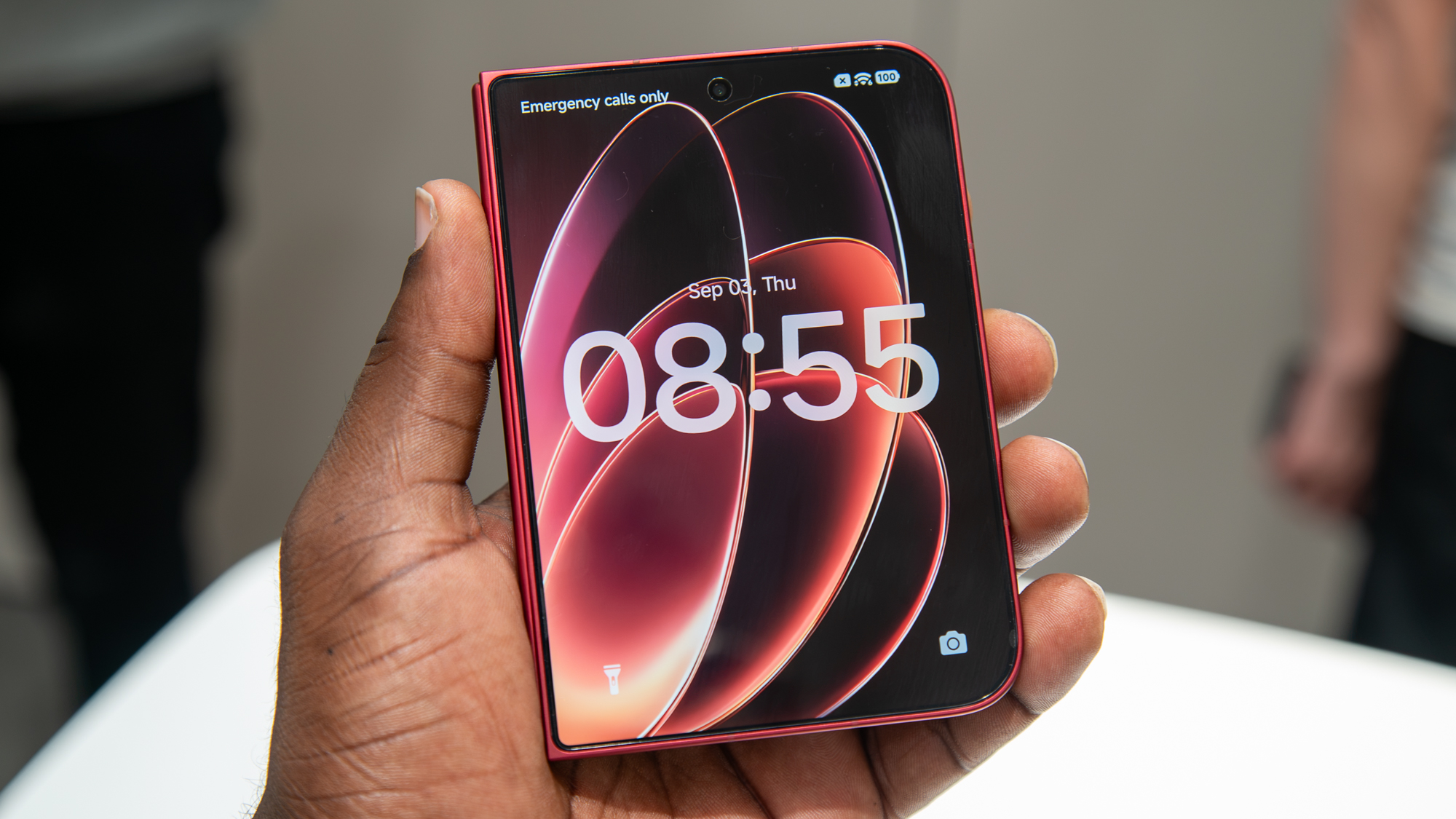
The development of the 18 Fold represents the culmination of these years of trial and error. Announced shortly after Apple’s own entry into the wide-foldable market, the 18 Fold was designed with one goal: to prove that "passport-style" devices need not be hindered by the physical limitations that plague the Samsung Galaxy Z Fold 8 or the iPhone Duo.
During our extensive testing period, the device’s physical design immediately stood out. Weighing in at just 219g, the 18 Fold is 35g lighter than the iPhone Duo and only slightly heavier than the Z Fold 8, despite housing a substantially larger 6,000mAh battery. By utilizing advanced silicon-carbon battery technology, Xiaomi has managed to pack more power into a smaller physical volume (105.37 cm³) than almost any other competitor, save for the most compact offerings. This is a significant engineering milestone, effectively silencing critics who claimed that high-capacity batteries and thin, foldable form factors were mutually exclusive.
Supporting Context & Metrics: Where Xiaomi Outshines the Competition
The Camera Supremacy
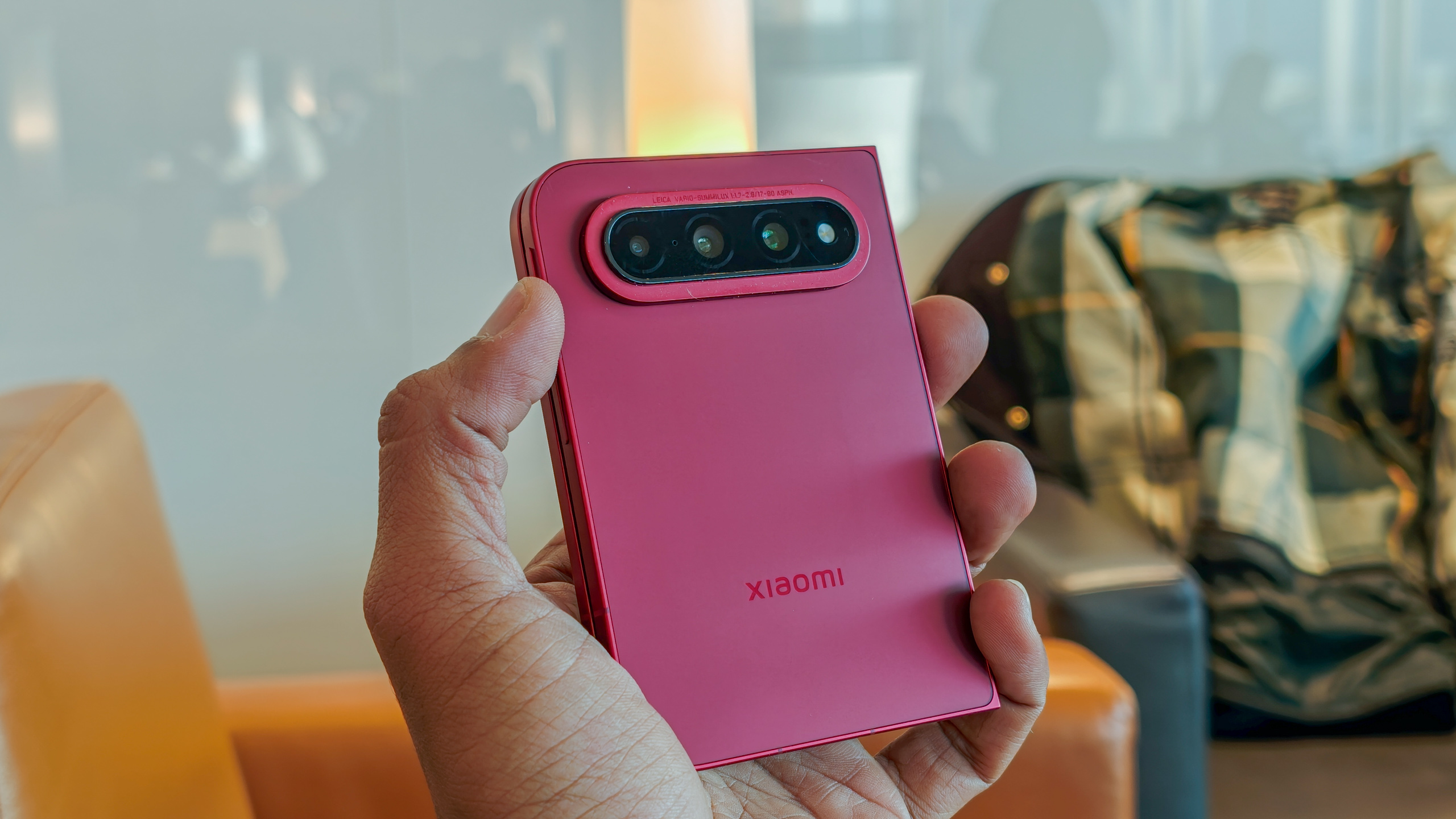
The most dramatic difference between the Xiaomi 18 Fold and its Western counterparts lies in its photographic capabilities. Where Samsung and Apple have opted for more conservative camera arrays in their passport foldables to save space, Xiaomi has taken the opposite approach.
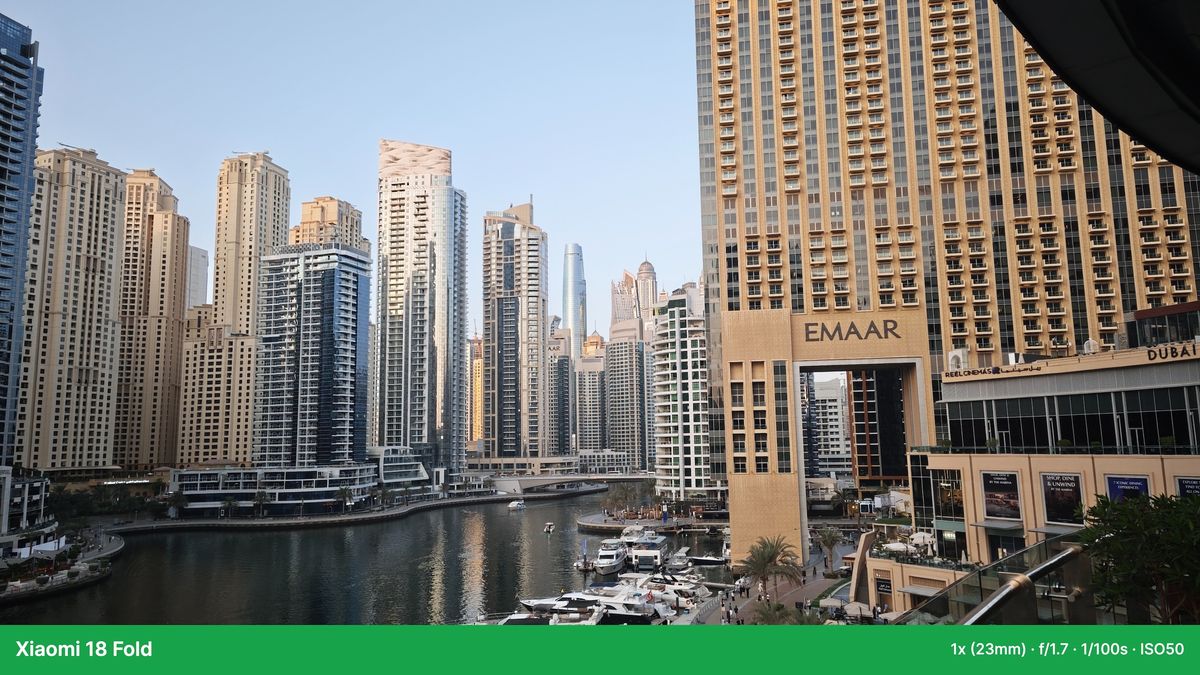
The 18 Fold features a triple-lens system: a 200MP primary sensor, a 50MP ultrawide, and—most importantly—a 50MP 3.5x optical periscope telephoto lens. In head-to-head testing in environments like the Dubai Marina, the results were unequivocal. While the competition’s images often devolved into "digital mush" at zoom levels exceeding 10x, the 18 Fold maintained crisp, optical-level detail well beyond 30x. Supported by Leica’s color science, which provides a disciplined, professional aesthetic, the 18 Fold is currently the gold standard for mobile photography in a foldable body.
Ergonomics and Display
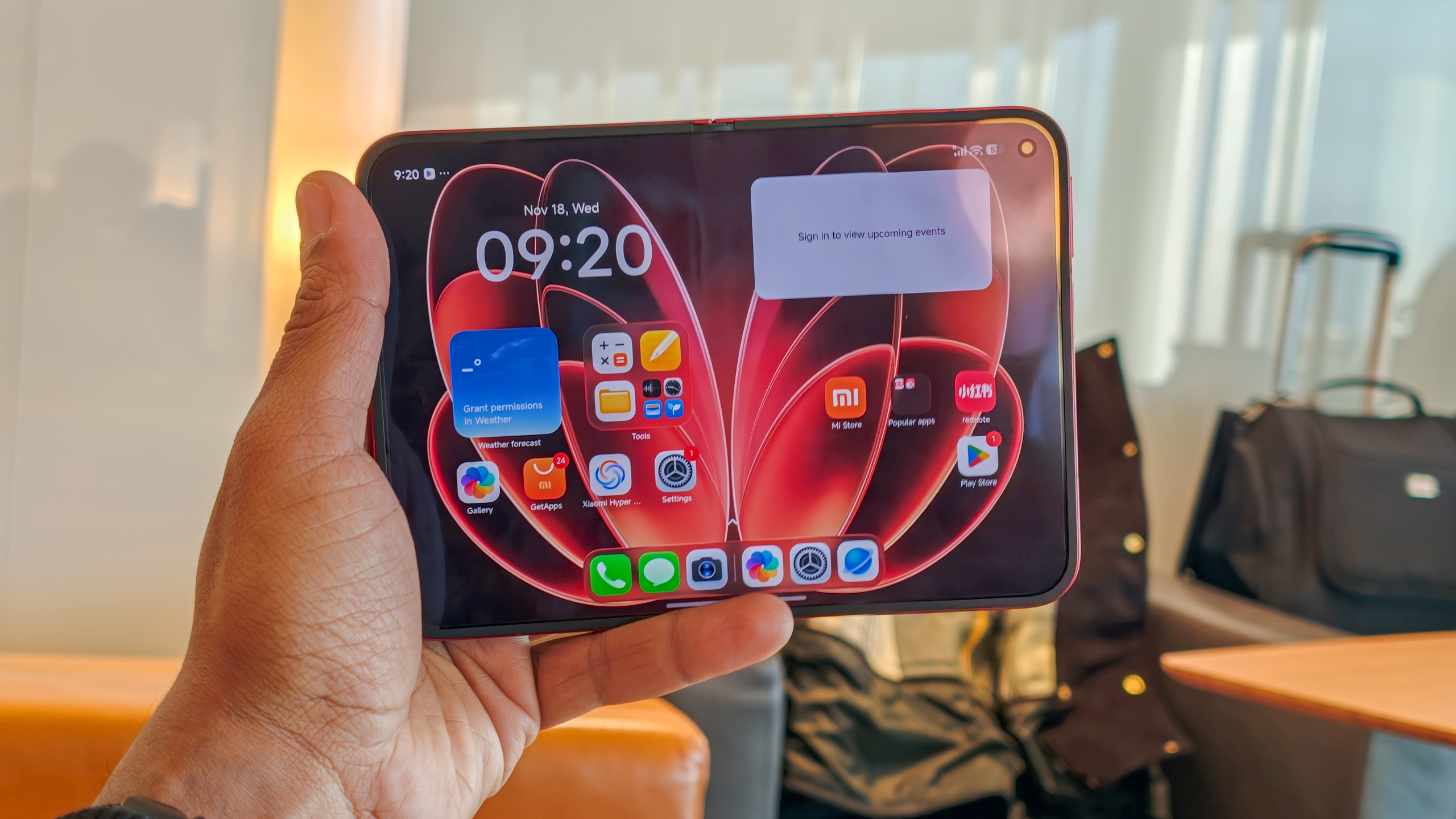
The device’s 5.38-inch cover screen offers a wider aspect ratio than many early-generation foldables, making two-thumb typing comfortable and natural. When unfolded, the 7.58-inch OLED display is a visual powerhouse, boasting peak HDR brightness of over 3,700 nits. While there is a faint, albeit nearly invisible, crease at certain viewing angles, the panel is undeniably premium.
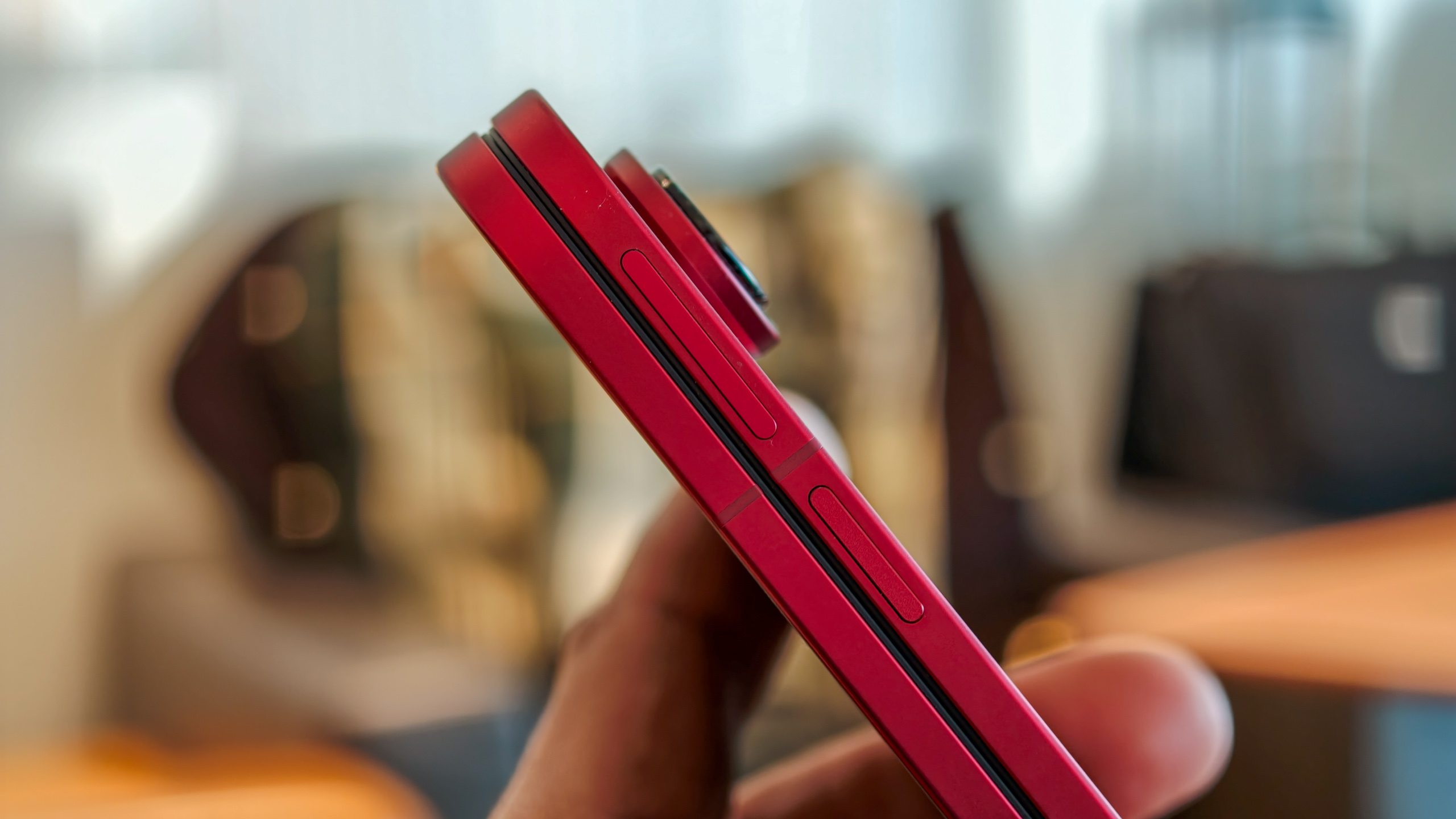
The device also utilizes a "keel" hinge mechanism that feels robust and reassuring. While it lacks the magnetic "snap" found in some rivals, it provides a stable platform for the device. The inclusion of a side-mounted fingerprint scanner and 2D face unlock adds a level of convenience that, surprisingly, is still missing from some competing premium foldables.
The Software Bottleneck: A Tale of Two Worlds
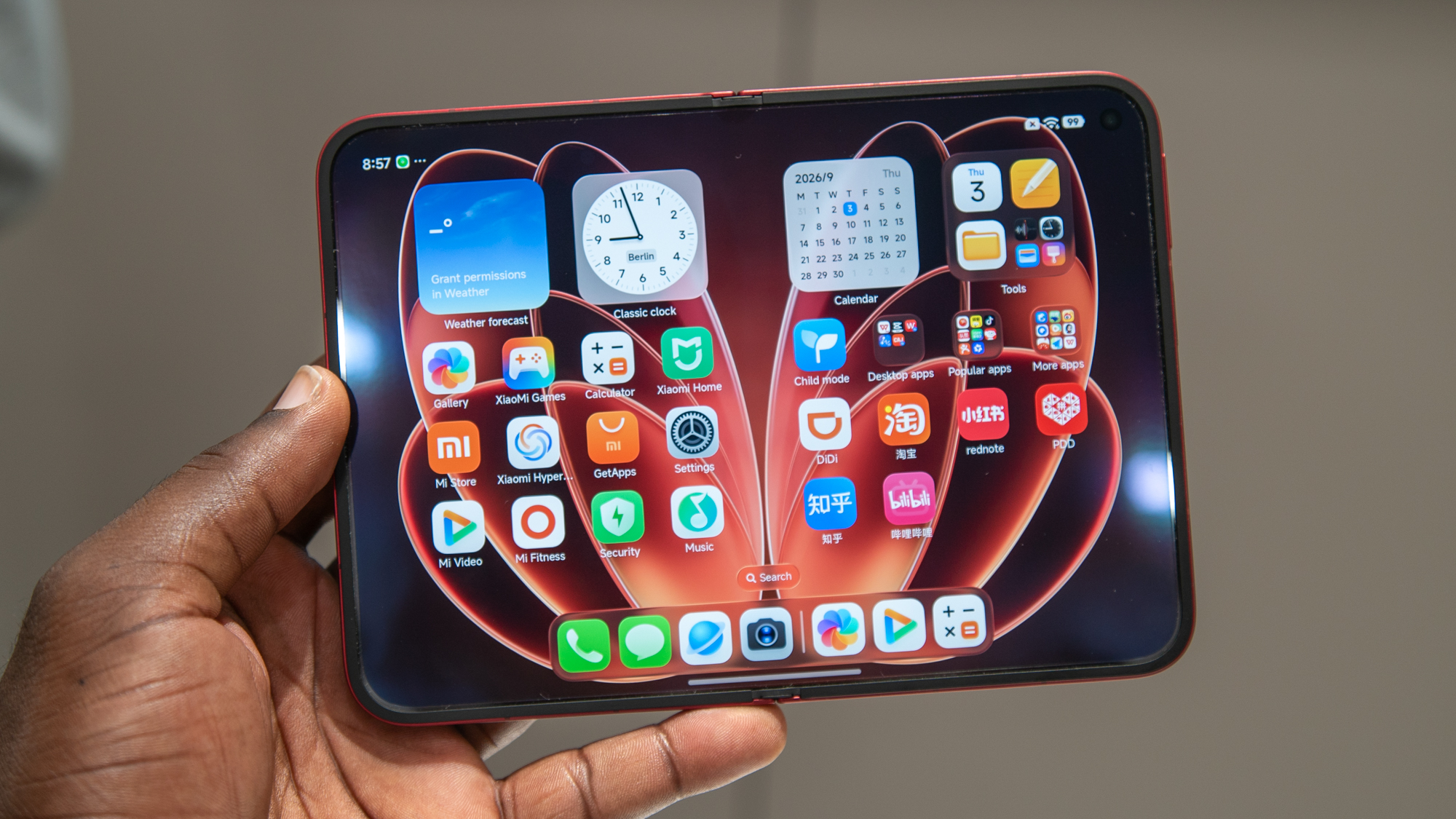
If the hardware is a triumph, the software experience is a cautionary tale. Running HyperOS 4 (based on Android 17), the device is undeniably fast and fluid. Xiaomi’s implementation of multitasking is a highlight, allowing for a six-app horizontal strip that manages three full-height panes simultaneously with ease.
However, the "China-only" nature of the software creates a series of friction points for Western users:
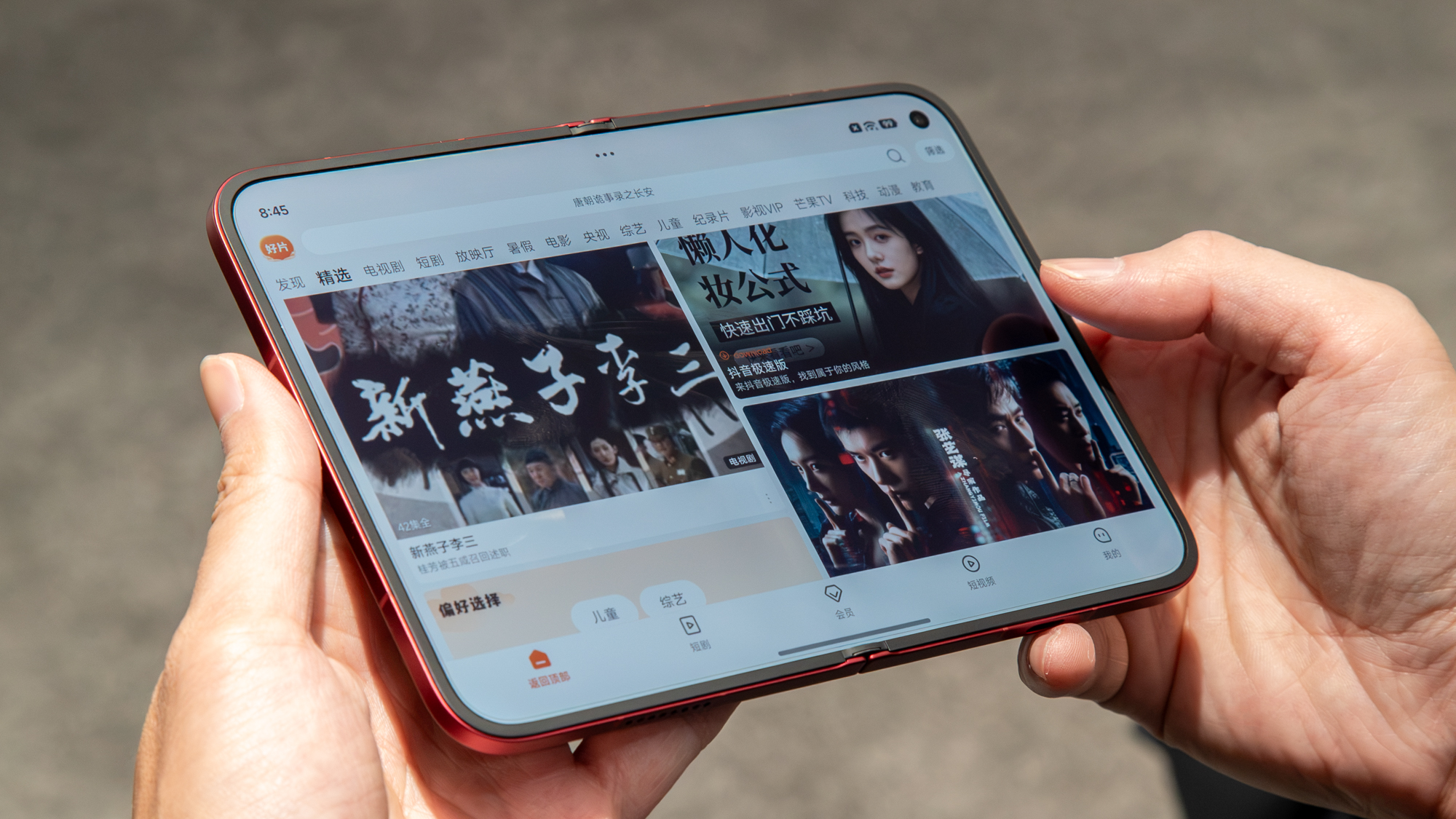
- Android Auto: The platform is entirely unsupported, a dealbreaker for many who rely on it for daily commuting.
- eSIM Constraints: Without eSIM support, users are tethered to physical SIMs, limiting the device’s utility for international travel or carriers that rely exclusively on digital provisioning.
- Google Services: While the Play Store and core Google apps can be sideloaded, the deep-level integration is missing. "Find My" services are non-functional, and 2FA prompts—the bread and butter of modern digital security—often fail to trigger, leaving users locked out of essential authentication processes.
- System Customization: Users are unable to change the default system assistant to Google Gemini or swap the default system browser to Chrome, keeping them trapped within Xiaomi’s domestic ecosystem.
These are not "bugs" in the traditional sense; they are design choices inherent to a regional software build. While the hardware is world-class, the software is geographically locked, creating an experience that feels incomplete for anyone living outside of China.
Official Perspectives and Market Analysis
Industry experts have long argued that the ultimate "perfect" foldable would combine the best of Chinese hardware engineering with the refined software ecosystems of Western-targeted devices. Xiaomi’s decision to keep the 18 Fold exclusive to its home market is viewed by analysts as a strategic move to focus on a high-growth, high-demand demographic while avoiding the regulatory and software-compliance overhead of a global launch.
However, the competitive landscape is shifting. With competitors like Oppo and Honor successfully navigating global releases, the pressure is mounting on Xiaomi to provide a "Global ROM" for its most ambitious devices. The absence of a desktop mode—despite the device supporting high-quality wired video out—suggests that Xiaomi is still refining its software vision for the global power-user.
Future Outlook: The Path to Global Dominance
Will we see a global version of the Xiaomi 18 Fold? The potential is immense. The hardware is already at the peak of the industry, and the "heavy lifting" of manufacturing has been solved. If Xiaomi were to release a version of this device with a standard, globally-compliant version of HyperOS, it would instantly become the most formidable challenger to the Samsung Galaxy Z Fold series.
Until that happens, the 18 Fold remains a "niche" king. It is a device for the true enthusiast—someone who understands how to manage the quirks of an imported ROM, someone who prioritizes optical zoom and battery life above all else, and someone who is willing to trade the convenience of Android Auto for the prestige of holding the most advanced foldable on the planet.
For the average consumer, the choice remains clear: stick to the established, localized ecosystems of the iPhone Duo or the Galaxy Z Fold 8. They may not have the Leica periscope or the 6,000mAh battery, but they work. And in the world of mobile technology, for 99% of users, "it just works" is the most important feature of all.
For those of us in the tech community, the Xiaomi 18 Fold serves as a beacon of what is possible. It is a glimpse into the future of foldable design—a future that is lighter, more powerful, and more capable than we ever thought possible. We simply have to wait for the software to catch up to the glass and the silicon.