Executive Overview: A New Chapter for Huawei
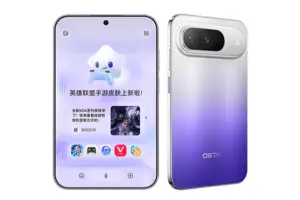
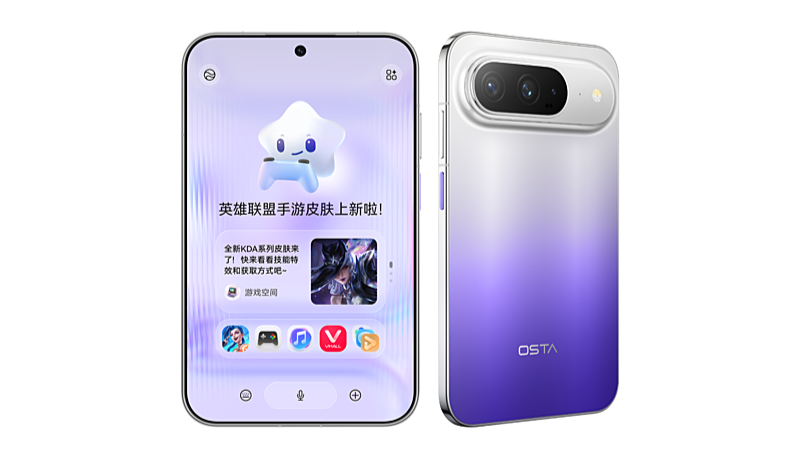
In an industry currently obsessed with folding displays and razor-thin aesthetics, a new player has emerged with a design philosophy that leans into the unconventional. OSTA, the newly unveiled sub-brand under the Huawei umbrella, has officially launched its inaugural device: the OSTA O1 Pro. Breaking away from the standardized "candy bar" form factor that has dominated the smartphone market for over a decade, the O1 Pro arrives with a distinctive, stout, and wide-screen aesthetic that challenges our perception of ergonomic mobile utility.
Available now through Huawei’s official VMALL portal in China, the OSTA O1 Pro is not merely an experiment in industrial design; it is a calculated entry into a niche that prioritizes landscape productivity and pocketable girth over height. By marrying a 6.39-inch high-refresh-rate display with a robust internal configuration, Huawei is testing the waters to see if global consumers are ready to move away from the elongated, narrow aspect ratios that have become the industry standard. This report delves into the specifications, the market implications, and the broader questions regarding whether this unique hardware will ever find a home in Western markets.
Detailed Chronology: From Rumor to Reality
The journey of the OSTA O1 Pro began as a series of whispers within the Chinese tech supply chain. Early reports circulating on platforms like Weibo suggested that Huawei was preparing to diversify its market presence by launching a secondary brand—a move often used by major manufacturers to target younger demographics or experimental niches without diluting their flagship Pura or Mate branding.
Last week, these rumors reached a fever pitch as leaks regarding a "wide-screen model" began to surface. Industry analysts speculated that the device would prioritize display utility for multitasking—a segment previously dominated by premium foldables. On the launch day, these speculations were confirmed. The OSTA O1 Pro appeared on VMALL, effectively ending the cycle of rumors and providing a clear look at the device’s ambitious design. The rapid transition from leaks to a full-scale commercial launch highlights the efficiency of Huawei’s domestic supply chain and their confidence in the O1 Pro’s value proposition.
Technical Specifications and Performance Metrics
Beneath its unconventional exterior, the OSTA O1 Pro is a powerhouse designed to compete in the mid-to-high-tier segment. The device is built around a 6.39-inch display, which, given its wider aspect ratio, provides significantly more horizontal screen real estate than a traditional 6.7-inch smartphone. The 120Hz refresh rate ensures that the user experience remains fluid, whether navigating the UI or engaging in media consumption.
The Engine Room
At the heart of the O1 Pro lies the Kirin 9030S chipset. This is the same silicon found in the standard Huawei Pura 90, signaling that while OSTA is a new brand, it is not being positioned as a "budget" offering. The base model features 12GB of RAM and 256GB of internal storage, providing a solid foundation for performance. For power users, the configuration options extend to 16GB of RAM and up to 1TB of storage, particularly when opting for the premium Starlight Purple colorway.
Power Management and Photography
One of the most impressive aspects of the O1 Pro is its battery capacity. The device houses a massive 7,000mAh battery, a significant jump over the industry standard of 5,000mAh. This choice likely accounts for the "stout" chassis, as the density required to fit such a cell necessitates a wider footprint. Charging is handled by 66W SuperCharge technology, supplemented by 50W wireless charging, ensuring that the heavy-duty battery can be replenished with relative ease.
The camera system is equally intriguing. Eschewing the trend of cramming four or five sensors onto the rear, OSTA has opted for a dual-sensor setup:
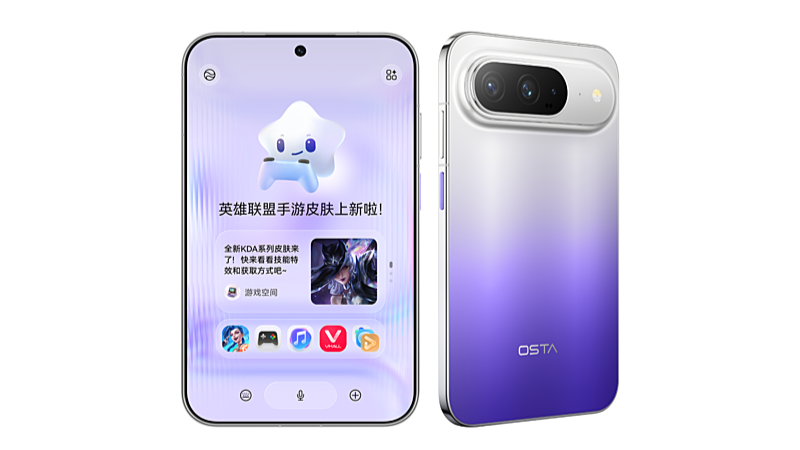
- Main Sensor: A 200MP ultra-high-resolution shooter, designed to capture immense detail and offer advanced digital cropping capabilities.
- Telephoto Lens: A 50MP telephoto lens, providing optical zoom capabilities without the bulk of a periscope array.
- Selfie Camera: A 50MP front-facing camera, emphasizing the brand’s focus on content creation and high-quality video conferencing.
Notably absent is an ultra-wide or macro lens, suggesting that OSTA is betting on the high-megapixel main sensor to handle most imaging duties, a trend we are seeing increasingly in devices that prioritize internal space for battery and cooling components.
Supporting Context: The Ergonomics of Width
The design of the OSTA O1 Pro invites a critical question: why go wide?
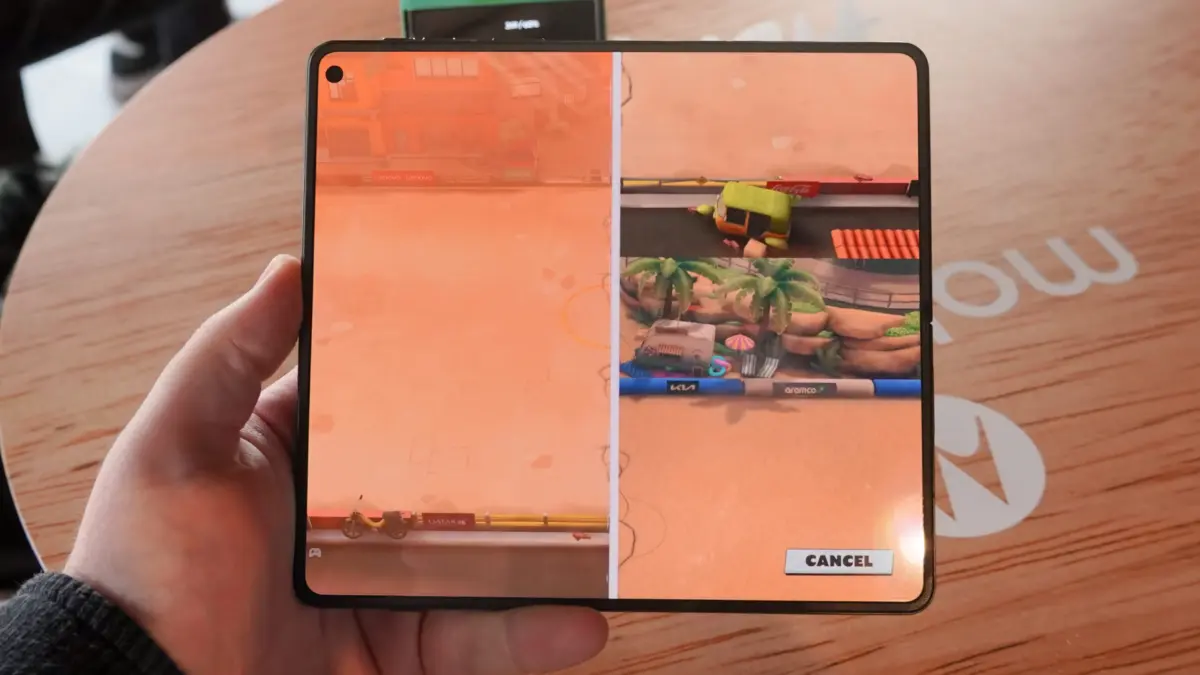
In the current market, the "tall" smartphone—characterized by 20:9 or 21:9 aspect ratios—has made one-handed usage difficult for those with smaller hands. The O1 Pro, by comparison, feels more balanced in the palm. It mimics the "stout" form factor popularized by the Samsung Galaxy Fold 8, which has garnered a cult following for its usability.
For the professional, the wider aspect ratio is a boon. Multitasking is significantly improved; running two applications side-by-side in landscape mode feels less cramped than on a traditional device. It is a subtle shift that rewards those who use their phones as mobile workstations. Whether this "squat" design will gain mass-market appeal remains to be seen, but it certainly offers a refreshing departure from the uniform design language of its competitors.
Official Stance and Market Positioning
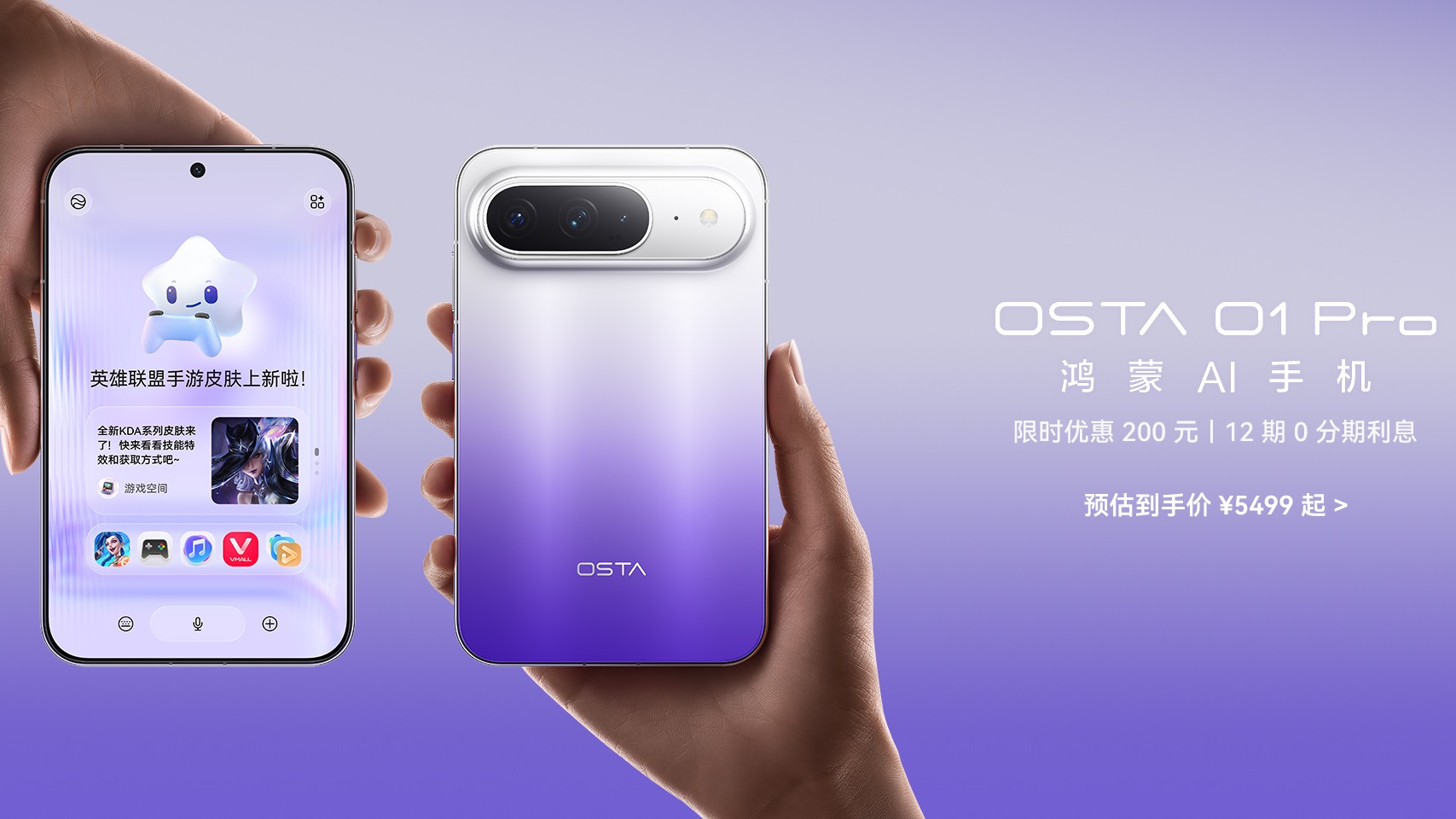
Huawei’s strategy with OSTA is clearly aimed at capturing a specific segment of the Chinese market—the "tech-forward professional." By leveraging the Huawei ecosystem (VMALL, Kirin architecture), the OSTA O1 Pro benefits from the brand’s existing reputation for build quality and network connectivity.
Pricing starts at 5,699 CNY (approximately $855/£650), which positions the device firmly in the premium-mid-range bracket. It is a bold entry point, but the inclusion of high-end features like the 200MP camera and the 7,000mAh battery justifies the cost for a target audience that values specifications over brand heritage.
Future Outlook: Will the "Wide" Revolution Cross Borders?
The most pressing question for international observers is whether the OSTA O1 Pro will see a release outside of China. Currently, the outlook is bleak. Since the 2022 U.S. government restrictions, Huawei has faced significant hurdles in maintaining its footprint in the West. While the company still lists flagship products on its UK site, availability is limited, and the broader global market remains largely inaccessible to their new, non-GMS (Google Mobile Services) enabled handsets.
However, the ripple effect of the OSTA O1 Pro could be more significant than its actual sales numbers. If this device proves successful in China, it validates the "wide-screen" form factor. We may see other manufacturers—those with fewer trade restrictions and more open access to global supply chains—adopt similar aspect ratios.

The smartphone industry has reached a plateau of incremental upgrades. The processor is slightly faster, the camera is slightly sharper, and the battery is slightly more efficient. In this environment, a radical shift in form factor like the OSTA O1 Pro is not just an alternative; it is a necessary evolution. Whether it is the future of the smartphone or a temporary trend, the OSTA O1 Pro has successfully reminded the world that there is still room for innovation in how we hold and interact with our devices.
As we look toward the next generation of mobile technology, the OSTA O1 Pro stands as a testament to the fact that sometimes, the biggest leap forward isn’t in what the phone can do, but in how it feels in your hand.