Executive Overview
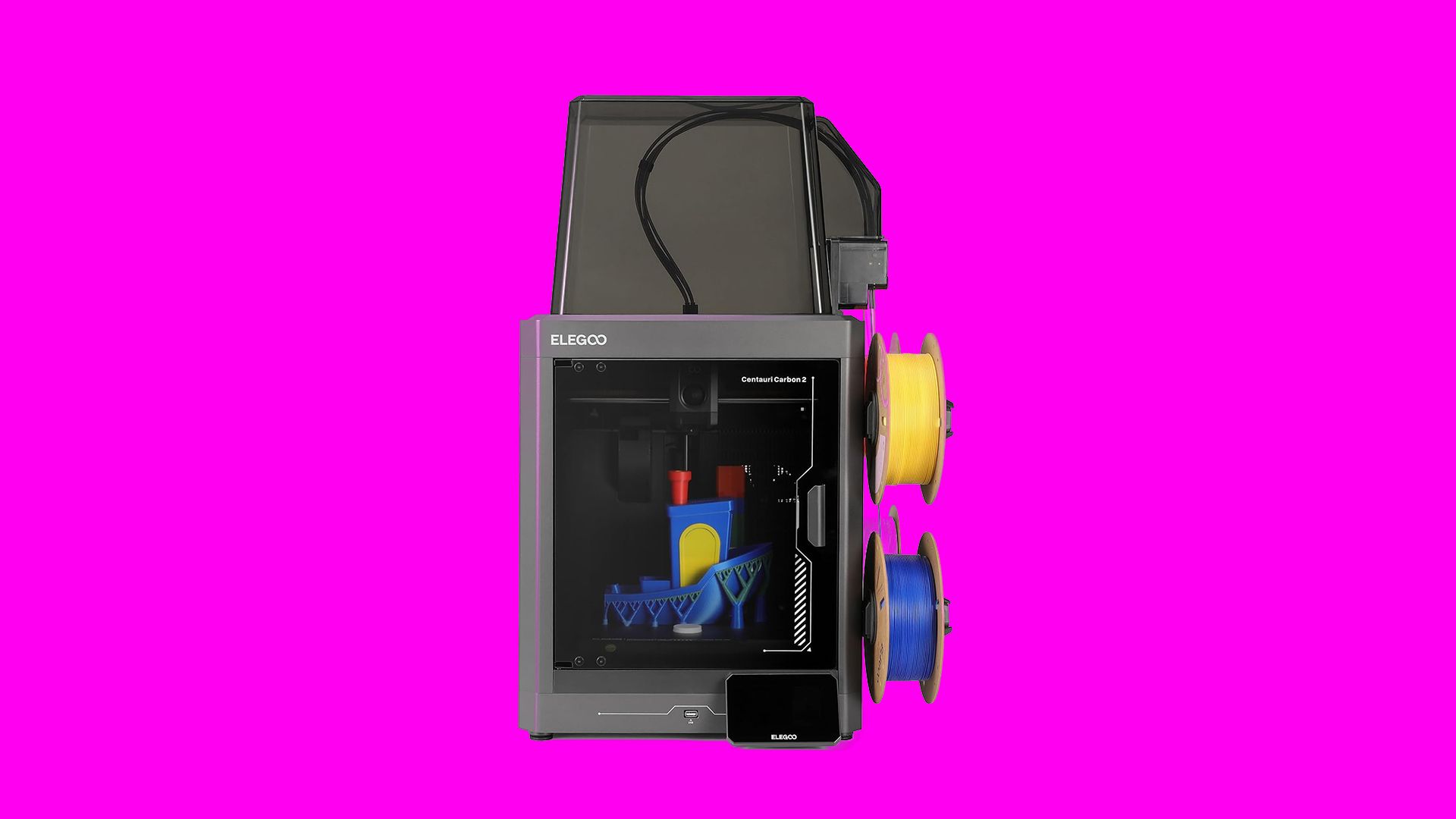
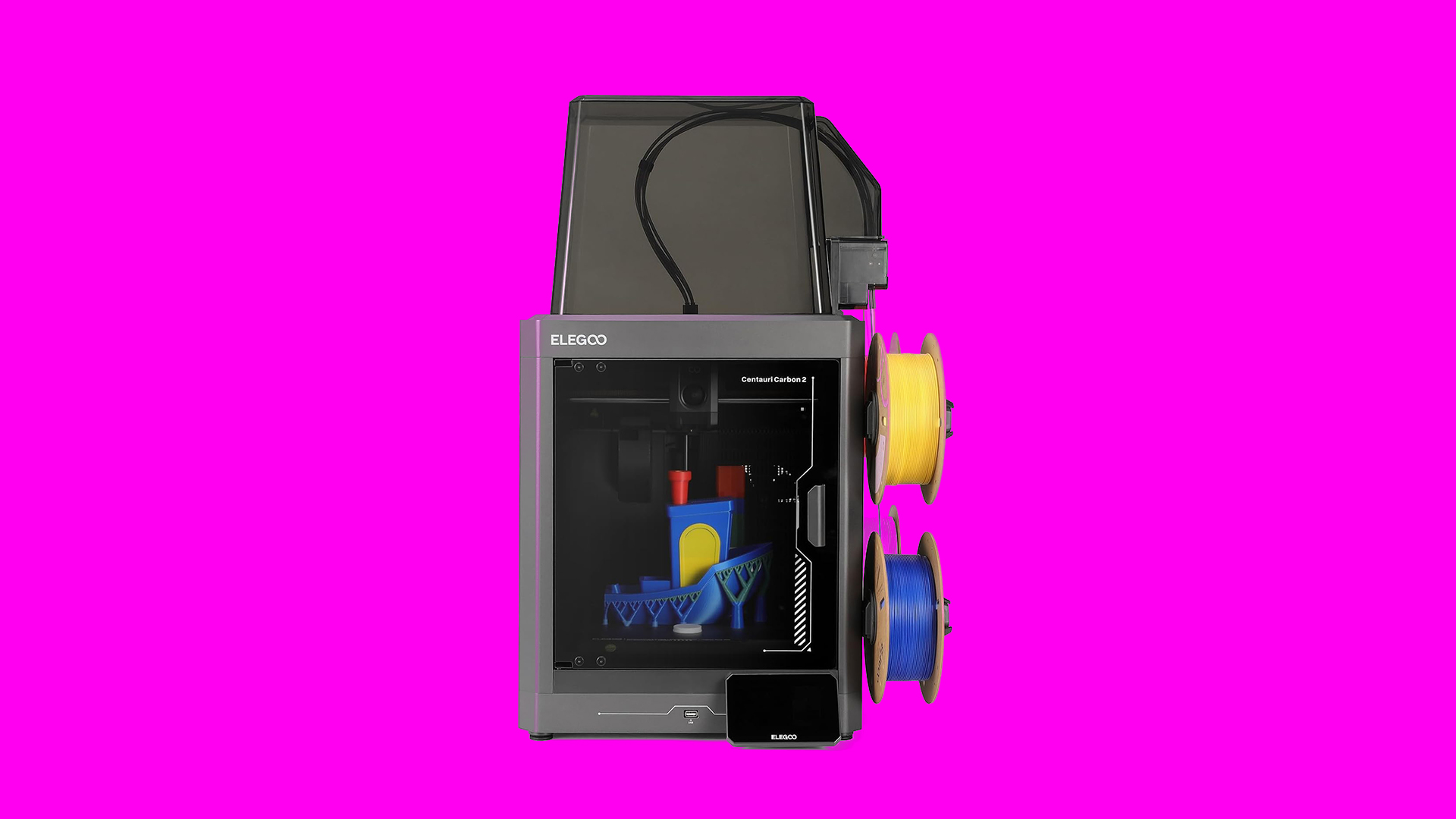
The global consumer 3D printing market has officially kicked off its high-stakes holiday shopping season, with major hardware manufacturers rolling out aggressive discounts to capture the burgeoning enthusiast demographic. Chief among these holiday promotions is the official Elegoo Black Friday sale, which has placed a spotlight on accessible, high-performance machinery. Most notably, the highly recommended Elegoo Centauri Carbon 2 Combo has received a notable $80 price reduction, bringing its retail cost down to $369 at Amazon.
For years, the barrier to entry for desktop additive manufacturing has been plagued by complex calibrations, frustrating assembly processes, and prohibitive pricing structures for multi-color capabilities. However, recent iterations of Fused Deposition Modeling (FDM) printers—exemplified by Elegoo’s latest ecosystem—aim to democratize the hobby. The Centauri Carbon 2 Combo bridges the gap between plug-and-play simplicity and advanced mechanical versatility, offering newcomers an affordable pathway into multi-material printing without sacrificing room for creative growth.
Beyond this headline hardware discount, Elegoo’s broader Black Friday campaign includes noteworthy price cuts across its specialized resin printer lineup—such as the Mars 5 Ultra—alongside promotional discounts on essential consumables like printing resins and spooled filaments. This comprehensive market maneuver signals a concerted effort by manufacturers to capture both first-time hobbyists looking for clean FDM setups and seasoned modelers requiring ultra-fine resin precision.
Detailed Chronology of the 2024–2025 Desktop 3D Printing Evolution
To understand the significance of current Black Friday hardware pricing, it is necessary to examine the rapid technological trajectory that has characterized the desktop 3D printing sector over the past twenty-four months.
The Shift Toward Out-of-the-Box Readiness
Historically, purchasing a budget-friendly 3D printer meant committing to hours of tedious mechanical assembly. Users routinely faced the challenge of manually squaring gantry frames, tensioning belts, and executing iterative, trial-and-error bed-leveling routines that frequently deterred novices from pursuing the craft.
Throughout late 2023 and into 2024, industry leaders pivoted heavily toward pre-assembled or semi-assembled modular architectures. The introduction of core-XY kinematics and automated calibration sensors transformed the user experience. By the time manufacturers conceptualized models like the Centauri series, the engineering philosophy had shifted entirely: unbox, plug in, and print.
The Rise of Multi-Color and Enclosed Ecosystems
Another major milestone in the evolution of consumer additive manufacturing has been the mainstreaming of multi-material and multi-color capabilities. Previously restricted to expensive, enterprise-grade machinery or cumbersome, third-party filament-switching add-ons, multi-color printing is now being integrated natively into mid-tier consumer units.
Concurrently, the industry witnessed a massive surge in the adoption of enclosed build chambers. Enclosures are no longer viewed merely as luxury features for industrial thermoplastics; rather, they have become essential tools for desktop hobbyists. By stabilizing ambient temperatures, closed-frame designs allow users to safely experiment with demanding engineering filaments—such as ABS, ASA, and nylon—while significantly mitigating air quality concerns associated with particulate emissions.
Black Friday 2025: The Price Compression Point
The current holiday sales cycle marks a critical inflection point where advanced features—once exclusive to machines retailing well north of $500—are now accessible in the sub-$400 price bracket. By reducing the Centauri Carbon 2 Combo to $369, Elegoo has effectively compressed the pricing tier for feature-rich, enclosed, multi-color-capable FDM printers, setting a new benchmark for competitive value in the consumer marketplace.
Supporting Context & Technical Metrics
When evaluating whether a desktop 3D printer justifies its investment, prospective buyers must weigh build volume, mechanical architecture, safety profiles, and day-to-day usability metrics.
FDM vs. Resin: Choosing the Right Technology for the Craft
For the vast majority of hobbyists, makers, and prototyping professionals, an FDM printer represents the most pragmatic entry point.
- Safety and Cleanliness: FDM printers melt thermoplastic filaments, creating minimal mess and requiring standard ventilation. Resin printers, conversely, utilize photopolymerizing liquid resins that demand strict adherence to safety protocols, including nitrile gloves, eye protection, and dedicated well-ventilated workspaces.
- Post-Processing Overhead: FDM parts emerge from the build plate ready for use, requiring only the occasional removal of support structures. Resin prints, however, mandate post-processing workflows involving chemical washing baths (typically in isopropyl alcohol) and secondary ultraviolet (UV) curing stages.
- Operating Costs: Thermoplastic filaments are inexpensive, durable, and sold in vast spool quantities, making FDM far more economical for functional parts, mechanical prototypes, and large decorative models.
Deconstructing the Elegoo Centauri Carbon 2 Combo
The Centauri Carbon 2 Combo excels in several key engineering categories that make it uniquely suited for both novices and intermediate creators:
- Minimal Assembly Requirements: Departing from traditional kit-style builds, the machine arrives virtually ready to operate. Users are spared the intricacies of bolting heavy metal gantries together; the setup process is streamlined to removing protective shipping foam and accessories, attaching the primary touchscreen interface, and initiating initial calibrations.
- Build Volume and Spatial Efficiency: The printer offers a practical mid-size build volume measuring 256 × 256 × 256 mm (approximately 10.1 × 10.1 × 10.1 inches). This volumetric envelope strikes an optimal balance, providing ample space for substantial functional components and artistic sculptures without demanding an excessive footprint on a standard workbench.
- Enclosed Thermal Chamber: Because the machine features a fully enclosed structural frame, users can reliably print temperature-sensitive engineering filaments that are prone to warping in open-air environments.
- Smart Monitoring and Maintenance Features: Modern convenience is further amplified by an integrated high-definition camera system. This hardware enables creators to monitor print jobs in real time via companion software and automatically compile smooth timelapse sequences of their manufacturing projects. Additionally, built-in self-cleaning routines help reduce routine maintenance friction.
The Alternative Route: Precision Resin with the Mars 5 Ultra
While FDM dominates general-purpose fabrication, specific creative disciplines demand microscopic precision. For digital sculptors, tabletop gaming enthusiasts, and miniature painters who require ultra-fine surface resolutions and razor-sharp details, resin stereolithography (SLA) remains unmatched.
Within Elegoo’s discounted catalog, the Mars 5 Ultra stands out as the premier value-driven entry point for high-detail fabrication. By pairing high-resolution monochrome LCD panels with stable z-axis linear guide rails, the Mars 5 Ultra delivers the sub-micron layer accuracy necessary to reproduce complex character models, intricate jewelry prototypes, and hyper-detailed artistic figurines without visible layer lines.
Official Statements and Industry Insights
Industry analysts and product designers view the current holiday pricing strategies as a calculated response to mature market demands. As consumer expectations shift away from tinkering with broken hardware and toward expecting seamless appliance-like reliability, brands must deliver turnkey ecosystems.
Design and prototyping experts emphasize that buying a printer with built-in versatility prevents premature obsolescence. In commentary surrounding modern beginner recommendations, industry reviewers note:
"We recommend systems that not only make the initial learning curve as frictionless as possible, but also provide plenty of versatility to dive deep once users are ready to get more hands-on. Selecting a machine with multi-material flexibility ensures creators won’t quickly outgrow their hardware or be forced to purchase an entirely new ecosystem as their technical ambitions expand."
Furthermore, manufacturing representatives highlight that the integration of smart diagnostic tools—such as AI-assisted failure detection, remote mobile monitoring, and automated bed leveling—represents the single most impactful advancement for consumer adoption rates. By eliminating the historical frustrations of failed multi-hour prints, brands are successfully converting casual tech enthusiasts into lifelong active makers.
Future Outlook: Where Consumer 3D Printing is Headed
As the holiday shopping season accelerates and manufacturers look ahead to the next generation of hardware releases, several clear trends are shaping the future of desktop additive manufacturing.
1. The Standardization of High-Speed Core-XY Architectures
The era of slow, Cartesian-style 3D printers operating at modest speeds is rapidly drawing to a close. High-speed Core-XY motion systems, once reserved for elite enthusiast machines, are trickling down into budget-friendly tiers. Future iterations of entry-level printers will undoubtedly feature native acceleration profiles capable of maintaining structural integrity at extreme print speeds.
2. AI-Driven Print Management
Expect artificial intelligence and machine vision to play an increasingly prominent role in budget hardware. Future printers will increasingly feature onboard neural processing units capable of identifying "spaghetti failures," first-layer detachment, and nozzle clogs instantaneously, pausing operations automatically to save costly filament and prevent catastrophic hardware damage.
3. Sustainability and Eco-Friendly Materials
As environmental consciousness permeates consumer electronics, the 3D printing industry is placing greater emphasis on sustainable consumables. Biodegradable composite filaments, recycled post-industrial plastics, and bio-resins derived from plant-based polymers are projected to command larger market shares in the coming years.
Summary of Current Actionable Deals
For makers looking to capitalize on current promotions, the Elegoo Black Friday sale offers immediate savings across multiple categories:
- FDM Flagship Entry: Elegoo Centauri Carbon 2 Combo – $369 at Amazon (Reduced by $80)
- Resin Precision: Elegoo Mars 5 Ultra – Discounted models available for high-detail miniature printing.
- Consumables: Supplementary discounts applied sitewide on compatible printing resins and spooled filaments.
Whether outfitting a home workshop for functional prototyping or setting up a dedicated creative station for artistic miniatures, current holiday markdowns have lowered the financial barrier to advanced manufacturing further than ever before.