Executive Overview
In the modern digital landscape, the line between genuine human creativity and algorithmic convenience has become increasingly blurred. Social media managers, corporate communications teams, and global brands are under relentless pressure to produce high-volume content at a blistering pace. Yet, as generative artificial intelligence becomes deeply integrated into everyday creative software suites, the rush to adopt these tools frequently bypasses essential quality-control measures.
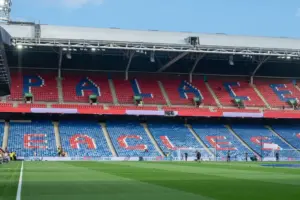
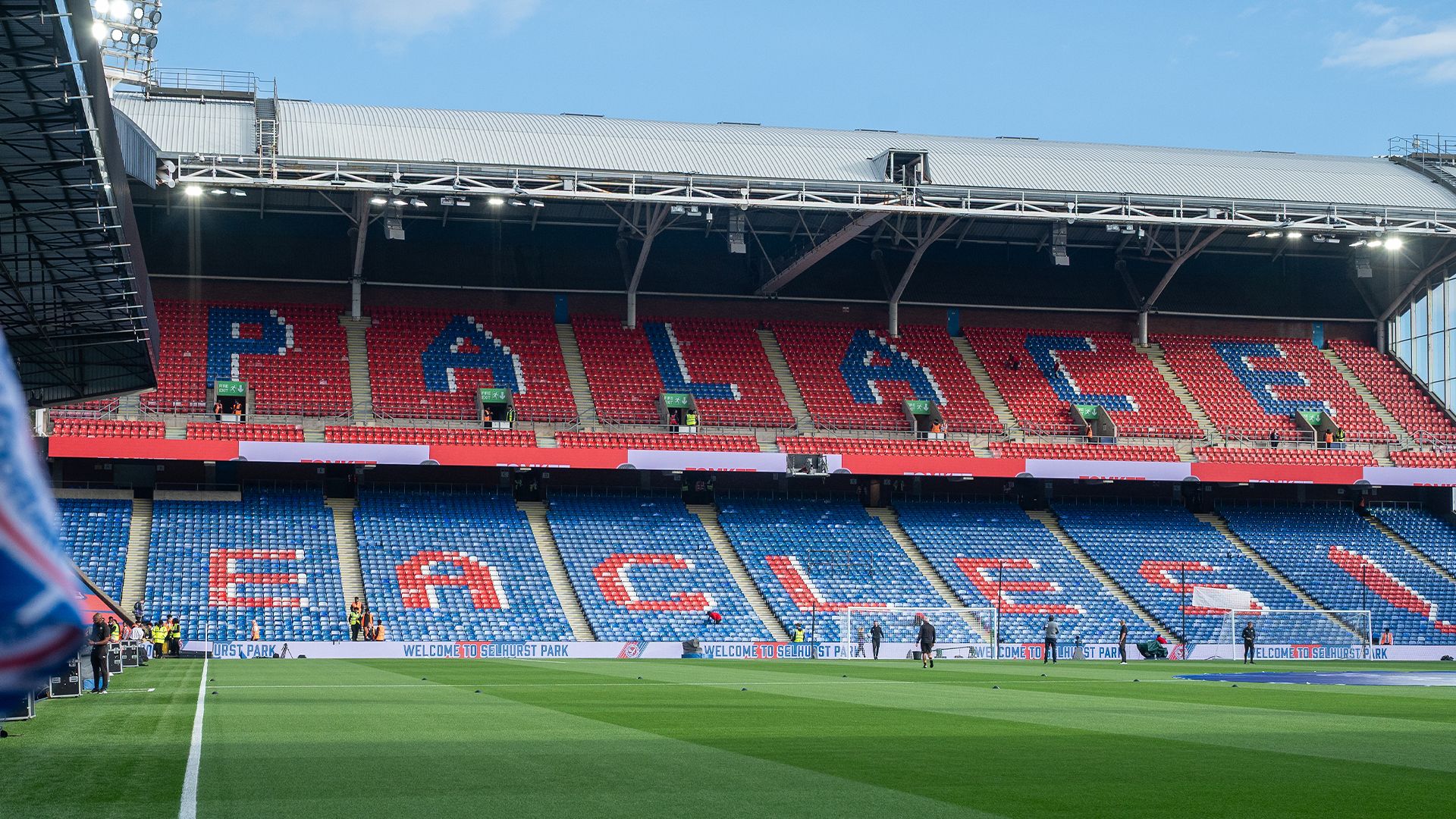
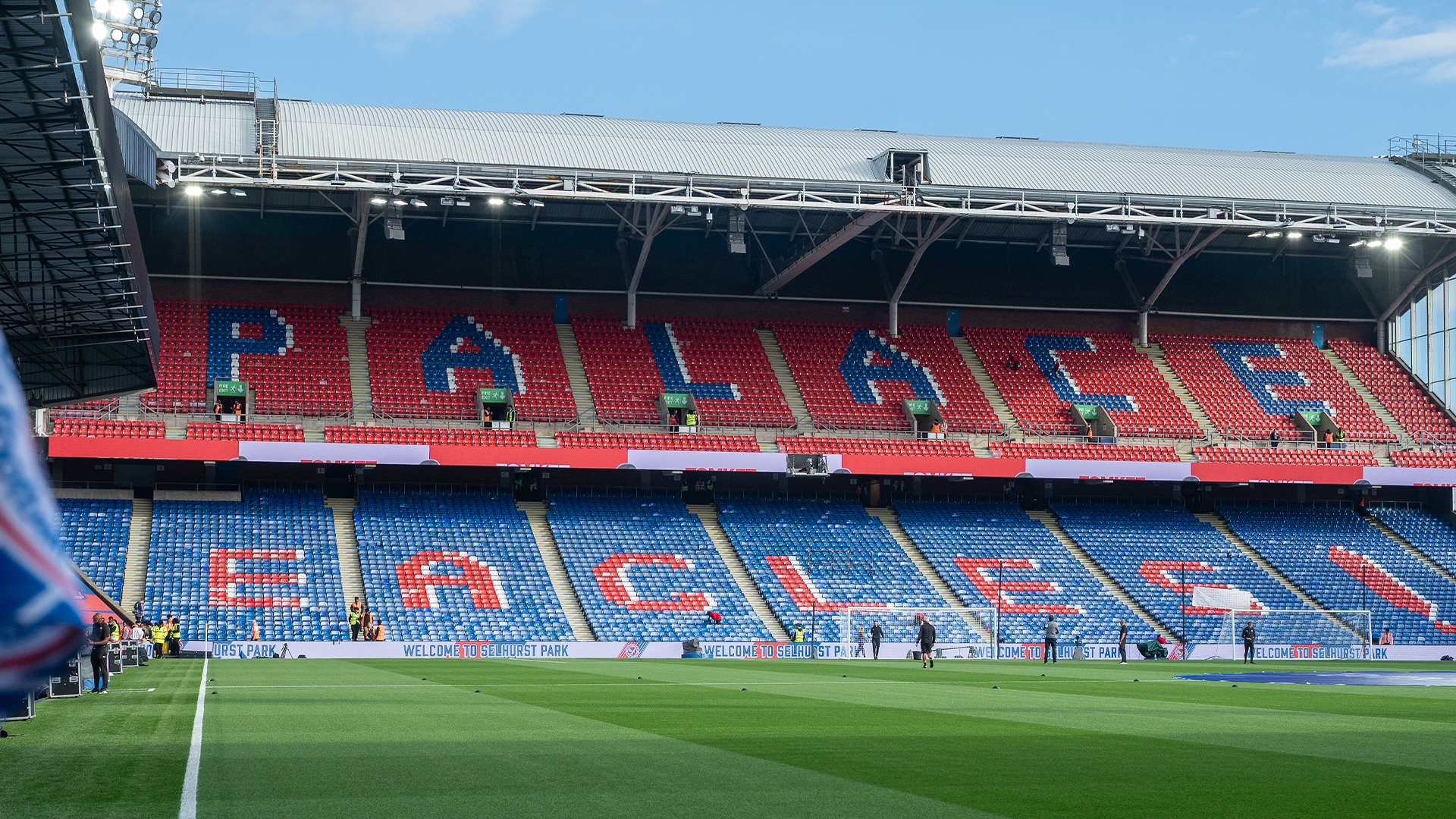
The latest casualty in this ongoing cultural tug-of-war is Premier League club Crystal Palace. What should have been a proud and celebratory announcement regarding Selhurst Park being named a candidate host venue for the FIFA Women’s World Cup 2035 quickly devolved into a public relations embarrassment. A promotional graphic, seemingly generated by artificial intelligence, featured glaring anomalies—most notably a misspelling of the club’s iconic nickname, introducing fans to the bizarre concept of the "Eacles."
The backlash was swift, vocal, and entirely predictable. Fans took to social media to excoriate the club’s media team, questioning how a professional sports organization could fail to use an authentic photograph of its own home stadium or commission a basic graphic from a human designer. This incident transcends a simple spelling mistake or a lazy design choice; it serves as a glaring case study in the hidden costs of AI integration. When brands prioritize synthetic shortcuts over human expertise, they risk alienating their most loyal stakeholders, eroding public trust, and turning moments of civic and athletic pride into sources of digital derision.
Detailed Chronology: The
Anatomy of a Social Media Blunder
The timeline of the Crystal Palace social media misstep highlights the speed at which digital blunders propagate, as well as the razor-sharp eye of modern online audiences.
Phase 1: The Announcement
On a routine weekday, Crystal Palace’s official digital channels published a celebratory post sharing exciting news with its supporter base. The headline and accompanying copy proudly confirmed that Selhurst Park, the historic home of the club since 1924, was officially under consideration as a candidate host venue for the prestigious FIFA Women’s World Cup 2035. For any football club, being associated with a major international tournament is a landmark moment, signaling community growth, infrastructure potential, and global prestige.
Phase 2: The Discovery
At first glance, the accompanying visual asset appeared to be a standard stadium rendering or promotional backdrop designed to capture the scale of a major international tournament. However, within minutes of the post going live, sharp-eyed supporters began scrutinizing the finer details of the graphic.
Rather than featuring a genuine photograph of Selhurst Park or a cleanly vectorized architectural render, the image bore the unmistakable stylistic hallmarks of generative AI: strange perspective warping, unnatural lighting cues, and, most damningly, corrupted text. Prominently displayed on the graphic was a mangled attempt at branding, introducing bewildered fans to the "Eacles."
Phase 3: The Backlash
The reaction from the Crystal Palace fanbase was immediate and merciless. Within hours, the comments section transformed from a space of congratulatory celebration into a forum for mockery and frustration.
- "Do we not have a photo of the f**king stadium? Our media team is in the gutter," lamented one prominent supporter on X (formerly Twitter).
- "Imagine not having a photo of your own stadium and needing to slop one together," another fan added, utilizing the internet vernacular for low-effort AI output.
- Another user pointed out the sheer absurdity of the workload: "This is such a basic level of graphic design that would’ve taken seconds to make manually, or could have been solved by pulling any high-res photo from our own image archives."
Rather than engaging with the historic milestone of hosting Women’s World Cup matches, the discourse became entirely dominated by corporate laziness and the uncanny valley of algorithmic content creation.
Supporting Context & Metrics: The Rise of "AI Slop" and Consumer Fatigue
The Crystal Palace incident does not exist in a vacuum. It is part of a broader, systemic trend across global marketing and communications where synthetic media—frequently referred to pejoratively as "AI slop"—is leaking into professional campaigns with alarming frequency.
The Normalization of Synthetic Media
Generative AI tools have evolved from experimental novelties into deeply embedded features within standard productivity and design software suites. From Adobe Creative Cloud to standalone platforms like Midjourney, DALL-E, and Stable Diffusion, the barrier to entry for creating complex visual assets has effectively dropped to zero.
For cash-strapped local businesses, overworked marketing departments, and even massive global enterprises, the temptation to bypass traditional workflows is immense. Why pay licensing fees for stock photography, hire freelance graphic designers, or coordinate photoshoots when a text prompt can generate a bespoke image in less than ten seconds?
The Coca-Cola Precedent and Global Brand Blunders
Even the world’s most sophisticated multinational corporations have stumbled into the same trap. Most notably, beverage giant Coca-Cola faced severe online backlash when it released an AI-generated holiday commercial that reimagined its iconic red trucks. Viewers criticized the ad for its lifeless animation, uncanny character models, and a distinct lack of the emotional warmth that had defined Coca-Cola’s holiday marketing for decades.
When multi-billion-dollar brands with near-infinite marketing budgets rely on synthetic shortcuts, it sends a troubling message to the creative industries: that human craftsmanship, emotional resonance, and artistic authenticity are entirely expendable.
The Psychology of Consumer Backlash
Why do audiences react so viscerally to AI content? Consumer research indicates a growing fatigue regarding digital saturation. As social media feeds become increasingly flooded with algorithmic text, deepfakes, and synthetic imagery, human audiences are developing an acute radar for artificiality.
When a community-centric institution like a football club—which relies entirely on a shared sense of identity, geography, and human passion—utilizes AI for foundational communications, it creates a profound sense of cognitive dissonance. Fans do not view their club as a faceless tech corporation; they view it as a living, breathing cultural entity. Seeing a digital hallucination represent their home ground feels less like modernization and more like an insult to their loyalty.
Official Statements and Industry Impact
While Crystal Palace’s communications team quietly deleted or addressed the offending post behind the scenes, the broader communications and sports marketing industries have been forced to reckon with the fallout of the incident.
Industry analysts and creative directors have pointed to the Selhurst Park blunder as a cautionary tale for PR and social media departments everywhere.
"The tool is only as smart as the person wielding it," notes digital brand strategist Marcus Vance. "When you hand the keys of your brand voice over to an automated generator without a rigorous human review process, you are effectively outsourcing your reputation to a machine that doesn’t understand context, spelling, or local culture. Fans don’t want perfection; they want authenticity. And an AI-generated stadium with misspelled words is neither authentic nor particularly professional."
Furthermore, the incident has reignited discussions within sports governance regarding digital standards. As clubs vie for prestigious honors like hosting FIFA World Cup matches, the bar for operational excellence is expected to be high across every department—including digital media. Failing basic quality control on an announcement of this magnitude raises uncomfortable questions about internal resourcing and professional oversight.
Future Outlook: Navigating the AI Frontier in Creative Communications
As generative AI continues to mature, banning or ignoring the technology is neither realistic nor productive. Artificial intelligence offers genuine utility in data analysis, administrative automation, and preliminary brainstorming. However, the Crystal Palace episode provides a vital roadmap for what not to do as organizations navigate this technological transition.
1. Re-establishing the Value of Human Oversight
The primary failure in the Selhurst Park announcement was not the use of AI per se, but the catastrophic lack of quality control. A human eye scanning the output for even three seconds would have immediately caught the warped architecture and the nonsensical text. Moving forward, brands must implement strict editorial guardrails that treat AI-assisted assets with heightened scrutiny, rather than treating them as ready-to-publish miracles.
2. Protecting Brand Equity and Local Identity
For football clubs, cultural institutions, and regional brands, authenticity is the ultimate currency. Utilizing real photography of historical venues like Selhurst Park reinforces a tangible connection between the institution and its community. When algorithms replace reality, that connection frays. Brands must recognize that the hidden cost of saving a few minutes on graphic design is often measured in millions of dollars worth of damaged goodwill.
3. Investing in Creative Infrastructure
Ultimately, the backlash faced by Crystal Palace underscores the vital importance of supporting in-house creative talent. Graphic designers, photographers, and media teams are not merely overhead costs to be minimized through automation; they are the custodians of a brand’s visual and emotional identity.
As the digital landscape becomes increasingly saturated with synthetic noise, human creativity, genuine craftsmanship, and local pride will stand out more than ever. Brands that choose to invest in human expertise—rather than leaning on sloppy, automated shortcuts—will ultimately win the trust and loyalty of the audiences they serve.