Executive Overview
Halloween has long been celebrated as the cultural apex of the uncanny—a designated time when society lingers just a little longer in the shadows, embracing the grotesque, the bizarre, and the terrifying. For Danish illustrator John Kenn Mortensen, however, the dark is not merely a seasonal aesthetic; it is a permanent creative domicile. Teeming with unsettling oddballs, scraggly line work, and nightmarish entities that seem to scuttle just beyond the periphery of human vision, Mortensen’s signature pen-and-paper illustrations have cultivated a massive, devoted following across the globe.
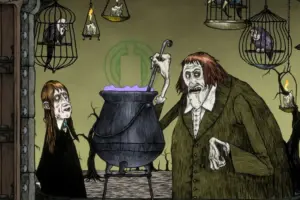
Now, the master of the macabre is expanding his artistic footprint into an entirely new medium. Through a groundbreaking collaboration with developer Chop Chop Games, Mortensen is stepping into the realm of video game development as the creative visionary behind FLASK, a dark fantasy roguelike deckbuilder currently capturing the imaginations of gamers and art enthusiasts alike.
Blending the tactile, grimy aesthetic of 1980s dark fantasy with the aggressive, driving energy of heavy metal and an unmistakable streak of black comedy—complete with wizards fretting over tower mortgages—FLASK represents a seismic shift for an artist who has spent decades working primarily as a solo creator. In this extensive feature, we explore Mortensen’s journey from solitary ink-and-paper illustrator to video game auteur, examining the challenges of translating monochrome nightmares into vibrant digital spaces, the surprising musical influences behind his grotesque monsters, and what the future holds for this dark new interactive frontier.
Detailed Chronology: From Sticky Notes to Digital Realms
To truly appreciate John Kenn Mortensen’s contribution to FLASK, one must understand the idiosyncratic trajectory of his artistic career. Long before he was collaborating with game studios and digital artists, Mortensen carved out a unique corner of the internet by sketching disturbing, highly detailed miniature horror scenes on ordinary sticky notes. These compact canvases became viral sensations, praised for their ability to evoke profound existential dread and nostalgic dark fantasy within a few square inches of yellow paper.
Over the years, Mortensen’s career expanded organically across multiple creative mediums. He transitioned fluidly through traditional book publishing, comic books, television production, animation, live-action projects, and high-profile gallery exhibitions. Yet, despite this multidisciplinary resume, video games remained an uncrossed threshold.
The turning point arrived when Dario and Michael, co-founders of Chop Chop Games, approached Mortensen with a foundational gameplay framework for a roguelike deckbuilder. Recognizing an alignment of morbid sensibilities, the developers sought to anchor their mechanics in a world that felt tactile, dangerous, and deeply atmospheric.
For Mortensen, entering the game development pipeline meant relinquishing the absolute solitude of his home studio. Traditionally accustomed to working strictly with pen on paper—a process he humorously attributes to a mix of "bad habits and laziness"—he had to learn how to communicate his singular visual language to a multidisciplinary digital art team. Through a collaborative iterative process, the core mechanics laid down by Chop Chop Games were gradually draped in Mortensen’s signature aesthetic, culminating in the official announcement and Steam launch of FLASK.
Supporting Context & Metrics: The Anatomy of FLASK
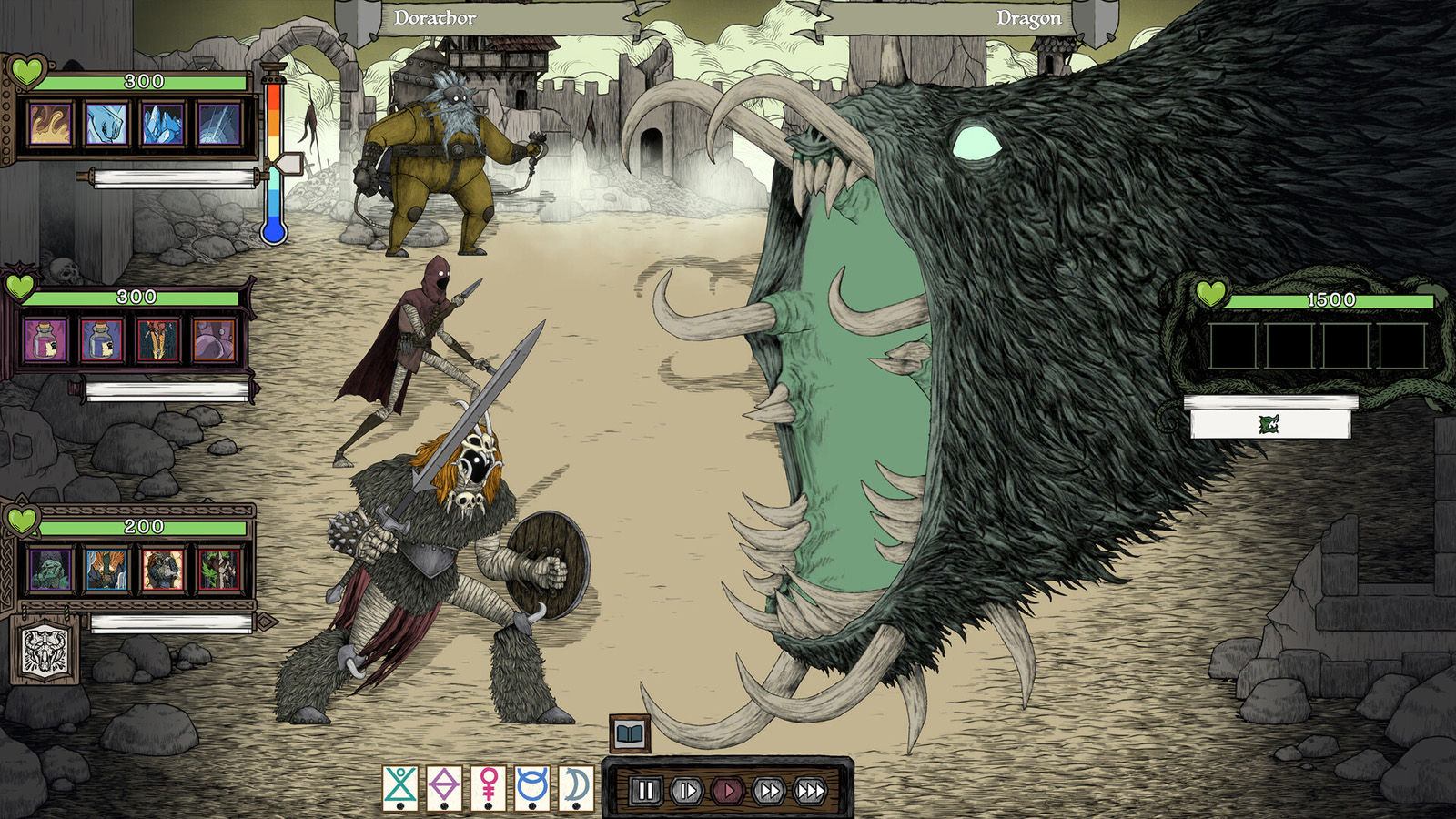
Developing a video game built upon the foundation of an intensely traditional, analogue art style presents unique technical and design hurdles. FLASK is not merely an art gallery simulator; it is a complex, strategic video game combining roguelike elements, auto-battlers, and deep theory-crafting mechanics.

Bridging Monochrome and Digital Color
One of the most formidable challenges faced by the development team was translating Mortensen’s iconic black-and-white illustrations into a vibrant, readable digital format. Mortensen’s traditional work relies entirely on stark ink contrasts, deep shadows, and negative space.
[Traditional Pen & Ink Work]
        │
        ▼ (The Challenge: Color & Depth)
[Digital Lighting & Shadows]
        │
        ▼ (The Resolution)
[Cohesive Dark Fantasy World in FLASK]
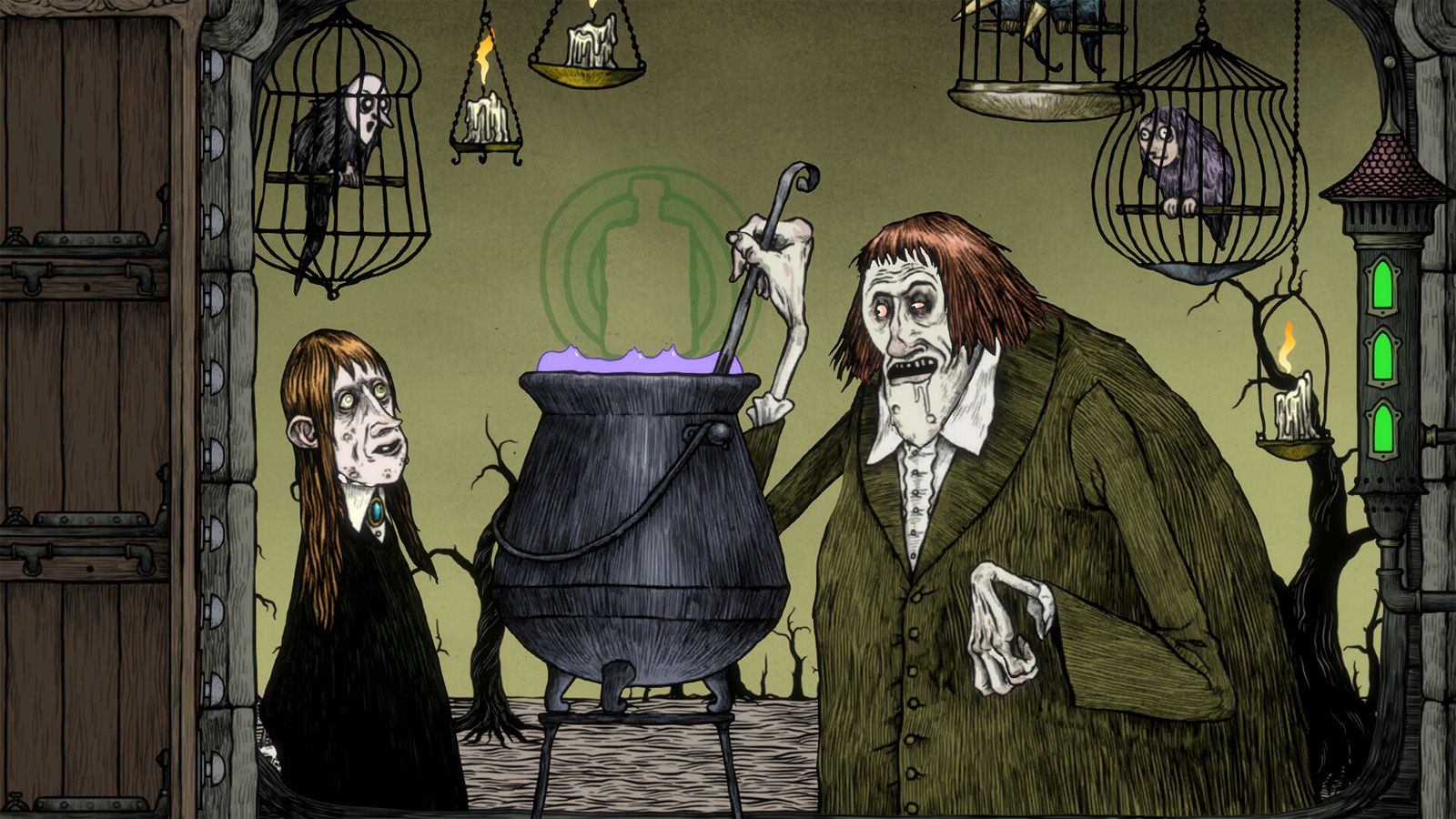
To adapt this style for FLASK, the digital art team introduced intricate layers of lighting, atmospheric highlights, and muted color palettes. This expansion did not dilute Mortensen’s style; rather, it added a rich layer of depth, proving that the artist’s bleak worlds could breathe and pulse with dynamic illumination without losing their chilling atmosphere.
Balancing Readability and Intricate Art
In the realm of card-based roguelikes, visual clarity is paramount. Players must be able to scan cards, understand statistics, and assess battlefield conditions at a glance. Mortensen’s intricate, chaotic line work, however, is deliberately dense and overwhelming.
Chop Chop Games resolved this tension through a brilliant contextual rule for their secondary artists: Mortensen’s visual style was established as the "real world" of the game’s universe, and contributing artists were instructed to view themselves as inhabitants and artists within that universe. This ensured that UI elements, card borders, and gameplay HUDs remained legible while preserving the grotesque, handcrafted soul of the source material.
Official Statements & Insights: In Conversation with John Kenn Mortensen
In an exclusive Q&A session, John Kenn Mortensen opened up about the creative philosophy driving his work, his unorthodox inspirations, and the collaborative joy of stepping into video game design.
Creative Bloq (CB): Your artwork is dark, grotesque, and instantly recognisable. Where did your distinctive style come from?
John Kenn Mortensen (JKM): It came from within. I have always been drawn to the dark; it is a much more interesting place to work. In the light everything is visible, revealed. In the dark there are secrets and things to be explored. I see my work as a dark room, with a door slightly ajar at the end, where a little light comes in.
CB: How did you approach creating the visual world of FLASK?
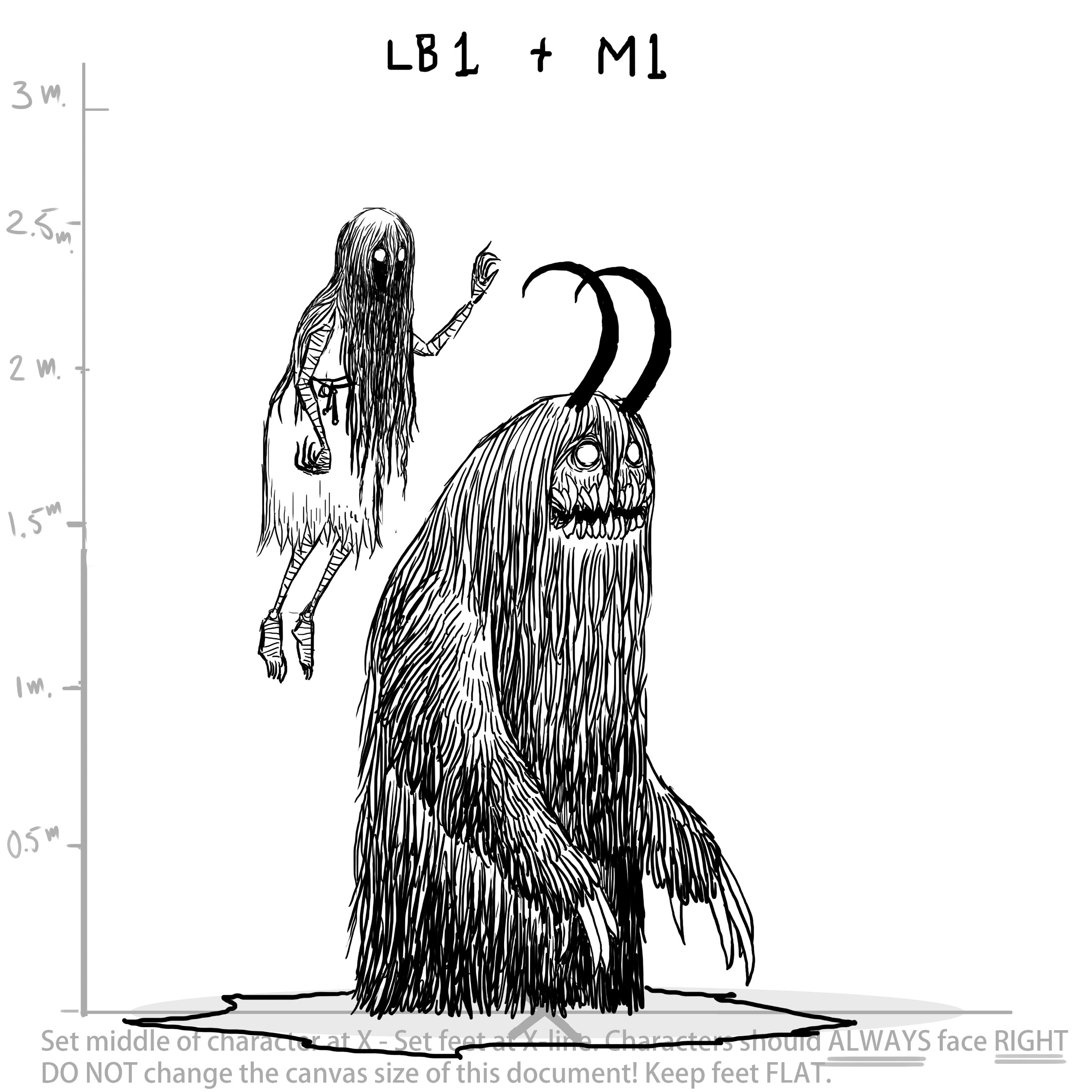
JKM: Building on the gameplay mechanics Dario and Michael, co-founders and game developers at Chop Chop Games, already had, I focused on two things: the dark fantasy world of Labyrinth (the Jim Henson movie) and the sound and energy from Slayer (the band). From there, it just started to come alive.
CB: Your art feels wonderfully hand-crafted. How have you brought that quality into a video game?
JKM: It has been hard, and I don’t really know… it comes down to the art team; they are amazing to work with, and have been a huge support in bringing my monstrous creatures to life. On my side, I have mostly only worked with pen on paper, very old school.
CB: What’s been the biggest challenge in moving from illustration to game design?
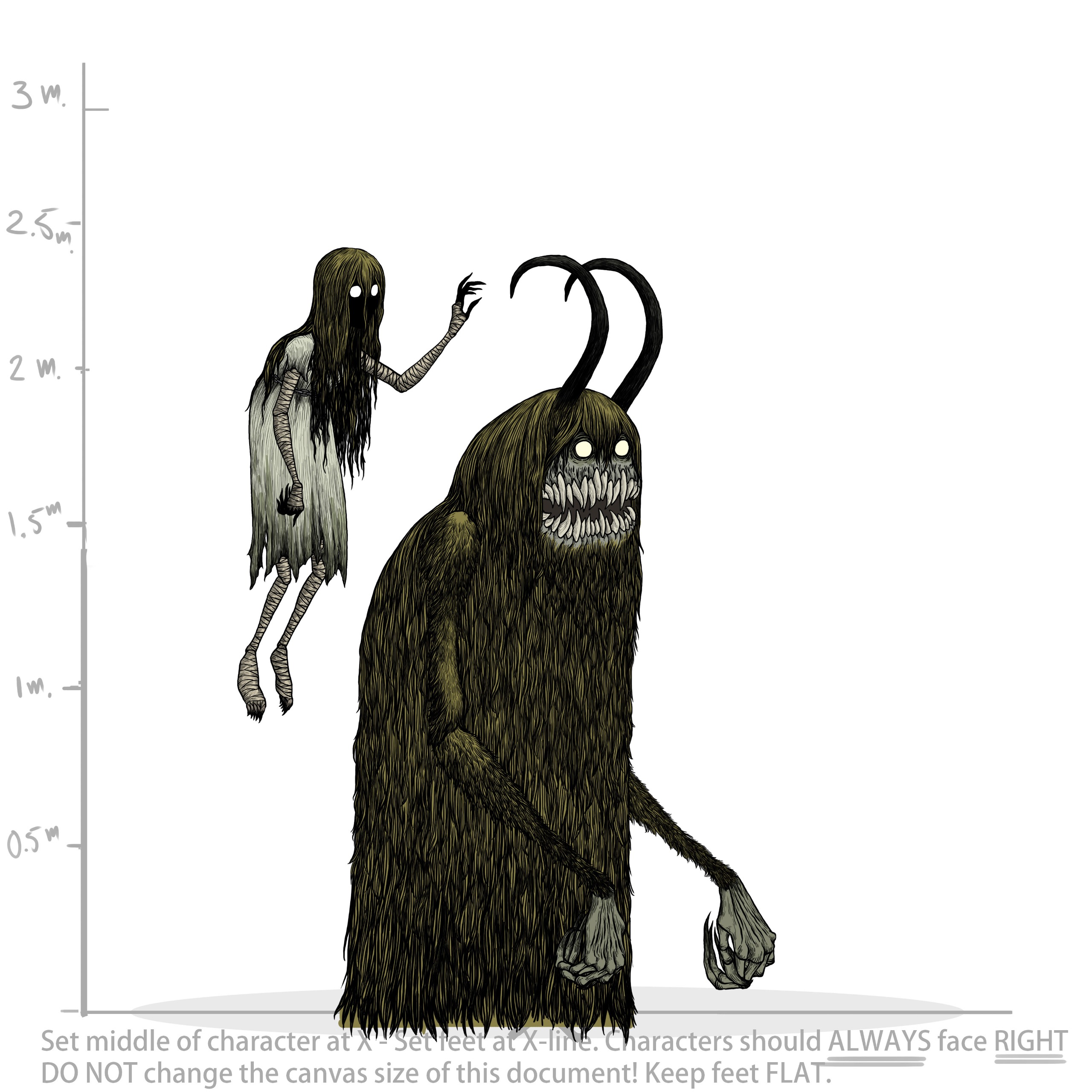
JKM: Conveying the feelings in my art with colour has been a huge challenge, since most of my illustrations are in black and white. We have added lights, highlights, shadows, and colour, and it’s been really rewarding experimenting with what I’m comfortable with and seeing how we can add more depth when it comes to inserting my drawings into a digital format.
CB: FLASK mixes gruesome fantasy with dark humour and wizard tower mortgages. Where did that idea come from?
JKM: I tend to lose track of where ideas come from and how they morph into things in the process. But from the start, I wanted it to be dark fantasy mixed with medieval imagery. What’s even more special is that Labyrinth came out 40 years ago, and working on a project so inspired at the time of its anniversary is really rewarding.
CB: What inspires the monsters and nightmarish creatures you create?
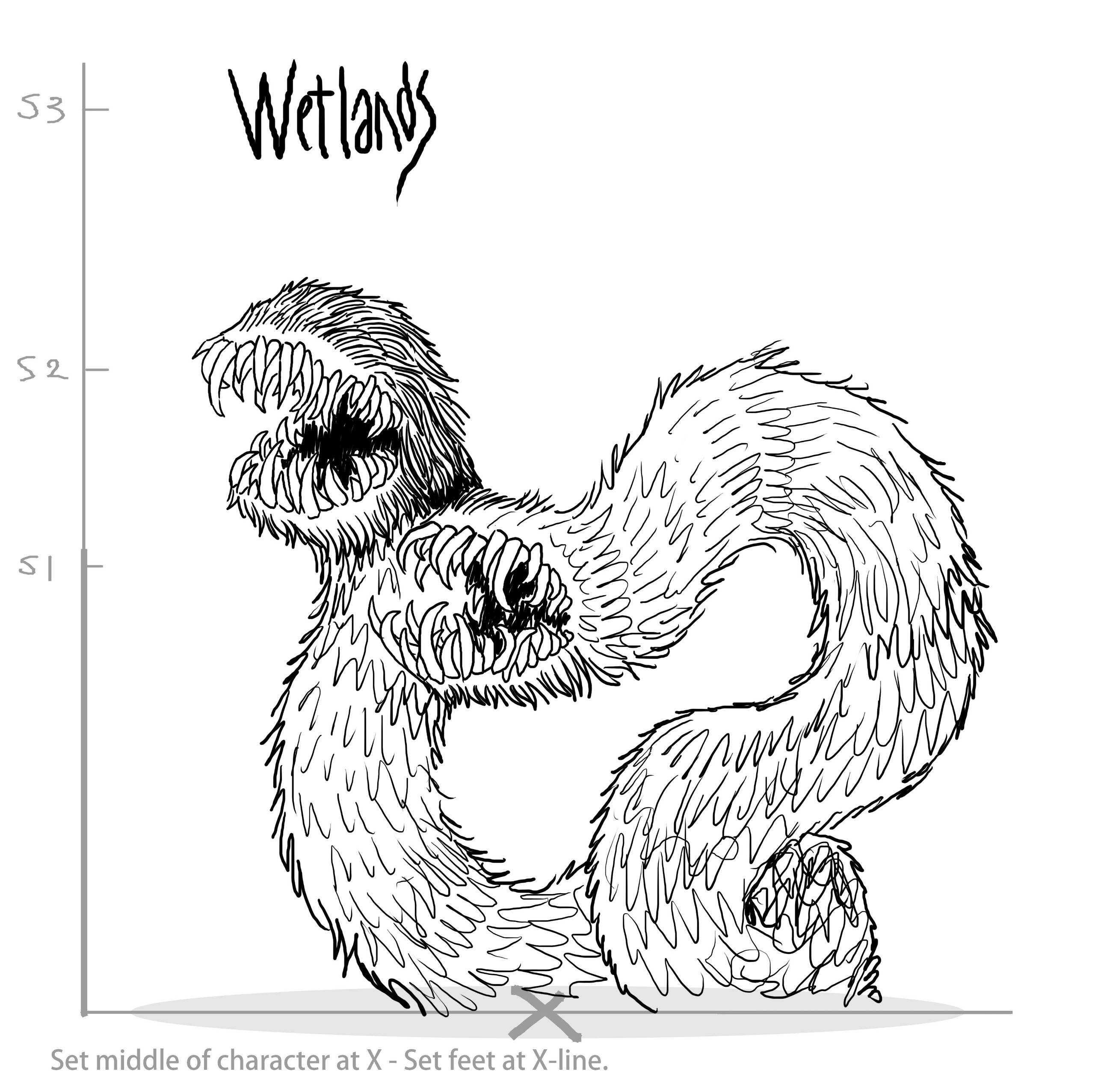
JKM: Mostly music. I listen to a lot of music. I have an hour every day where I will just walk and listen to music; that is where most of my ideas spring from.
CB: Has making FLASK changed how you approach your illustration work, or inspired ideas for future projects?
JKM: It has been a very different approach than I am used to, but I like that challenge. I always jump from one platform to another in my work: I have done TV shows, animation, live action, books, comics, art shows, and now video games. I see my working life as a big house with a lot of very different rooms where I can hang out and play with the people in them. The only thing I think about before entering is to be as honest and true to myself as possible. There are soooo many new ideas!
Future Outlook: A New Room in the House of Art
Mortensen’s foray into video game development with FLASK marks more than just a promotional milestone for an indie title; it signals an exciting evolution for interactive art design. By successfully bridging the gap between traditional tactile illustration and complex digital game mechanics, Mortensen and Chop Chop Games have demonstrated that indie games can serve as living, breathing art galleries.
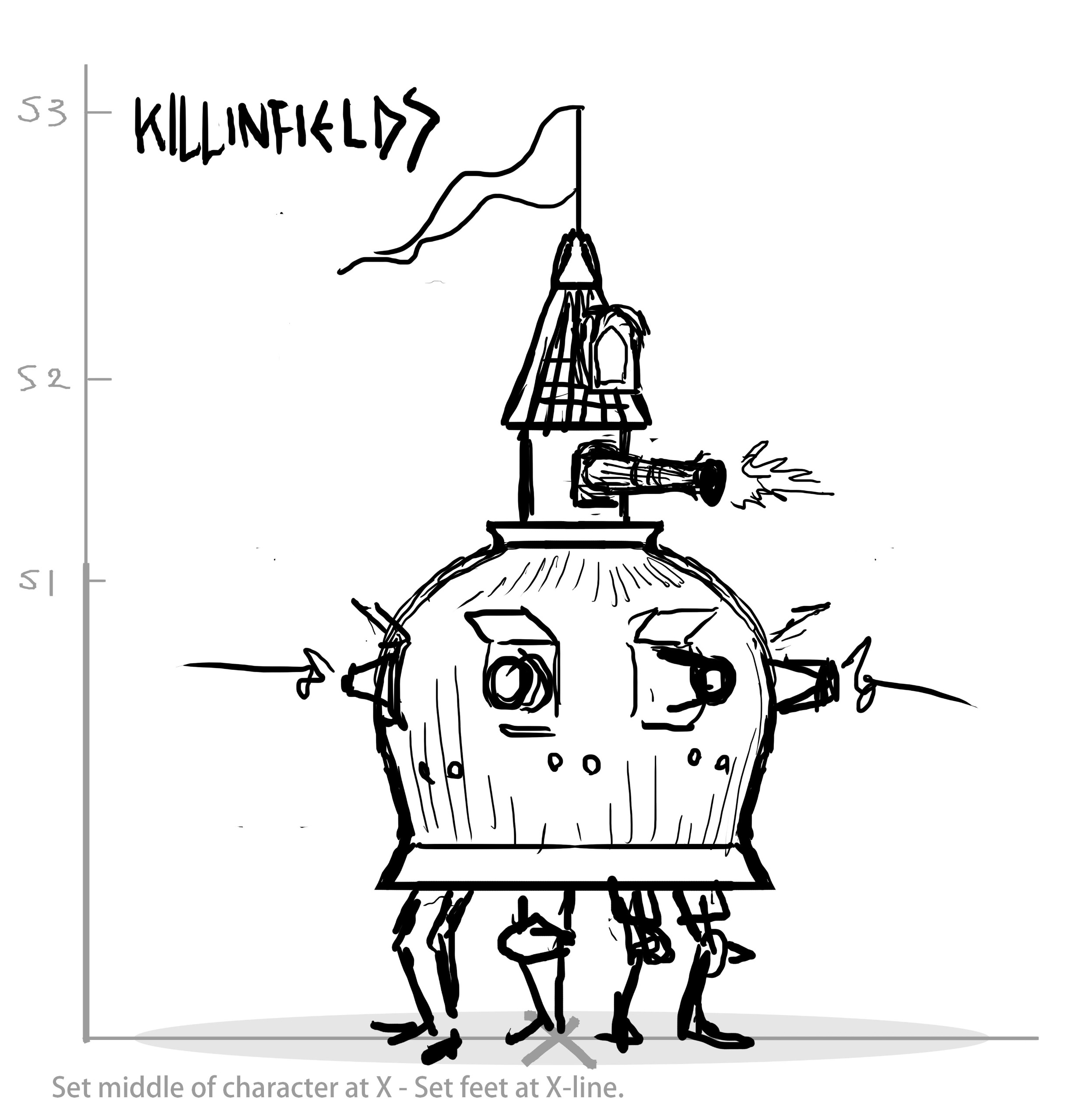
As FLASK makes its way onto digital storefronts like Steam, players are invited to step through that slightly ajar door into Mortensen’s dark room. For the artist himself, the experiment has proven that stepping into new creative chambers—leaving behind the solitary desk for the collaborative energy of a development studio—does not dilute an artist’s voice; rather, it amplifies it. With a head full of fresh concepts inspired by the crucible of game development, Mortensen’s journey into the digital darkness has only just begun.