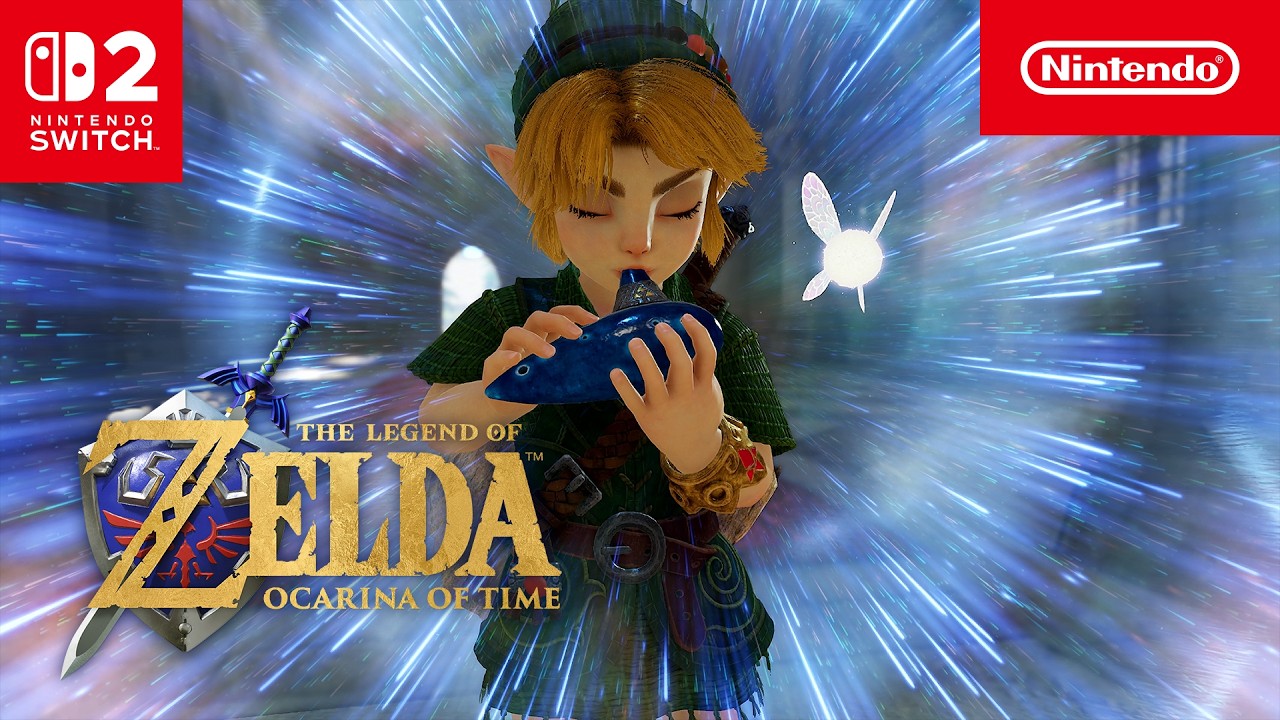
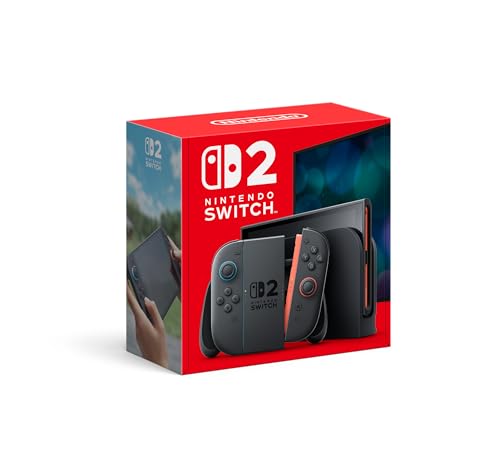
Few titles in the history of interactive entertainment hold the mythic, foundational status of The Legend of Zelda: Ocarina of Time. Released in 1998 for the Nintendo 64, the title single-handedly defined the vocabulary of 3D action-adventure video games, pioneering mechanics like context-sensitive actions and lock-on targeting that remain industry staples today. Consequently, when Nintendo announced that a comprehensive, ground-up remake of the classic was heading to the upcoming Nintendo Switch 2—slated for release on November 5, 2026—it sent shockwaves through the gaming community.
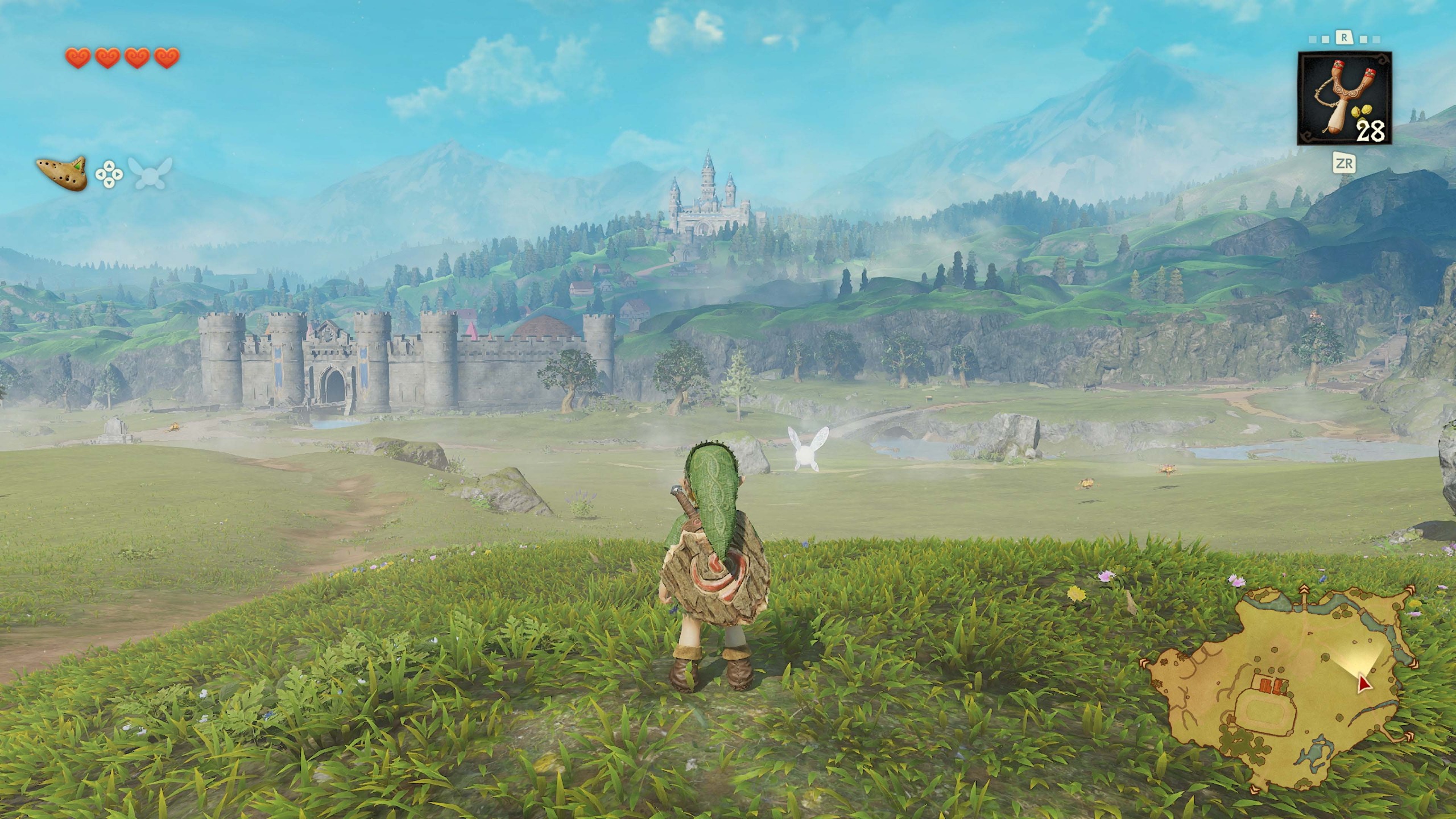
Initial teaser trailers proved divisive, sparking intense online debate over a first look that appeared to lean toward a hyper-realistic art direction. Purists worried that stripping away the stylized charm of the N64 original would eviscerate the melancholic, fairytale atmosphere that made Hyrule so unforgettable. However, early hands-on previews and a fresh, revealing series of developer interviews have decisively put those fears to rest.
Rather than a simple visual coat of paint, the Ocarina of Time remake represents a delicate tightrope walk between modernizing a creaky 28-year-old classic and fiercely protecting the core design philosophy that made it a masterpiece. As Nintendo developers recently detailed in their official "Ask the Developer" series, the project was guided by unusual conceptual touchstones—such as evoking a "puppet-show feel" and the tactile nature of practical effects films. Furthermore, deep-dive explorations into discarded features, such as Breath of the Wild-style fast-travel warp points, highlight a profound institutional respect for the original game’s pacing and sense of discovery. This article explores the painstaking artistic decisions, scrapped design mechanics, and overarching philosophies driving one of the most anticipated releases in Nintendo history.
Detailed Chronology and Development Origins
To understand the weight of remaking Ocarina of Time, one must look at the timeline leading up to its current incarnation for the Nintendo Switch 2. As the franchise approaches its monumental 40th anniversary, Nintendo’s leadership confronted a looming generational question: How do modern developers, many of whom were children when the N64 original launched, comprehend the structural DNA of the series?
Series producer Eiji Aonuma candidly revealed that a primary motivation behind greenlighting the full-scale remake was educational—not just for the players, but for the development team itself. By reverse-engineering, dismantling, and rebuilding the very game structure that birthed modern 3D Zelda, Nintendo aimed to instill a profound appreciation of the original’s mechanics in its current workforce. This hands-on reconstruction serves as an institutional bridge, ensuring that the insights gleaned from rebuilding Hyrule can inform future entries in the franchise.
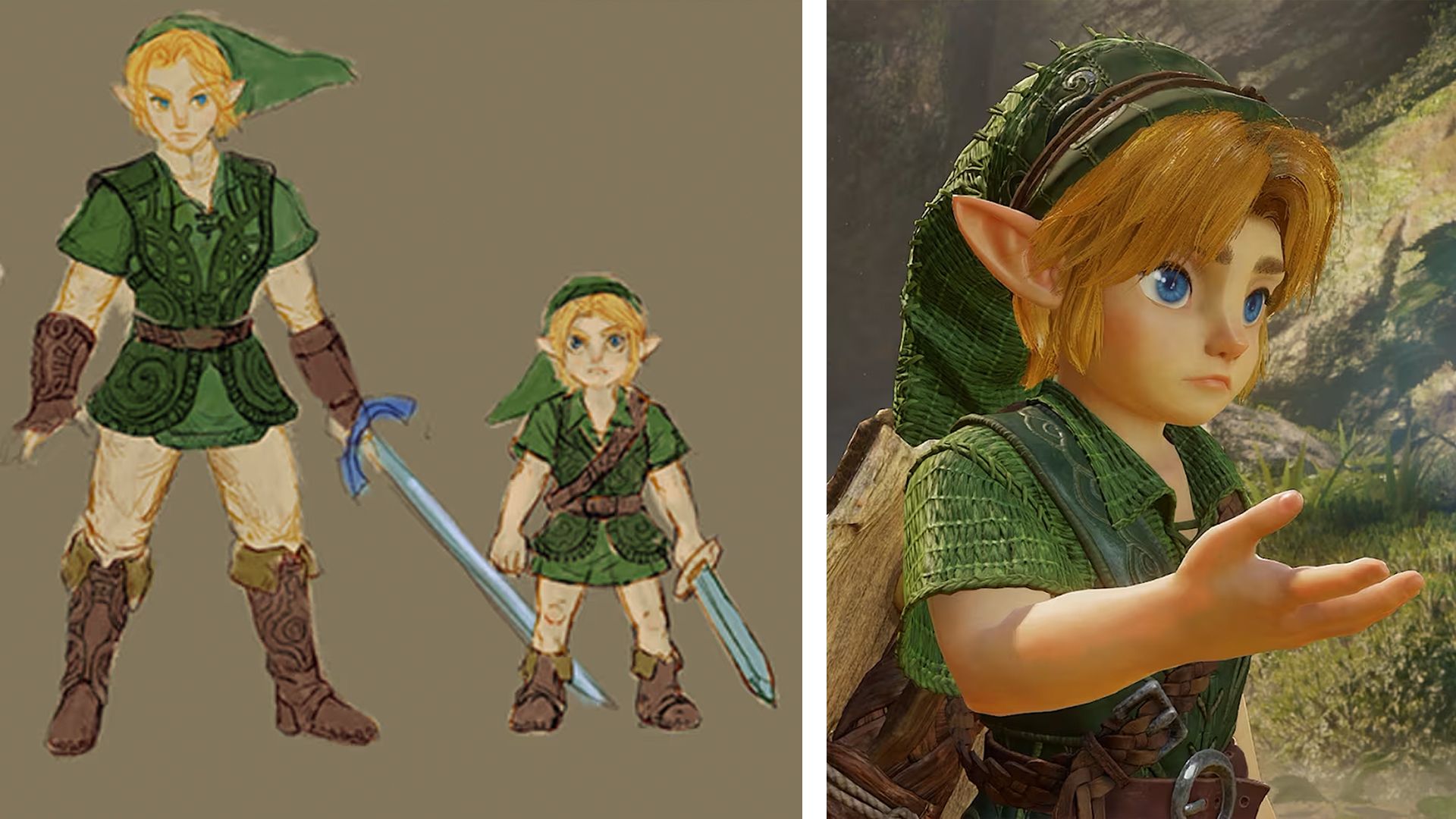
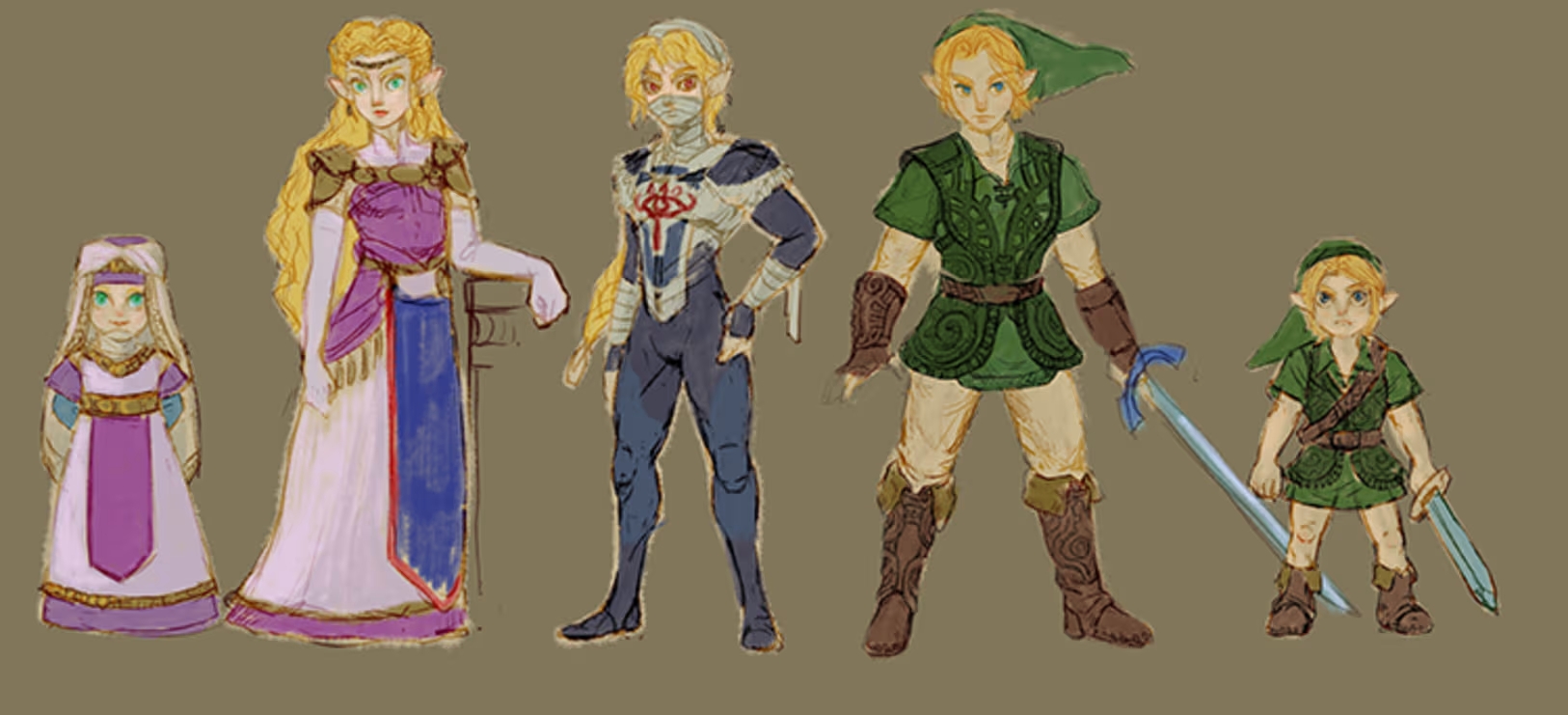
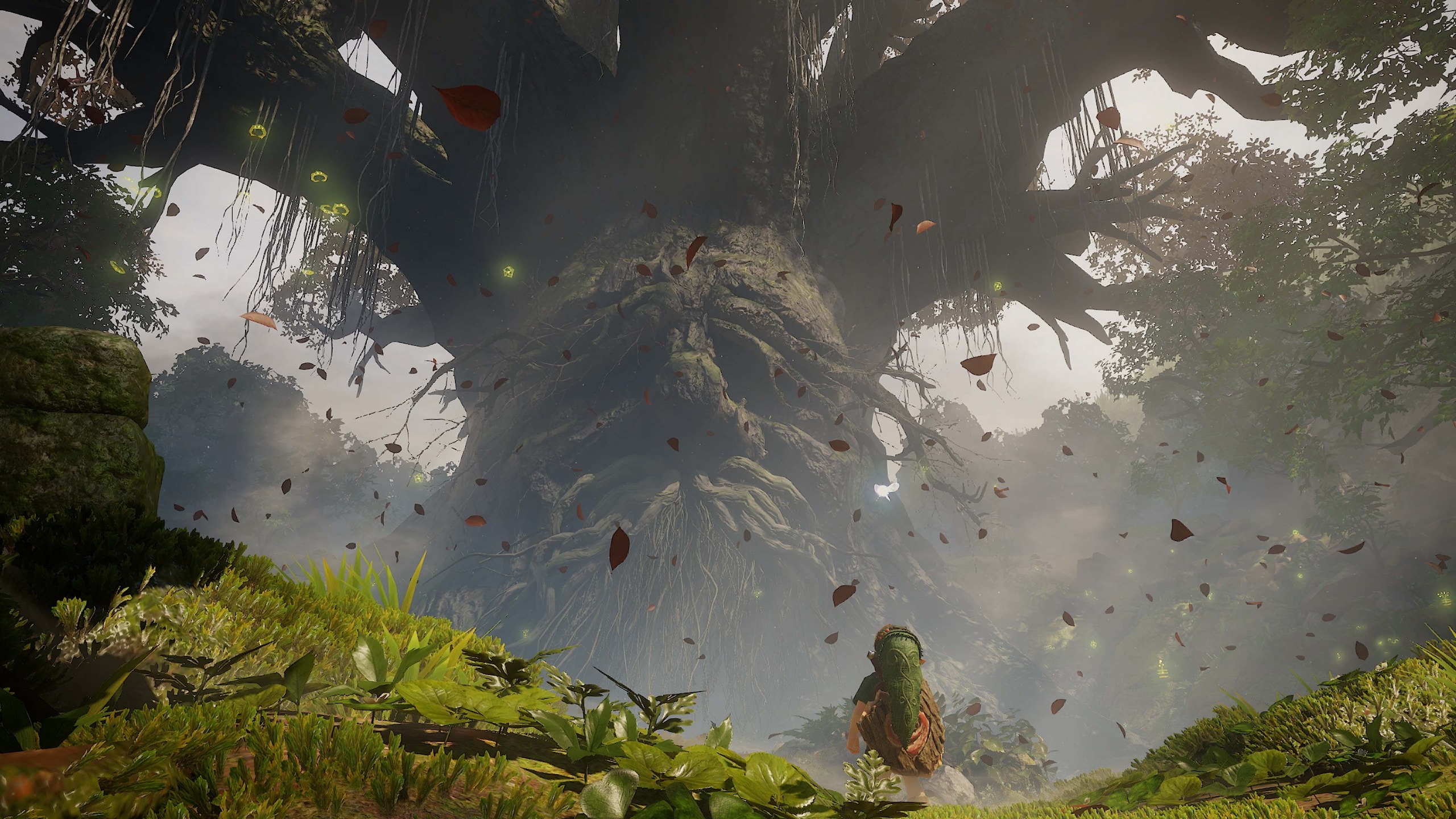
The project’s development timeline reflects this meticulous approach. Early conceptualization focused heavily on establishing visual baselines. Art director Aya Shida and her design team began by sketching core characters—Link, Zelda, and the various inhabitants of Hyrule—while simultaneously constructing a high-fidelity 3D model of the Great Deku Tree. Rather than chasing raw graphical fidelity simply because the Nintendo Switch 2 hardware permitted it, the team imposed strict artistic guardrails. They wanted players, even those with decades of nostalgic attachment, to instantly recognize characters from a distance, bridging a 28-year gap without losing the soul of the 1998 polygon models.
Supporting Context & Metrics: Crafting the "Puppet-Show" Aesthetic
The leap from the low-poly count of the Nintendo 64 to the high-definition rendering capabilities of the Nintendo Switch 2 could easily have resulted in a sterile, overly polished aesthetic. To combat this, the art direction team leaned into conceptual metaphors that might sound unconventional to casual observers: the analog warmth of practical effects cinema and the tactile charm of a theatrical puppet show.
The Philosophy of Practical Effects
Aya Shida elaborated on this choice in Nintendo’s developer interviews, noting that neither puppet shows nor practical-effects monster movies attempt to replicate real life down to the microscopic level. Instead, both mediums rely on tangible craftsmanship to project a convincing sense of existence.
"We wanted to rebuild Hyrule as a rich, dense world that felt as though it could truly exist, while retaining the feel of the original," Shida explained. "At the same time, we wanted its colorful and quirky characters to feel like a natural part of that world. Figuring out how to strike the right balance became one of the main themes of the art development."
This ethos translated into exhaustive physical research. For instance, when designing the clothing of young Link and the other children of Kokiri Forest, the art team refused to settle for digitally generated, mathematically "perfect" textures. They asked fundamental anthropological questions about what kind of fabric those children would realistically weave and wear. The team visited museums to study historical textiles and even went so far as to experiment with spinning their own thread and weaving physical fabric to observe how light hit the fibers.
The resulting digital assets—visible in the intricate grain of wooden structures, the lush complexity of restored foliage, and the visible stitching along Link’s tunic—speak volumes. The hardware of the Nintendo Switch 2 provided the horsepower to render these details, but it was the team’s commitment to "imagining the story behind every object" that gave the world its lived-in, analog authenticity.
Official Statements and Scrapped Design Mechanics
Perhaps the most fascinating revelations surrounding the Ocarina of Time remake involve features that were enthusiastically tested, only to be ruthlessly excised when they threatened the game’s structural integrity.
The Fast-Travel Dilemma
In modern open-world game design—pioneered significantly by Nintendo’s own The Legend of Zelda: Breath of the Wild—fast travel and warp points are non-negotiable quality-of-life features. Given that players of the 1998 original spent countless hours rhythmically spamming forward-rolls across the expansive, empty geometry of Hyrule Field just to traverse the map quickly, Eiji Aonuma initially assumed the remake required a similar modernization.
Consequently, early builds of the remake incorporated a comprehensive system of warp points akin to modern open-world titles. However, playtesting revealed an unintended casualty: the magic of spontaneous discovery.
"Through this development process, we were reminded once again just how important those moments [of discovery] are to the very structure of The Legend of Zelda: Ocarina of Time," Aonuma confessed. "So even though I was the one who proposed adding warp points, they just weren’t working for me in the end, so I got the team to take them all back out again."
By removing instant fast travel, the developers preserved the deliberate pacing of the original world. Traversing Hyrule Field remains a journey filled with environmental storytelling, hidden secrets, and organic encounters, ensuring the world feels vast and perilous rather than merely a menu screen to be bypassed.
Mechanical Tweaks: The New Jump Button
While fast travel was shown the door, other mechanical adjustments survived the cut-off. Most notably, the remake introduces a dedicated jump button for Link. In the original Nintendo 64 release, Link leaped automatically off ledges when running toward them—a system that, while revolutionary for its time, occasionally led to imprecise movement and frustrating platforming errors.
The inclusion of manual jumping will inevitably require muscle memory adjustments from veteran players, particularly during frantic combat encounters. However, previewers agree that it successfully smooths out some of the clankier, more rigid platforming sections of the 1998 title, bringing the game’s mobility closer to modern standards without compromising dungeon design.
Future Outlook and Industry Impact
As the gaming industry braces for the launch of The Legend of Zelda: Ocarina of Time on the Nintendo Switch 2 this coming November, the project stands as a fascinating case study in remake culture. In an era dominated by hyper-realistic remasters that frequently strip away the stylistic identity of their source material, Nintendo has chosen a more nuanced path.
By prioritizing an analog, handcrafted aesthetic—evoking puppet shows and practical effects—and fiercely protecting the level design pacing that made the original exploration rewarding, the development team has sidestepped the trap of sterile modernization.
More broadly, Aonuma’s admission that this remake serves as a pedagogical exercise for the current generation of Nintendo developers points toward an encouraging future. By forcing today’s creators to intimately understand the clockwork mechanisms of Hyrule, Nintendo is actively safeguarding its institutional knowledge. The insights forged in rebuilding Ocarina of Time will inevitably ripple outward, shaping the design philosophy of future Zelda installments for decades to come.
When players finally boot up the Nintendo Switch 2 on November 5, 2026, they will not merely be revisiting a nostalgic relic of 1998. They will be stepping into a lovingly curated, meticulously researched world that honors its past while fearlessly securing its legacy.