Executive Overview
For years, the technological landscape has echoed with a persistent critique of consumer electronics: innovation has plateaued. While processing speeds incrementally tick upward every autumn and cameras receive modest, often imperceptible pixel bumps, the golden era of hardware design—reminiscent of the groundbreaking leap from the Walkman to the original iPod—has frequently felt like a distant memory. Tech enthusiasts and creative professionals alike have yearned for a genuine paradigm shift.
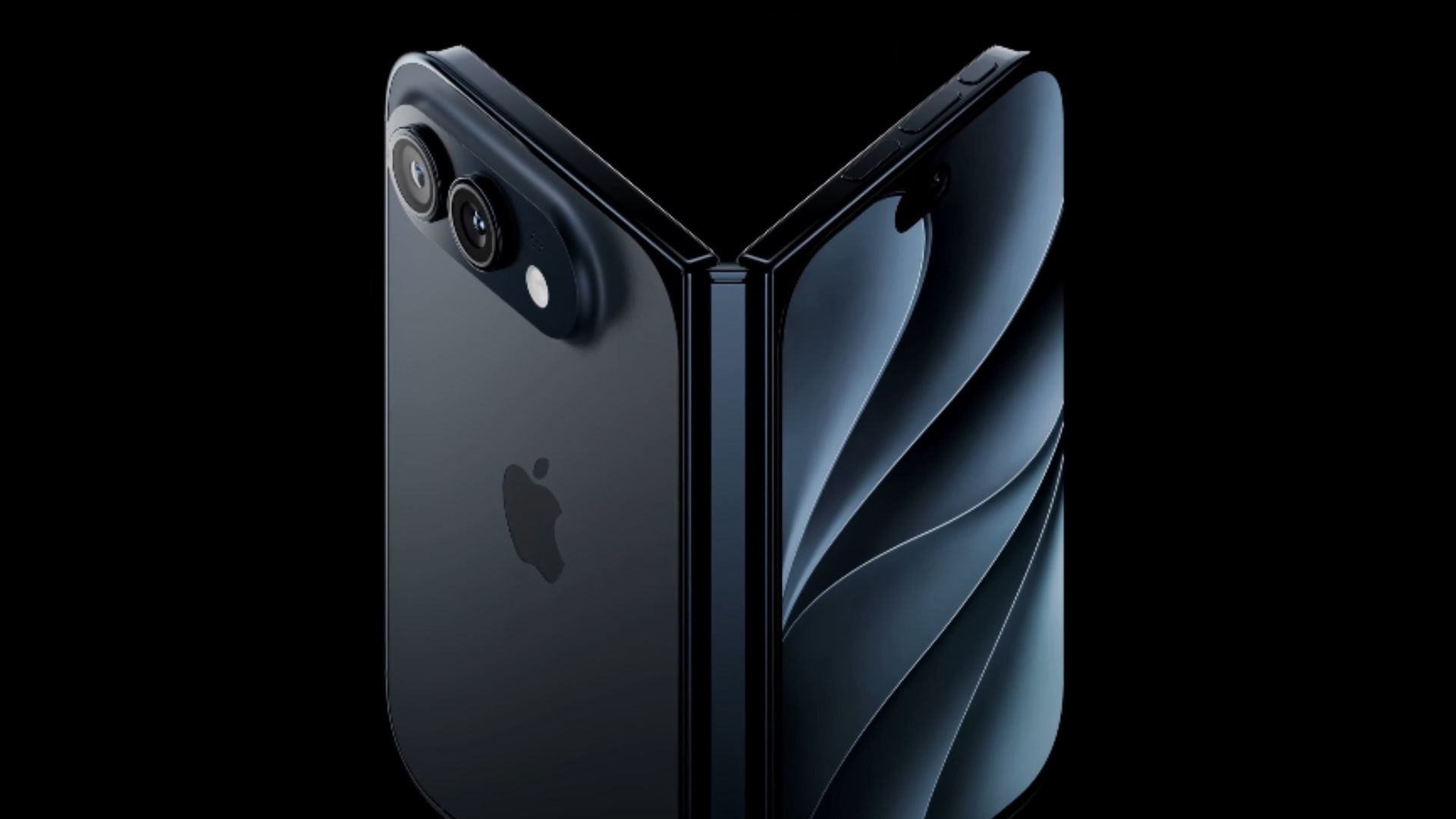
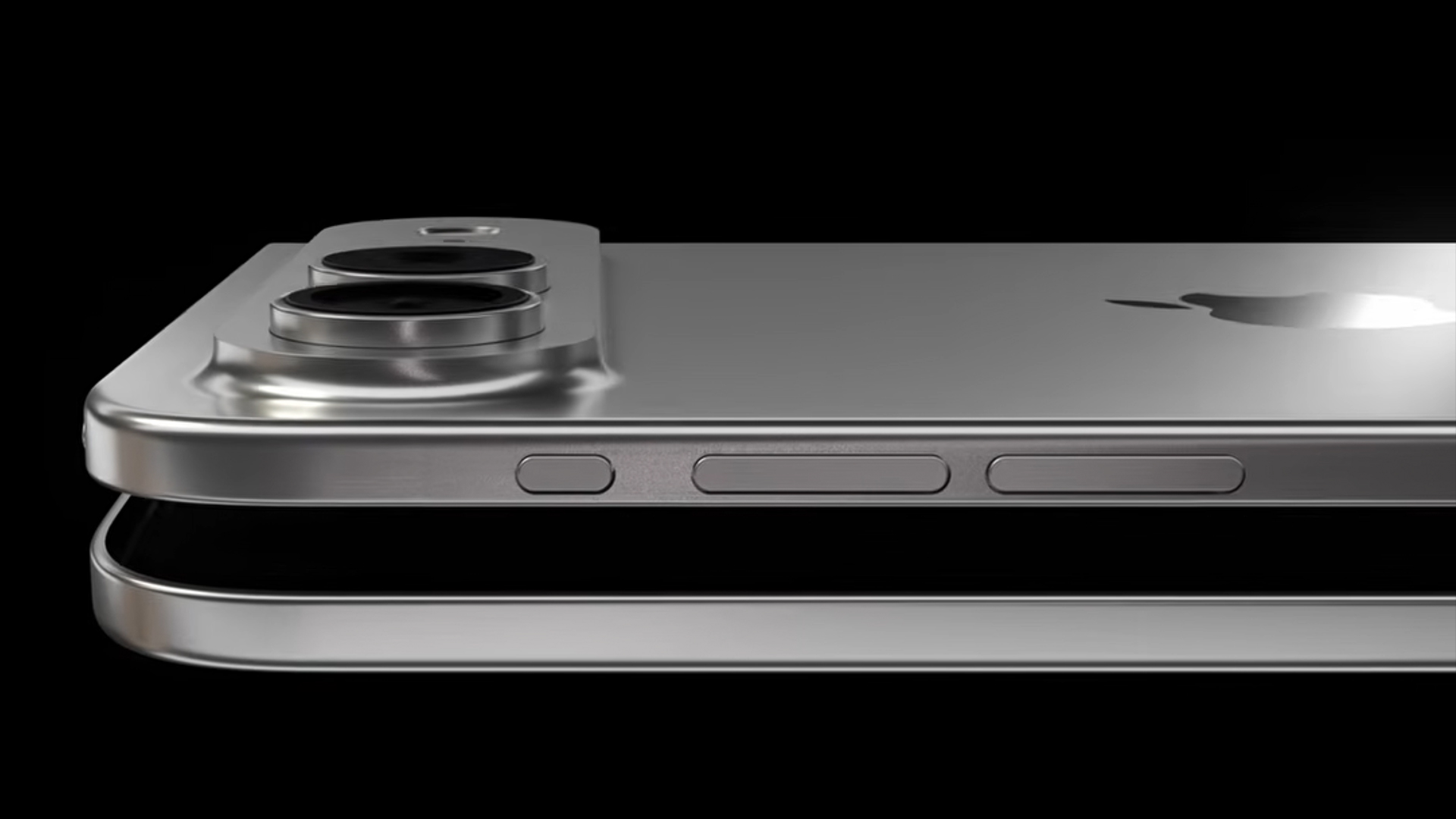
Now, that long-anticipated paradigm shift may finally be on the horizon. According to industry leaks and insider reports, Apple is mere weeks away from unveiling its most radically redesigned smartphone to date: the folding "iPhone Ultra" (alternatively tracked as the iPhone Fold). Early hands-on impressions suggest that the device successfully captures the elusive magic of Apple’s past, boasting an advanced hinge mechanism, exceptional pocketability, and innovative, iPad-inspired software layouts optimized for a dual-screen experience.
Yet, beneath the glossy veneer of excitement lies a troubling paradox. Reliable supply chain analysts, including Bloomberg’s Mark Gurman, indicate that this high-end device—expected to retail at a staggering £2,000—will launch with critical hardware omissions. Most notably, the folding iPhone is rumored to lack a telephoto camera, denying early adopters the advanced optical zoom capabilities found on standard "Pro" models. Furthermore, whispers of a fallback to Touch ID instead of Face ID have raised eyebrows.
As Apple prepares to enter the fiercely competitive foldable market currently dominated by Samsung, Google, and OnePlus, it faces a high-stakes question: Will early adopters and creative professionals be willing to compromise on core flagship features for the sake of a folding form factor, or will the device’s hefty price tag make these omissions a dealbreaker?
Detailed Chronology: The Road to Apple’s First Foldable
Rumors of Apple entering the foldable device market are nearly as old as the category itself. To understand the significance of the upcoming iPhone Ultra launch, it is necessary to retrace the deliberate, calculated roadmap that brought Cupertino to this juncture.
Phase 1: The R&D Years (2018–2021)
Long before Samsung released the original Galaxy Fold in 2019 to mixed reviews regarding durability, Apple’s advanced research and development teams were quietly filing patents for flexible display technologies, wrap-around screens, and self-healing glass layers. During this period, Apple adopted a classic "fast-follower" strategy. Rather than rushing a fragile prototype to market, the company allowed its competitors to iron out the early consumer pain points—such as fragile ultra-thin glass (UTG), visible crease lines, and sub-par battery integration.
Phase 2: Internal Prototypes and Form Factor Shifting (2022–2024)
By 2022, supply chain leaks indicated that Apple had shifted its focus from folding iPads to a dual-screen folding smartphone. Internal testing reportedly involved two distinct form factors: a book-style foldable resembling a mini-tablet (similar to the Google Pixel Fold and Samsung Galaxy Z Fold series) and a clamshell flip phone. Engineers rigorously tested mechanical hinge reliability, dust-resistance seals, and software fluidity across varying screen ratios.
Phase 3: Executive Sign-Off and Limited Leak Phase (2025–Present)
Entering 2025, production whispers solidified. Industry insiders confirmed that Apple had finalized its manufacturing partnerships with key display suppliers, ensuring a virtually invisible crease and high-tensile titanium-alloy integration. In recent weeks, select high-profile industry analysts and insiders—most notably Mark Gurman—reported that a privileged circle of testers had been granted hands-on time with pre-production units. With a launch event anticipated in the coming weeks, the tech world stands on the precipice of Apple’s most disruptive hardware release in over a decade.
Supporting Context & Metrics: The Engineering Triumph and Compromise
To evaluate whether the iPhone Ultra will succeed, we must examine the engineering triumphs that make the device appealing alongside the glaring compromises that threaten its "Ultra" designation.
The Engineering Triumph: Hinge Durability and UI Adaptation
The primary reason early testers have walked away impressed is the sheer tactile execution of the hardware. Foldable smartphones have historically suffered from mechanical fatigue; hinges loosen over time, or dust ingress ruins the internal mechanism. Apple’s proprietary multi-axis fluid hinge appears to have solved these issues, providing a seamless, snap-to-flat motion that feels remarkably robust.
Equally impressive is the software adaptation. Operating system architecture has long been the Achilles’ heel of Android foldables, where apps frequently stutter or fail to scale correctly when transitioning from the cover screen to the expanded internal display. Apple, leveraging its extensive ecosystem experience with both iPhones and iPads, has seemingly cracked the code. The folding iPhone introduces dynamic, iPad-style app multitasking layouts that make brilliant use of the expansive internal canvas, transforming a pocket-sized device into a productive mini-workstation.
The Compromise: Camera Capabilities and Biometrics
Despite these triumphs, the spec sheet reveals compromises that are difficult to justify at a rumored £2,000 price point:
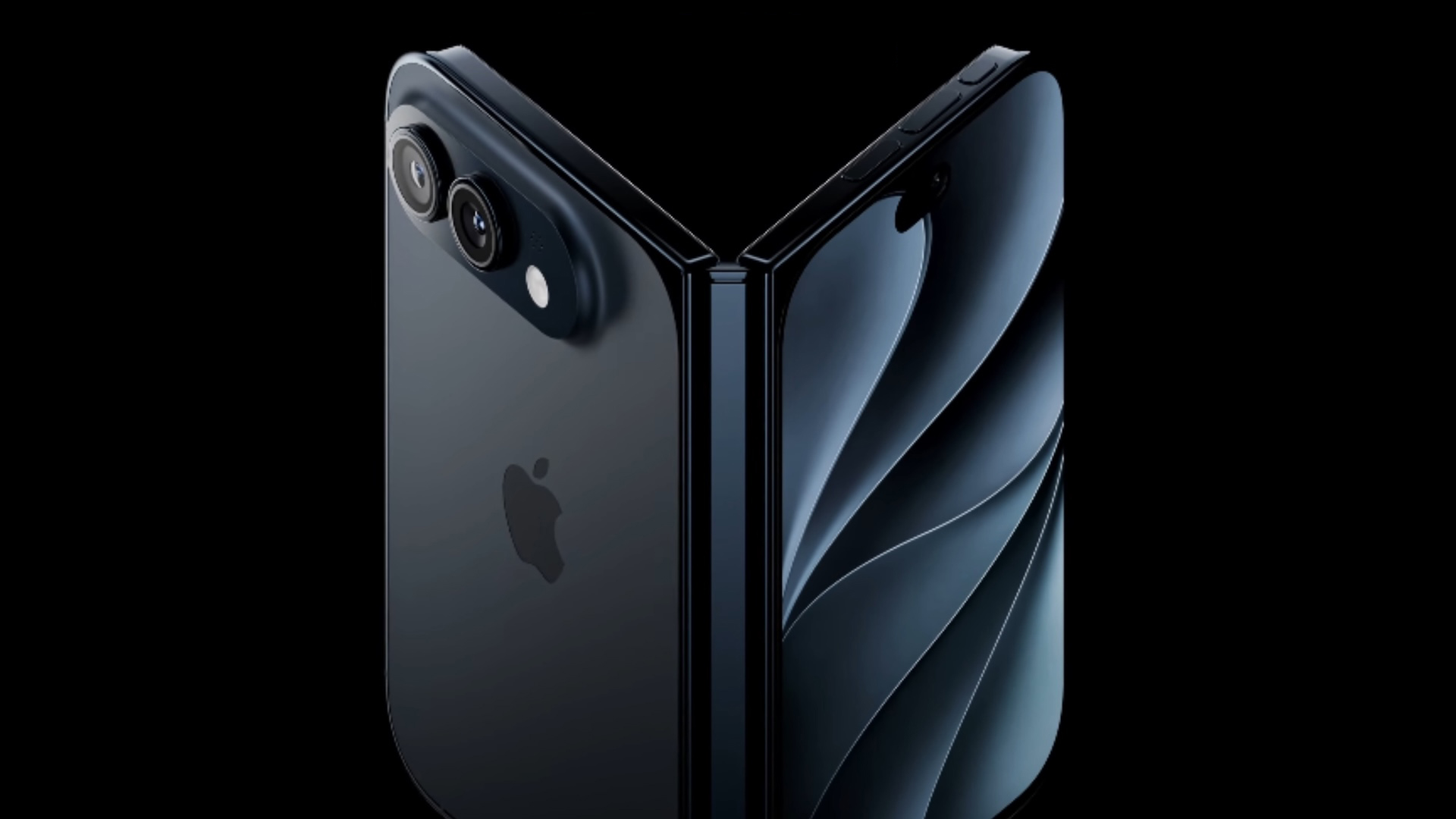
- The Telephoto Omission: Professional photographers and content creators rely heavily on the advanced periscope telephoto lenses found on devices like the iPhone 17 Pro Max. Reports indicate that fitting complex multi-lens camera modules into the ultra-slim chassis of a folding phone proved too mechanically challenging for this first-generation release. Consequently, the folding iPhone will likely lack optical zoom parity.
- The Biometric Regression: In a surprise move, rumors suggest the device may bypass Face ID in favor of Touch ID integration (likely embedded in the side power button). While Touch ID remains popular for specific use cases, omitting Apple’s industry-standard facial recognition on a ultra-premium flagship feels like a step backward.
Industry Analysis and Official Perspectives
While Apple has maintained its customary corporate silence regarding unreleased products, industry analysts have been vocal about the strategic implications of a £2,000 folding iPhone.
Mark Gurman of Bloomberg highlighted the psychological profile of the target consumer during his recent newsletter breakdown:
"People who have tried the Apple model like how it fits in a pocket, the feel and durability of the advanced hinge mechanism, and the new iPad-like app layouts that take advantage of the larger internal display."
However, Gurman was quick to sound the alarm regarding the missing camera hardware, noting that the demographic willing to pay top dollar for cutting-edge early adoption heavily overlaps with consumers demanding the absolute best in mobile photography:
"The venn diagram of people who are willing to spend £2k to become an early adopter and people who want the latest and greatest camera tech is pretty close to a circle."
Competitor metrics also frame this launch. Samsung and Huawei have had years to refine their foldable software ecosystems and hardware durability. While Apple’s build quality and brand equity will undoubtedly draw massive crowds to retail stores, the lack of a pro-grade camera suite leaves an opening for rivals to capture the creator market.
Future Outlook: The Creative Dilemma Ahead
As the launch window approaches, creative professionals, digital artists, and lifestyle tech enthusiasts face a complex purchasing dilemma.
The folding iPhone offers a brilliantly pocketable canvas for digital sketching, media consumption, and multitasking. For graphic designers and writers on the move, the ability to unfold a compact phone into an iPad mini-sized workspace is undeniably alluring.
However, prospective buyers must weigh whether form factor innovation outweighs raw utilitarian performance. If supreme camera versatility, optical zoom, and Face ID are non-negotiable requirements for your workflow, traditional flagships—such as the upcoming iPhone 18 Pro Max—may prove to be the more sensible, and likely more affordable, investment.
Ultimately, the iPhone Ultra represents a watershed moment for Apple. Whether it marks the triumphant return of true Apple innovation or serves as an expensive cautionary tale of first-generation hardware compromises will soon be decided by the consumers themselves. One thing is certain: the conversation around mobile design will never be the same.