Executive Overview
In the high-stakes, multi-billion-dollar ecosystem of modern prestige television, the boundary between glamorous stardom and grueling physical labor is frequently blurred. Yet, few actors possess the cultural capital, institutional respect, and sheer fearlessness required to pull back the curtain quite like Jessica Lange. During a recent, highly anticipated panel discussion at PaleyFest alongside longtime co-star Sarah Paulson, the legendary Oscar-, Emmy-, and Tony-winning actress delivered a characteristically unfiltered critique of the network behind her career-defining television renaissance: FX.
Lange, whose titanic performances anchored the foundational years of Ryan Murphy’s horror anthology juggernaut American Horror Story, did not mince words when recalling the grueling production realities of the show’s earlier seasons. Specifically, she pointed to the filming of the franchise’s beloved third installment, AHS: Coven, set and shot on location in the historic, atmospheric depths of New Orleans, Louisiana. Amid nostalgic reflections and industry anecdotes, Lange revealed that FX was, in her memorable phrasing, "too fucking cheap" to provide secure transportation for its lead actors during overnight shoots.
Instead of being chauffeured back to their accommodations after grueling 16-hour days that stretched into the early morning hours, Lange and her fellow cast members were left to fend for themselves. The screen icon vividly recounted driving her own vehicle through empty, labyrinthine streets at 4:00 or 5:00 in the morning, parking blindly in the French Quarter, and navigating the shadowy urban landscape alone to find her way home.
The revelation—met with knowing laughter and vocal approval from Paulson on stage—has quickly spiraled into a broader conversation regarding the treatment of below-the-line and above-the-line talent alike during the boom years of cable television production. It underscores a persistent friction between visionary artistic creation and corporate cost-cutting measures.
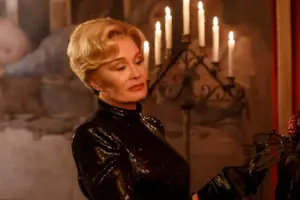
Yet, this moment of candid industry critique arrives at a fascinating cultural juncture. Lange, who officially stepped away from the Ryan Murphy universe following 2018’s AHS: Apocalypse, has made a triumphant, highly publicized return to the franchise for its milestone thirteenth season, American Horror Story: 13. Her comeback is not merely a routine cameo or a brief nostalgia-baiting appearance; it is a grand-scale retrospective performance that sees Lange simultaneously resurrecting four of her most iconic television characters—Constance Langdon, Sister Jude Martin, Cordelia Goode, and Elsa Mars—alongside a tightly guarded fifth mystery role.
This comprehensive report examines the anatomy of Lange’s PaleyFest remarks, contextualizes the grueling physical realities of shooting American Horror Story on location, explores the strategic negotiations that led to her monumental franchise return, and analyzes the evolving landscape of actor welfare in the golden age of peak TV.
Detailed Chronology: From New Orleans Nights to PaleyFest Revelations
The Shadows of Coven: Production Realities in the Crescent City
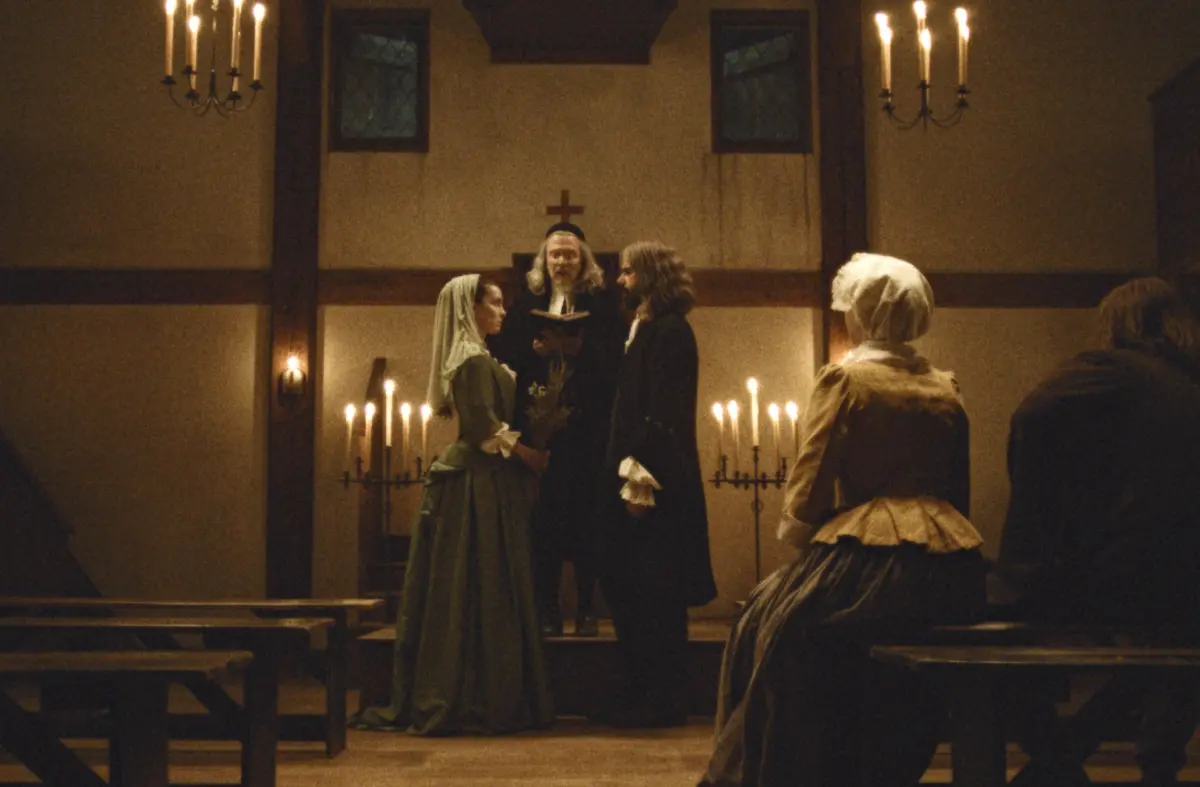
To fully understand the weight of Jessica Lange’s recent remarks, one must look back to the production of American Horror Story: Season 3, subtitled Coven, which aired between October 2013 and January 2014. Moving the production base from the eerie, studio-bound confines of Los Angeles to the sultry, gothic backdrop of New Orleans infused the series with an authentic, tangible sense of occult dread and historical weight. The city—with its above-ground cemeteries, weathered antebellum mansions, and winding, fog-drenched alleyways—proved to be an ideal canvas for Murphy’s brand of Grand Guignol horror.
However, the romanticism of shooting on location in the French Quarter often clashed violently with the grueling logistical realities of television production. Night shoots are a staple of the horror genre, essential for capturing the oppressive, moonlit atmosphere required to sell supernatural narratives. For Lange, who carried the psychological and narrative weight of Coven as Supreme witch Fiona Goode, these shoots routinely extended well past midnight and deep into the pre-dawn hours.
It was during these grueling nocturnal schedules that the logistical friction between the production’s stars and the network’s budget occurred. In standard industry practice for major cable dramas featuring A-list, award-winning talent, production companies routinely supply dedicated studio-provided transportation—typically vetted drivers and secure vehicles—to safely transit actors between remote sets, base camps, and their private residences. This protocol is designed not merely as a luxury perk, but as a crucial security and fatigue-mitigation measure. Exhausted performers navigating unfamiliar cities at sunrise face significant risks, ranging from vehicular accidents to unwanted public entanglements.
According to Lange, FX bypassed this standard safeguard during the Louisiana-based shoot. During the PaleyFest panel, Lange brought up the memory with a palpable sense of lingering disbelief, noting that it remains "still a bone of contention for her."
"We had to drive ourselves," Lange told the packed house, painting a stark picture of her post-wrap routine. "We would drive ourselves home at like 4 or 5 in the morning, park on some street in the French Quarter, and find our way home."
Sarah Paulson’s Reaction and the Industry-Wide Subtext
Seated directly beside her, fellow AHS veteran Sarah Paulson did not attempt to smooth over or soften the critique. Instead, Paulson burst into knowing laughter, publicly validating Lange’s assertions and signaling that such infrastructural stinginess was an open, if rarely discussed, secret among the show’s core repertory players.
The dynamic between Lange and Paulson on that PaleyFest stage encapsulates the unique institutional memory of the American Horror Story universe. While Murphy has built a sprawling television empire utilizing a recurring stable of actors—often referred to affectionately as the "Ryan Murphy Ryan-Renaissance repertory company"—the working conditions under which these foundational seasons were forged varied wildly as the show transformed from an untested cable gamble into a runaway international phenomenon.
Lange’s blunt assessment—labeling the network "too fucking cheap" to spring for basic transport security—highlights a systemic tension in early-2010s cable television. At the time, networks were aggressively attempting to maximize profit margins on cable hits by tightening budgets on below-the-line and logistical support, even as the shows themselves commanded massive cultural footprints and premium advertising rates.
Supporting Context & Metrics: The Lange Era and the Rise of AHS
Pillars of a Cultural Phenomenon
To evaluate why Lange’s grievances carry such cultural weight, one must examine her foundational role in establishing American Horror Story as a definitive text of 21st-century television. When Ryan Murphy and Brad Falchuk pitched the anthology concept to FX in 2011, the format was considered a massive gamble. The notion of a narrative series resetting its entire premise, setting, and character roster every single season had rarely been attempted with prestige-level budgets on basic cable.
Lange’s participation served as the critical anchor that lent the enterprise immediate artistic credibility. Having already secured two Academy Awards (Tootsie, Blue Sky), five Golden Globes, and a stature akin to cinematic royalty, her transition into television was heralded as a major coup for the fledgling FX network.
Over the first four consecutive seasons, Lange delivered masterclasses in character acting, constructing a quartet of monstrous, tragic, and utterly unforgettable matriarchs:
- Constance Langdon (Murder House, Season 1): The manipulative, deeply complex, and tragedy-haunted neighbor whose dark secrets anchored the inaugural season. Lange earned her first Primetime Emmy Award for Outstanding Supporting Actress in a Miniseries or Movie for the role.
- Sister Jude Martin (Asylum, Season 2): A rigid, deeply repressed, yet ultimately heroic nun running the Briarcliff Manor institution. This performance showcased Lange’s ability to navigate profound moral decay and eventual spiritual redemption.
- Fiona Goode (Coven, Season 3): The vain, terrifyingly powerful, and cancer-stricken Supreme witch whose desperate quest for eternal youth drove the narrative engine of the New Orleans-set season. Lange earned her second Emmy for the role.
- Elsa Mars (Freak Show, Season 4): The ambitious, German expatriate manager of a struggling Jupiter, Florida cabinet of curiosities, whose yearning for stardom proved to be her undoing. The role allowed Lange to flex her musical and dramatic muscles, capping off her initial four-year run on the series.
These performances did not merely entertain audiences; they redefined the boundaries of horror on television, proving that genre fiction could attract elite cinematic talent and command major awards-season consideration.
The Long Hiatus and the Strategic Return for Season 13
Following her departure after Freak Show (though she made a brief, highly celebrated return as Constance Langdon in the Season 8 crossover AHS: Apocalypse), Lange stepped away from the franchise for nearly a decade, focusing on theater, select film projects, and enjoying her well-earned status as a living legend.
Fans and industry analysts alike frequently speculated whether Lange would ever permanently reunite with Ryan Murphy. The answer arrived with the announcement of American Horror Story: Season 13, a landmark anniversary season designed to celebrate the rich history of the franchise.
Speaking extensively on media junkets leading up to the premiere—including appearances on Good Morning America and Live With Kelly and Mark—Lange revealed that her return was predicated entirely on a singular, audacious creative demand: the chance to resurrect her historic gallery of characters all at once.
"First, [Ryan Murphy] talked to me about playing [Season 1’s] Constance, which I think was his favorite character that I did," Lange explained during her appearance on Live With Kelly and Mark. "But I said I’ll come back if I can do all four characters."
In AHS: 13, Lange achieves this unprecedented feat, seamlessly stepping back into the shoes of Constance Langdon, Sister Jude Martin, Cordelia Goode, and Elsa Mars, alongside a closely guarded fifth mystery character. This narrative conceit transforms the new season into a meta-textual celebration of Lange’s indelible contribution to the horror genre, effectively bridging the gap between the show’s gritty, low-budget origins and its current status as a corporate-backed television institution.
Official Statements and Industry Reactions
As expected, Lange’s unvarnished remarks at PaleyFest sent immediate ripples through the entertainment media ecosystem, generating extensive coverage across outlets such as Variety, Entertainment Weekly, and industry trades. While representatives for FX and network parent company Disney have thus far declined to issue a formal, on-the-record corporate statement regarding the logistics of the 2013 Coven shoot, anonymous production insiders have offered mixed perspectives on the realities of location-based television scheduling from that era.
Several veteran line producers who worked on major basic cable productions during the early 2010s noted that while basic driver pools were standard for Los Angeles-based shoots, regional remote productions often relied on decentralized transportation models, particularly when multiple unit shoots fractured the availability of dedicated vehicle fleets. However, these same sources conceded that expecting an A-list lead actress carrying a multimillion-dollar series to independently navigate the French Quarter at dawn represented an unacceptable oversight in talent management and risk mitigation.
The reaction from the creative community, meanwhile, has been overwhelmingly supportive of Lange’s candor. Social media platforms and fan forums lit up with praise for the actress’s refusal to sanitize her memories for corporate PR purposes. For an industry frequently dominated by heavily scripted promotional talking points and obligatory expressions of gratitude, Lange’s willingness to air a decade-old grievance with blunt, profanity-laced humor served as a refreshing reminder of her uncompromising autonomy.
Future Outlook: A New Standard for Prestige Television
Jessica Lange’s critique of FX’s historical budgeting practices arrives at a critical historical moment for the television industry. As studios and streaming platforms grapple with escalating production costs, tightening budgets, and increased scrutiny regarding labor conditions and talent welfare, the physical and psychological well-being of performers has moved to the forefront of industry discourse.
The modern prestige television landscape—governed by robust union contracts (such as those negotiated by SAG-AFTRA), heightened safety protocols implemented in the wake of high-profile on-set tragedies, and a cultural zero-tolerance policy for preventable negligence—makes the scenario Lange described during the filming of Coven increasingly unthinkable today. Modern A-list talent working on location in cities like New Orleans, Atlanta, or New York routinely demand—and receive—comprehensive, round-the-clock security and transportation infrastructure as non-negotiable elements of their master agreements.
Furthermore, Lange’s triumphant return in American Horror Story: 13 demonstrates that time heals artistic divides, even if corporate grievances linger. By leveraging her legendary status to dictate the terms of her comeback—demanding the multi-character showcase that anchors the current season—Lange has proven that true creative power ultimately rests with the artists who breathe life into the material.
As American Horror Story: 13 continues to captivate audiences and dominate ratings charts, Lange’s dual role as both the crown jewel of the franchise and its most fearsome internal critic cements her legacy. She remains an artist who commands absolute respect on the screen, demands accountability behind the scenes, and refuses to let corporate memory wash away the hard-fought realities of the trenches where modern television history was forged.