Executive Overview
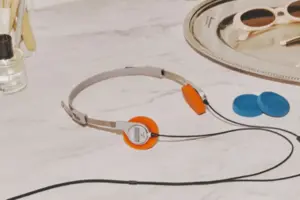
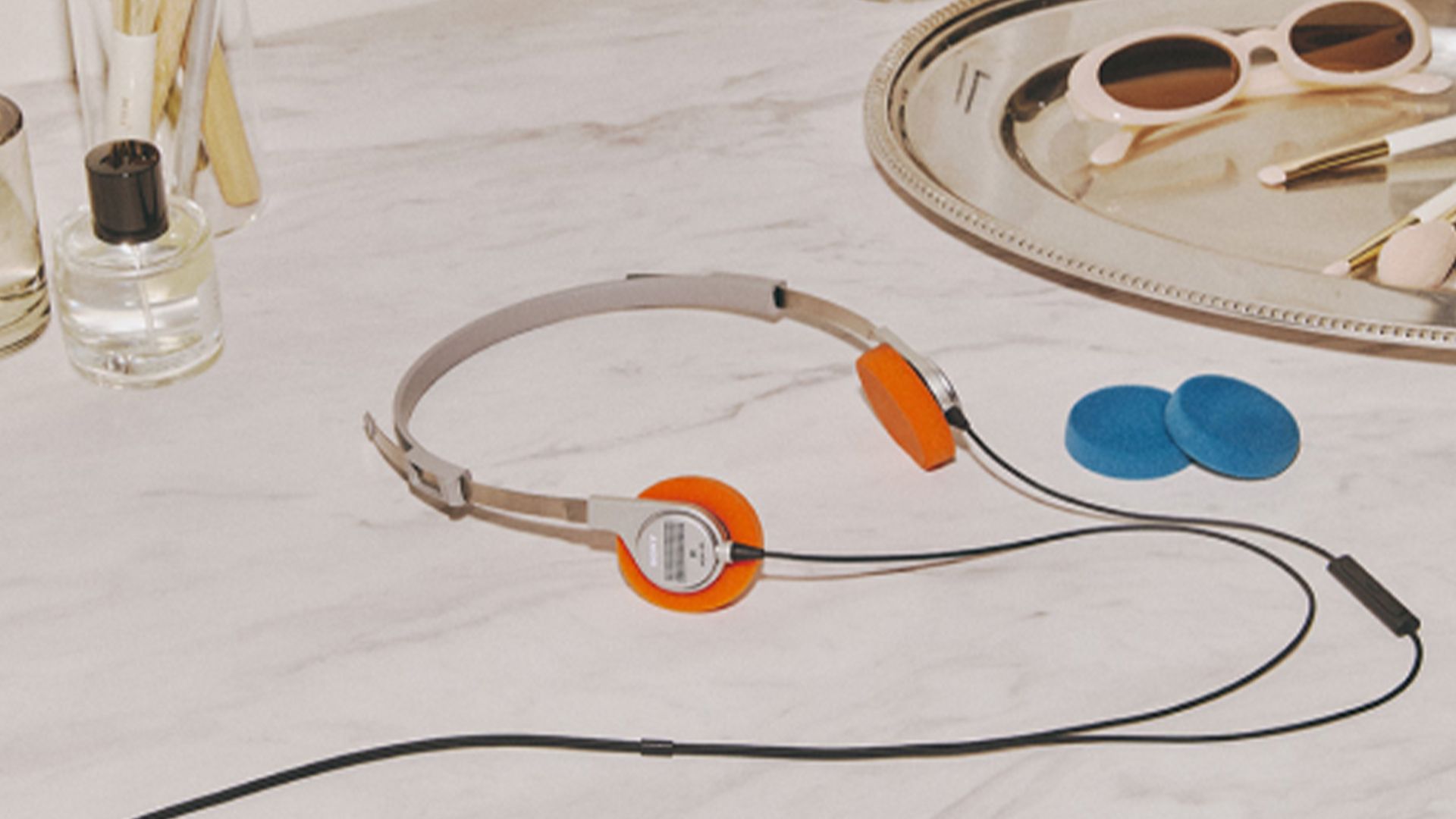
In a move that bridges decades of audio heritage with modern utility, Sony has officially reintroduced one of the most iconic pieces of consumer technology design from the 1980s: the legendary MDR-series headphones. Originally designed as the ultimate companion to the revolutionary Sony Walkman, the aesthetic blueprint of these lightweight, foam-padded cans defined an era of portable personal audio. Now, decades after they faded from mainstream production, Sony has reimagined this cult classic for the modern digital consumer, releasing the new MDR-3R USB-C wired headphones at an accessible price point of £49.
The launch arrives at a fascinating cultural and technological crossroads. After nearly a decade dominated by the convenience of true wireless earbuds, Bluetooth connectivity, and active noise cancellation, the consumer market has executed a sharp, highly visible pivot back to wired audio. Gen Z and millennial tastemakers alike are trading pristine wireless ecosystems for the tactile nostalgia, zero-latency performance, and analog aesthetic of wired headphones.
Unsurprisingly, this modern retro revival caught fire immediately. The initial batch of Sony MDR-3R headphones has completely sold out across major retail channels, leaving prospective buyers scrambling for alternative "dupes" and driving secondary-market chatter to a fever pitch. This article provides a comprehensive look at the return of the MDR-3, analyzing the cultural resurgence of wired headphones, the integration of USB-C connectivity into retro design, and what this unexpected release signifies for the future of personal tech design.
Detailed Chronology: From the Walkman Revolution to the USB-C Era
To understand the magnitude of the MDR-3’s return, one must trace the timeline of portable audio from its mechanical infancy to the hyper-connected, digital-first present.
1979–1985: The Birth of Personal Stereo and the MDR Legacy
When Sony introduced the TPS-L2 Walkman in 1979, it fundamentally changed how humanity consumed music. Music was no longer trapped inside a living room hi-fi system or a car stereo; it was mobile, intimate, and entirely personal. However, the heavy, cumbersome headphones of the 1970s were poorly suited for portability.
Enter Sony’s MDR (Micro Dynamic Receiver) technology. Released in the early 1980s, the original MDR-3 headphones were a masterclass in minimalist industrial engineering. Characterized by featherlight headbands, perforated foam earpads, and exposed metal sliders, they prioritized comfort and portability without sacrificing high-frequency clarity. They quickly became ubiquitous global symbols of urban youth culture, appearing in films, fashion magazines, and on the streets of every major city.
2010s: The Wireless Takeoff and the Death of the Headphone Jack
Fast-forward through three decades of technological iteration, and the landscape of personal audio shifted dramatically. The rise of smartphones in the late 2000s and 2010s gradually eliminated the traditional 3.5mm headphone jack—a controversial design choice spearheaded by Apple with the iPhone 7 in 2016. This catalyzed a massive boom in Bluetooth earbuds and wireless over-ear headphones. Consumers traded the friction of tangled cords for the seamless convenience of untethered listening, and wired headphones were summarily relegated to the realm of audiophiles, studio professionals, and budget-conscious shoppers.
2023–2024: The Wired Renaissance and the Return of Tactile Nostalgia
By the mid-2020s, a distinct cultural backlash began to brew. Fueled by TikTok aesthetics, a generalized fatigue with hyper-digitized convenience, and a collective yearning for the tangible past, retro tech experienced an unprecedented renaissance. Walkman cassettes, vintage point-and-shoot cameras, and wired headphones transformed from obsolete relics into high-fashion accessories.
Recognizing this cultural wave, Sony chose to resurrect its classic design language, bridging the gap between historical nostalgia and modern connectivity by equipping the new MDR-3R iteration with a direct USB-C connection, acknowledging the modern smartphone and laptop landscape while keeping the iconic silhouette entirely intact.
Supporting Context & Metrics: The Economics of the Wired Comeback
The instant sell-out of the £49 Sony MDR-3R is not an isolated retail anomaly; it is part of a broader, quantifiable market trend favoring physical, low-latency, and cost-effective audio solutions.
The Numbers Behind the Wired Boom
Market research data from major consumer tech trackers reveals intriguing shifts in headphone purchasing habits over the last 24 months:
- Market Share Recovery: While true wireless earbuds still dominate total volume sales, wired headphones have seen a steady year-over-year volume increase of nearly 18% among consumers aged 16 to 25.
- The "Anti-Luxury" Price Sweet Spot: The £30 to £60 price bracket has become the most fiercely contested battleground for lifestyle audio. Consumers are increasingly hesitant to spend hundreds of dollars on premium wireless headphones whose lithium-ion batteries inevitably degrade within three to four years.
- Durability and Sustainability: Unlike complex wireless units packed with batteries, microchips, and firmware that frequently fail, simple wired headphones represent a sustainable, buy-it-for-life ethos that resonates deeply with environmentally conscious younger demographics.
Why USB-C is the Ultimate Bridge
Purists initially debated the inclusion of a USB-C connector on a retro-styled headphone, but consumer adoption patterns prove it was a masterstroke of product engineering. By integrating a USB-C plug (often featuring an internal digital-to-analog converter, or DAC), Sony ensured that the headphones work seamlessly out-of-the-box with modern Android devices, iPads, MacBooks, and modern Windows laptops without requiring clumsy dongles. It preserves the classic look of the 1980s while speaking the native language of 2026 computing hardware.
Official Statements and Industry Perspectives
Although Sony’s launch of the MDR-3R was relatively quiet compared to its flagship noise-canceling WH-1000X series, the product drop has generated significant commentary across design circles and consumer tech publications.
Design historians and industrial designers have lauded the company for resisting the urge to over-engineer the product. In a statement regarding the ongoing retro-tech trend, industrial design analyst Marcus Vance noted:
"We are witnessing a profound psychological pushback against feature bloat. For years, tech companies tried to make every device a computer—adding touch controls, ambient modes, voice assistants, and companion apps. Sometimes, a consumer just wants a speaker membrane next to their ear that plays sound reliably and looks effortlessly cool. Sony’s decision to bring back the exact architectural silhouette of the MDR series validates the timelessness of good design."
Fashion and lifestyle publications have likewise embraced the drop, noting that oversized, foam-cushioned wired headphones have effectively replaced statement jewelry as the go-to commute accessory for urban creatives. The deliberate visibility of the white or black foam pads against contemporary streetwear has cemented the MDR-3R as an essential styling piece.
Future Outlook: What the MDR-3 Revival Means for Personal Audio
As the initial stock of the Sony MDR-3R continues to command inflated prices on secondary resale markets—and as desperate buyers hunt for aesthetic equivalents or "dupes"—the industry is forced to reevaluate its trajectory.
1. A Shift in Product Strategy for Legacy Brands
Sony’s success with this revival proves that heritage brands sitting on massive catalogs of intellectual property have a goldmine of nostalgic goodwill at their fingertips. We can expect other audio giants to dig into their archives, dusting off classic 1970s, 80s, and 90s designs and upgrading their internal components (and connection ports) for contemporary consumers.
2. The Coexistence of Convenience and Authenticity
The future of personal audio is not a zero-sum game between wireless and wired formats. Rather, consumers are curating "audio wardrobes." They use high-end active noise-canceling wireless earbuds for long-haul flights, gym sessions, and hands-free work calls, but they switch to lightweight, wired retro headphones for casual walks, desk work, and stylistic self-expression.
3. Will Production Keep Up with Demand?
With the £49 MDR-3R currently experiencing indefinite backorders, industry watchers are monitoring whether Sony will scale up manufacturing to meet the voracious appetite of retro-tech fans. If consumer enthusiasm remains unchecked, this release may transform from a limited nostalgic experiment into a permanent fixture of Sony’s everyday audio lineup.
For now, if you managed to secure a pair of the new Sony MDR-3R headphones before they vanished from shelves, you are holding a piece of audio history repackaged for the modern age. If you missed out, the burgeoning market of wired, retro-styled alternatives ensures that the sound—and the look—of the 1980s is here to stay.