Executive Overview
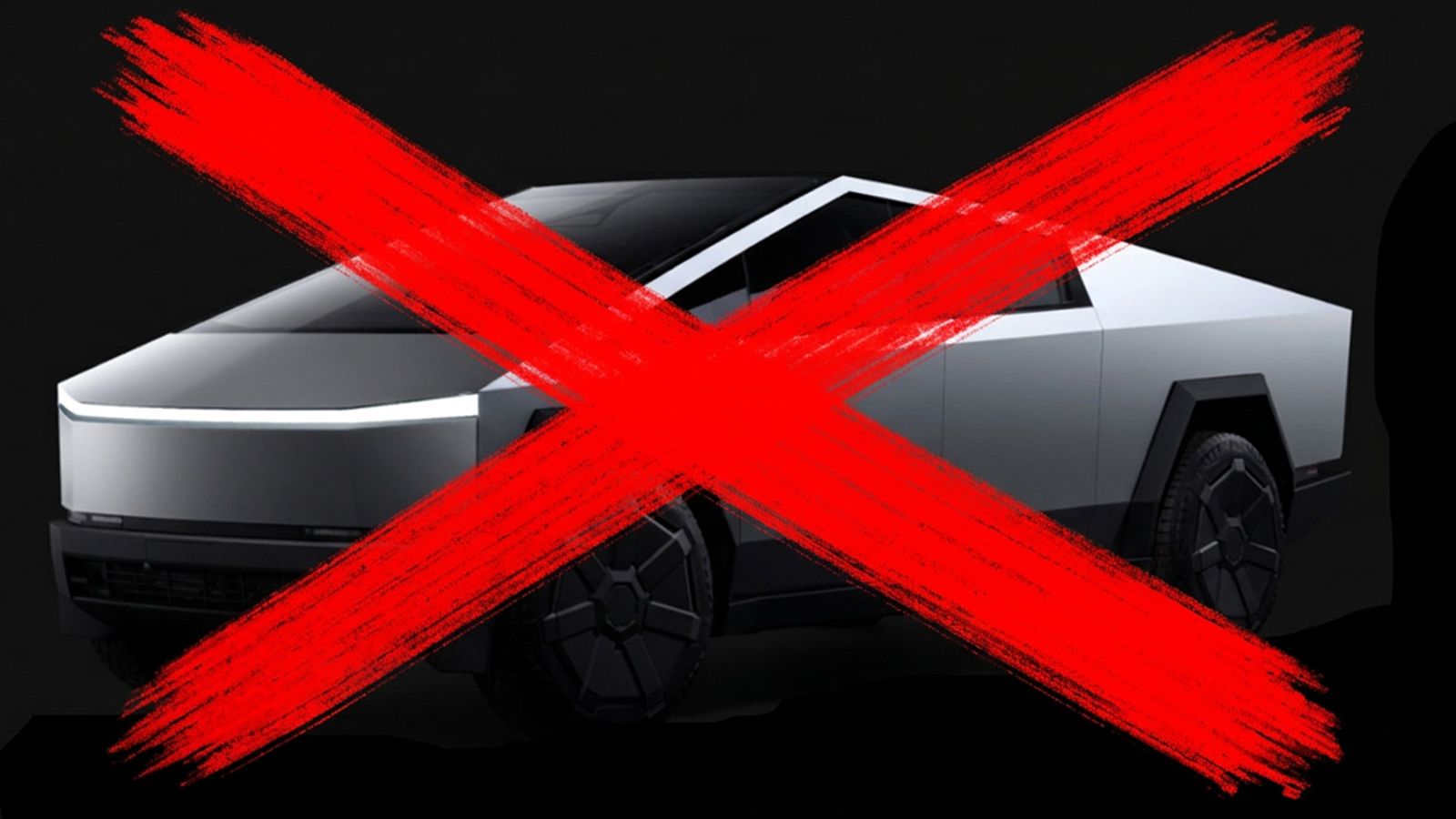
In what marks the closing chapter of one of the most polarizing and unorthodox automotive design experiments in modern history, Tesla is reportedly winding down production of its flagship Cybertruck. Elon Musk has confirmed that manufacturing operations at the company’s Texas Gigafactory will scale back significantly around mid-2027. The primary objective behind this strategic shift is to clear vital floor space and reallocate manufacturing lines for the mass production of the company’s upcoming autonomous vehicle, the Cybercab robotaxi.
Unveiled to the world in late 2019 with a theatrical flourish that immediately captured global attention, the Cybertruck was promised as a revolutionary leap forward in pickup truck engineering and industrial design. Instead, it evolved into a cautionary tale of form overriding function—a low-poly, stainless-steel titan plagued by production delays, escalating price tags, severe engineering flaws, and declining sales figures.
As Tesla pivots its focus toward artificial intelligence, autonomous fleets, and robotics, the impending retirement of the Cybertruck at the only facility currently capable of building its highly specialized components signals the writing on the wall. This comprehensive retrospective examines the rise, the myriad design misadventures, the market realities, and the ultimate legacy of Tesla’s futuristic wedge.
Detailed Chronology: From Sci-Fi Vision to Manufacturing Reality
The 2019 Reveal: A Cyberpunk Spectacle
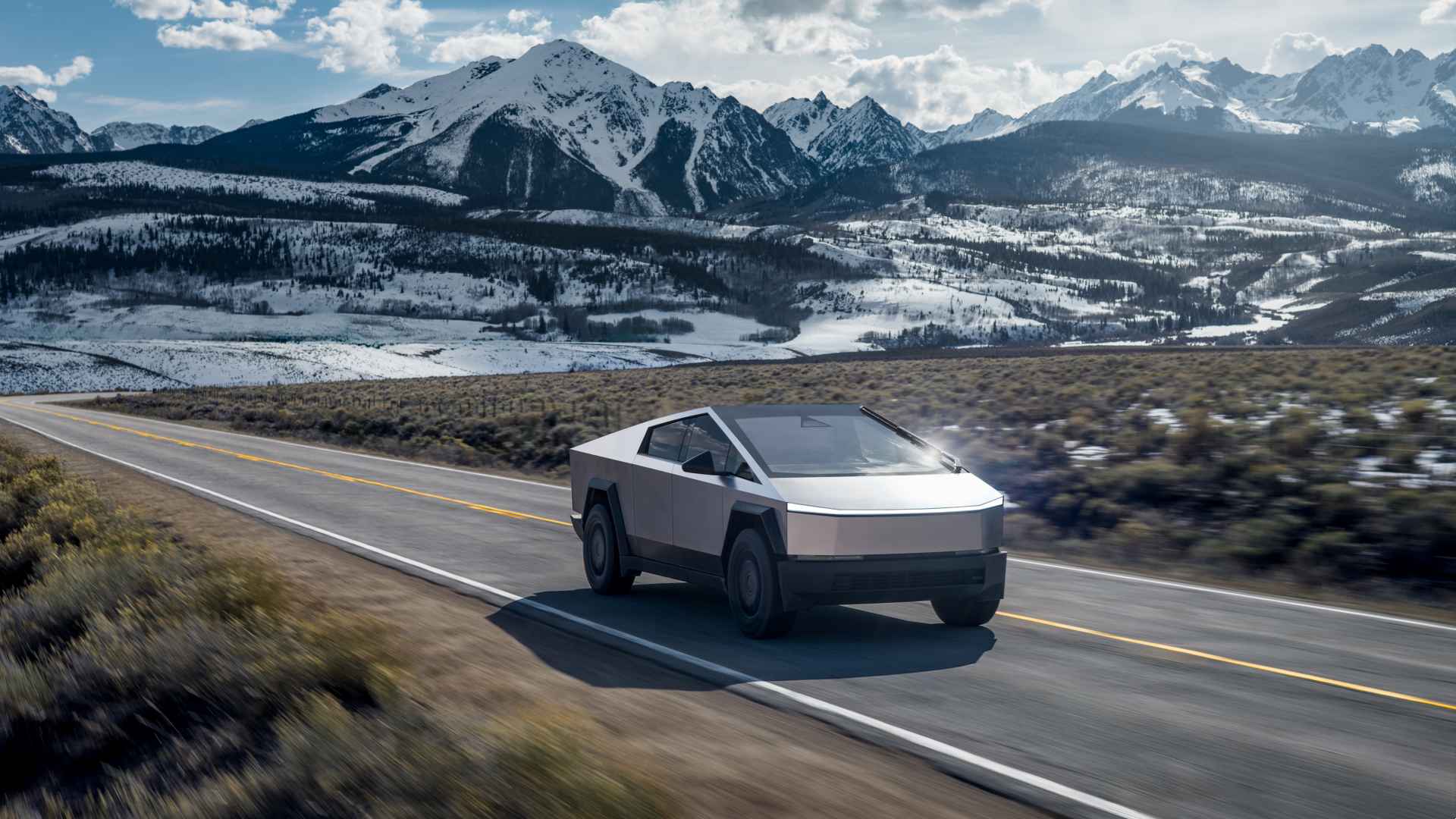
When Elon Musk rolled the Cybertruck onto the stage at the Hawthorne, California design studio in November 2019, the automotive world was left collectively speechless. Dispensing with the conventional, aerodynamic curves of modern trucks, the vehicle looked as though it had been ripped straight from a 1980s dystopian sci-fi film. Its silhouette was defined by flat planes of ultra-hard cold-rolled stainless steel, sharp geometric angles, and an intimidating, monolithic presence.
However, the event immediately established a farcical tone that would dog the vehicle for years. During a live demonstration intended to showcase the truck’s ruggedness, Tesla’s chief designer, Franz von Holzhausen, hurled a heavy metal ball at the supposedly unbreakable "Armor Glass" windows. Both the driver-side and rear windows shattered on impact. Musk’s awkward, expletive-laden recovery on stage became an instant internet meme, foreshadowing a product lifecycle where execution would frequently stumble behind lofty rhetoric.
The Production Purgatory
Following the reveal, prospective buyers faced a grueling wait. Originally slated for production in late 2021, the truck was repeatedly delayed due to the unprecedented engineering challenges posed by its unique materials and geometry. Stamping thick, unpainted stainless steel into razor-sharp creases proved to be an industrial nightmare.
Specs shifted, price points climbed far above the initial promises of a $39,000 base model, and the promised utility features were continuously reevaluated. By the time customer deliveries finally began trickling out in late 2023—four years after its debut—the automotive landscape had shifted dramatically.
The Peak and the Slump
Initial novelty-driven demand among early adopters and tech enthusiasts created a brief spike in visibility. However, reality quickly set in. Musk had once boldly claimed that Tesla would eventually manufacture and sell up to 250,000 Cybertrucks annually.
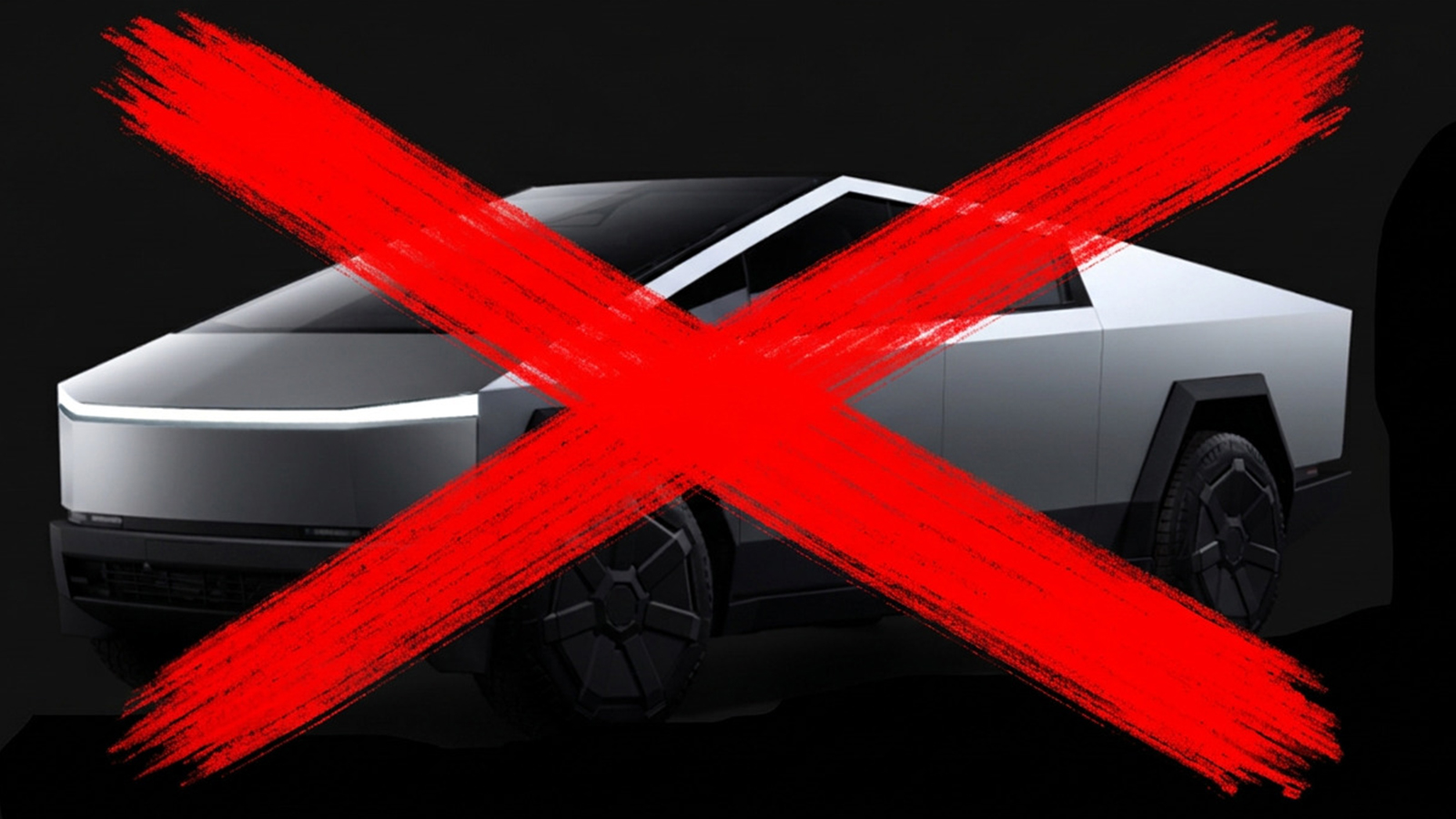
Those ambitious projections collided harshly with market realities. According to Kelley Blue Book data reported by Reuters, Tesla managed to sell just 20,237 Cybertrucks in the United States during 2025. This represented a staggering 48% drop compared to the previous year. The vehicle had effectively saturated its niche market of die-hard brand loyalists and influencers, leaving little organic demand from traditional truck consumers who prioritized practical utility over aesthetic shock value.
Supporting Context & Metrics: Anatomy of a Design Disaster
While the Cybertruck’s polarizing aesthetics were subjective, the vehicle’s engineering and functional missteps were objective, measurable liabilities. Throughout its lifecycle, the truck became a magnet for recalls, mechanical failures, and public relations mishaps.
Structural and Manufacturing Flaws
Good product design must marry visual identity with operational reliability. The Cybertruck repeatedly failed this fundamental test:
- The Shattered Windows & Wiper Woes: Beyond the launch event, the vehicle featured a comically oversized single front windshield wiper that struggled under heavy weather conditions.
- Leaked Engineering Flaws: Internal documents leaked in mid-2023 revealed persistent concerns regarding braking performance, cabin noise, structural rigidity, and water leaks.
- Detaching Body Panels: In an ironic twist for a vehicle styled after an armored military personnel carrier, numerous reports emerged of exterior stainless steel panels coming loose or detaching entirely during highway driving.
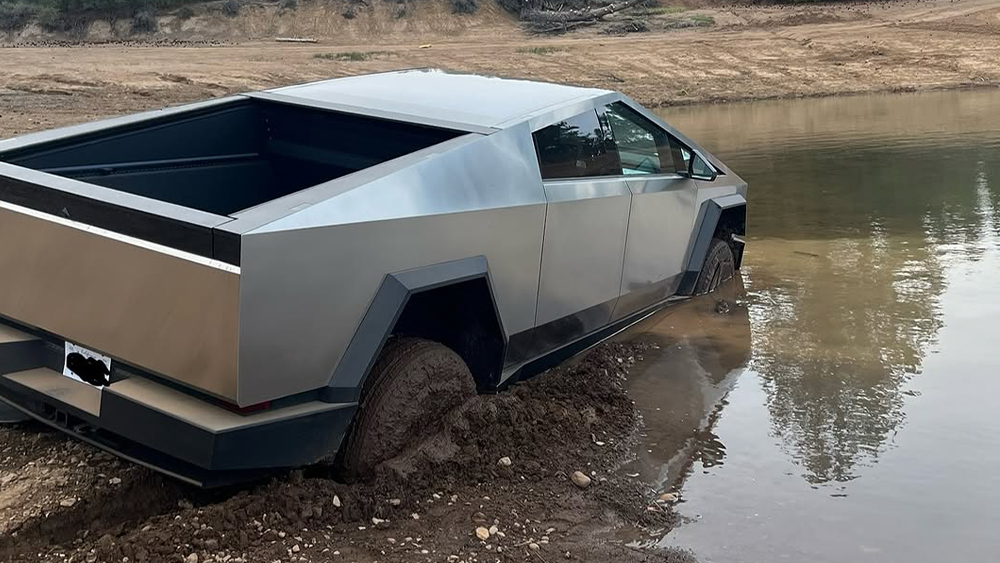
- Off-Road Failures: Despite being marketed as a rugged all-terrain utility vehicle, viral videos regularly documented Cybertrucks getting stuck in mild off-road conditions, mud, and shallow water—highlighting a heavy curb weight and inadequate suspension tuning for genuine utility work.
Regulatory and Safety Roadblocks
The Cybertruck’s extreme geometric rigidity and heavy stainless-steel body panels presented an insurmountable barrier for international expansion. European and international automotive regulators immediately flagged the vehicle for failing to meet basic pedestrian safety standards. The rigid exterior lacked the crumple zones designed to protect pedestrians and cyclists in the event of a collision, effectively confining the vehicle almost exclusively to the North American market.
Branding and Ergonomic Missteps
The branding strategy leaned heavily into aggressive, maximalist cyberpunk tropes. From questionable typography to a poorly received logo, the identity screamed for attention. Furthermore, high-profile recalls—most notably the accelerator pedal issue that could become trapped under the interior trim—forced emergency software updates and hardware fixes, turning safety into a moving target.
Official Statements and Industry Response
Tesla’s official stance on the winding down of the Texas Gigafactory’s Cybertruck lines underscores a calculated corporate pivot. With the vehicle’s production footprint restricted to Austin—the only facility tooled to handle the complex machinery required for its exoskeleton and stainless-steel panels—repurposing the factory floor represents a definitive reallocation of capital.
Industry analysts have noted that the decision reflects a broader pragmatic streak within Tesla leadership. Faced with razor-thin margins on a low-volume, high-complexity halo vehicle, the company is opting to deploy its manufacturing capacity toward products with higher scalability and clearer profit margins.
Automotive design critics have offered mixed eulogies for the vehicle. While many praised Tesla for having the audacity to break away from the homogenous, wind-tunnel-tested shapes dominating modern SUV and truck markets, most agree that the execution sacrificed basic ergonomics, manufacturing feasibility, and consumer safety on the altar of shock value.
Future Outlook: Entering the Cybercab Era
As the sun sets on the Cybertruck era, Tesla is aggressively shifting its organizational focus toward autonomous transportation, artificial intelligence, and robotics. The primary beneficiary of the Texas Gigafactory’s retooling will be the Cybercab—Tesla’s proposed two-seat, steering-wheel-free autonomous taxi.
However, industry observers have pointed out cautionary parallels. Early concept rollouts of the Cybercab have already faced scrutiny over minor design oversights and ergonomic questions, suggesting that the institutional lessons of the Cybertruck—namely, that futuristic styling should not compromise fundamental usability—may not have fully taken root within Tesla’s design studios.
What Lies Ahead
- Mid-2027 Production Shift: The designated timeline for phasing out Cybertruck manufacturing in Austin to make way for Cybercab assembly lines.
- Support and Parts Longevity: Tesla will face ongoing obligations to supply replacement parts, software updates, and maintenance support for the tens of thousands of Cybertrucks currently on the road, turning the vehicle into a rare, collectible oddity.
- A Shift in Corporate Philosophy: The departure of the Cybertruck marks a symbolic transition away from eccentric consumer hardware experiments and toward software-driven, utility-focused autonomous fleets.
Ultimately, the Cybertruck will be remembered as a monumental design anomaly—a rolling monument to unbridled ambition that challenged our notions of what a vehicle could look like, even if it ultimately proved that some futures are better left on the drawing board.