Executive Overview
The wearable technology landscape has long been defined by a stark dichotomy: on one end, minimalist fitness bands that quietly count steps, monitor sleep, and offer weeks of battery life; on the other, power-hungry, full-featured smartwatches that function essentially as wrist-mounted extensions of our smartphones. For years, consumers have been forced to choose between the unobtrusive simplicity of a basic band and the feature-rich complexity (and higher price tag) of a modern smartwatch.
With the introduction of the Fitbit Edge, Google is actively seeking to bridge this divide. Positioned strategically as a sophisticated middle ground, the Fitbit Edge arrives with a premium aluminum chassis, a wider AMOLED display, standalone GPS capabilities, advanced cardiovascular sensors, and a polished aesthetic designed for both the gym floor and the boardroom.
However, its release naturally invites a compelling comparison with Google’s existing budget-friendly offering, the Fitbit Inspire 3. Retailing at $99.95, the Inspire 3 has established itself as a reliable, highly efficient companion for casual health tracking. The new Fitbit Edge, by contrast, commands a significantly higher price tag of $180—scaling up to $220 for the special-edition Steph Curry colorway.
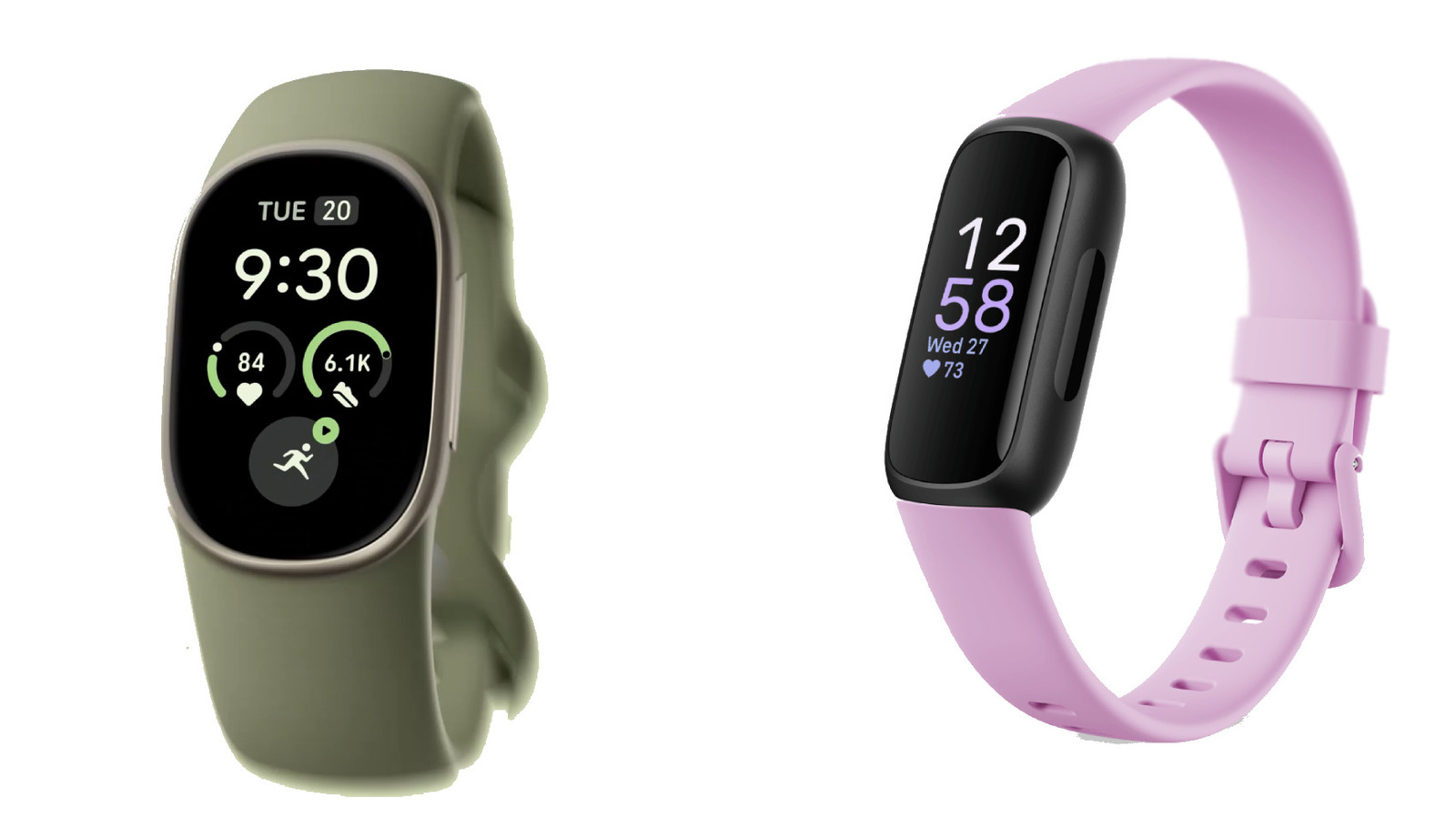
This comprehensive analysis examines how the newly unveiled Fitbit Edge stacks up against the tried-and-true Fitbit Inspire 3. By dissecting their hardware architecture, design language, fitness tracking depth, health sensor capabilities, and everyday utility, we aim to determine whether the Edge’s substantial price premium represents a worthwhile investment for consumers seeking the ultimate balance between a fitness tracker and a smartwatch.
Detailed Chronology: The Trajectory of Google’s Fitness Ecosystem
To fully understand the positioning of the Fitbit Edge, one must first trace the recent evolutionary timeline of Google’s wearable strategy. Following its formal acquisition of Fitbit, Google faced the challenge of harmonizing its high-end Pixel Watch lineup with the deeply loyal, historically health-focused Fitbit user base.
The Foundational Success of the Inspire Series
For generations, fitness enthusiasts seeking an affordable, distraction-free tracker looked to devices like the Fitbit Inspire 3. Released to widespread acclaim for its extraordinary battery efficiency and reliable health metrics, the Inspire 3 proved that consumers did not necessarily need a glowing, power-hungry screen to achieve their wellness goals. It relied on a lightweight plastic form factor, an optical heart rate sensor, and essential sleep and activity tracking metrics. Yet, as consumer expectations evolved, limitations became apparent: the absence of a built-in GPS meant users were perpetually tethered to their smartphones during outdoor workouts, and its software ecosystem lacked modern smartwatch conveniences like quick replies, music controls, and advanced mapping integrations.
The Inception and Reveal of the Fitbit Edge
Recognizing a widening gap between entry-level bands and premium smartwatches, Google’s hardware division developed the Fitbit Edge. Conceived as a direct response to users who desired the sophisticated health metrics and sleek aesthetics of a premium watch without the battery anxiety and notification overload of devices like the Pixel Watch, the Edge represents a deliberate pivot in Google’s product roadmap.
Upon its official unveiling, the Fitbit Edge immediately generated industry buzz for several reasons:
- Material Upgrades: Transitioning away from the traditional plastic housing of the Inspire series, the Edge introduced a 100 percent recycled aluminum case.
- Autonomous Connectivity: Integrating standalone GPS and Bluetooth 5.4, the device liberated users from needing a smartphone for outdoor routing and local audio playback.
- Advanced Diagnostics: Moving past standard activity tracking, the Edge debuted professional-grade metrics such as an ECG app with AFib detection, cardio load analytics, and skin temperature variations.
This trajectory underscores Google’s ambition to capture the "middle-ground" consumer—someone who values deep health insights and modern connectivity but prefers a lightweight, streamlined footprint over a bulky timepiece.
Supporting Context & Metrics: Hardware, Design, and Engineering Comparisons
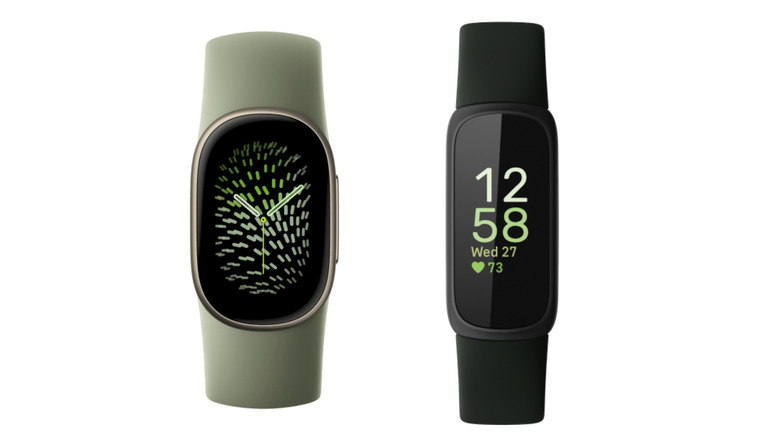
A direct side-by-side evaluation of the Fitbit Edge and the Fitbit Inspire 3 reveals stark contrasts in engineering philosophy, aesthetic execution, and day-to-day usability.
Design, Display, and Build Quality
At first glance, both wearables share a fundamental design language centered around vibrant AMOLED touchscreens. However, the physical implementation diverges significantly:
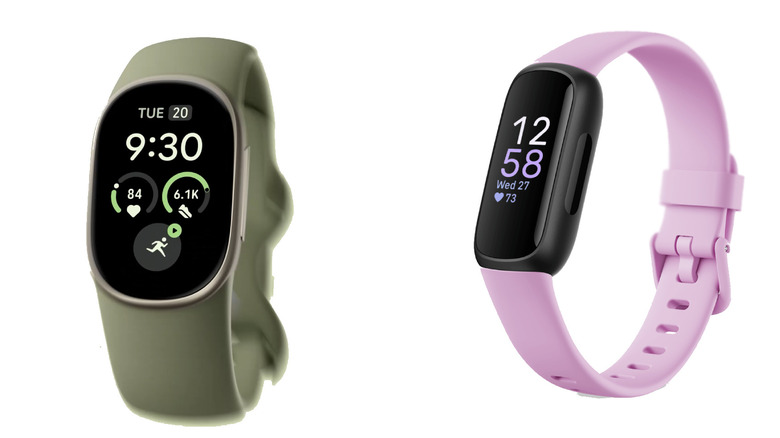
- Dimensions and Footprint: The Fitbit Edge measures 39.2 x 25.5 x 11.5mm, while the Fitbit Inspire 3 comes in at a nearly identical vertical and depth profile of 39.32 x 18.6 x 11.75mm. Despite similar overall dimensions, the Edge features a display that is 6.9mm (0.27 inches) wider than its sibling, maximizing screen real estate for notifications, maps, and workout metrics.
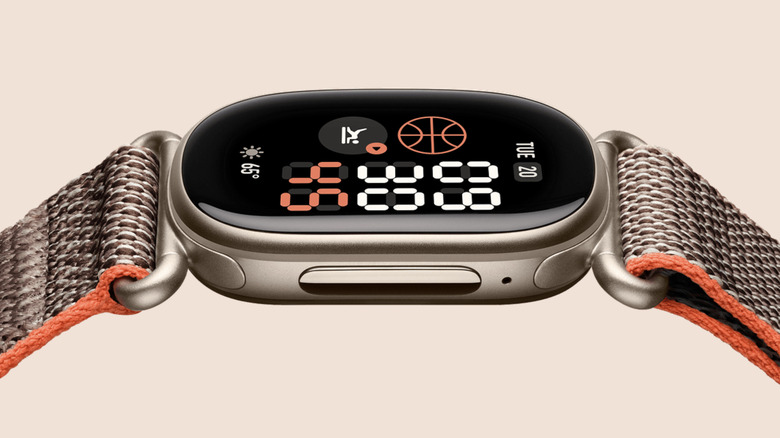
- Materials and Aesthetics: The Fitbit Inspire 3 utilizes a utilitarian, rectangular plastic case. While lightweight, it undeniably projects an athletic, casual aesthetic. Conversely, the Fitbit Edge elevates its presentation with a 100 percent recycled aluminum case and a more tactile, responsive physical side button. This combination grants the Edge a professional finish, allowing it to transition seamlessly from a high-intensity running session to professional attire.
- Colorways and Pricing Tiers: The Fitbit Inspire 3 is available in three stock color profiles (pink, orange, and black) at a retail price of $99.95. The Fitbit Edge launches with four standard stock color options—olive green, black, white, and coral peach—priced at $180. For consumers seeking a distinct personal statement, Google has also partnered with NBA star Steph Curry to release an exclusive pale gold aluminum case paired with a braided fabric strap, retailing at a premium of $220 ($40 above the base Edge model).
Connectivity and Smart Features: Cutting the Cord
Perhaps the most transformative engineering upgrade in the Fitbit Edge is its robust connectivity suite, which directly addresses the primary limitations of the Inspire line.
- Built-In GPS: The Inspire 3 relies entirely on connected GPS, meaning users must bring their smartphones along on runs or bike rides to accurately map their routes. The Fitbit Edge integrates an independent, standalone GPS system that Google claims delivers a 40 percent increase in tracking accuracy. Runners and cyclists can finally leave their phones at home without sacrificing route mapping.
- Audio and Wireless Protocols: Equipped with Bluetooth 5.4, the Fitbit Edge allows users to pair wireless headphones directly to the wearable for phone-free music streaming during workouts.
- Smartwatch Conveniences: While both wearables support smartphone notifications when within range and integrate with Google’s "Find My Device" network, the Edge goes substantially further. It introduces Quick Replies, direct wrist-based music controls, live weather forecasts, and upcoming support for Google Maps navigation. By comparison, the Inspire 3 is limited to basic app and calendar notifications without interactive reply options or mapping tools.
Fitness and Exercise Tracking
Both devices offer continuous, round-the-clock activity tracking, but the breadth of their tracking capabilities reflects their different market tiers:
- Exercise Modes: The Fitbit Inspire 3 supports approximately 20 distinct exercise modes. The Fitbit Edge dramatically expands this capability, capable of tracking over 50 specific exercise modes while automatically detecting up to 100 different movement activities.
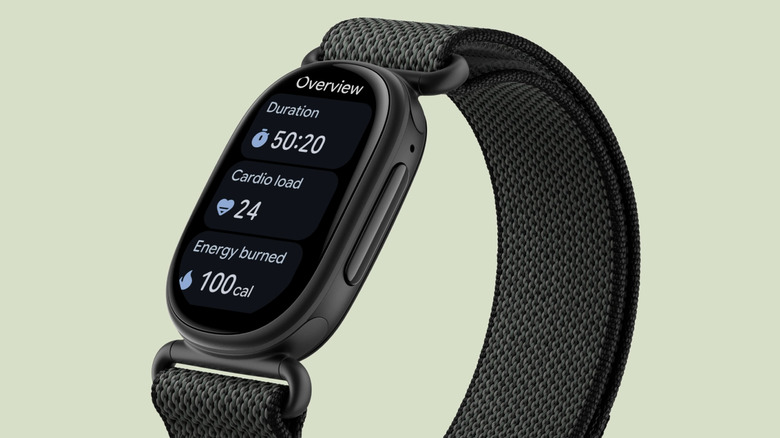
- Advanced Metrics: The Edge introduces sophisticated training analytics absent from the Inspire line, including "cardio load," "target cardio load," cumulative floors climbed, and real-time heart rate monitoring specifically optimized for gym workout machines.
Health Sensor Architecture
When it comes to biological monitoring, the technological gap widens further:
- The Inspire 3 Suite: Features a reliable optical heart rate monitor, a blood oxygen ($SpO_2$) tracker, and a basic accelerometer for velocity and movement.
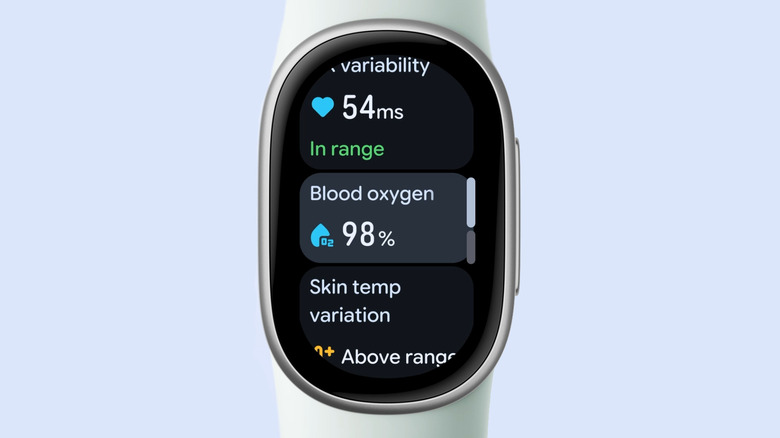
- The Edge Suite: Builds upon these foundational sensors by adding a clinical-grade ECG app for irregular heartbeat (AFib) detection, a dedicated skin temperature sensor, a gyroscope, and an altimeter.
Furthermore, the Edge unlocks deeper monthly health insights, tracking blood pressure trends and insulin resistance markers. For individuals managing diabetes or monitoring blood sugar independently, the Edge provides advanced analytical tools to help process and interpret that data alongside daily activity.
Battery Life and Durability
- Battery Performance: Naturally, the Edge’s larger AMOLED display, power-hungry GPS module, and continuous sensor arrays demand more energy than the minimalist Inspire 3. Consequently, the Inspire 3 boasts an impressive battery life of up to 10 days on a single charge. The Edge offers up to one week of battery life. For most users, needing to charge the device once a week versus once every ten days represents a negligible compromise given the massive feature upgrade.
- Water and Dust Resistance: Both wearables share an identical water-resistance rating of 5 ATM under ISO standard 22810:2010. This ensures complete protection during heavy rain, showering, and shallow-water swimming (such as pool laps), though neither device is designed for deep-sea diving. However, the Fitbit Edge adds an IP68 dust-resistance rating, meaning its internal components are hermetically sealed against fine particulates and capable of surviving brief, accidental immersions, a certification the Inspire 3 lacks.
Official Statements and Industry Perspective
Google’s positioning of the Fitbit Edge reflects a calculated strategy to capture discerning consumers who find full-fledged smartwatches overwhelming. In promotional materials and official hardware briefs, Google representatives emphasize that the Edge was engineered to deliver "uncompromising health insights without the constant distraction of a full computer on your wrist."
Industry analysts have largely praised this middle-tier approach. As wearable tech markets mature, consumer fatigue surrounding battery anxiety, complex software menus, and high price tags for features they rarely use has grown. By deliberately crafting a device that bridges the gap between a basic fitness band and an advanced smartwatch, Google is addressing a distinct market segment.
Fitness experts have likewise lauded the inclusion of standalone GPS and ECG monitoring at a price point below traditional flagship smartwatches. By incorporating professional health diagnostics—such as AFib detection and cardio load tracking—into a lighter, sleeker aluminum frame, Google has signaled that advanced health monitoring should not be exclusively locked behind heavy, expensive timepieces.
Future Outlook: The Strategic Horizon of Hybrid Wearables
The introduction of the Fitbit Edge signals a pivotal shift in how technology giants approach personal wellness hardware. As sensors become smaller, more power-efficient, and increasingly accurate, the traditional boundaries separating fitness bands from smartwatches will continue to blur.
Looking ahead, we can anticipate several industry trends influenced by this hardware philosophy:
- Democratization of Advanced Diagnostics: Features once reserved for $400+ flagship smartwatches—such as ECG apps, onboard GPS, and localized mapping—are rapidly migrating down into the $150–$200 price bracket.
- Material Refinement in Entry-Tier Devices: The positive reception of the Edge’s 100% recycled aluminum case suggests that consumers are increasingly unwilling to accept plastic construction in devices they wear daily. Future iterations of budget-friendly trackers will likely adopt premium metals to satisfy aesthetic demands.
- Ecosystem Synergy: As Google continues to refine its software ecosystem, deeper integration between Fitbit hardware and Google services (such as Maps, Assistant, and Wallet) will redefine user expectations. Devices like the Edge prove that users do not need cellular voice connectivity to find immense value in a seamlessly connected wearable.
Ultimately, for consumers deliberating between the $99.95 Fitbit Inspire 3 and the $180 Fitbit Edge, the decision rests on lifestyle priorities. Those seeking an ultra-lightweight, set-it-and-forget-it band with exceptional 10-day battery life will find the Inspire 3 more than adequate. However, for runners wanting phone-free GPS tracking, individuals requiring proactive heart health monitoring via ECG, and professionals desiring an aluminum aesthetic that bridges the gap between fitness and fashion, the Fitbit Edge establishes a compelling new benchmark for the modern wearable.