Executive Overview
The sprawling, volatile ecosystem of global cybercrime has been rocked by a high-stakes convergence of international law enforcement actions, insider betrayals, and brazen digital audacity. Saif Al-din Khader—a teenager from Amman, Jordan, who operated under the hacker handle “Rey”—has reportedly been detained by Jordanian authorities and is cooperating with the Federal Bureau of Investigation (FBI). Khader is suspected of operating as a key leader and modern administrator of ShinyHunters, one of the most prolific and destructive data-theft and extortion syndicates of the past decade.
Rey’s apprehension occurred precisely as the syndicate was deep in the process of extorting a business unit recently divested by global aerospace giant Boeing. This target carried a deeply ironic personal footnote: the long-haul fleet of Royal Jordanian Airlines, the employer of Rey’s father, relies heavily on Boeing aircraft.
The downfall of the Jordanian teenager provides a fascinating window into the modern evolution of cybercriminal groups. Today, cybercrime syndicates operate less like rigid, localized gangs and more like franchise models—akin to a digital "Dread Pirate Roberts" from The Princess Bride, where titles, PGP keys, and brand names are inherited, bought, or seized following the arrest of previous leaders. This investigative report explores the chain of events that led to Rey’s arrest, the exploitation of critical enterprise software that brought down high-profile government and commercial networks, and the broader unraveling of the modern ransomware ecosystem.
Detailed Chronology: From Zero-Day Exploits to International Arrests
The Oracle PeopleSoft Zero-Day Campaign
The foundation of ShinyHunters’ 2026 resurgence was built upon the mass exploitation of a critical security vulnerability—designated CVE-2026-35273—affecting Oracle PeopleSoft, a widely deployed software-as-a-service (SaaS) platform utilized by enterprises and government entities for human resources, payroll, and recruitment management.
Beginning in June 2026, ShinyHunters leveraged this vulnerability as a zero-day exploit. According to communications with security researchers at BleepingComputer, the group’s initial ambition was explicitly audacious: to breach the FBI’s own PeopleSoft database. While initial direct penetrations of the bureau’s database proved unsuccessful, the gang pivoted, deploying a well-documented URL-encoding trick to bypass web application firewall (WAF) rules issued by Mandiant.
By late September 2025, a joint report released by Mandiant and the Google Threat Intelligence Group (GTIG) confirmed that ShinyHunters had successfully executed a mass-exploitation campaign. They compromised dozens of systems across critical economic and governmental sectors, including higher education, healthcare, agriculture, transportation, and technology.

The FBI Breach and Contractor Fallout
The exploitation campaign culminated in a breach of the FBI’s recruitment portal. The attack exposed sensitive information belonging to more than 5,000 FBI personnel, including specific unit assignments, specializations, and confidential medical and psychiatric records.
The operational security failure led to swift accountability. Reports confirmed that the FBI removed an Accenture contractor responsible for managing the recruitment platform due to the failure to promptly apply patches for the PeopleSoft vulnerability.
The Dutch Connection and the Arrest of "Umbreon"
The pressure on ShinyHunters intensified significantly in mid-September 2026. On September 15, Dutch police executed a dramatic flash-bang raid in Amsterdam, arresting 24-year-old Pepijn van der Stap, a convicted cybercriminal known in hacker circles by his former alias, "Umbreon."
Van der Stap had recently cultivated a public image as a "reformed hacker" and was working as an offensive security lead at a Dutch cybersecurity firm, Neo Security. However, investigators suspected him of continuing to aid ShinyHunters in data thefts and extortions.
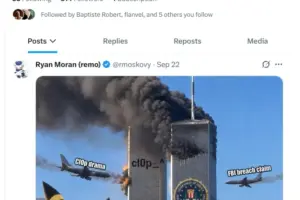
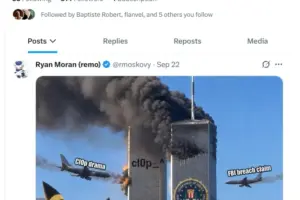
Following Van der Stap’s arrest, Rey immediately seized control of the ShinyHunters brand assets, utilizing them to launch a campaign of public taunting. He posted memes on Twitter/X mocking both the FBI and the rival ransomware group Cl0p, intentionally embedding Umbreon’s avatar in an attempt to frame Van der Stap for the attacks.
The Takedown of Rey
Rey’s digital bravado proved short-lived. Following inquiries by security journalist Brian Krebs regarding his father’s compromised credentials at Royal Jordanian Airlines, Rey began purging his social media footprints. However, his actions could not forestall law enforcement. On October 3, Reuters cited three unnamed sources confirming that Saif Al-din Khader had been detained in Amman by Jordanian authorities and was actively cooperating with the FBI.

Supporting Context & Metrics: The Franchise Model of Cybercrime
To understand how a teenager could assume command of a legendary hacking brand, one must examine how groups like ShinyHunters have mutated over time.
The Franchise Evolution
The original core members of ShinyHunters—predominantly French nationals responsible for billions of stolen records across operations dating back to 2019—have largely been arrested or imprisoned. Rather than disappearing, the "ShinyHunters" moniker transformed into an open-source franchise.
Security investigators note that contemporary operators function as decentralized freelancers. These affiliates feed stolen SaaS platform credentials to a central brand operator in exchange for a percentage (typically 25% to 30%) of any subsequent ransoms paid by victim corporations.
Rey’s Financial and Operational Footprint
According to cybercrime tracking channels on Telegram—specifically a monitoring campaign dubbed "The Battle"—Rey’s criminal enterprise caused over $200 million in cumulative damages over several months. He allegedly operated by purchasing old PGP keys, creating spoofed BreachForums networks and Telegram channels, and masquerading as authentic ShinyHunters operatives to force victim payouts.
The Cl0p Feud
Rey’s fixation on rival criminal entities also marked his tenure. In March 2026, he published a detailed investigative post on a GitHub blog doxing two Russian men alleged to be the core operators and developers behind Cl0p, one of the oldest active ransomware syndicates. This exposed deep infighting within the upper echelons of the cybercriminal underground.
Official Statements and Industry Impact
The fallout from the ShinyHunters campaigns and the subsequent law enforcement interventions elicited measured responses from major corporate stakeholders.

Boeing and Jeppesen ForeFlight
The FBI’s investigation gained critical urgency when ShinyHunters targeted a navigation and digital aviation unit recently divested by Boeing. Boeing confirmed that the extortion attempts involved data stolen from Jeppesen ForeFlight, a subsidiary Boeing sold in November 2025 to private equity firm Thoma Bravo for $10.55 billion.
"We are aware of claims by a threat actor regarding data allegedly associated with Boeing and our former subsidiary Jeppesen ForeFlight," a Boeing spokesperson stated. "Estamos reviewing the matter actively with the Jeppesen ForeFlight team."
In response, Jeppesen ForeFlight maintained that its core systems remained secure:
"Based on our investigation to date into this claim and proactive security posture, there was no impact to our operations or products."
The FBI’s Public Warning and Hackers’ Motive
The attacks prompted the FBI to issue a formal Flash Notice (IC3 PSA260515) warning organizations against paying ransoms to ShinyHunters. The advisory highlighted the group’s aggressive harassment tactics, which included sending threatening phone calls and text messages, and occasionally executing "swatting" attacks against company executives and their families.
In interviews with tech publication The Register, ShinyHunters representatives admitted that their decision to target the FBI was primarily a public relations exercise designed to counter the agency’s warnings, which they claimed damaged their leverage and business model.

Future Outlook: The Shifting Threat Landscape
The detention of Saif Al-din Khader in Amman and the arrest of Pepijn van der Stap in Amsterdam mark watershed moments in the ongoing campaign to dismantle modern corporate extortion syndicates. However, cybersecurity analysts caution that arresting individual "brand managers" does little to permanently eradicate the systemic vulnerabilities that fuel these attacks.
- Enterprise Patch Management: The widespread reliance on legacy or improperly patched SaaS platforms like Oracle PeopleSoft demonstrates that corporate attack surfaces remain dangerously broad. Organizations must accelerate zero-day patching and harden their web application firewalls against URL-encoding bypasses.
- The Fragility of "Reformed" Hackers: The explosive allegations against Van der Stap—including Dutch media reports suggesting he may have attempted to commission murders abroad—highlight the complex psychological and criminal profiles of modern cybercriminals, posing severe reputational risks to commercial cybersecurity firms that hire ex-hackers.
- Decentralized Accountability: As franchise brands like ShinyHunters burn through successive generations of teenage administrators and cybercriminal freelancers, law enforcement agencies are shifting their focus toward dismantling the cryptocurrency laundering networks and access-broker ecosystems that sustain these operations.
Ultimately, while the hacker handle "Rey"—meaning "king" in Spanish—has been permanently silenced, the underground economy that allowed a Jordanian teenager to command a global extortion empire continues to adapt, ensuring that the war between enterprise security teams and decentralized ransomware franchises will persist on new and unpredictable fronts.