Executive Overview
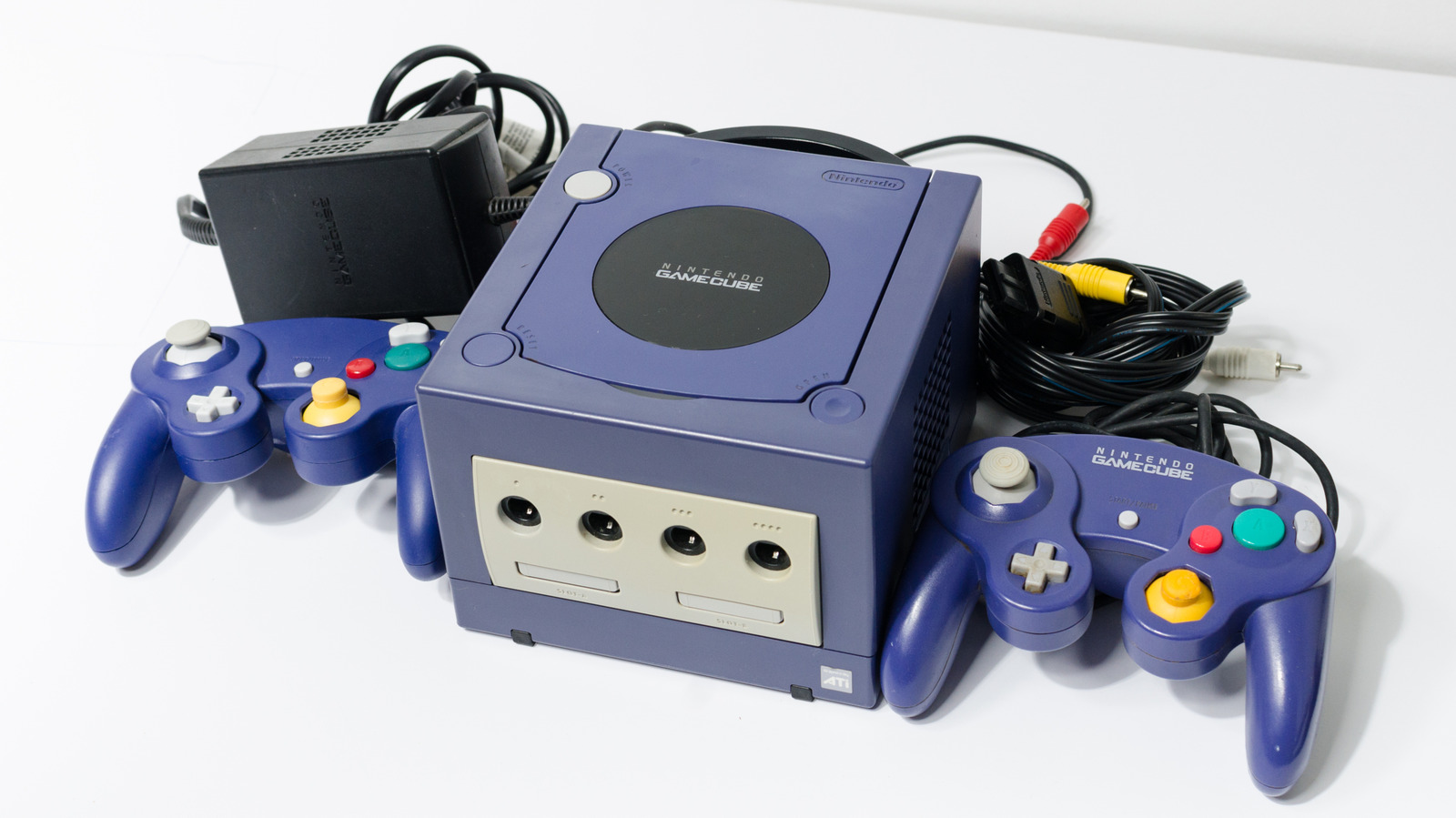
For millions of gamers who grew up in the early 2000s, Nintendo’s sixth-generation console, the GameCube, conjures memories of chunky purple lunchbox designs, quirky controllers, and couch co-op classics like Super Smash Bros. Melee and Super Monkey Ball. While a standard, pre-owned Indigo or Jet Black GameCube can still be acquired on the secondhand market for a modest sum, a parallel, hyper-exclusive market has exploded in recent years. Today, specific limited-edition GameCube consoles command jaw-dropping prices, with elite collector pieces trading hands for upwards of $7,500 to $15,000.
What began as localized marketing stunts, magazine sweepstakes prizes, and corporate promotional items have transformed into some of the most sought-after artifacts in modern video game history. Driven by a combination of extreme scarcity, pristine packaging, and the nostalgia-fueled spending power of aging millennials, the market for rare GameCube variants has evolved into an institutionalized hobby. This deep dive explores the historical context, astronomical valuations, and unique ecosystems that make collecting the rarest GameCubes a high-stakes financial endeavor.
Detailed Chronology: The Evolution of the GameCube Special Edition
To understand how a plastic console released more than two decades ago can command luxury-car prices, one must look back at how Nintendo and its corporate partners marketed the hardware during its active lifecycle between 2001 and 2007.
Phase 1: The Mass-Market Standard and Accessible Relics (2001–2003)
When Nintendo launched the GameCube, it broke away from the traditional black box aesthetic by introducing the iconic "Indigo" purple tone, quickly followed by Jet Black, Platinum Silver, and Spice Orange. As the console sought to capture market share against Sony’s dominant PlayStation 2 and Microsoft’s heavyweight Xbox, Nintendo leaned heavily into bundled software packages.
During this initial phase, collectors can easily source semi-rare variants like the Pokémon XD: Gale of Darkness bundle or the Donkey Konga package. These featured standard Platinum Silver hardware paired with custom-branded faceplates featuring Lugia or Donkey Kong. While nostalgic, these remain relatively attainable because of their broader production runs.
Phase 2: Regional Exclusivity and Sweepstakes Culture (2003–2005)
As the console matured, Nintendo and third-party publishers increasingly utilized regional exclusives and extreme-scarcity sweepstakes to generate brand buzz. Japan became the epicenter for unique cosmetic overhauls that went far beyond mere faceplates.
Editions like the Final Fantasy Crystal Chronicles bundle shifted the paradigm. Restricted to a minuscule 150 units distributed exclusively via a magazine sweepstakes, this hardware marked a turning point. It wasn’t just a custom color; it was a bespoke, cream-hued "Crystal White" unit paired with matching hardware peripherals that would come to define the holy grail tier of GameCube collecting.
Phase 3: The Secondary Market Explosion (2015–Present)
Long after the GameCube’s discontinuation, the retro gaming renaissance transformed attic finds into financial assets. Online documentation platforms like Consolevariations began cataloging every known iteration, prototype, and promotional unit. As wealth accumulated among tech-savvy collectors who originally owned the console in their youth, prices for ultra-rare variants transitioned from hundreds of dollars to thousands, culminating in the record-breaking auctions seen today.
Supporting Context & Metrics: Inside the Multi-Thousand-Dollar Market
The economics of retro game collecting rely on a delicate intersection of condition, completeness (boxed versus unboxed), and verifiable rarity. The modern valuation of elite GameCube hardware is underpinned by hard data from platforms like eBay and specialized heritage auction houses.
The Crown Jewel: The Final Fantasy Crystal Chronicles Bundle
- Production Run: Estimated at 150 units.
- Distribution: Japanese magazine sweepstakes prize.
- Distinctive Features: Unique "Crystal White" cream chassis, matching Crystal White Game Boy Player add-on, and custom software bundle.
- Market Metrics: In the past year alone, verified sales have repeatedly broken records. Two units fetched upwards of $5,000, while a subsequent sale peaked at $7,500. Even scuffed, unboxed listings with missing documentation regularly clear the $3,750 threshold.
The Corporate Unicorn: The Heineken GameCube
- Production Run: 100 units globally (50 Indigo, 50 Jet Black).
- Distribution: 2002 Dutch Heineken website sweepstakes for contestants aged 21 and older.
- Distinctive Features: Officially licensed promotional branding tied to the European beverage giant.
- Market Metrics: Because of its cross-industry appeal—attracting both beer memorabilia collectors and hardcore gaming enthusiasts—pristine versions of the Heineken GameCube have been listed on secondary markets for as much as $15,500.
Mid-Tier Collector Targets: Gundam, Tales of Symphonia, and Movie Tie-Ins
Not every rare console requires liquidating a retirement portfolio. Several regional variants offer a compromise between exclusivity and affordability:
- Gundam Char Edition (Japan): A striking red console and matching controller bundled with a red Game Boy Player. Highly visual, yet more accessible than the Crystal Chronicles variant.
- Tales of Symphonia Bundle (Japan & France): Released in 2003, this pastel mint green console run was capped at approximately 10,000 units. It remains an approachable entry point for intermediate collectors, typically commanding prices under $1,500.
- Airbrushed Movie Promos (The Polar Express and The Incredibles): These unofficial, custom-airbrushed sweepstakes consoles represent the bizarre fringes of promotional tie-ins, proving that physical uniqueness often trumps official retail branding in valuation.
Official Perspectives and Expert Analysis
The preservation of retro video game hardware has increasingly caught the attention of cultural historians, economic analysts, and platform archivists.
Industry historians note that the GameCube era represents a distinct transitional period between mass-produced consumer electronics and bespoke promotional artifacting. Unlike modern consoles that receive standardized day-one patches and digital-only releases, the sixth generation relied heavily on physical hardware variations to drive consumer engagement through print media and sweepstakes.
According to data curators at Consolevariations, the tracking of these rare units has shifted from casual forum hobbyism to meticulous data science. Authentication has become paramount. With high-value consoles like the Crystal Chronicles white variant or the Heineken edition commanding five figures, the risk of counterfeit shell-swapping—where common white or black shells are passed off as rare promotional units—has introduced rigorous authentication standards to the secondary market. Experts advise buyers to inspect serial numbers, motherboard stamps, and regional certification labels before committing to high-value transactions.
Future Outlook: Where Is the Retro Hardware Market Headed?
As the retro gaming market matures through the latter half of the 2020s, several key trends are projected to shape the valuation and preservation of rare GameCube hardware:
- Institutionalization of Collections: Much like comic books, trading cards, and vintage wristwatches, video game hardware is increasingly being viewed as a legitimate alternative asset class. Grading and encapsulation services for sealed consoles are gaining traction, potentially locking rare hardware behind museum-grade acrylic cases.
- Shrinking Supply of Pristine Units: Plastics used in early 2000s manufacturing are susceptible to yellowing, brittle aging, and UV degradation. As time progresses, finding a factory-sealed or mint-condition unit with all original inserts, manuals, and matching peripherals will become exponentially harder, driving baseline valuations upward.
- The Rise of Digital Emulation vs. Physical Preservation: While software emulation becomes more powerful and accessible via modern PCs and handheld devices, it paradoxically increases the cultural and financial value of physical hardware. For the elite collector, owning a 1-of-150 Crystal Chronicles GameCube is less about playing the game and more about acting as a custodian of gaming history.
Whether you are unearthing an old Indigo console from your childhood closet—which can still fetch a modest return—or eyeing a five-figure Heineken promotional unit, the GameCube’s legacy as a design icon and a collector’s goldmine is firmly cemented. As the years roll on, these quirky purple boxes and their ultra-rare corporate cousins will only continue to command respect, awe, and staggering sums of money in the collectors’ arena.