Executive Overview
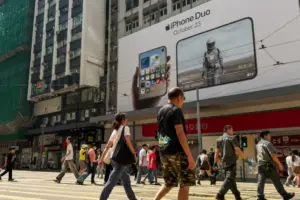
The highly anticipated launch of the Apple iPhone Duo has been nothing short of a cultural phenomenon. With preorders smashing historical records and delivery windows extending well into the winter months, the device has become the most coveted piece of consumer technology in 2026. However, this fervor has created a digital "wild west," with cybercriminals leveraging the scarcity of the device to orchestrate sophisticated scams.
From drive-by malware attacks disguised as legitimate preorder portals to the brazen theft of credit card credentials, the release of the iPhone Duo has inadvertently triggered a security crisis. This report examines the mechanics of these exploits, the threat landscape surrounding the launch, and the necessary steps users must take to secure their digital identities in an era where high-demand product drops are increasingly weaponized by bad actors.
Detailed Chronology: From Launch Hype to Digital Exploitation
The timeline of these attacks closely mirrors the product’s market introduction. Within hours of the iPhone Duo’s official announcement, security researchers began tracking a surge in malicious domains.
Phase 1: The "Preorder" Trap
In late September 2026, the first wave of sophisticated phishing sites emerged. These portals were meticulously designed to mimic the aesthetic and user interface of Apple’s official storefront. The lure was simple: a $500 voucher for early adopters and bundled AppleCare+ coverage.
Unlike traditional phishing—which relies on a user entering their credentials into a form—the current campaign utilizes a more insidious "drive-by" approach. Security firm Malwarebytes identified that simply navigating to these malicious URLs initiates a silent download. Utilizing the "DarkSword" exploit chain, these sites are capable of bypassing standard sandbox protections in older versions of iOS. Once a device is compromised, attackers gain persistent access to sensitive data, including cryptocurrency private keys, real-time location data, and private messaging archives.
Phase 2: The Financial Fraud Wave
As the preorder window officially opened, the narrative shifted from device-based malware to direct financial theft. Reports originating from Hong Kong and spreading globally indicate that thousands of consumers are discovering unauthorized "Apple Store" charges on their credit card statements—despite never having attempted a purchase.
This suggests a large-scale data breach or a widespread credit card "harvesting" operation. Cybercriminals are likely utilizing stolen card details—acquired through prior data leaks or dark web marketplaces—to conduct high-value transactions. By the time the victim realizes their card has been compromised, the funds are already debited, leaving them to navigate the arduous process of disputing charges with their banking institutions.
Phase 3: The Social Engineering Pivot
Most recently, scammers have moved toward active social engineering. Using the anxiety of delayed shipping windows, fraudsters are cold-calling consumers, masquerading as representatives from Apple or major telecommunications carriers. They claim that an order is "at risk of cancellation" or "requires verification" to proceed. These calls are designed to extract personal information, such as passwords or Multi-Factor Authentication (MFA) codes, effectively handing over the keys to the victim’s digital life.
Supporting Context & Metrics: The Anatomy of the Threat
The scale of this operation is unprecedented. While specific global dollar amounts lost to the iPhone Duo scam are still being tabulated, early indicators from law enforcement agencies show a 130% increase in reports of credit card fraud linked to "tech product preorders" in the last 30 days alone.

Vulnerability Windows
The technical core of the malware threat lies in the gap between legacy and modern software. Apple has confirmed that the DarkSword exploit chain is effective primarily on devices running iOS 18.4 through 18.6.2. Users who have maintained their devices on the latest iterations of iOS (up to version 26) remain largely shielded from the drive-by execution aspect of these scams.
This highlights a critical metric in modern cybersecurity: the "Time-to-Patch" interval. In the current threat landscape, failing to update your operating system is no longer just a minor inconvenience; it is a gateway for sophisticated threat actors to gain total administrative control over a device.
The Psychology of Scarcity
The success of these scams is rooted in the "fear of missing out" (FOMO). When consumers are faced with months-long wait times for a high-status item, their critical thinking faculties are often bypassed. Scammers exploit this by creating artificial urgency, forcing victims to act before they have time to verify the legitimacy of a website or a caller.
Official Statements and Industry Response
Apple has issued a guarded response, reminding consumers to stick strictly to official channels. The company emphasized that they do not use third-party "voucher sites" and that all legitimate preorders must originate from the official Apple website or the dedicated Apple Store application.
Major banking institutions have also begun flagging transactions involving smaller, non-verified third-party electronics retailers, implementing stricter fraud-detection algorithms for any purchase labeled "iPhone Duo." While these measures are helpful, the onus remains on the consumer to verify the origin of their transactions.
Future Outlook: A New Standard for Product Launches
The iPhone Duo security incident marks a turning point for how consumers should view product launches. As AI-driven phishing becomes more convincing and exploit chains become more automated, the "preorder season" will likely remain a high-risk period for years to come.
Best Practices for Future Proofing
To protect yourself against evolving threats, consider the following protocols:
- Maintain Software Hygiene: Ensure your iOS devices are set to update automatically. The security patches provided by Apple are the most effective defense against drive-by malware.
- Verify via Direct Navigation: Never click on links in emails, social media posts, or text messages. If you want to preorder a product, type the URL (e.g., apple.com) directly into your browser.
- Implement Financial Guardrails: Enable instant push notifications for all credit card transactions. Many modern banking apps allow you to "lock" your card instantly if you spot a suspicious charge.
- Adopt a Zero-Trust Communication Mindset: If a representative calls you claiming to be from a major brand, hang up. Call the official, verified customer service number found on the back of your card or the company’s official website. Never provide passwords or verification codes over the phone.
The Road Ahead
As technology continues to integrate deeper into our personal and financial lives, the sophistication of these scams will only increase. The iPhone Duo crisis is a stark reminder that in the digital age, security is not a one-time setup, but a constant, vigilant practice. By remaining skeptical of "too good to be true" offers and maintaining the integrity of our personal software, we can enjoy the fruits of innovation without falling prey to the dark side of the digital economy.
The hype surrounding the iPhone Duo will eventually fade, but the data stolen during this period may haunt victims for years. Treat your digital footprint with the same level of protection you would afford your physical wallet—because in 2026, they are one and the same.