

Executive Overview
YouTube has officially shifted its structural center of gravity from mobile devices and desktop browsers straight into the global living room. Driven by rapid consumer adoption of smart televisions, streaming dongles, and gaming consoles, Connected TV (CTV) has emerged as the platform’s single fastest-growing device category—and for an increasing number of media channels, its primary source of inbound traffic.
This migration represents far more than a simple change in screen dimensions; it fundamentally alters the cognitive state of the audience. Viewers shifting from quick mobile sessions to a lean-back, big-screen environment bring heightened expectations shaped by premium streaming services like Netflix, HBO, and Hulu. While viewers intuitively understand that independent creators do not operate with Hollywood-level budgets, their brains subconsciously apply higher production, audio, and storytelling standards to living room broadcasts.
For digital marketers, brand strategists, and content creators, YouTube’s aggressive push into the living room demands a comprehensive recalibration of video production, audience analytics, channel optimization, and search discovery. From multimodal AI search engines built directly into TV remotes to frictionless two-click purchasing via TV-native Google Pay, the platform is rapidly evolving from a passive video repository into an interactive, AI-driven commercial ecosystem.
Detailed Evolution: YouTube’s TV-First Infrastructure Shift
Over the past two years, YouTube has quietly re-engineered its platform architecture to optimize video delivery, monetization, and search for big-screen hardware. This strategic evolution spans four major technological pillars:
+-----------------------------------------------------------------------------------+
|                           YOUTUBE CTV ARCHITECTURE                                |
+------------------------------------+----------------------------------------------+
| VISUAL & HARDWARE UPGRADES         | INTERACTIVE & SEARCH FEATURES                |
| - 50 MB Thumbnail Uploads (4K)     | - "Ask YouTube" Gemini Voice Search          |
| - Automatic AI Video Upscaling     | - Multimodal (Visual + Audio) Script Indexing |
| - Dynamic TV-Expanded Banners      | - 2-Click "Buy with Google Pay" Remote Checkout|
+------------------------------------+----------------------------------------------+
1. Expanded High-Resolution Display Assets
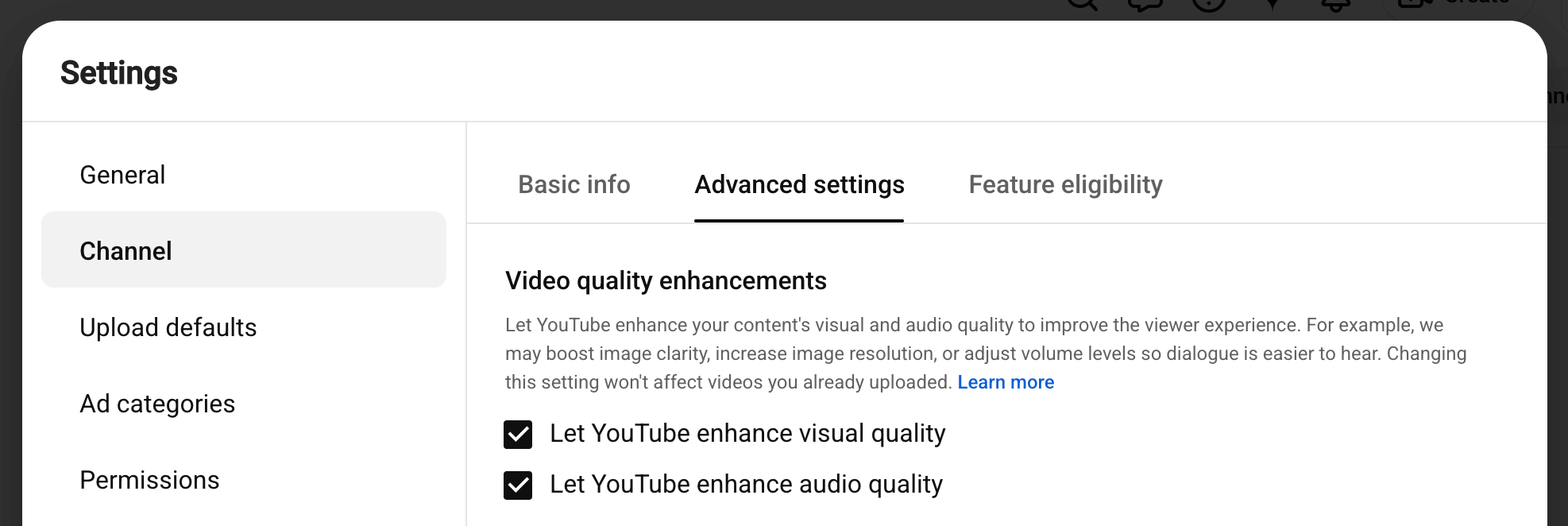
Recognizing that legacy digital assets look pixelated on modern 65-inch 4K displays, YouTube significantly expanded its technical asset limits. The platform raised its thumbnail file size ceiling from 2 megabytes to 50 megabytes, encouraging creators to upload uncompressed, ultra-high-definition image assets designed specifically for large-screen rendering. Concurrently, YouTube deployed automated, AI-powered upscaling engines that automatically elevate legacy video uploads recorded below 1080p to higher resolutions—though brand channels retain the ability to disable this feature if they wish to preserve original artistic grading.
2. Living Room Commerce Frameworks
YouTube introduced native Buy with Google Pay capabilities for connected televisions. Emulating the direct-to-consumer models popularized by mobile social commerce and Amazon Prime Video, CTV viewers can now complete purchases for tagged retail items, merchandise, and featured sponsor products in as few as two clicks using their standard television remote control.
3. Voice-First Multimodal AI Search
To resolve the friction of typing search queries using a traditional TV remote, YouTube integrated Ask YouTube—a conversational AI engine powered by Google Gemini—into television apps and streaming consoles. By pressing the microphone button on their remote control, viewers can query topics, demand contextual summaries, or skip directly to specific answers within a video without ever leaving the main viewing screen.
4. Advanced Co-Viewing Analytics
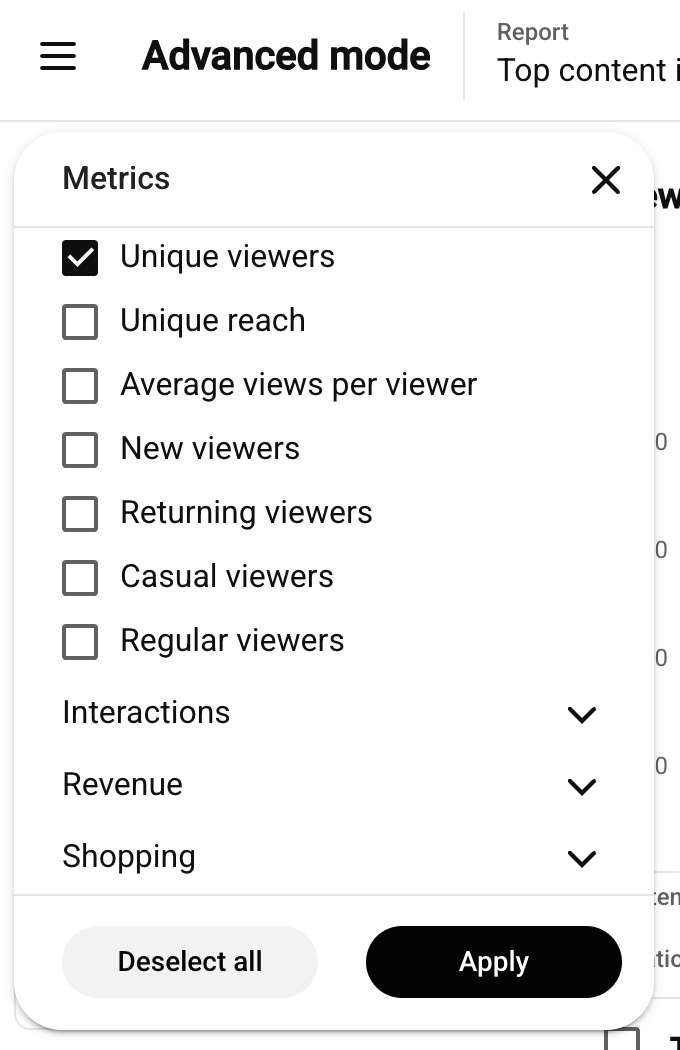
Because television viewing is frequently a shared, multi-person household experience, traditional single-account metric systems consistently undercount actual viewership on TV screens. To solve this attribution gap for media buyers and brand sponsors, YouTube rolled out a dedicated Unique Reach metric designed to estimate total aggregate co-viewers sitting in front of a shared television display.
Supporting Context & Data Metrics: Rethinking Channel Analytics
Understanding YouTube’s living room shift requires examining the analytics metrics driving media valuation on the platform. Historically, digital video metrics relied almost exclusively on logged-in account activity. On Connected TVs, however, a single logged-in account regularly broadcasts to multiple family members, friends, or co-workers simultaneously.
The Mechanics of the "Unique Reach" Metric
To quantify this "co-viewing factor," YouTube introduced Unique Reach, a statistical modeling metric directly inspired by traditional linear television measurement systems such as Nielsen ratings.
                      [ Raw CTV Signals ]
       (Time of Day + Device Type + Content Genre)
                            │
                            ▼
     [ YouTube Unique Reach Algorithmic Engine ]
                            │
                            ▼
[ Total Estimated Household Audience (Co-Viewers) ]- Algorithmic Inputs: The metric combines structural context signals—including the precise time of day (e.g., peak evening prime-time hours versus afternoon slots), device classification (CTV versus smartphone), channel genre (e.g., family entertainment, food, tech reviews), and historic household demographic data.
- The Commercial Impact: If a video generates 5,000 direct account views on a TV screen, YouTube’s model may estimate a Unique Reach of 15,000 individual viewers based on household co-viewing patterns.
| Metric Type | Data Source | Primary Use Case | Strategic Value |
|---|---|---|---|
| Standard Views | Direct logged-in user playback events. | Baseline channel analytics and AdSense payouts. | Verifiable, conservative baseline for standard reporting. |
| Unique Viewers | De-duplicated individual account sign-ins across devices. | Understanding unique individual account reach over time. | Key performance metric for multi-device audience retention. |
| Unique Reach (CTV) | Algorithmic modeling based on device, time, genre, and co-viewing patterns. | Sponsorship negotiations, media planning, and brand lift modeling. | Unlocks hidden television impression value for media buyers. |
The Extended Runtime Economy
Living room viewing habits favor longer formats. Data shows that the historic target duration of 8 to 10 minutes—once considered the ideal length for algorithmic distribution on desktop and mobile—has become the baseline entry point for living room audiences.
- The Rise of Long-Form Content: CTV consumption leans heavily toward extended, episodic viewing sessions lasting 15, 30, 45, or even 60 minutes.
- Massive Commercial Scale: Demonstrating the direct revenue potential of living room video, YouTube reported that over 35 billion hours of shopping-related content were consumed on the platform globally, with a substantial portion of those hours taking place directly on household television screens.
Strategic Analysis & Operational Guidance
Adapting to a living room-first distribution strategy requires fundamental adjustments across video production, asset design, script writing, and commercial call-to-actions.
+-----------------------------------------------------------------------------------+
|                     CONNECTED TV CONTENT OPTIMIZATION MATRIX                     |
+-------------------+-------------------------------------+-------------------------+
| DOMAIN            | TRADITIONAL MOBILE / DESKTOP APPROACH| CTV RE-ENGINEERED MODEL |
+-------------------+-------------------------------------+-------------------------+
| Banner Design     | Tight crop focusing on center safe  | Extended top/bottom     |
|                   | zones for mobile screens.           | canvas for 16:9 TVs.    |
+-------------------+-------------------------------------+-------------------------+
| Thumbnail Layout  | Text-heavy, complex visual details  | Clean contrast, minimal |
|                   | packed into a 2MB file.             | text, up to 50MB 4K.    |
+-------------------+-------------------------------------+-------------------------+
| Pacing & Editing  | Fast cuts, ultra-tight removal of   | "Infotainment" pacing,  |
|                   | pauses, human bloopers cut out.     | breathing room, authentic|
|                   |                                     | unscripted moments.     |
+-------------------+-------------------------------------+-------------------------+
| On-Screen Calls   | "Link in the description below."    | Verbal URLs + visual    |
| to Action         |                                     | screen text overlay.    |
+-------------------+-------------------------------------+-------------------------+
| Scripting Strategy| Generic keywords placed in meta     | First 100-word direct   |
|                   | tags and basic titles.              | query delivery + visual |
|                   |                                     | multi-modal overlays.   |
+-------------------+-------------------------------------+-------------------------+
Visual Optimization for the 65-Inch Screen
1. Channel Banner Canvas Optimization
When viewed on a smart TV, channel banners render additional vertical real estate at the top and bottom of the frame that remains completely invisible on mobile phones and desktop displays. Marketers must review YouTube’s dynamic template guidelines to ensure central branding remains protected within the mobile "safe zone," while utilizing the surrounding TV-only real estate for secondary branding, tagline expansion, or high-resolution background imagery.
2. The Free Perspective Check
The most critical operational step for brand managers is sitting on a living room couch at standard viewing distance and watching their channel’s content on an actual television screen. This simple audit regularly exposes visual flaws that mobile previews mask: small fonts, unreadable graphic overlays, low audio levels, and cluttered thumbnails that turn into visual noise on a large screen.
3. High-Contrast, Minimalist Thumbnails
While YouTube now permits 50MB thumbnail files to support crisp 4K rendering, higher pixel density does not justify visual clutter. The visual job of a thumbnail remains unchanged: stopping a scrolling viewer. Clean composition, bold contrast, simple color palettes, and minimal, high-impact text readable from 10 feet away consistently outperform busy, text-heavy designs.
Content Structure: The "Infotainment" Pacing Model
The frantic, hyper-edited style that long dominated YouTube—characterized by rapid visual cuts every two seconds—can become visually exhausting on a large television display.
"Quality on TV doesn’t mean technical perfection. As AI tools make everything look hyper-polished, raw human authenticity, natural pacing, and relatable moments become even more valuable to living room audiences."
— Liron Segev, YouTube Strategy Analyst
1. Relaxed, Episodic Storytelling
Living room audiences consume YouTube in a relaxed mindset, often relaxing on a couch with a beverage in one hand and a secondary screen (a smartphone) in the other. Successful CTV content leans into an "infotainment" balance—delivering valuable insights through conversational pacing that feels more like an open discussion than an aggressive pitch.

2. Humanizing the Edit
Old YouTube editing playbooks mandated removing every breath, pause, or minor mistake. In contrast, modern CTV programming benefits from keeping these humanizing moments in the final cut. Authentic bloopers, unscripted laughs, and brief behind-the-scenes interactions build trust with couch viewers. This trend mirrors traditional television shows like America’s Got Talent, which increasingly highlight unscripted behind-the-scenes interactions rather than relying solely on polished, scripted stage segments.
3. Narrative "Re-Hooks" for Dual-Screen Viewers
Because couch viewers frequently multitask on their mobile phones while watching television, video scripts must incorporate periodic "re-hooks." These are natural structural recaps designed to draw distracted eyes back to the main screen without frustrating engaged viewers.
- Practical Scripting Example: "Now that we’ve solved the baseline configuration in step one, let’s step into the primary strategy that doubles your conversion rate."
AI Discovery & Voice Search Optimization
The deployment of Google Gemini across television apps fundamentally changes how video content is indexed, evaluated, and surfaced to viewers.
                        [ Viewers Ask Voice Query ]
                       ("What are the best lawn care...")
                                    │
                                    ▼
                [ Gemini Multimodal Engine Processes Content ]
                 ┌──────────────────┴──────────────────┐
                 ▼                                     ▼
      [ Audio Transcript Analysis ]         [ Visual On-Screen Scanning ]
      - Checks first 100 words              - Lower-third graphics
      - Listens for natural phrasing        - Visual text & domain overlays
                 │                                     │
                 └──────────────────┬──────────────────┘
                                    ▼
                   [ Surfaces Exact Answer Segment ]
1. The First 100-Word Rule
Gemini places heavy weight on the opening transcript of a video. To ensure AI search engines accurately understand and cite a video, creators should answer the core premise or title question directly within the first 100 words of the script. Once the primary answer is clearly stated, the video can expand into deeper contextual breakdown, narrative examples, and secondary subtopics.
2. Verbalizing Web Addresses and On-Screen Overlays
Telling a living room audience that "the link is in the description box below" is ineffective because navigating to description boxes via a TV remote control is clunky and unintuitive. Marketers should adapt by:
- Verbally stating key URLs and brand handles directly in the audio track (e.g., "You can review the full report at BrandName.com/Data").
- Displaying clear on-screen graphics, lower-third overlays, and visible web address text.
Because Gemini is a multimodal vision and audio model, it processes both the audio transcript and the visual frame elements simultaneously. Clear visual overlays provide dual signals that allow AI search assistants to accurate summarize and present featured URLs to viewers.
3. Scripting for Natural Language Queries
Creators should structure titles, video chapters, and spoken script phrasing to match conversational voice queries. Rather than using robotic keyword phrases like "best lawn care products Arizona," creators should naturally phrase questions in their scripts:
- Conversational Script Integration: "A client in Phoenix recently asked me: ‘What are the absolute best lawn care products to use during an Arizona summer?’ Here are the top three solutions…"
4. Building Strategic "FAQ Shorts" Playlists
To capture long-tail voice search queries, brand channels should maintain dedicated playlists composed of short, highly focused videos that answer a single, specific customer question. Unlike standard algorithmic content feed pushes that drop off in reach after initial release, evergreen, search-optimized FAQ content builds significant compound value as voice-activated AI search engines repeatedly surface those precise answers over time.
Future Outlook: The Convergence of Ambient AI, CTV, and Direct Commerce
The rapid convergence of Connected TV hardware, multimodal artificial intelligence, and friction-free payment processing points toward an ambient, highly interactive future for video marketing. Over the next three to five years, digital video distribution will be defined by several key developments:
+-----------------------------------------------------------------------------------+
|                        FUTURE OUTLOOK: CTV ECOSYSTEM 2026+                         |
+-----------------------------------------------------------------------------------+
|                                                                                   |
|  [ Ambient Voice Commerce ]  ---> Viewers speak directly to screen to save items, |
|                                   clip links, or purchase instantly.              |
|                                                                                   |
|  [ Multimodal AI Indexing ]  ---> Gemini evaluates video frames, spoken words,    |
|                                   and on-screen text for dynamic answers.        |
|                                                                                   |
|  [ Premium Data Moats ]      ---> Search engines prioritize original data and     |
|                                   first-hand experience over generic AI summaries.|
|                                                                                   |
+-----------------------------------------------------------------------------------+
1. Ambient, Voice-Driven TV Commerce
The industry is moving quickly beyond awkward on-screen QR codes. As voice control integration deepens, living room commerce will transition toward conversational, ambient commands uttered while content continues playing. Commands like "Add that book to my cart," "Send this recipe to my phone," or "Buy this featured product with Google Pay" will make buying products featured on television virtually effortless.
2. Live Social Shopping in the Living Room
Building on the momentum of specialized live-stream auction apps like Whatnot and long-form event broadcasts (such as extended unboxing streams or product launch events), living room live shopping is set to expand rapidly. Long-form live streams combine extended audience watch times with shared, community chat experiences, turning passive living room viewing into an active shopping hub.
3. Proprietary Data as an Algorithmic Moat
As AI search models become increasingly adept at generating basic content summaries independently, videos that merely recite generic, surface-level information will lose search visibility. To maintain authority and secure citations within AI-driven search engines like Ask YouTube, brands must infuse content with proprietary research, first-hand testing, case study metrics, and unique personal experience. AI systems preferentially cite sources offering original context that cannot be synthesized from public training data alone.

Conclusion for Strategic Planning
YouTube’s push into Connected TV expands the canvas for video marketing. Brands that continue treating YouTube as merely a repository for short mobile videos risk losing ground to forward-thinking competitors. By upgrading visual assets for 4K displays, pacing long-form content for relaxed couch audiences, structuring scripts for multimodal voice discovery, and embracing TV-native e-commerce tools, digital marketers can turn the living room screen into their most valuable customer acquisition engine.